
The allure of the United States Southwest, with its shimmering deserts, dazzling cityscapes, and endless entertainment, often draws travelers to two of its most iconic metropolises: Las Vegas, Nevada, and Los Angeles, California. For many, a trip to this vibrant region isn’t complete without experiencing the unique charm of both. The question “How far is Las Vegas to Los Angeles, California?” is therefore one of the most frequently asked by prospective visitors, underpinning the planning of countless road trips, quick flights, or scenic bus journeys. These two global hubs of tourism, entertainment, and lifestyle offer contrasting yet complementary experiences, from the non-stop thrill of the Las Vegas Strip to the sprawling cultural diversity and cinematic magic of Southern California.
Understanding the distance and the best ways to travel between them is crucial for anyone looking to seamlessly navigate their adventure. Whether you’re a luxury traveler seeking opulent resorts, a budget explorer maximizing every dollar, a family planning an unforgettable vacation, or a business professional combining work with leisure, the journey from the Entertainment Capital of the World to the City of Angels is a quintessential American experience. This comprehensive guide delves into every aspect of this popular route, covering travel options, recommended itineraries, must-see landmarks, and essential tips for accommodation and enjoying the local culture in both cities. Prepare to unlock the full potential of your Las Vegas and Los Angeles adventure.
The Classic Road Trip: Distance, Routes, and Desert Delights
The most popular and arguably most iconic way to travel between Las Vegas and Los Angeles is by car. This quintessential American road trip offers flexibility, scenic views, and the opportunity to discover hidden gems along the way.
Driving Distance and Time
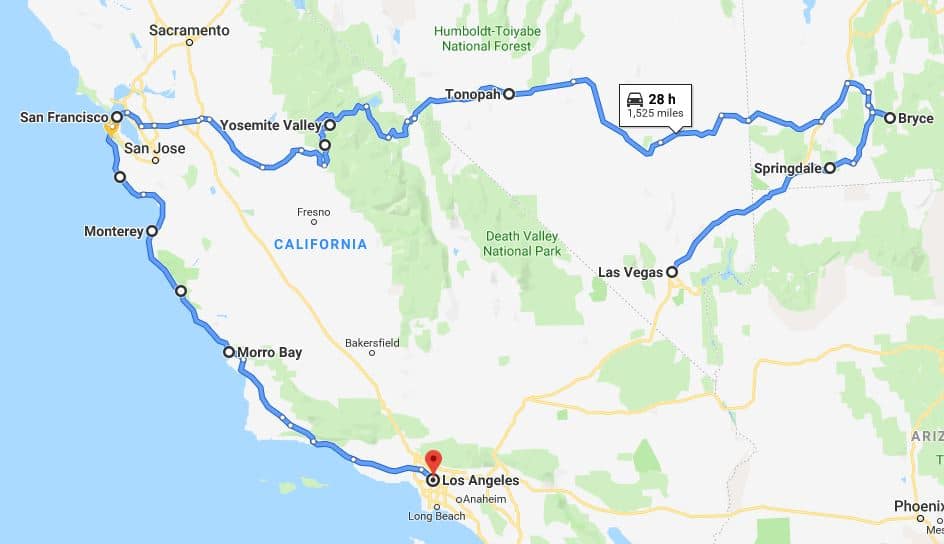
The approximate driving distance between Las Vegas and Los Angeles is around 270 miles (435 kilometers), depending on your exact start and end points within each metropolitan area. Under ideal driving conditions, with no significant traffic or stops, the journey typically takes between 4 to 5 hours. However, “ideal conditions” can be a rare luxury, especially when dealing with California’s notorious traffic congestion, particularly around the Los Angeles basin.
Factors influencing your travel time include:
- Time of Day: Leaving Las Vegas early in the morning (before 7 AM) or later in the evening (after 7 PM) can help you avoid peak traffic entering Los Angeles. Similarly, departing Los Angeles mid-day or late at night often yields smoother travel.
- Day of the Week: Weekends, especially Sunday afternoons when many travelers are returning to Southern California from Las Vegas, can see significantly increased travel times, sometimes extending to 6-8 hours. Friday afternoons are also heavy for departures from Los Angeles towards Las Vegas.
- Construction: Ongoing road construction can cause delays, so checking real-time traffic apps like Google Maps or Waze before and during your journey is highly recommended.
The Route: Interstate 15 (I-15) South
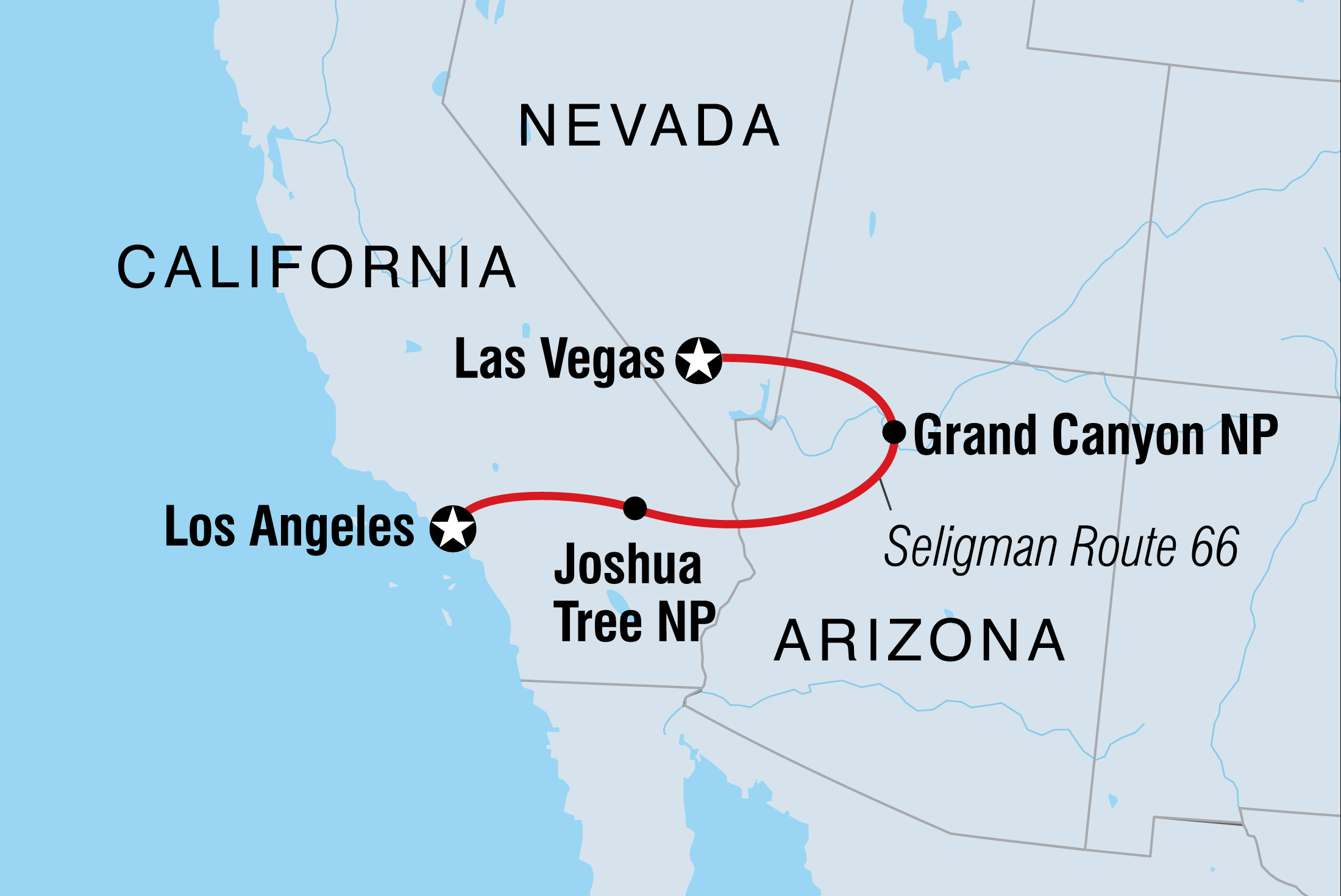
The vast majority of the drive is a straightforward journey south on Interstate 15 (I-15). This major highway connects the two cities directly and traverses the captivating expanse of the Mojave Desert. While often perceived as a desolate stretch, the desert offers its own stark beauty and a few quirky attractions worth exploring.
Notable Stops Along the Way
Breaking up the drive can enhance the experience, turning a simple commute into an adventurous segment of your trip.
- Seven Magic Mountains: Just a short drive south of Las Vegas, this vibrant art installation by Swiss artist Ugo Rondinone features seven towering stacks of colorful, painted boulders, creating a surreal contrast against the desert landscape. It’s a perfect spot for a quick photo opportunity and to stretch your legs.
- Baker, California: Known as the “Gateway to Death Valley,” Baker, California is home to the world’s tallest thermometer and offers several fast-food options and gas stations, making it a convenient pit stop for refueling.
- Calico Ghost Town: Located near Barstow, California, Calico Ghost Town is a historic silver mining town that has been preserved as a county park by San Bernardino County. It’s a fantastic stop for history buffs, families, and anyone interested in the Old West, offering mine tours, shops, and a peek into frontier life.
- Barstow, California: A larger town where Interstate 15 (I-15) and Interstate 40 intersect, Barstow, California provides more extensive dining and shopping options. It’s also home to the Mojave River Valley Museum and a segment of the historic Route 66.
- Amboy Crater: For the truly adventurous, a detour off the main highway to the Amboy Crater offers a chance to explore a dormant volcanic cinder cone. This is a more rugged stop, requiring a bit more time, but provides a unique geological experience.
Tips for Driving:
- Fuel Up: Gas stations can be sparse and more expensive in the desert, especially between Las Vegas and Barstow, California. Fill your tank before you leave.
- Hydrate: The desert climate can be extreme. Carry plenty of water, even during cooler months.
- Vehicle Check: Ensure your vehicle is in good condition, especially tires and fluid levels, before embarking on a desert drive.
- Rentals: Numerous car rental agencies operate in both cities, offering a range of vehicles from economy cars for budget travel to luxury cars for a stylish journey. Comparison websites can help you find the best deals.
Alternative Ways to Travel: Air, Bus, and Rail Connections
While driving offers unparalleled freedom, it’s not the only way to traverse the distance between these two dynamic cities. Depending on your priorities – speed, cost, or comfort – other modes of transport might be more suitable.
Flying: The Fastest Option
For those prioritizing speed, flying is by far the quickest way to get from Las Vegas to Los Angeles. The flight itself is incredibly short, often lasting around 1 hour to 1 hour and 15 minutes.
Key Airports
- In Las Vegas: Harry Reid International Airport (LAS) is the primary airport serving Las Vegas.
- In Los Angeles: Los Angeles International Airport (LAX) is the largest and busiest airport in California. However, travelers might also consider:
- Hollywood Burbank Airport (BUR): Closer to many popular Hollywood and San Fernando Valley attractions, often less crowded than LAX.
- Long Beach Airport (LGB): A smaller, more relaxed airport, convenient for destinations in Orange County and parts of Southern California.
- Ontario International Airport (ONT): Located further east, serving the Inland Empire, it can be a good option to avoid Los Angeles traffic if your final destination is in that region.
Airlines and Considerations
Several airlines offer frequent flights on this route, including major carriers like Southwest Airlines, Delta Air Lines, American Airlines, United Airlines, Spirit Airlines, and Frontier Airlines.
- Pros: Fastest travel time, ideal for short trips or those with limited time.
- Cons: Total travel time includes getting to and from airports, security checks, and potential delays, which can add 2-3 hours to the overall journey. Fares can fluctuate greatly, especially for last-minute bookings or during peak travel seasons. Budget airlines might offer very low base fares but charge extra for baggage and seat selection.
Bus Services: The Economical Choice
For budget-conscious travelers or those who prefer to relax and let someone else do the driving, bus services offer a cost-effective solution.
Major Operators
- Greyhound: A long-standing provider, Greyhound offers multiple daily departures between the Las Vegas and Los Angeles bus terminals.
- FlixBus: Known for its modern fleet and competitive pricing, FlixBus also operates several routes daily.
- Megabus: Offers a similar service, often with comfortable buses and direct routes.
Travel Time and Cost
- The bus journey typically takes between 5.5 to 7 hours, depending on the route, stops, and traffic conditions.
- Fares are generally the most affordable option, often ranging from $20 to $50 one-way, though prices can vary based on booking in advance and demand.
- Pros: Very economical, allows you to relax or work during the journey, often drops off at central locations.
- Cons: Longer travel time compared to flying or driving without stops, less flexibility, and comfort can vary.
Train Travel: A Scenic (Indirect) Alternative
While there isn’t a direct high-speed rail link between Las Vegas and Los Angeles, train travel is an option for those seeking a more leisurely and scenic journey, though it involves transfers.
- Amtrak: The national rail passenger corporation, Amtrak, serves Los Angeles via its historic Union Station. However, Las Vegas currently lacks direct passenger rail service.
- Travelers wishing to take the train would typically need to travel by bus from Las Vegas to a nearby Amtrak station, such as Kingman, Arizona or Barstow, California, and then connect to a train service like the Southwest Chief line to Los Angeles.
- Pros: Offers a unique, comfortable, and potentially scenic experience (especially for the desert segments), and often includes amenities like dining cars and observation lounges.
- Cons: Significantly longer travel time (often 10+ hours with transfers), less direct, and generally more expensive than bus travel, though potentially comparable to last-minute flights. It’s more of an experience for train enthusiasts than a practical rapid transit option for this route.
Exploring the Destinations: Attractions, Culture, and Lifestyle
Once you’ve arrived, both Las Vegas and Los Angeles unfold a world of attractions, cultural experiences, and diverse lifestyles catering to every type of traveler.
Las Vegas: The Entertainment Capital
Las Vegas is synonymous with exhilarating entertainment, opulent hotels, and a vibrant nightlife.
- The Las Vegas Strip: The heart of the action, featuring world-renowned resorts like Bellagio (famous for its fountains), Caesars Palace, The Venetian Resort Las Vegas (with its gondola rides), ARIA Resort & Casino, and The Cosmopolitan of Las Vegas. Each offers unique themes, casinos, restaurants, and shops.
- Shows and Performances: From Cirque du Soleil spectacles to residencies by global music superstars, magic shows, and comedy acts, Las Vegas boasts an unparalleled array of live entertainment.
- Dining: A culinary paradise, offering everything from celebrity chef restaurants to lavish buffets and casual eateries.
- Nightlife: World-class nightclubs, bars, and lounges ensure the party never stops.
- Beyond the Strip: Explore the historic Fremont Street Experience Downtown, with its massive LED canopy light shows and live music. For a different pace, venture out to natural wonders like the magnificent Hoover Dam, the stunning rock formations of Red Rock Canyon National Conservation Area, the awe-inspiring Grand Canyon National Park (reachable via day trips or helicopter tours), or the vibrant geological features of Valley of Fire State Park. The Desert National Wildlife Refuge offers a serene escape for nature lovers.
Los Angeles: The City of Angels
Los Angeles is a sprawling metropolis known for its diverse neighborhoods, entertainment industry, and vibrant cultural scene.
- Hollywood: Immerse yourself in movie magic at the Hollywood Walk of Fame, visit the TCL Chinese Theatre, and catch a glimpse of the iconic Hollywood Sign from various viewpoints, including the Griffith Observatory.
- Beaches: Relax on the sands of Santa Monica, stroll along the famous Santa Monica Pier, or experience the eclectic boardwalk culture of Venice Beach. Further afield, Malibu offers stunning coastal views and celebrity homes.
- Theme Parks: For family fun, Universal Studios Hollywood offers thrilling rides and studio tours, while the world-famous Disneyland Resort in nearby Anaheim, California promises enchantment.
- Culture and Arts: Explore world-class museums such as The Getty Center (art, architecture, gardens), the Los Angeles County Museum of Art (LACMA), and The Broad in Downtown LA. Catch a performance at the Walt Disney Concert Hall, Hollywood Bowl, or Hollywood Palladium.
- Shopping and Dining: Indulge in luxury shopping on Rodeo Drive in Beverly Hills, explore diverse culinary scenes in neighborhoods like Koreatown, Chinatown, and Little Tokyo, or discover trendy eateries in West Hollywood and The Arts District.
- Sports and Outdoors: Catch a game at Dodger Stadium, hike in Runyon Canyon Park, or relax in Grand Park.
Accommodation and Planning Your Stay: Hotels, Resorts, and Lifestyle Choices
Selecting the right accommodation is paramount to enhancing your travel experience. Both Las Vegas and Los Angeles offer a vast spectrum of options, from ultra-luxury resorts to budget-friendly hotels and unique long-term stays, catering to various lifestyles and preferences.
Hotels and Resorts in Las Vegas
Las Vegas is renowned for its extravagant themed resorts, each a destination in itself.
- Luxury & Iconic:
- Bellagio: Famous for its fountains and upscale amenities.
- Caesars Palace: Roman-themed luxury with extensive dining and entertainment.
- The Venetian Resort Las Vegas & The Palazzo at The Venetian Resort: Italian grandeur, all-suite accommodations.
- ARIA Resort & Casino: Modern luxury, sophisticated design.
- The Cosmopolitan of Las Vegas: Trendy and vibrant, with unique dining and a lively atmosphere.
- Resorts World Las Vegas: A newer, integrated resort complex offering diverse experiences.
- Mid-Range & Themed:
- Paris Las Vegas: Experience the City of Lights, complete with an Eiffel Tower replica.
- New York-New York Hotel & Casino: Manhattan skyline and roller coaster thrills.
- MGM Grand Hotel & Casino: One of the largest hotels, with extensive entertainment options.
- Budget-Friendly: Options like Excalibur Hotel & Casino and Luxor Hotel and Casino offer themed experiences at more accessible price points.
Many resorts offer suites, villas, and apartments, providing ample space and amenities like pools, spas, shopping, and dining, making them ideal for both family trips and business stays. Booking in advance is highly recommended, especially during peak seasons and holidays.
Hotels and Accommodation in Los Angeles
Los Angeles’ accommodation landscape is as diverse as its neighborhoods, offering everything from glamorous hotels to charming boutique stays and spacious apartments.
- Luxury & Boutique:
- [The Beverly Wilshire, A Four Seasons Hotel](https://lifeoutofthebox.com/the-beverly-wilshire-a-four- Seasons-hotel): Iconic elegance in Beverly Hills.
- Hotel Bel-Air: Secluded luxury amidst lush gardens.
- The London West Hollywood: All-suite luxury with stunning city views.
- Popular Neighborhoods for Stays:
- Hollywood / West Hollywood: Central to entertainment, nightlife, and dining, with options ranging from historic hotels to trendy boutiques.
- Santa Monica: Ideal for beach lovers, offering oceanfront hotels and a relaxed vibe.
- Downtown LA: Excellent for business travelers and those interested in arts, culture, and a burgeoning food scene.
- Anaheim, California: Perfect for families visiting Disneyland Resort.
- Apartments & Villas: For longer stays, group travel, or a desire for a more home-like experience, vacation rentals and serviced apartments are widely available across various price points.
Booking and Lifestyle Considerations:
- Booking platforms: Utilize online travel agencies (OTAs) and direct hotel websites for booking. Comparing prices and reading reviews is essential.
- Budget Travel vs. Luxury Travel: Define your budget early. Both cities offer excellent options for both ends of the spectrum. For budget travel, consider hotels slightly off the main tourist areas, or look for deals on transportation-inclusive packages. For luxury, focus on amenities, concierge services, and exclusive experiences.
- Long-term Stay: If you plan an extended visit, consider apartment rentals or hotels offering extended-stay rates, especially in Los Angeles where a longer stay allows for deeper exploration.
- Amenities: Prioritize amenities that enhance your trip, whether it’s a pool, fitness center, on-site dining, or pet-friendly accommodations.
Essential Travel Tips and Local Insights
To ensure a smooth and enjoyable journey between Las Vegas and Los Angeles, consider these practical tips and local insights.
Best Time to Visit
- Spring (March to May) and Fall (September to November): Generally considered the best times to visit both cities. Temperatures are pleasant, making outdoor activities enjoyable. Expect crowds, especially during popular events and holidays.
- Summer (June to August): Las Vegas can be extremely hot (regularly exceeding 100°F/38°C), making pool days a necessity. Los Angeles is warm and sunny, perfect for beaches, but tourist attractions will be crowded.
- Winter (December to February): Mild and comfortable in Los Angeles with occasional rain. Las Vegas winters are cooler but generally sunny. This can be a good time for budget-conscious travelers or those looking to avoid extreme heat.
Budgeting for Your Trip
Travel expenses can vary dramatically.
- Transportation: Factor in fuel costs, car rental fees, bus tickets, or flight fares, along with airport transfers.
- Accommodation: This will likely be your largest expense. Book in advance for better rates.
- Food and Drink: Las Vegas offers everything from cheap eats to fine dining. Los Angeles has a diverse culinary scene with options for all budgets, but generally, dining can be pricier.
- Activities: Factor in show tickets, theme park admissions, museum entry fees, and any tours you plan to take.
- “Sin City” Surcharge: Remember that in Las Vegas, resort fees are almost always added to hotel bills, and gambling can quickly impact your budget.
Navigating Los Angeles Without a Car
While a car is often recommended for exploring Los Angeles due to its sprawling nature, it’s certainly possible to get around using public transport, ride-sharing services, and taxis, especially if you plan to stay in one or two main areas. Downtown LA, Hollywood, and Santa Monica are relatively walkable within their own areas and are connected by the Metro Rail and bus system.
Exploring Beyond the Cities
Consider extending your trip to explore other nearby landmarks and natural wonders:
- From Las Vegas: Zion National Park and Bryce Canyon National Park in Utah, or Sedona, Arizona for stunning red rock landscapes.
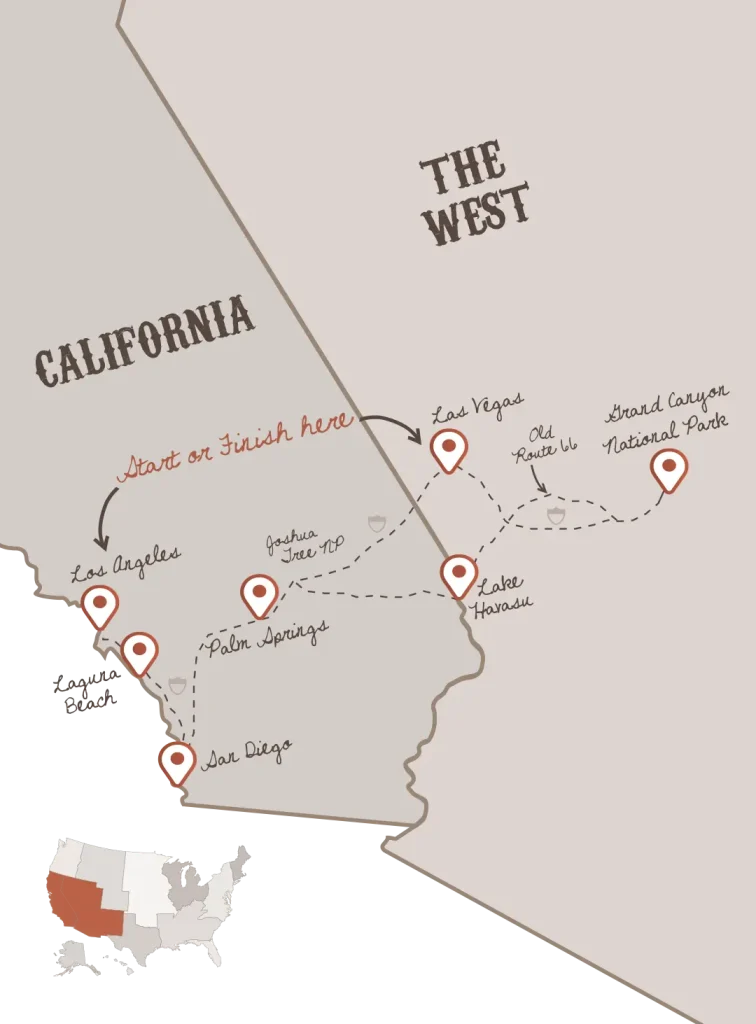
- From Los Angeles: The serene deserts of Palm Springs, the unique ecosystems of Joshua Tree National Park, or the beautiful coastal towns of Laguna Beach and Huntington Beach in Orange County. For mountain getaways, Big Bear Lake and Lake Arrowhead offer year-round recreation.
Ultimately, the journey from Las Vegas to Los Angeles, California is more than just covering a distance; it’s an opportunity to experience the diverse tapestry of the American Southwest. Whether you choose the open road, the convenience of a flight, or the economy of a bus, both destinations promise unforgettable memories filled with entertainment, culture, and unique lifestyle experiences. Plan wisely, travel safely, and prepare to be captivated by the magic of these two iconic cities.
LifeOutOfTheBox is a participant in the Amazon Services LLC Associates Program, an affiliate advertising program designed to provide a means for sites to earn advertising fees by advertising and linking to Amazon.com. Amazon, the Amazon logo, AmazonSupply, and the AmazonSupply logo are trademarks of Amazon.com, Inc. or its affiliates. As an Amazon Associate we earn affiliate commissions from qualifying purchases.