
The office of the Mayor of Seattle holds a significant position in the governance of one of the Pacific Northwest’s most dynamic and influential cities. Beyond the political implications, understanding who occupies this role offers a unique lens through which to view the city’s trajectory, its priorities, and its engagement with the world. Seattle, a hub for technology, innovation, and a vibrant cultural scene, relies on its mayor to navigate complex urban challenges and to champion its diverse communities. This exploration delves into the current leadership, the responsibilities of the office, and the broader context of the mayor’s impact on Seattle as a destination and a place of residence.
The Current Occupant: A Profile
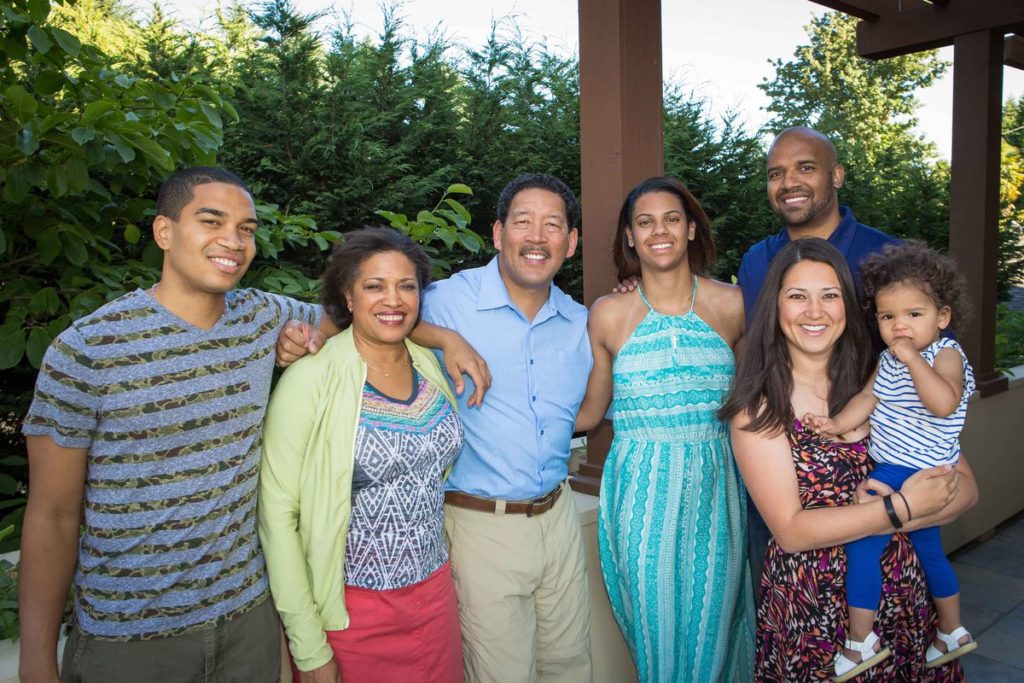
As of the current political landscape, the individual holding the esteemed position of Mayor of Seattle is Bruce Harrell. He assumed office on January 1, 2022, marking a significant chapter in the city’s leadership. Mayor Harrell’s background is rooted in public service, with a career that has spanned decades within Washington state politics. Prior to becoming mayor, he served on the Seattle City Council for many years, including a term as Council President. This extensive experience has provided him with a deep understanding of the intricacies of municipal government and the specific issues facing Seattle.
His policy platform often emphasizes public safety, economic opportunity, and addressing homelessness. These are perennial challenges for major urban centers, and Mayor Harrell’s approach aims to implement practical, data-driven solutions. His vision for Seattle includes fostering a more equitable and sustainable city, one that can attract talent and investment while ensuring that all residents benefit from its growth. Understanding his policy priorities is crucial for anyone interested in the city’s future development, from its burgeoning tech industry to its rich cultural institutions.
Key Policy Initiatives and Focus Areas
Mayor Harrell’s administration has been characterized by a focus on several key areas, reflecting the multifaceted nature of governing a city like Seattle. These initiatives often have direct or indirect impacts on tourism, local businesses, and the overall visitor experience.
Public Safety and Community Well-being
A central pillar of Mayor Harrell’s agenda has been a concerted effort to enhance public safety across Seattle’s diverse neighborhoods. This includes investments in law enforcement, but also a broader commitment to community-based programs aimed at addressing the root causes of crime and fostering trust between residents and authorities. For visitors, this translates to a more secure and welcoming environment, whether exploring the Pike Place Market or attending events at the Climate Pledge Arena.
Economic Development and Innovation
Seattle is a global leader in technology and innovation, and Mayor Harrell has championed policies designed to support and expand this economic engine. This involves fostering an environment conducive to business growth, attracting new companies, and supporting local entrepreneurs. The success of these initiatives can lead to increased job creation, which in turn can boost the city’s economy and its appeal as a destination for business travelers and conferences. The presence of major corporations like Amazon and Microsoft has already shaped Seattle’s landscape, and the mayor’s policies aim to ensure continued prosperity.
Addressing Homelessness and Affordable Housing
The issue of homelessness and the need for affordable housing are pressing concerns in Seattle, as they are in many major cities. Mayor Harrell’s administration has outlined strategies to address these complex social challenges, often involving collaborations with non-profit organizations and other governmental agencies. The effectiveness of these efforts impacts the quality of life for residents and can influence the perception of the city by visitors, affecting areas such as downtown and surrounding neighborhoods.
Responsibilities and Powers of the Mayor’s Office

The Mayor of Seattle serves as the chief executive officer of the city government, wielding considerable influence over its operations and strategic direction. The responsibilities of this office are broad and encompass a wide range of duties, from managing city departments to representing Seattle on a national and international stage. Understanding these responsibilities provides insight into how the city functions and how its leadership impacts various sectors, including tourism and hospitality.
Executive Leadership and Administration
The mayor is responsible for overseeing the day-to-day operations of the city. This includes appointing heads of various city departments, such as the Seattle Police Department, Seattle Fire Department, and the Department of Transportation. The mayor also plays a crucial role in developing and implementing the city’s budget, working closely with the Seattle City Council to allocate resources and set financial priorities. This administrative power directly influences public services that are vital for both residents and tourists, such as public transportation, parks, and sanitation.
Policy Development and Advocacy
Beyond administration, the mayor is a primary architect of policy for Seattle. They set the agenda, propose legislation to the City Council, and work to build consensus around key initiatives. This includes advocating for the city’s interests at the state and federal levels, seeking funding and support for local projects. For instance, a mayor’s push for improved public transit or infrastructure development can significantly enhance the visitor experience, making it easier to navigate the city and access attractions like the Space Needle or the Museum of Pop Culture.
Representing the City
The mayor acts as the primary spokesperson and representative for Seattle. This involves engaging with the media, participating in public events, and fostering relationships with other cities, businesses, and community groups. On a global scale, the mayor’s leadership can influence Seattle’s standing as a desirable place to visit, invest in, and live. Their vision and actions contribute to the city’s brand and its reputation, attracting events, conventions, and individual travelers alike. The mayor’s engagement with international delegations or their promotion of the city at global forums can directly benefit the tourism sector.
Seattle’s Dynamic Landscape and Mayoral Influence
Seattle is a city of striking contrasts and rapid evolution. Nestled between Puget Sound and Lake Washington, its natural beauty is matched by its urban energy. The mayor’s leadership is instrumental in shaping how this dynamic landscape is managed and how the city presents itself to the world.
Innovation Hub and Cultural Center
As a global center for innovation, particularly in the tech sector, Seattle attracts a highly skilled workforce and a constant influx of new ideas. The mayor’s office plays a role in fostering this environment, supporting educational institutions like the University of Washington and promoting research and development. This economic vitality translates into a sophisticated urban experience, with a thriving culinary scene, world-class museums, and a vibrant performing arts community. Visitors can experience this through a visit to neighborhoods like South Lake Union or by attending performances at the Seattle Symphony.
Navigating Urban Challenges
Like any major metropolis, Seattle faces complex challenges. These can range from managing urban growth and traffic congestion to ensuring environmental sustainability and social equity. The mayor’s strategies in addressing these issues are critical. For instance, policies related to green initiatives or sustainable transportation can enhance Seattle’s appeal as an eco-conscious travel destination. Efforts to improve public spaces and cultural amenities also contribute to the city’s attractiveness.

The Mayor’s Role in Tourism and Hospitality
The mayor’s office has a direct and indirect impact on the tourism and hospitality sectors. Through investments in infrastructure, public safety, and cultural attractions, the mayor helps create a welcoming environment for visitors. Promoting Seattle as a destination, whether through official city branding or through partnerships with tourism organizations like Visit Seattle, is also a key function. The mayor’s ability to foster a positive business climate can encourage the development of new hotels, restaurants, and attractions, further enhancing the visitor experience. The success of major events hosted in the city, from sporting events at Lumen Field to music festivals, often relies on the logistical and promotional support facilitated by the mayor’s office. Ultimately, the mayor’s vision for Seattle shapes its present and future, influencing its appeal to both its residents and the millions who visit each year.
LifeOutOfTheBox is a participant in the Amazon Services LLC Associates Program, an affiliate advertising program designed to provide a means for sites to earn advertising fees by advertising and linking to Amazon.com. Amazon, the Amazon logo, AmazonSupply, and the AmazonSupply logo are trademarks of Amazon.com, Inc. or its affiliates. As an Amazon Associate we earn affiliate commissions from qualifying purchases.