
The allure of New York is undeniable, drawing millions of visitors each year to its iconic skyline, vibrant streets, and world-class attractions. Whether you’re planning a whirlwind weekend getaway or an extended exploration of the Empire State, understanding the current climate is paramount to crafting the perfect itinerary. The temperature in New York is more than just a number; it dictates your wardrobe, influences your outdoor activity choices, and can even shape the overall mood of your visit. From the brisk chill of a winter morning to the balmy warmth of a summer evening, each season offers a distinct New York experience, and knowing what to expect temperature-wise is the first step to embracing it fully.

This guide delves into the nuances of New York’s climate, providing insights beyond the immediate thermometer reading. We’ll explore how the temperature impacts common tourist activities, suggest appropriate attire for different conditions, and offer tips on making the most of your visit, regardless of whether you’re chasing the autumn foliage or enjoying a sunny afternoon in Central Park. For travelers seeking to optimize their experience, a keen awareness of the prevailing weather is a crucial tool, enabling informed decisions and ensuring a comfortable and memorable journey through the heart of this dynamic metropolis.
Understanding New York’s Climate Profile
New York experiences a humid continental climate, characterized by distinct four seasons with significant temperature variations throughout the year. This means you can expect hot, humid summers and cold, often snowy winters, with transitional periods of spring and autumn that offer milder weather. The city’s location on the Atlantic coast influences its weather patterns, sometimes bringing coastal storms and moderating extreme temperatures, though inland areas can experience more pronounced fluctuations.
Seasonal Temperature Trends
Understanding the typical temperature ranges for each season is vital for packing and planning.
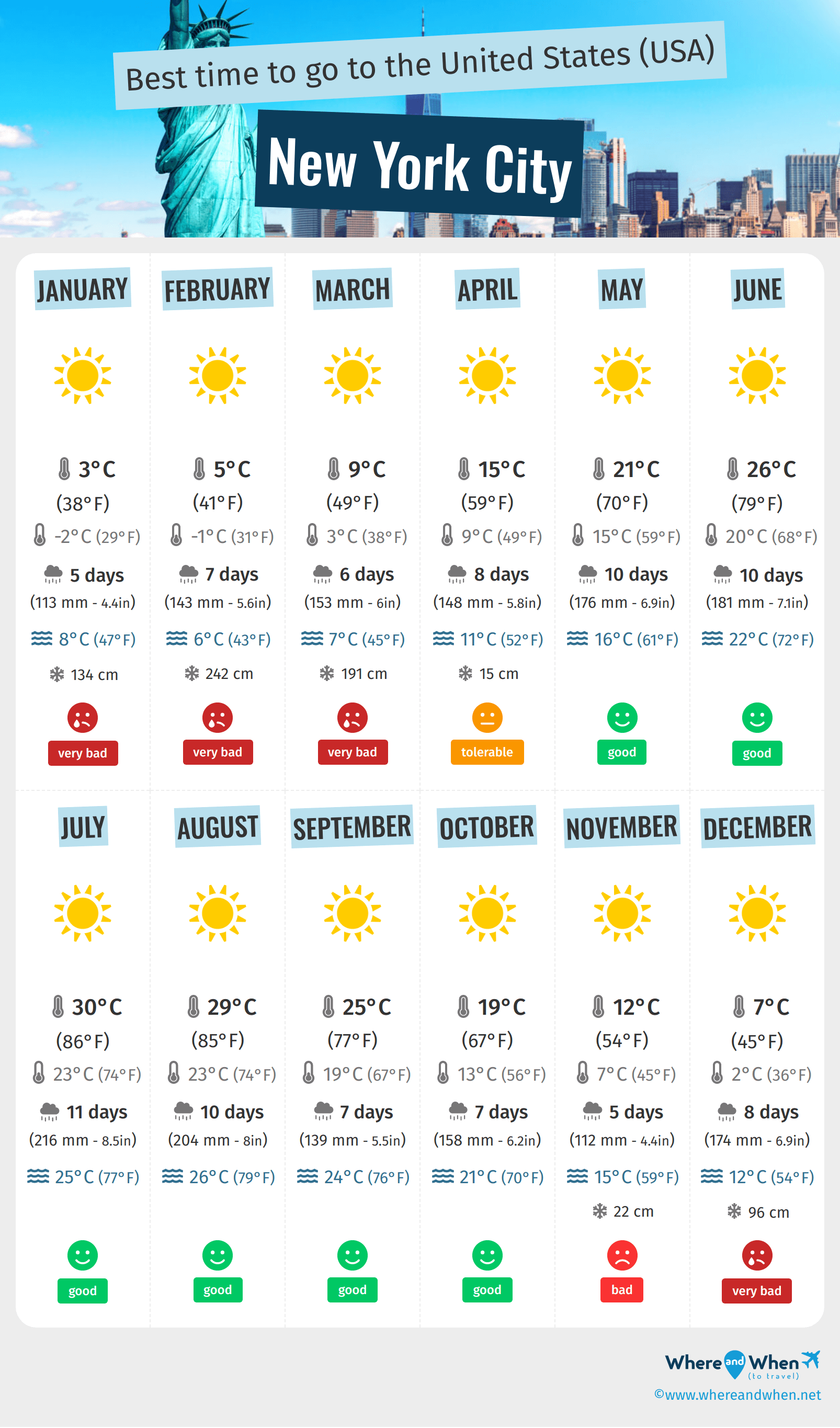
- Summer (June – August): Summers in New York are generally hot and humid. Average daytime temperatures often range from the high 70s to the mid-80s Fahrenheit (25-30°C), with heatwaves pushing temperatures into the 90s (30-35°C) and beyond. Humidity can make these temperatures feel even more intense. Evenings offer some respite, typically cooling down to the 60s or low 70s Fahrenheit (16-22°C). This is a prime time for outdoor activities, though it’s wise to stay hydrated and seek air-conditioned breaks.
- Autumn (September – November): Autumn is often considered one of the most beautiful times to visit New York. September can still feel summery, but temperatures gradually cool down. October typically sees pleasant, crisp weather with average highs in the mid-60s Fahrenheit (18-20°C) and lows in the 40s Fahrenheit (4-10°C). November brings a noticeable chill, with average highs dropping into the 50s Fahrenheit (10-15°C) and nighttime temperatures often falling below freezing. This season is perfect for exploring landmarks, enjoying fall foliage in parks like Prospect Park, and experiencing the city’s cultural events without the intense heat of summer.
- Winter (December – February): Winters are cold, with average temperatures often hovering around the freezing mark. Daytime highs typically range from the low 30s to the mid-40s Fahrenheit (0-7°C), while nighttime temperatures frequently dip below 20°F (-7°C). Snowfall is common, transforming the city into a picturesque winter wonderland, though it can also lead to travel disruptions. It’s essential to pack warm layers, including coats, hats, gloves, and waterproof footwear, if you plan to visit during this time. Outdoor activities might be limited by the cold, but museums, Broadway shows, and holiday decorations offer plenty to enjoy.
- Spring (March – May): Spring in New York is a period of transition and renewal. March can still be quite cold, with temperatures gradually warming throughout April and May. Average highs in May can reach the 70s Fahrenheit (21-25°C), while early spring months might see temperatures in the 40s and 50s Fahrenheit (4-15°C). Expect a mix of sunny days, rain showers, and cooler evenings. This season is ideal for walking tours, exploring outdoor markets, and enjoying the blooming flowers in gardens like the Brooklyn Botanic Garden.
Microclimates within the City
It’s worth noting that New York City itself can experience microclimates. For instance, areas near the water, such as Coney Island, may feel cooler due to sea breezes, while inland neighborhoods, especially those with more concrete and less greenery, can sometimes feel warmer due to the urban heat island effect. Parks and waterfront areas often offer a slight temperature difference compared to densely built-up commercial districts.
Impact of Temperature on Travel Experiences
The prevailing temperature significantly shapes how you experience New York. Planning your activities around the current weather can maximize your enjoyment and comfort.
Outdoor Activities and Attractions
- Summer: Hot and humid weather is perfect for activities like walking across the Brooklyn Bridge in the early morning or late evening, enjoying a ferry ride to the Statue of Liberty, or picnicking in Governors Island. However, prolonged exposure to midday sun might make it uncomfortable to explore sprawling outdoor attractions like the Bronx Zoo. Taking advantage of indoor, air-conditioned spaces during the hottest parts of the day is a wise strategy.
- Autumn: The crisp autumn air is ideal for extensive walking tours of neighborhoods like Greenwich Village or the Upper West Side. It’s also a fantastic time to visit outdoor markets like Union Square Greenmarket and enjoy the fall colors in places like the High Line.
- Winter: While outdoor exploration can be limited, the snowy landscape can be magical for a stroll through Central Park or ice skating at the Wollman Rink. Many visitors opt for indoor attractions like museums such as the Metropolitan Museum of Art or the American Museum of Natural History, or catching a world-renowned Broadway show in the Theater District.
- Spring: Spring weather is conducive to exploring the city on foot. Consider walking through blooming gardens, enjoying outdoor cafes, and taking boat tours around Manhattan. As the weather warms, more outdoor festivals and events begin to pop up, making it a lively time to explore.
Dining and Nightlife

Temperature also influences the dining and nightlife scene. In warmer months, outdoor dining on rooftop bars or sidewalk cafes becomes popular, offering fantastic views of the city, such as those found in Times Square. During colder months, the focus shifts to cozy indoor restaurants, speakeasies, and bars where you can escape the chill. The ambiance changes dramatically, from al fresco summer evenings to intimate, candlelit winter gatherings.
Packing for the New York Climate
Appropriate packing is crucial for a comfortable and enjoyable trip to New York. Layering is key, allowing you to adjust your clothing as temperatures fluctuate throughout the day or as you move between indoor and outdoor environments.
Essential Wardrobe Considerations
- Summer: Lightweight, breathable fabrics like cotton and linen are essential. Pack shorts, t-shirts, sundresses, and comfortable walking shoes. A wide-brimmed hat and sunglasses are a must for sun protection. Don’t forget a light jacket or cardigan for cooler evenings or air-conditioned spaces.
- Autumn: Layers are your best friend. Pack long-sleeved shirts, sweaters, jeans, and comfortable trousers. A medium-weight jacket or a waterproof coat is advisable, especially for late autumn. Scarves and comfortable, closed-toe shoes are highly recommended.
- Winter: Warmth is paramount. Invest in a heavy, insulated coat, thermal base layers, sweaters, fleece, waterproof pants, and warm socks. Waterproof and insulated boots are essential for navigating snowy or icy streets. Don’t forget a warm hat, gloves, and a scarf.
- Spring: Spring weather can be unpredictable. Pack a mix of lighter and warmer clothing. Layers are crucial, including t-shirts, long-sleeved shirts, sweaters, and a medium-weight, ideally waterproof, jacket. Comfortable walking shoes are essential. Be prepared for both sunny days and rain showers.
Footwear Choices
Comfortable walking shoes are non-negotiable for exploring New York, regardless of the season. You’ll be doing a lot of walking, so prioritize support and cushioning. For winter, waterproof and insulated boots are a necessity. In summer, breathable sneakers or comfortable sandals are appropriate.
Adapting to Unexpected Weather
Even with careful planning, New York weather can be unpredictable. It’s always a good idea to check the forecast regularly before and during your trip. Consider packing a compact umbrella and a small, packable raincoat that can be easily stowed in your day bag. If you find yourself underdressed for a sudden cold snap or overheat on a warm day, New York has numerous stores where you can easily purchase suitable clothing items.
Real-Time Temperature Monitoring and Planning Tools
Staying updated on the current temperature is easier than ever, allowing for last-minute adjustments to your plans.
Reliable Weather Resources
Numerous online resources and mobile applications provide real-time weather updates for New York. Websites like the National Weather Service, AccuWeather, and The Weather Channel offer detailed forecasts, including hourly temperatures, precipitation chances, and wind speed. Many smartphone weather apps are pre-installed or can be downloaded, offering convenient access to this information on the go.
How to Use Temperature Data for Planning
- Morning Check: Start your day by checking the current temperature and the forecast for the day. This will help you decide on your attire and prioritize outdoor versus indoor activities.
- Activity Adjustment: If the temperature is unexpectedly high, consider swapping a planned outdoor walking tour for a museum visit or a matinee show. Conversely, a surprisingly mild winter day might be perfect for a brisk walk through Battery Park.
- Evening Plans: Temperatures can drop significantly after sunset, especially in spring, autumn, and winter. Always check the evening forecast before heading out for dinner or a nightcap, ensuring you have appropriate outerwear.
- Packing Refinement: If you notice a trend of cooler or warmer weather than initially anticipated, you can always make minor adjustments to your packing if your trip is longer.
By paying attention to the temperature, both the immediate reading and the broader seasonal trends, you can unlock the full potential of your New York adventure, ensuring comfort, preparedness, and unforgettable experiences across all its diverse offerings.
LifeOutOfTheBox is a participant in the Amazon Services LLC Associates Program, an affiliate advertising program designed to provide a means for sites to earn advertising fees by advertising and linking to Amazon.com. Amazon, the Amazon logo, AmazonSupply, and the AmazonSupply logo are trademarks of Amazon.com, Inc. or its affiliates. As an Amazon Associate we earn affiliate commissions from qualifying purchases.