
A float spa, often referred to as a sensory deprivation tank or isolation tank, offers a unique and deeply restorative experience that has gained significant traction within the wellness and luxury travel sectors. At its core, a float spa is a facility designed to provide an environment of profound sensory reduction, allowing individuals to enter a state of deep relaxation and introspection. This is achieved through specialized floatation pods or cabins filled with highly concentrated Epsom salt water, heated to skin temperature. The result is an experience that blurs the lines between the physical self and the surrounding environment, fostering a powerful sense of peace and rejuvenation.

The Science and Philosophy Behind Flotation Therapy
The concept of sensory deprivation, and by extension floatation therapy, dates back to the 1950s with neuroscientist Dr. John C. Lilly. His pioneering work explored the effects of removing external stimuli on the human mind and body. Lilly theorized that by significantly reducing sight, sound, and touch, the brain could enter a state of rest previously unattainable, leading to enhanced creativity, problem-solving abilities, and a profound sense of well-being.
Understanding the Floatation Pod
The centerpiece of any float spa is the floatation pod or cabin. These are meticulously designed to create an environment of absolute tranquility.
Design and Construction
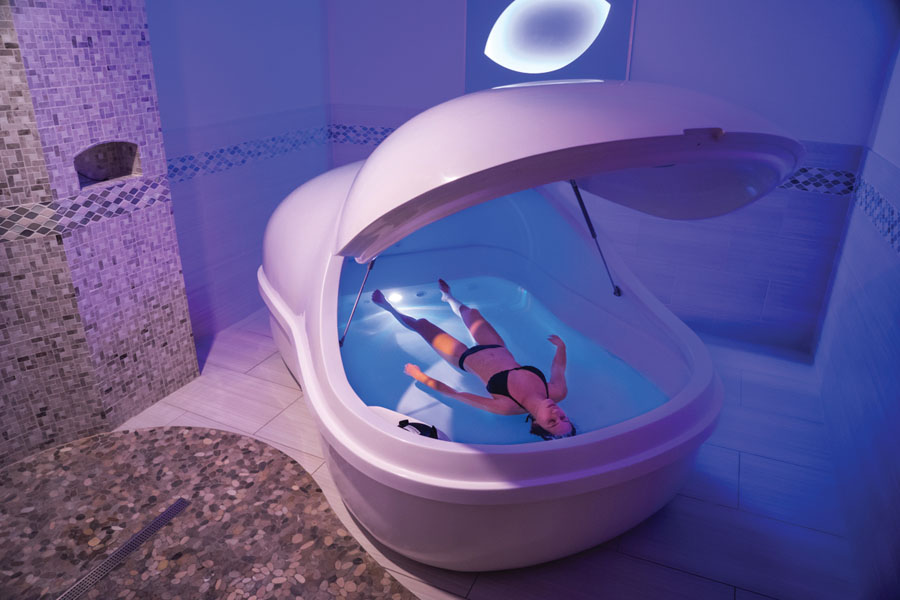
Floatation tanks are typically enclosed, light-proof, and sound-proof units. Their interiors are spacious enough to allow an individual to lie down comfortably, either in a reclined or fully supine position. The exterior designs vary, from sleek, modern pods that resemble futuristic capsules to more minimalist, cabin-like structures. Regardless of aesthetic, the primary function remains the same: to isolate the occupant from the external world.
The Water and Salt Concentration
The water within the float tank is the key to its unique sensation. It is a carefully controlled solution, primarily composed of water and a substantial amount of Epsom salts (magnesium sulfate). The concentration of Epsom salt is incredibly high, typically around 1,000 pounds per 150-200 gallons of water. This saturation level creates a density so great that buoyancy is no longer a passive force; instead, it actively lifts the body, making it feel as though one is effortlessly floating on the surface. This weightlessness is a fundamental aspect of the float experience, relieving all pressure points and allowing the muscles and joints to completely relax.
Temperature Control
Maintaining the water temperature at precisely 93.5 degrees Fahrenheit (34.2 degrees Celsius) is crucial. This temperature is the average human skin temperature. When the water and the air within the pod are at this precise temperature, the distinction between the body and the surrounding environment becomes indistinguishable. The sensation of “feeling” the water or the air dissipates, further enhancing the sensory deprivation effect. This absence of thermal sensation contributes to the feeling of disembodiment and deep relaxation.
The Physiological and Psychological Benefits
The experience of floating is not merely a passive escape; it actively engages the body’s natural healing and restorative processes.
Stress Reduction and Cortisol Levels
One of the most widely reported benefits of floatation therapy is its profound impact on stress reduction. The deep relaxation induced by floating helps to lower cortisol levels, the body’s primary stress hormone. Chronic high cortisol levels are linked to numerous health issues, including anxiety, depression, weight gain, and impaired immune function. By reducing cortisol, floatation therapy can contribute to a greater sense of calm and emotional equilibrium.
Muscle Relaxation and Pain Relief
The buoyancy provided by the Epsom salt solution eliminates the effects of gravity on the body. This allows muscles to release tension and alleviate aches and pains. For individuals suffering from chronic pain conditions, such as fibromyalgia, arthritis, or back pain, the weightless environment can offer significant relief. Athletes and fitness enthusiasts also utilize float spas for post-workout recovery, as the reduced pressure on joints and muscles aids in faster healing and reduced inflammation.
Enhanced Sleep Quality
The deep state of relaxation achieved during a float session can have a lasting impact on sleep patterns. Many individuals report improved sleep quality and reduced insomnia after incorporating regular float sessions into their wellness routine. The reduction in stress and anxiety, combined with the physical release of tension, creates an optimal state for restorative sleep.
Boosted Creativity and Cognitive Function
Dr. Lilly’s initial theories about sensory deprivation and cognitive enhancement have been supported by anecdotal evidence and some research. By reducing the brain’s reliance on processing external stimuli, the mind is free to wander, explore new ideas, and engage in more profound creative thought processes. Some users report experiencing heightened creativity, clearer thinking, and improved problem-solving abilities after floating.
Improved Mindfulness and Self-Awareness
The absence of external distractions creates a unique opportunity for introspection and mindfulness. Without the usual barrage of sights, sounds, and social interactions, individuals can become more attuned to their own thoughts, feelings, and bodily sensations. This heightened self-awareness can lead to a greater understanding of oneself and a more grounded perspective on life’s challenges.
The Float Spa Experience: What to Expect
Visiting a float spa is a journey into personal tranquility, and understanding the process can help maximize the benefits of the experience.
Pre-Float Preparation
Most float spas will provide clear instructions on preparation. Generally, it’s advisable to avoid caffeine and heavy meals a few hours before your session. Some facilities may recommend showering before entering the tank to ensure a clean environment. Most importantly, arrive with an open mind and a willingness to surrender to the experience.
The Float Session
Upon entering the private float room, you will find the floatation pod, a shower, and amenities like earplugs and towels. After showering, you will enter the pod, which is typically large enough to stand up in before you lie down. The lid can be closed from the inside, and the lights can be turned off completely, plunging the interior into darkness. You will then recline back, and the water will instantly lift you. The sensation is unlike anything most people have experienced before – a feeling of complete weightlessness and profound stillness.
During the Float
The duration of a typical float session is 60 to 90 minutes. During this time, your mind is free to wander. Some individuals may fall asleep, while others may engage in deep meditation or simply enjoy the sensation of floating. The lack of external stimuli can sometimes lead to initial feelings of disorientation or even a brief sense of restlessness as the mind adjusts. However, most users find that after a short period, a deep sense of calm washes over them.
Post-Float Relaxation
After your session concludes, the pod lights will gradually illuminate, signaling the end of your float. You will exit the pod and are usually given time to shower again to rinse off the Epsom salts. Many float spas offer a relaxation lounge where you can unwind with a glass of water or herbal tea. It is recommended to take this time to gently re-acclimate to the external world, savoring the feeling of calm and well-being. The effects of a float session can linger for hours or even days, making it a valuable addition to a wellness regimen.
Float Spas as a Luxury Travel Experience
In the realm of luxury travel and wellness tourism, float spas have emerged as sought-after destinations and amenities. Beyond their therapeutic benefits, they offer a unique form of experiential travel that caters to the modern traveler seeking rejuvenation and self-discovery.
Integration into Wellness Retreats and Resorts
Many high-end resorts and wellness centers, particularly in destinations known for their focus on health and relaxation like Bali or Thailand, now feature dedicated floatation therapy facilities. These often form a core component of curated wellness programs, complementing activities such as yoga, meditation, and healthy cuisine. For instance, a stay at a place like the Six Senses Hotels Resorts Spas might include floatation as part of its comprehensive wellness offerings.
Standalone Float Centers as Destinations
Increasingly, specialized float centers are becoming destinations in their own right. Travelers might plan trips specifically to experience renowned float facilities in cities like Los Angeles, New York City, or even in more tranquil locales. These centers often pride themselves on creating an immersive spa environment, providing a holistic experience that extends beyond the float itself, including tranquil waiting areas, specialized teas, and professional staff dedicated to guest well-being.

Enhancing the Travel Experience
For the discerning traveler, a float spa experience offers a respite from the usual sightseeing and bustling city tours. It provides an opportunity to disconnect from the demands of everyday life and reconnect with oneself. This internal journey can deepen the appreciation of the external travel experience, leaving individuals feeling refreshed, revitalized, and more present in their explorations. Whether seeking relief from jet lag, recovering from a strenuous hike in the Rocky Mountains, or simply desiring a moment of profound peace, floatation therapy offers a unique and enriching dimension to travel. It aligns perfectly with the growing trend of “slow travel” and the pursuit of authentic, restorative experiences. Many luxury hotels, such as the Aman Resorts, are beginning to incorporate such unique wellness amenities to cater to this evolving traveler preference.
LifeOutOfTheBox is a participant in the Amazon Services LLC Associates Program, an affiliate advertising program designed to provide a means for sites to earn advertising fees by advertising and linking to Amazon.com. Amazon, the Amazon logo, AmazonSupply, and the AmazonSupply logo are trademarks of Amazon.com, Inc. or its affiliates. As an Amazon Associate we earn affiliate commissions from qualifying purchases.