
Chicago, a city renowned for its architectural marvels, vibrant arts scene, and diverse culinary landscape, also boasts a rich tapestry of ethnic enclaves that contribute significantly to its unique cultural identity. Among these, the concept of a “Little Italy” often evokes images of bustling streets lined with authentic trattorias, artisanal shops, and a palpable sense of community. However, when it comes to Chicago, pinpointing a single, definitive “Little Italy” requires a nuanced understanding of the city’s historical development and the shifting demographics of its neighborhoods.
The notion of an organized, geographically concentrated “Little Italy” as famously depicted in some other American cities, like those in New York City or Philadelphia, doesn’t precisely translate to Chicago in the 21st century. While Italian immigrants and their descendants have profoundly shaped Chicago’s cultural and economic fabric, their presence is more dispersed across several historically significant areas rather than consolidated into one singular district. This article delves into the historical Italian-American enclaves of Chicago and explores the contemporary neighborhoods that still carry the legacy and flavor of Italian heritage, offering a comprehensive guide for those seeking to experience the essence of “Little Italy” in the Windy City.
The Historical Roots of Italian Chicago
The story of Italians in Chicago is one of migration, hard work, and the establishment of vibrant communities that, while evolving over time, have left an indelible mark on the city. Early Italian immigrants, primarily from Southern Italy, began arriving in Chicago in significant numbers in the late 19th and early 20th centuries, seeking economic opportunities and escaping hardship in their homeland. They gravitated towards areas where they could find work, often in the burgeoning industrial sectors, and establish familiar social networks.
Old Town and its Italian Legacy
One of the most historically significant areas associated with Italian immigrants was the neighborhood then known as Old Town. While today the term “Old Town” might conjure images of a more gentrified and diverse area, it was once a hub for many European immigrant groups, including a substantial Italian population. These immigrants established businesses, churches, and social clubs that fostered a strong sense of identity. The area around the intersection of Clark Street and North Avenue was particularly prominent, witnessing the growth of Italian-owned bakeries, butcher shops, and grocery stores. The Holy Name Cathedral also served as a spiritual anchor for many Italian families. The close-knit nature of these early communities was crucial for mutual support, cultural preservation, and the eventual integration into the broader fabric of Chicago.
The Near West Side and its Italian Influence
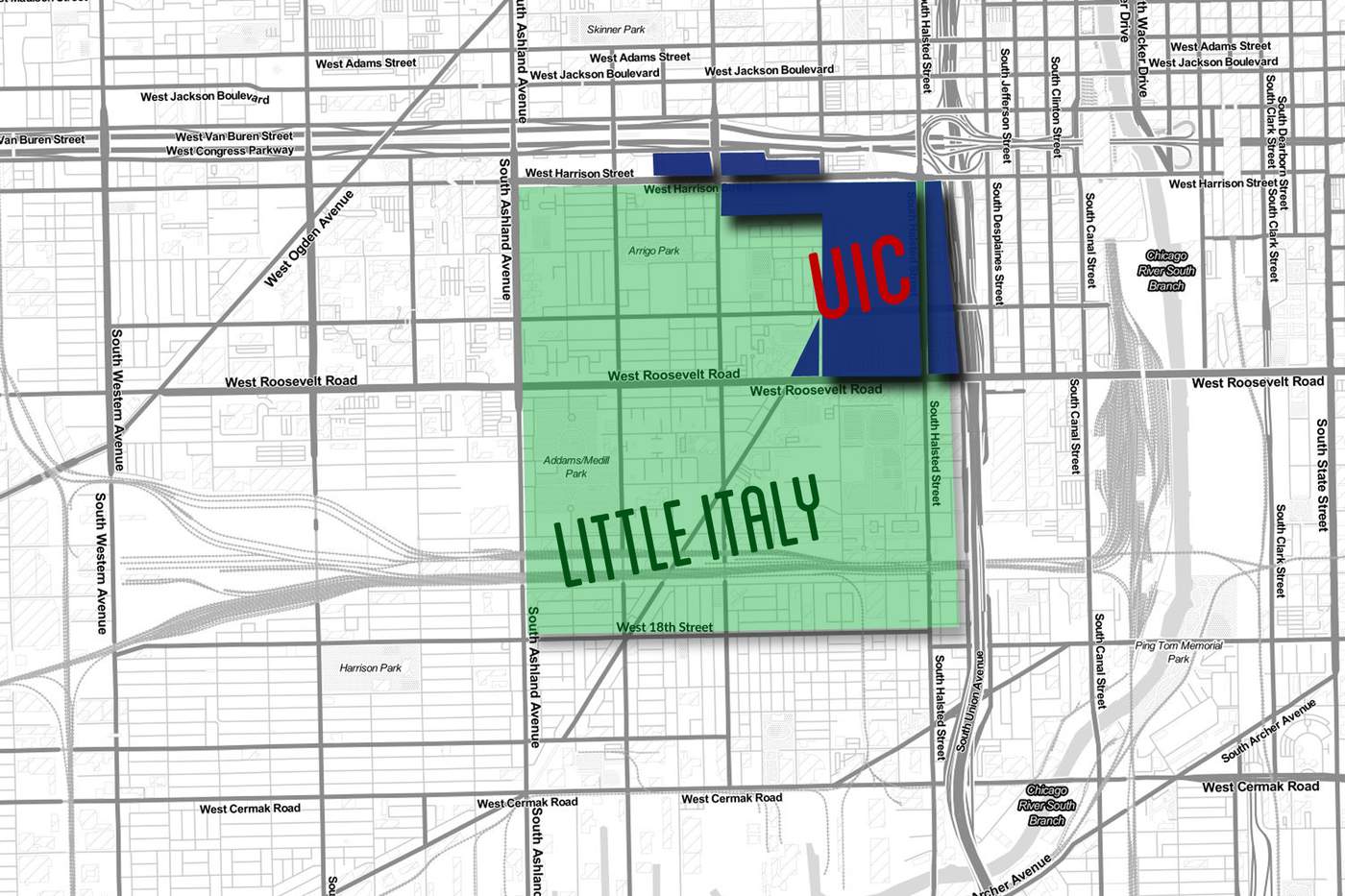
Another crucial area for the Italian-American experience in Chicago was the Near West Side. This neighborhood became a primary destination for many Italian immigrants, particularly those from provinces like Sicily and Campania. They found employment in industries such as construction, manufacturing, and the stockyards. Over time, the Near West Side developed a distinct Italian character, with streets bustling with Italian speech, the aromas of Italian cooking wafting from homes and restaurants, and numerous Italian social organizations taking root. Landmarks like the Italian American Museum of Chicago are located in this area, serving as a testament to the enduring Italian presence and its significant contributions to the city’s history and culture. The vibrant street life, the establishment of Italian parish churches like St. Philip Neri, and the proliferation of Italian-owned businesses painted a vivid picture of a thriving ethnic enclave.
The Evolving Landscape
As generations passed and economic conditions changed, many Italian families moved from these initial enclaves to other parts of the city and its surrounding suburbs. This outward migration is a natural process for many immigrant communities as they achieve greater economic stability and seek different living environments. Consequently, the densely concentrated ethnic character of these historical neighborhoods has naturally diffused. However, the legacy remains, woven into the very fabric of these areas and preserved through community institutions, family histories, and the enduring appeal of Italian cuisine and culture.
Contemporary Echoes of Little Italy
While a single, clearly demarcated “Little Italy” might be a thing of the past, the spirit and influence of Chicago’s Italian-American community are far from diminished. Several neighborhoods today still offer a taste of Italian culture, cuisine, and community, allowing visitors and residents alike to experience this rich heritage.
Taylor Street: The Heart of Italian-American Chicago
The Taylor Street corridor on the Near West Side is perhaps the most commonly cited contemporary heart of Chicago’s Italian-American heritage. While not the exclusively Italian neighborhood it once was, Taylor Street and its surrounding blocks retain a strong connection to the area’s Italian roots. This is where many of the original Italian families settled, and their descendants and a new wave of Italian-inspired businesses continue to thrive.

Culinary Delights
Taylor Street is renowned for its exceptional Italian restaurants, ranging from traditional red-sauce joints that have been family-owned for generations to more contemporary establishments. Patrons can find classic dishes like lasagna, spaghetti and meatballs, and osso buco, often prepared with recipes passed down through families. The street is also home to excellent bakeries offering fresh-baked bread, cannoli, and other Italian pastries. Exploring these eateries offers a genuine culinary journey into the heart of Italian-American comfort food.
Cultural Landmarks and Events
Beyond the dining scene, the Taylor Street area is home to institutions that preserve and celebrate Italian-American culture. The National Italian American Sports Hall of Fame celebrates the achievements of Italian-Americans in sports, and the Italian American Museum of Chicago, as mentioned earlier, provides a comprehensive look at the community’s history and contributions. During certain times of the year, the neighborhood might host festivals or events that showcase Italian traditions, music, and food, bringing the community together and offering a vibrant cultural experience to the wider public.
Other Neighborhoods with Italian Connections
While Taylor Street remains the most prominent, other Chicago neighborhoods have historical or contemporary Italian connections:
- Pilsen: Although primarily known for its strong Mexican-American heritage, Pilsen historically had a significant Italian population. Some of the older buildings and family businesses in the area bear witness to this period.
- West Loop: Adjacent to the Near West Side, the West Loop has undergone significant transformation, becoming a trendy culinary and residential district. While its Italian character is less overt, many of the chefs and restaurateurs operating in the area are inspired by Italian culinary traditions, and some long-standing Italian businesses continue to operate or have been incorporated into the new landscape.
- Suburban Enclaves: Beyond the city limits, many Chicago suburbs have significant Italian-American populations, with their own local restaurants, community centers, and cultural events that continue the legacy of Italian heritage.
Experiencing Italian Culture in Chicago
For visitors and locals alike, experiencing the essence of Chicago’s “Little Italy” is less about finding a singular geographic point and more about immersing oneself in the rich culinary traditions, historical landmarks, and community spirit that Italians have cultivated throughout the city.
A Gastronomic Journey
The most accessible way to connect with Chicago’s Italian heritage is through its food. Whether you are exploring the iconic restaurants along Taylor Street, seeking out family-owned pizzerias in various neighborhoods, or discovering artisanal Italian delis, the culinary scene offers a direct link to the traditions of Italian immigrants. Don’t hesitate to ask restaurant owners about their family history or the origins of their recipes; many are proud to share their heritage. Sample a variety of dishes, from classic pasta creations to regional specialties, and don’t forget to indulge in the sweet treats that define Italian bakeries.
Exploring Historical Sites
To gain a deeper understanding of the Italian-American experience, visiting key historical sites is essential. The Italian American Museum of Chicago on the Near West Side offers an unparalleled opportunity to learn about the journey of Italians in Chicago, their struggles, achievements, and their impact on the city. The National Italian American Sports Hall of Fame provides insights into the significant contributions of Italian-Americans to the world of sports. Walking through neighborhoods like the Near West Side can also offer a glimpse into the past, with older architectural styles and businesses that hint at the area’s historical Italian roots.
Engaging with the Community
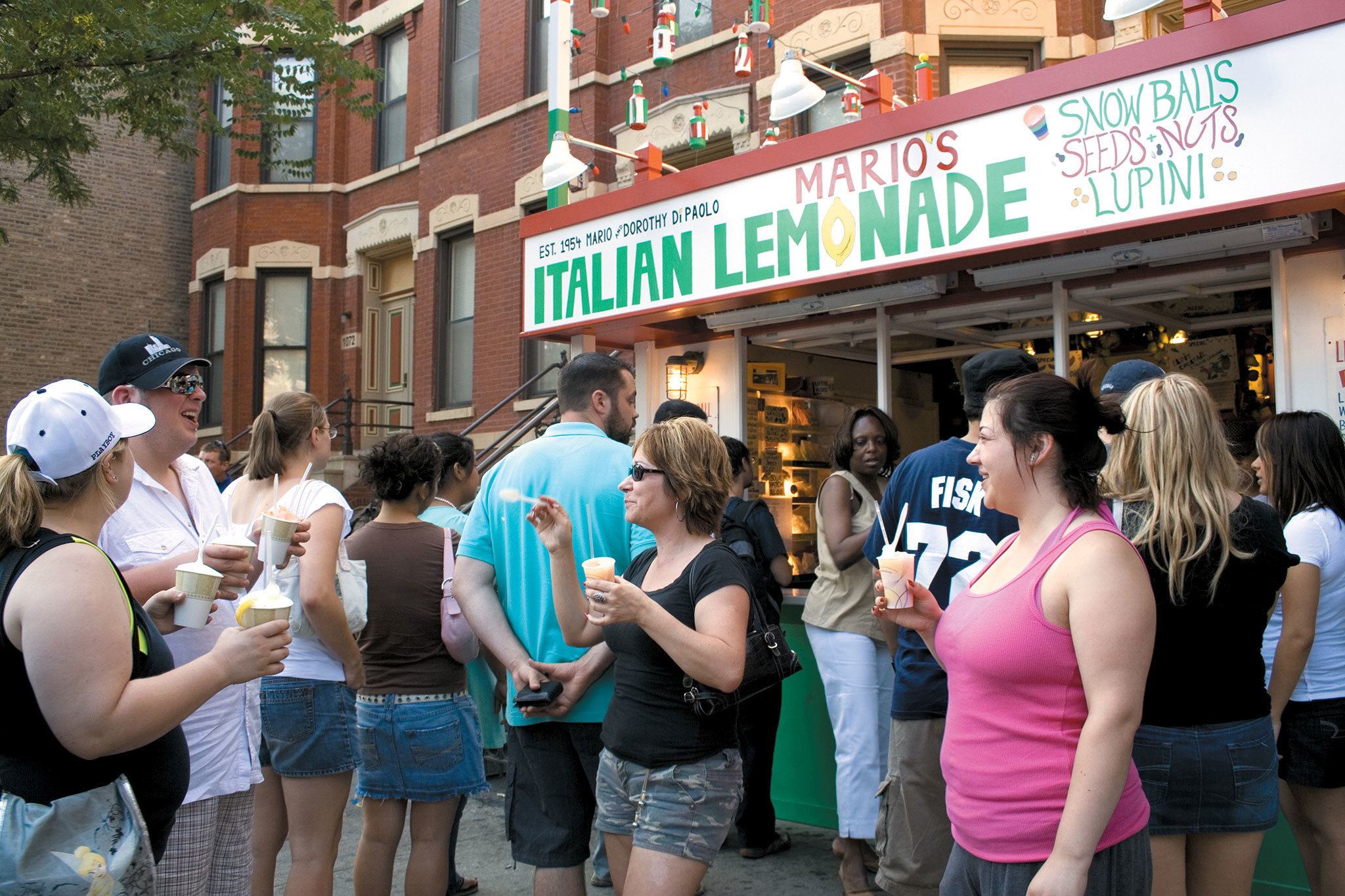
While not always publicized as specific “Little Italy” events, there are often opportunities to engage with the Italian-American community. Keep an eye out for local festivals, cultural celebrations, or events hosted by Italian-American organizations. These gatherings are often vibrant affairs featuring traditional music, dance, food, and a strong sense of community pride. Supporting Italian-owned businesses, whether they are restaurants, shops, or service providers, also contributes to the ongoing vitality of the Italian-American presence in Chicago.
Chicago’s “Little Italy” is not a single street or a rigidly defined district, but rather a vibrant legacy that continues to thrive through its culinary institutions, historical landmarks, and the enduring spirit of its Italian-American community. By exploring these avenues, one can truly appreciate the profound and lasting influence of Italians on the diverse and dynamic city of Chicago.
LifeOutOfTheBox is a participant in the Amazon Services LLC Associates Program, an affiliate advertising program designed to provide a means for sites to earn advertising fees by advertising and linking to Amazon.com. Amazon, the Amazon logo, AmazonSupply, and the AmazonSupply logo are trademarks of Amazon.com, Inc. or its affiliates. As an Amazon Associate we earn affiliate commissions from qualifying purchases.