
The Elusive Origins and Global Evolution of the Spa
The word “spa” conjures images of tranquility, rejuvenation, and an escape from the everyday. But where did this ubiquitous concept originate? The term itself boasts a rich history, deeply intertwined with the human desire for healing and well-being. While the modern spa is a multifaceted entity, its roots can be traced back to ancient practices and geographical locations that harnessed the therapeutic power of water. Understanding these origins is key to appreciating the diverse forms a spa can take today, from rustic hot springs to opulent urban retreats.
Ancient Roots: Bathing and Healing
The practice of therapeutic bathing is as old as civilization itself. Ancient cultures across the globe recognized the restorative properties of natural water sources, particularly those with mineral content.
The Roman Legacy
Perhaps the most direct ancestor of the modern spa can be found in the grand public baths of the Roman Empire. These were not mere places for hygiene; they were sophisticated social and wellness centers. The Romans, renowned for their engineering prowess, built elaborate complexes that featured pools of varying temperatures, steam rooms, and areas for massage and exercise.
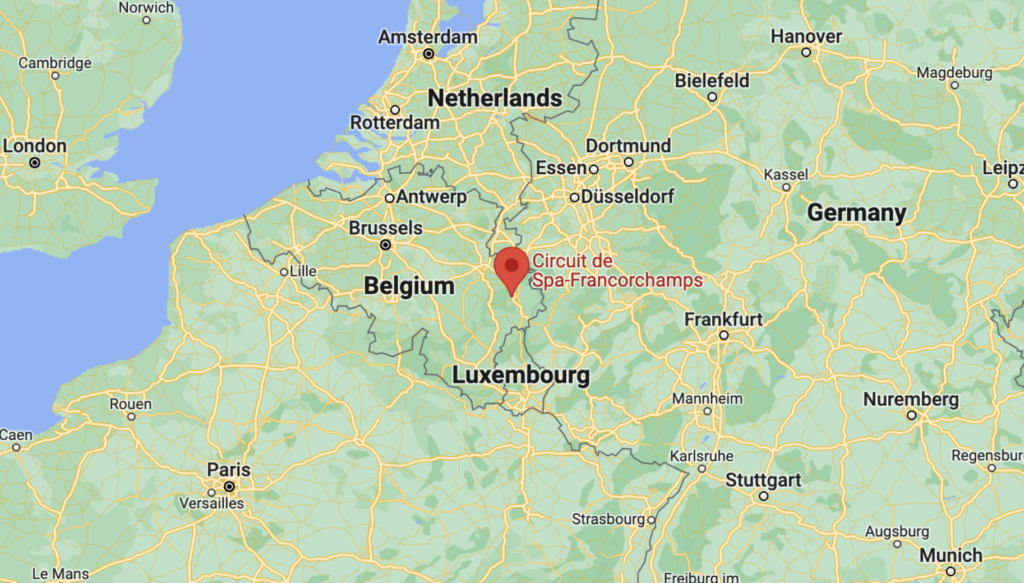
The town of Spa in Belgium, from which the term “spa” is widely believed to have derived, played a significant role in popularizing this concept. By the 14th century, visitors flocked to Spa to “take the waters,” believing in their curative powers for a range of ailments. This designation as a health resort cemented the town’s name as a generic term for such establishments.
Beyond Rome
It’s important to note that the appreciation for therapeutic waters was not exclusive to the Romans. Cultures in ancient Greece, Egypt, and even in Asia developed their own traditions of hydrotherapy. The Japanese onsen, natural hot springs utilized for their healing properties, are a prime example of this enduring connection to geothermal waters. Similarly, indigenous cultures worldwide have long understood and utilized the medicinal benefits of mineral-rich springs and natural bodies of water.
The Rise of the European Spa Town
Following the Roman era, the popularity of spa towns experienced a resurgence, particularly in Europe, from the Renaissance period onwards. Aristocracy and the wealthy elite sought out these destinations not only for health reasons but also as fashionable social gathering places.
Iconic European Destinations
Bath in England, with its ancient Roman Baths, became a significant spa town in the 18th century. Similarly, towns like Karlovy Vary in the Czech Republic and Baden-Baden in Germany attracted European royalty and intelligentsia for their mineral springs and elegant resorts. These towns developed infrastructure to cater to visitors, including grand hotels, promenades, and entertainment venues, shaping the template for future wellness destinations.
The “Cure” Culture
The concept of a “cure” at a spa became a significant part of the European social calendar. Visitors would spend weeks, sometimes months, adhering to strict regimens of drinking specific mineral waters, bathing, and engaging in light exercise. This period was seen as a time for both physical and mental recuperation, often accompanied by a vibrant social scene.
The Modern Spa: Diversification and Global Reach
The 20th and 21st centuries have witnessed an explosive evolution and globalization of the spa concept. No longer confined to natural springs or European towns, spas have become accessible in myriad forms and locations, adapting to diverse cultural preferences and market demands.
From Sanatorium to Sanctuary
The early 20th century saw the transition from the more medically-oriented sanatoriums and hydrotherapy clinics to the concept of the “health resort.” As medical science advanced, the focus shifted from solely treating illness to promoting overall wellness and preventative health.
The Rise of the Resort Spa
The development of luxury resorts in the mid-20th century saw the integration of spa facilities as a key amenity. These spas offered a broader range of treatments, including massage, facials, and body therapies, alongside traditional hydrotherapy. Destinations like Canyon Ranch and Miraval Resorts & Spas pioneered the all-inclusive wellness resort model, emphasizing holistic health and lifestyle transformation.
Day Spas and Urban Oases
The latter half of the 20th century saw the proliferation of day spas, making spa experiences more accessible to a wider population. These urban oases offer a convenient escape for individuals seeking short-term relaxation and pampering without the need for an extended stay. They often focus on a curated selection of treatments, from therapeutic massages to advanced skincare.
Global Spa Trends and Innovations
Today, the spa industry is a dynamic global market, characterized by constant innovation and a blending of traditions.
Wellness Tourism

The concept of wellness tourism has boomed, with travelers actively seeking destinations and experiences that promote physical, mental, and spiritual well-being. This has led to the emergence of specialized spas focusing on specific modalities such as yoga retreats, meditation centers, and detox programs.
Cultural Fusion
Modern spas often draw inspiration from traditional healing practices from around the world. This fusion can be seen in treatments that incorporate Ayurveda from India, Thai massage, Chinese traditional medicine, and indigenous healing rituals. This cross-cultural exchange enriches the spa experience, offering clients a diverse palette of wellness options.
Technological Integration
While rooted in ancient practices, the contemporary spa also embraces technology. From advanced skincare equipment and biofeedback devices to personalized wellness apps and virtual reality relaxation experiences, technology is increasingly being integrated to enhance the effectiveness and personalization of spa treatments.
Identifying Your Ideal Spa: A World of Choices
Given the vast diversity of the modern spa landscape, finding the “right” spa can feel like a quest. The initial question, “Where is spa?” has evolved from a geographical inquiry to a more philosophical one: “What kind of spa experience am I seeking?”
Types of Spas and Their Offerings
Understanding the different categories of spas available can help guide your selection.
Resort & Hotel Spas
Often found within luxury hotels and resorts, these spas offer a comprehensive range of amenities and treatments. They are ideal for travelers seeking to integrate wellness into their vacation. Expect high-end facilities, professional staff, and a serene atmosphere designed to complement the overall resort experience. Examples include the spas at The Ritz-Carlton, Four Seasons, and many other globally recognized hospitality brands.
Day Spas
These are standalone facilities that provide a focused spa experience without overnight accommodation. They are perfect for a few hours of pampering or a half-day escape. Day spas typically offer a wide array of massages, facials, body treatments, and nail services. They are generally more accessible in terms of pricing and location, making them a convenient option for regular self-care.
Medical Spas (Medi-Spas)
Medi-spas bridge the gap between traditional spas and cosmetic surgery clinics. They offer a combination of relaxation treatments and advanced aesthetic procedures performed by licensed medical professionals, such as dermatologists or nurses. Treatments can include injectables, laser therapies, chemical peels, alongside massages and facials.
Destination Spas
These are dedicated wellness resorts where the primary purpose of the stay is the spa and wellness program. Destination spas often offer intensive programs focused on weight loss, fitness, detox, or specific health conditions. They provide an immersive experience designed for significant lifestyle change and rejuvenation. Miraval Resorts & Spas and Golden Door are well-known examples.
Mineral Springs & Hot Springs
These are the most traditional forms of spas, utilizing naturally occurring geothermal or mineral-rich waters. While often rustic, they offer a direct connection to the earth’s healing energies. Many historic spa towns still operate, offering the original “taking the waters” experience. Places like Baden-Baden or hot springs in Iceland provide this unique form of therapy.
Crafting Your Personal Spa Journey
The “where” of spa is ultimately determined by your personal needs and desires.
Defining Your Goals
Are you seeking deep relaxation, stress relief, physical rejuvenation, a specific aesthetic enhancement, or a holistic lifestyle reset? Your goals will heavily influence the type of spa and treatments that will best serve you.
Considering Location and Accessibility
Do you prefer a secluded retreat, an urban escape, or a spa integrated into a travel destination? Accessibility, both in terms of travel time and budget, will be a significant factor.

Researching Treatments and Philosophies
Each spa has its unique philosophy and menu of services. Explore their offerings, read reviews, and inquire about their approach to wellness. Look for spas that align with your personal values, whether it’s a focus on organic products, sustainable practices, or traditional healing modalities.
Ultimately, the question “Where is spa?” leads us on a journey through history, culture, and personal discovery. It’s a question that, when answered, opens the door to a world of profound well-being and rejuvenation, wherever that may be found.
LifeOutOfTheBox is a participant in the Amazon Services LLC Associates Program, an affiliate advertising program designed to provide a means for sites to earn advertising fees by advertising and linking to Amazon.com. Amazon, the Amazon logo, AmazonSupply, and the AmazonSupply logo are trademarks of Amazon.com, Inc. or its affiliates. As an Amazon Associate we earn affiliate commissions from qualifying purchases.