
Navigating the legal landscape of carrying a concealed weapon while traveling, particularly in a state as expansive and diverse as Texas, can be a complex undertaking. For travelers who legally possess firearms, understanding the specific regulations is paramount to ensuring a safe and lawful experience. Texas, known for its rich history, vibrant cities, and vast outdoor spaces, attracts millions of visitors annually. This guide aims to provide clarity on the prevailing laws concerning concealed carry for those planning to visit or reside temporarily within the Lone Star State, focusing on aspects relevant to travel and personal safety.
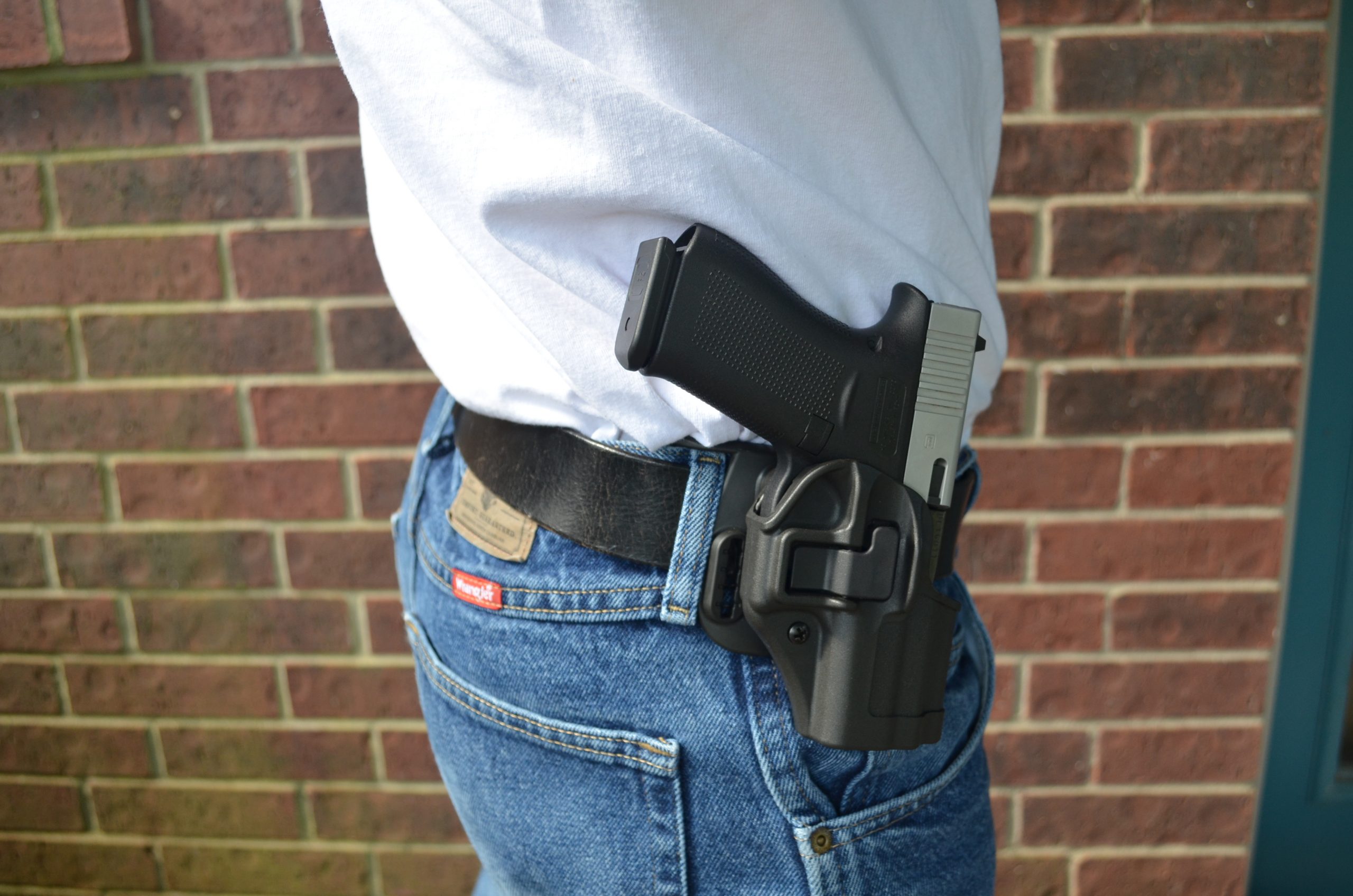
Understanding Texas Concealed Carry Laws
Texas has evolved significantly in its approach to firearm laws, particularly regarding concealed carry. The state operates under a permitless carry system, often referred to as “constitutional carry,” which allows eligible individuals to carry a handgun, openly or concealed, without a specific license. However, this does not equate to a free-for-all; numerous restrictions and requirements remain in place to ensure public safety and responsible firearm ownership.
Eligibility Requirements for Permitless Carry
To exercise the right to permitless carry in Texas, individuals must meet specific criteria. These are designed to ensure that only responsible and law-abiding citizens are permitted to carry firearms.
- Age: You must be at least 21 years of age. There are exceptions for active-duty military personnel and honorably discharged veterans who may be 18.
- Criminal History: You cannot have been convicted of a felony. Additionally, certain misdemeanor convictions within the last five years can disqualify you, including those related to assault, battery, or disorderly conduct with a firearm.
- Protective Orders: Individuals subject to a protective order or a restraining order are prohibited from carrying a handgun.
- Mental Health: Those who have been adjudicated as having a mental defect or have been involuntarily committed to a mental institution are restricted from carrying.
- Legal Status: You must be legally present in the United States.
It is crucial to be aware that even with permitless carry, federal law still prohibits certain individuals from possessing firearms, regardless of state law. This includes those convicted of domestic violence misdemeanors, unlawful users of controlled substances, and individuals dishonorably discharged from the military.
The Distinction Between Handguns and Long Guns
Texas law differentiates between handguns and long guns (rifles and shotguns) concerning open carry. While permitless carry applies to handguns, long guns have historically been permitted for open carry in many public places, with fewer restrictions. However, the focus of this discussion remains on the concealed carry of handguns, as this is the most common concern for travelers.
Places Where Concealed Carry is Restricted or Prohibited
Despite the broad allowances of permitless carry, Texas has designated specific locations where carrying a concealed handgun is either strictly prohibited or heavily restricted. Understanding these “gun-free zones” is vital for avoiding legal entanglements.
Prohibited Locations
Certain institutions and venues are outright gun-free zones, meaning firearms are not permitted, regardless of whether you have a license or are carrying under permitless carry. These typically include:
- Schools and Educational Institutions: This is a broad category encompassing K-12 schools, colleges, and universities. This includes school grounds, buses, and school-sponsored events, even if they occur off-campus.
- Polling Places on Election Day: During active voting, firearms are banned.
- Courts and Correctional Facilities: The premises of judicial proceedings and correctional facilities are strictly off-limits.
- Federal Offices and Military Bases: Installations belonging to the federal government, including military installations, are governed by federal law, which generally prohibits firearms.
- Post Offices: Federal law prohibits firearms in federal buildings, including post offices.
- Zoos: Many municipal zoos explicitly prohibit firearms.
- Amusement Parks: Some larger amusement parks, particularly those with a family-friendly focus, may have their own policies prohibiting firearms.
Restricted Locations (Requires Specific Permission or is Otherwise Regulated)
Other locations may allow firearms under certain conditions or have specific signage that must be heeded.

- Hospitals and Nursing Homes: While not universally banned, these facilities can prohibit firearms if they provide adequate security measures, such as armed guards. Proper signage is usually in place.
- Places of Worship: Churches, synagogues, and other religious institutions can prohibit firearms. They are often required to provide notice through signage.
- Businesses with 51% or More Alcohol Sales: Establishments whose primary source of income is from alcohol sales (bars, taverns) are generally prohibited places. However, businesses that serve alcohol but derive less than 51% of their income from it, such as restaurants, may permit concealed carry unless they post specific signage.
- Businesses with Concealed Handgun Signage (30.06 and 30.07 Signs): This is a critical area for travelers. Texas Penal Code Sections 30.06 and 30.07 mandate specific signage for businesses that wish to prohibit license holders (and by extension, permitless carriers) from carrying handguns on their premises.
- Section 30.06 Sign: This sign prohibits concealed handguns. It must be conspicuous and posted at each entrance to the property.
- Section 30.07 Sign: This sign prohibits the carrying of openly displayed handguns.
- Combined Signage: Some businesses may post both signs. It is the responsibility of the carrier to look for and obey these signs. If you are unsure about a business’s policy, it is always best to err on the side of caution and leave your firearm secured elsewhere, perhaps in your vehicle.
Private Property and Residence
The owner of private property has the right to prohibit firearms. This includes your hotel room or vacation rental. While many hotels in Texas do not explicitly prohibit firearms in guest rooms, they may have policies against bringing them into common areas like lobbies, restaurants, or pools. It is always advisable to check the hotel’s specific policies upon booking or arrival. If you are staying in a private residence, you must comply with the owner’s rules.
Carrying a Concealed Weapon While Traveling: Practical Considerations
For travelers, integrating firearm carry into their itinerary requires careful planning and adherence to specific practices to ensure safety and legality. This involves more than just understanding the law; it’s about responsible preparation.
Securing Your Firearm During Transit
When traveling to or within Texas, securing your firearm during transit is essential, especially if you are flying.
- Air Travel: The Transportation Security Administration (TSA) has strict regulations for transporting firearms on airplanes. Firearms must be unloaded, packed in a hard-sided, locked case, and declared to the airline at check-in. The case must be stored in checked baggage. Ammunition must also be stored securely, separate from the firearm. It is crucial to consult the latest TSA guidelines before your flight.
- Vehicle Travel: When traveling by car, ensure your firearm is securely stored and unloaded, especially if you are crossing state lines, as other states may have different laws. If you are not carrying it on your person, it should be inaccessible to passengers, particularly children.
Using Your Firearm Responsibly in Texas
If you are in a situation where you feel your life is in imminent danger, Texas law allows for the use of deadly force if you reasonably believe it is necessary to protect yourself or another person from death or serious bodily harm. This is often referred to as the “Stand Your Ground” law, which, combined with castle doctrine, provides significant protections for individuals acting in self-defense. However, these laws are complex and fact-specific. It is vital to understand that using a firearm, even in self-defense, can lead to investigations and potential legal scrutiny.
The Value of a Texas License to Carry (LTC)
While permitless carry is now a reality in Texas, obtaining a License to Carry (LTC) still offers significant advantages for travelers.
- Reciprocity: An Texas LTC is recognized in many other states, allowing you to carry concealed in those states where Texas residents without a license might not be permitted. This is invaluable for multi-state travel.
- Access to Certain Locations: Some places that are off-limits to permitless carriers may be accessible to LTC holders, provided the establishment does not post specific “no concealed carry” signage (30.06).
- Background Check Exemption: An LTC exempts you from the background check requirement when purchasing a firearm in Texas.
- Formal Training: The process of obtaining an LTC involves formal training, which can enhance your knowledge of firearm safety, marksmanship, and the legal aspects of carrying a weapon.

Responsible Firearm Ownership and Travel
Ultimately, carrying a concealed weapon, whether with or without a permit, is a significant responsibility. For travelers visiting Texas, prioritizing safety, understanding the local laws, and acting with discretion are paramount. This includes:
- Awareness: Being aware of your surroundings and the legal restrictions in different areas.
- Discretion: Carrying discreetly and avoiding drawing unnecessary attention to yourself or your firearm.
- Legal Compliance: Always adhering to posted signage and local ordinances.
- Training: Ensuring you are proficient with your firearm and knowledgeable about the laws.
By thoroughly researching and understanding Texas firearm regulations, travelers can enjoy the state’s attractions and experiences with a greater sense of security and legal confidence.
LifeOutOfTheBox is a participant in the Amazon Services LLC Associates Program, an affiliate advertising program designed to provide a means for sites to earn advertising fees by advertising and linking to Amazon.com. Amazon, the Amazon logo, AmazonSupply, and the AmazonSupply logo are trademarks of Amazon.com, Inc. or its affiliates. As an Amazon Associate we earn affiliate commissions from qualifying purchases.