
Chicago, a city renowned for its impressive skyline, rich cultural tapestry, and vibrant energy, frequently sparks the question: is it truly a walkable city? For travelers, residents, and urban explorers alike, understanding a city’s pedestrian-friendliness is key to unlocking its true essence, facilitating spontaneous discoveries, and fostering a deeper connection with its urban fabric. The answer, for Chicago, is a resounding, albeit nuanced, yes. Its extensive network of sidewalks, commitment to public transportation, and thoughtfully designed neighborhoods contribute to an experience that, for many, can be largely navigated on foot.
The Pedestrian Experience: Navigating Chicago’s Streets
Chicago’s urban planning has historically prioritized pedestrian access, particularly in its central business districts and established neighborhoods. The city’s grid system, a common urban design, makes navigation relatively straightforward, with numbered streets and avenues providing a clear sense of direction. This organized layout is a significant boon for walkers, reducing the likelihood of getting lost and allowing for more confident exploration.
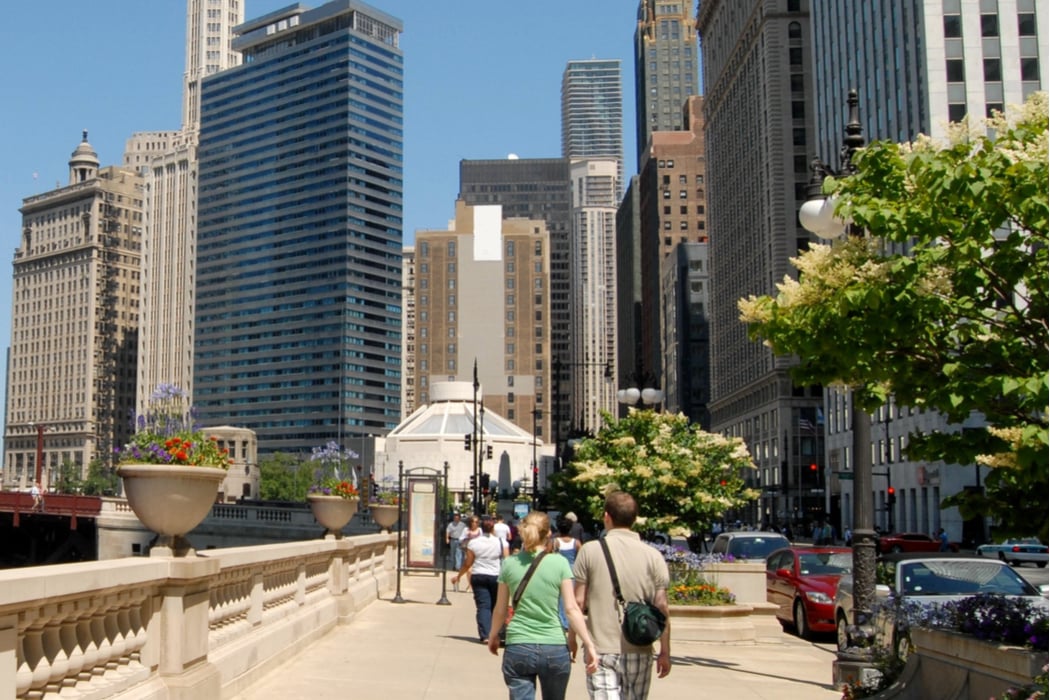
Sidewalk Infrastructure and Accessibility
The city boasts a comprehensive network of sidewalks that are generally well-maintained. These pedestrian pathways are wide enough in most areas to accommodate bustling crowds, especially in high-traffic zones like the Magnificent Mile or the Loop. Furthermore, Chicago has made strides in improving accessibility for individuals with mobility challenges. Curb cuts are a common feature at intersections, and many public spaces are designed with ramps and accessible pathways. While the city, like any major metropolis, can present occasional challenges with uneven pavement or construction, the overall commitment to pedestrian infrastructure is evident.
Pedestrian Zones and Public Spaces
Several areas within Chicago are designed with a strong emphasis on pedestrian activity. The aforementioned Magnificent Mile is a prime example, where shops, restaurants, and hotels line a bustling avenue, encouraging visitors to stroll and absorb the atmosphere. The Riverwalk, a stunning multi-use path along the Chicago River, offers breathtaking views and a serene escape from the urban bustle. It’s a popular spot for leisurely walks, dining al fresco, and enjoying public art. Beyond these iconic areas, many of Chicago’s neighborhoods, such as Lincoln Park, Wicker Park, and Old Town, possess their own unique walkable character, with vibrant main streets, charming side streets, and an abundance of local businesses.
The Role of Public Transportation
While the question focuses on walkability, it’s impossible to discuss pedestrian-friendliness in Chicago without acknowledging the integral role of its public transportation system. The Chicago Transit Authority (CTA) operates an extensive network of ‘L’ trains and buses that connect virtually every corner of the city. This robust transit system effectively complements walkability by allowing individuals to traverse longer distances and then explore neighborhoods on foot once they arrive. Many destinations are conveniently located near ‘L’ stops, transforming potential long treks into manageable journeys. For instance, a visitor might take the Brown Line to the Kimball stop and then walk through the vibrant Andersonville neighborhood, or take the Red Line to Addison and walk to Wrigley Field. This synergy between walking and public transit is a hallmark of a truly walkable city.
Neighborhood Walkability: A Diverse Urban Landscape
Chicago’s walkability varies significantly from one neighborhood to another. While the downtown core and surrounding districts are highly pedestrian-friendly, exploring further afield requires an understanding of each area’s unique characteristics.
Downtown and the Loop: The Urban Core
The Loop, Chicago’s central business district, is a pedestrian’s paradise during business hours. Its dense concentration of offices, theaters, museums like the Art Institute of Chicago, and retail establishments makes it incredibly walkable. Sidewalks are wide, and the grid system facilitates easy navigation. Popular attractions such as Millennium Park with its iconic Cloud Gate sculpture, and Navy Pier, are easily accessible on foot from many downtown hotels. However, the atmosphere shifts considerably after business hours, with fewer pedestrians and a more residential feel emerging in adjacent areas like Streeterville.
Magnificent Mile and River North: Shopping and Entertainment Hubs
The stretch of Michigan Avenue known as the Magnificent Mile is a testament to Chicago’s retail prowess and is exceptionally walkable. High-end boutiques, department stores, and numerous dining options line the avenue, inviting leisurely strolls. Adjacent River North is a hub for art galleries, trendy restaurants, and nightlife, also offering a pedestrian-friendly environment, particularly along its main thoroughfares.
Lincoln Park and Lakeview: Residential Charm and Green Spaces
Moving north, neighborhoods like Lincoln Park and Lakeview offer a more residential and community-focused walkable experience. These areas are characterized by tree-lined streets, charming brownstones, and vibrant commercial strips along streets like Clark Street and Broadway. The presence of Lincoln Park Zoo and the expansive Lincoln Park itself provides ample opportunities for walking, picnicking, and enjoying the outdoors. These neighborhoods are ideal for those seeking a blend of urban amenities and neighborhood charm.
Wicker Park and Bucktown: Hipster Havens
For a taste of Chicago’s trendsetting culture, Wicker Park and Bucktown are must-visits for walkers. These adjacent neighborhoods boast eclectic boutiques, independent bookstores, vintage shops, and a plethora of cafes and restaurants. The streets are alive with creative energy, and exploring on foot allows for the discovery of hidden gems and vibrant street art. The proximity of these neighborhoods to each other makes them ideal for an extended walking tour.
South Side Neighborhoods: Emerging Walkability

While often overlooked in discussions of walkability, parts of Chicago’s South Side are undergoing revitalization and offer unique walkable experiences. Neighborhoods like Hyde Park, home to the University of Chicago and the Museum of Science and Industry, possess a strong academic and community-focused pedestrian environment. As development continues, other South Side areas are emerging with improved sidewalk infrastructure and an increasing number of local businesses that invite exploration on foot.
Factors Enhancing Chicago’s Walkability
Several key factors contribute to Chicago’s reputation as a walkable city, making it an appealing destination for those who prefer to explore on foot.
The ‘L’ Train System: A Pedestrian’s Best Friend
As mentioned earlier, the CTA ‘L’ train system is indispensable to Chicago’s walkability. Its extensive reach and frequent service mean that most major attractions and residential areas are within a short walk of a station. This eliminates the need for cars in many instances, allowing visitors to hop off the train and immediately begin exploring on foot. The visual presence of the ‘L’ tracks weaving through the city also adds a unique urban character that many find appealing.
Compact Urban Core and Mixed-Use Development
Chicago’s downtown and surrounding neighborhoods are characterized by a high degree of density and mixed-use development. This means that residential buildings, offices, retail spaces, and restaurants are often located in close proximity, reducing the need for long commutes or travel between different types of amenities. This urban planning strategy is a fundamental driver of walkability, creating vibrant streetscapes where people can live, work, and play without relying heavily on vehicles.
Commitment to Green Spaces and Public Art
Chicago’s dedication to parks and public art further enhances its pedestrian appeal. Beyond the iconic Grant Park and Lincoln Park, numerous smaller parks and plazas are scattered throughout the city, providing pleasant respites for walkers. Public art installations, from large-scale sculptures to murals, are integrated into the urban landscape, turning ordinary walks into engaging cultural experiences. These elements break up the urban monotony and provide visual interest that encourages exploration.
Pedestrian-Friendly Events and Festivals
Throughout the year, Chicago hosts a multitude of festivals and events that transform streets into pedestrian-only zones, further amplifying the walking experience. From the vibrant Taste of Chicago to neighborhood street fairs and music festivals like Lollapalooza, these events encourage large numbers of people to walk and mingle in public spaces, creating a lively and immersive atmosphere.
Challenges and Considerations for Walkers
Despite its many strengths, Chicago, like any large city, presents certain challenges for pedestrians. Awareness of these factors can help ensure a more enjoyable and safe walking experience.
Weather Conditions
Chicago is famously known for its dramatic weather changes. Winters can be extremely cold and snowy, making extended walks uncomfortable and sometimes hazardous. Summers can be hot and humid, requiring hydration and planning for cooler periods. Spring and fall generally offer the most pleasant walking conditions, but visitors should always check the forecast and dress accordingly.
Traffic and Safety
While Chicago has made strides in pedestrian safety, it remains a busy city with significant vehicular traffic. Pedestrians should always exercise caution at intersections, adhere to traffic signals, and be aware of their surroundings. Certain busy streets, especially during peak hours, can be intimidating for less experienced urban walkers. Utilizing crosswalks and being vigilant are paramount.
Neighborhood Connectivity
While many individual neighborhoods are highly walkable, the connectivity between some of them can be less straightforward for pedestrians, especially across major arterial roads or rail lines. Public transit often serves as the most efficient bridge between disparate neighborhoods, allowing walkers to arrive in a new area and then explore it thoroughly on foot.

Conclusion: A Highly Walkable Metropolis
In conclusion, Chicago is undeniably a walkable city. Its well-developed sidewalk infrastructure, comprehensive public transportation system, and abundance of pedestrian-friendly neighborhoods, coupled with a strong emphasis on public spaces and green areas, create an environment where walking is not only feasible but often the preferred mode of exploration. From the bustling avenues of the Magnificent Mile to the charming streets of Lincoln Park and the artistic enclaves of Wicker Park, Chicago offers a diverse and rewarding experience for those who choose to discover its many layers on foot. While challenges such as weather and traffic exist, they are manageable with proper planning and awareness, solidifying Chicago’s status as a premier walkable metropolis.
LifeOutOfTheBox is a participant in the Amazon Services LLC Associates Program, an affiliate advertising program designed to provide a means for sites to earn advertising fees by advertising and linking to Amazon.com. Amazon, the Amazon logo, AmazonSupply, and the AmazonSupply logo are trademarks of Amazon.com, Inc. or its affiliates. As an Amazon Associate we earn affiliate commissions from qualifying purchases.