
Texas, a state synonymous with wide-open spaces, larger-than-life personalities, and a fervent passion for athletics, presents a fascinating paradox when it comes to sports betting. While the roar of the crowd at a Dallas Cowboys game or the thrill of a Houston Astros home run are deeply ingrained in the Texan identity, the legal landscape for wagering on these very events remains a complex and evolving narrative. For many residents and visitors alike, the question of “Can you bet on sports in Texas?” is a recurring one, often met with a nuanced answer that hinges on current legislation and potential future developments. This exploration delves into the intricacies of sports betting in the Lone Star State, examining its current status, the driving forces behind its potential legalization, and what options are available to those looking to place a wager.
The Current Legal Standing of Sports Betting in Texas
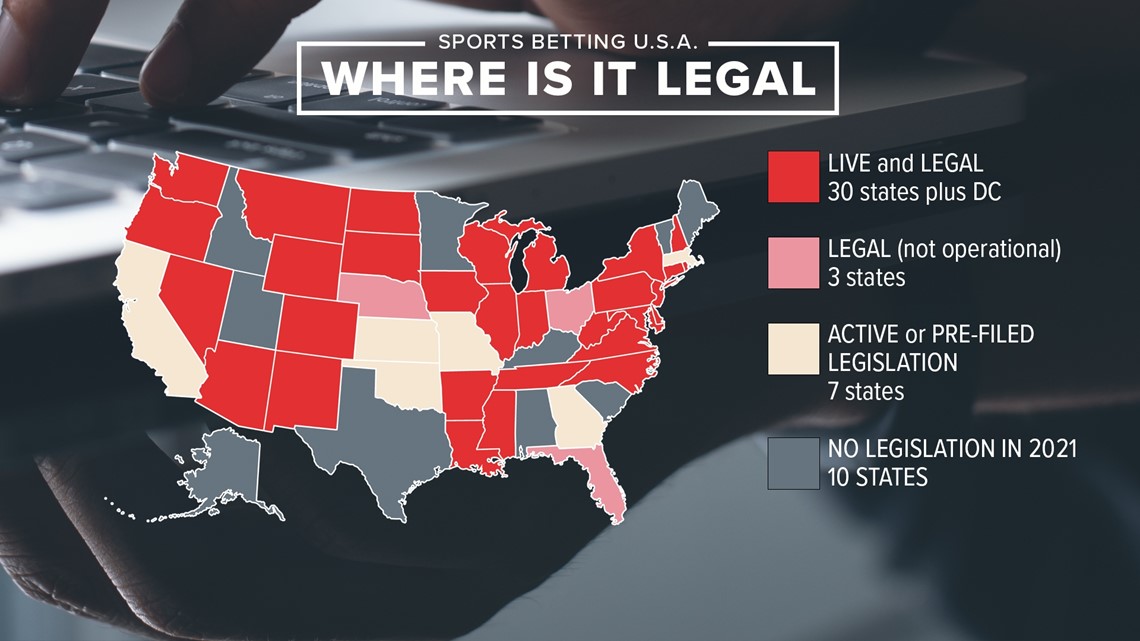
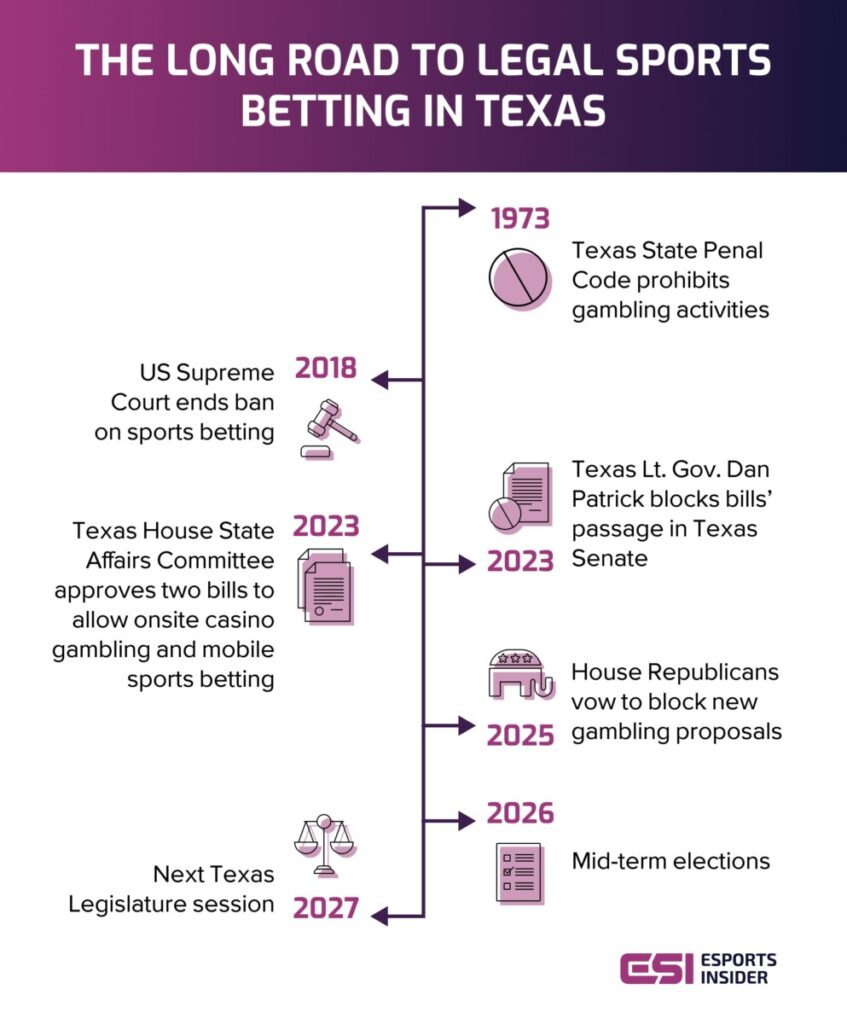
As of now, traditional, regulated sports betting in Texas is not legal. Unlike many other states that have embraced the burgeoning sports wagering industry since the Supreme Court’s 2018 decision to overturn the Professional and Amateur Sports Protection Act (PASPA), Texas has yet to pass comprehensive legislation to permit and regulate sportsbooks. This legislative inertia is a significant factor for anyone hoping to place bets legally within the state’s borders.
Legislative Hurdles and Political Landscape
The path to legal sports betting in Texas has been fraught with political challenges. The state’s conservative political climate, coupled with the influence of powerful gambling interests, has created a complex web of opposition and debate. Key figures and organizations have differing views on the expansion of gambling, with some advocating for its economic benefits and others raising concerns about potential societal impacts.
- Tribal Gaming and Casino Interests: The presence of tribal casinos, such as the Kickapoo Traditional Tribe of Texas casino, offers a glimpse into the potential for expanded gaming, but these operations are often limited by existing compacts and federal regulations. Their success, however, can serve as a precedent for broader discussions.
- Opposition from Religious and Social Conservative Groups: Historically, these groups have voiced strong opposition to the expansion of gambling, citing moral and ethical concerns. This has often translated into significant lobbying efforts against pro-betting legislation.
- Proponents and Economic Arguments: Conversely, proponents, including many sports franchises and tourism bodies, argue that legalizing sports betting would generate substantial tax revenue for the state, create jobs, and boost the overall economy. They often point to the success of sports betting in other states as evidence of its financial potential.
What About Daily Fantasy Sports (DFS)?
A common point of confusion arises when discussing Daily Fantasy Sports (DFS) in Texas. Platforms like DraftKings and FanDuel operate in a legal gray area. While not explicitly outlawed, their status has been a subject of legal interpretation. For a period, Texas Attorney General opinions suggested that DFS might constitute illegal gambling. However, DFS operators have continued to offer their services, and the state legislature has not enacted specific laws to ban or regulate them. This ongoing ambiguity means that while many Texans participate in DFS, it does not equate to legal sports betting in the traditional sense.
Navigating the Options: Betting from Texas
Given the current legal restrictions, Texans seeking to engage in sports betting face a limited set of options, none of which are fully legal and regulated within the state. It’s crucial to understand these distinctions and the potential risks involved.
Offshore Sportsbooks: A Popular, Yet Risky, Avenue
One of the most common ways individuals in Texas (and other non-legalized states) have accessed sports betting is through offshore online sportsbooks. These platforms are licensed and regulated in jurisdictions outside the United States.
- How They Work: Users create accounts, deposit funds (often via cryptocurrency or international money transfers), and place bets on a wide range of sporting events. These sites offer a vast selection of markets, competitive odds, and various betting features.
- The Risks Involved: The primary drawback is the lack of legal recourse for users. If a dispute arises with an offshore sportsbook, or if the platform faces financial difficulties, there is little to no protection for the bettor. Furthermore, while not explicitly illegal for an individual to place bets through these sites, the legal framework is murky, and the U.S. Department of Justice has previously targeted offshore operators. Users should exercise extreme caution and conduct thorough due diligence before considering such options.
The Potential Future of Sports Betting in Texas
Despite the current legal stalemate, the conversation around legalizing sports betting in Texas is far from over. Several factors suggest that the state may eventually join the ranks of those with regulated sports wagering.
- Growing Momentum in Other States: The increasing number of states that have successfully implemented and profited from sports betting creates a compelling argument for Texas to follow suit. The economic benefits observed elsewhere are hard to ignore.
- Lobbying Efforts and Political Shifts: Proponents continue to push for legislative action. Changes in political sentiment, shifts in leadership, or a greater understanding of the economic advantages could pave the way for new bills to be introduced and considered.
- The Influence of Professional Sports Leagues: Many major professional sports leagues, including the NFL, NBA, MLB, and NHL, have embraced sports betting and have actively lobbied for its legalization. Their involvement in Texas, with teams like the Texas Rangers and Houston Texans, gives them a vested interest in seeing sports betting legalized within the state.
What to Watch For
For those interested in the future of sports betting in Texas, staying informed about legislative sessions and public discourse is key.
- Legislative Sessions: Texas holds legislative sessions every two years. Any significant progress on sports betting is likely to occur during these periods. Keep an eye on bills introduced in the Texas Legislature.
- Public Opinion Polls: Changes in public sentiment can influence political decisions. As more Texans become aware of the potential benefits and drawbacks, their opinions may sway the legislative debate.
- Developments in Neighboring States: The success or failure of sports betting in states bordering Texas, such as Oklahoma or Louisiana, could also impact the political calculus within Texas.

Conclusion: A Waiting Game for Texas Bettors
In summary, the answer to “Can you bet on sports in Texas?” remains a qualified “no” when referring to legal, regulated options within the state. While many Texans engage with offshore sportsbooks or daily fantasy sports, these avenues carry their own set of risks and do not represent the structured, protected betting environment found in legal markets. The passion for sports in Texas is undeniable, and as the national landscape of sports wagering continues to evolve, it is highly probable that the conversation around legalization in the Lone Star State will intensify. Until then, it’s a waiting game, with many hoping that future legislative sessions will bring about a change that aligns with the state’s deep-rooted connection to athletics and its potential economic opportunities. The quest for legal sports betting in Texas is a marathon, not a sprint, and its eventual arrival will likely be shaped by ongoing political debate, economic considerations, and the enduring enthusiasm of its sports-loving populace.
LifeOutOfTheBox is a participant in the Amazon Services LLC Associates Program, an affiliate advertising program designed to provide a means for sites to earn advertising fees by advertising and linking to Amazon.com. Amazon, the Amazon logo, AmazonSupply, and the AmazonSupply logo are trademarks of Amazon.com, Inc. or its affiliates. As an Amazon Associate we earn affiliate commissions from qualifying purchases.