
Navigating the intricacies of obtaining a driver’s license, especially in a state as vast and diverse as Texas, often leads to practical questions about the process. One such query that frequently arises is whether one can simply call the Texas Department of Public Safety (DPS) to schedule or inquire about taking a driving test. This question touches upon accessibility, administrative procedures, and the direct engagement with state agencies that facilitate driver licensing. Understanding the correct channels and protocols is crucial for any aspiring driver in the Lone Star State.
Understanding the Texas DPS Driving Test Process
The Texas Department of Public Safety is the primary agency responsible for issuing driver licenses and ensuring that all drivers meet the necessary safety standards. This includes administering the driving knowledge test and the road test, often referred to as the driving skills test. These tests are designed to assess an individual’s understanding of traffic laws and their ability to operate a vehicle safely.
The Role of DPS in Driver Licensing
The DPS oversees a comprehensive system for driver licensing. This system involves several steps, from completing required coursework to passing examinations. For new drivers, particularly those under 18, the process includes obtaining a learner’s permit, completing a driver education program, and then progressing to the driving skills test. For adults, the requirements can vary, but generally involve passing a knowledge test and a road test.
Knowledge Test vs. Road Test
It’s important to differentiate between the two main tests. The knowledge test assesses your understanding of traffic laws, road signs, and safe driving practices. This is typically taken on a computer or in a written format at a DPS driver license office. The road test, or driving skills test, evaluates your practical ability to operate a vehicle safely in various traffic conditions. This involves demonstrating skills such as parking, turning, changing lanes, and reacting to road hazards.
Scheduling the Driving Test
The question of calling the Texas Department of Public Safety directly to schedule a driving test requires a nuanced understanding of their operational procedures. While the DPS is the governing body, the actual administration of appointments, especially for the road test, is often managed through specific channels to ensure efficiency and manage resources.
Direct Communication with Texas DPS for Driving Tests: Reality vs. Misconception
The idea of simply calling a state agency like the Texas Department of Public Safety to book a driving test might seem like the most straightforward approach. However, in practice, governmental agencies often implement more structured systems for managing high-volume services like driver testing.
Why Direct Phone Calls May Not Be the Primary Method
Governmental departments, including the DPS, typically have established procedures to handle a large volume of requests efficiently. For services like driver testing, which require dedicated personnel and physical locations, relying solely on individual phone calls can lead to:
- Long Hold Times: Call centers can become overwhelmed, leading to extended wait times for callers.
- Administrative Inefficiency: Managing appointments over the phone for numerous individuals can be prone to errors and scheduling conflicts.
- Resource Allocation: DPS offices have a set number of examiners and testing slots available. A purely phone-based scheduling system might not effectively manage these limited resources.
The Preferred Method: Online Scheduling and Appointments
In an effort to streamline the process and improve accessibility, the Texas Department of Public Safety strongly encourages or requires the use of their online appointment system. This system allows individuals to:
- View Available Slots: See real-time availability for knowledge and driving tests at various driver license offices across Texas.
- Select a Convenient Location and Time: Choose an office and time that best fits their schedule.
- Receive Confirmations and Reminders: Get digital confirmations of their appointment and potentially reminders to reduce no-shows.
- Manage Appointments: Easily reschedule or cancel appointments if necessary.
This online approach not only benefits the applicant by providing convenience and transparency but also helps the DPS manage its resources more effectively.
When Direct Contact Might Be Necessary
While online scheduling is the preferred method, there might be specific circumstances where direct contact with a Texas Department of Public Safety driver license office could be beneficial or even necessary. These might include:
- Complex Situations: If you have a unique situation, such as needing an accommodation for a disability, or if you are experiencing technical difficulties with the online system.
- Clarification on Requirements: Seeking specific clarification on documentation needed for your test or eligibility criteria.
- Urgent Issues: In rare cases where an immediate issue arises that cannot be resolved through the online portal.
In such instances, it is advisable to find the contact number for the specific driver license office you intend to visit. This information is typically available on the official Texas DPS website. However, even when calling, be prepared for potential wait times, and understand that the office staff will likely guide you back to the online system for scheduling if that is the standard procedure.

Preparing for Your Driving Test in Texas
Regardless of how you schedule your appointment, thorough preparation is key to successfully passing your driving test. This preparation involves more than just knowing how to drive; it encompasses understanding Texas traffic laws and the specific requirements of the road test.
Understanding the Requirements for Different Age Groups
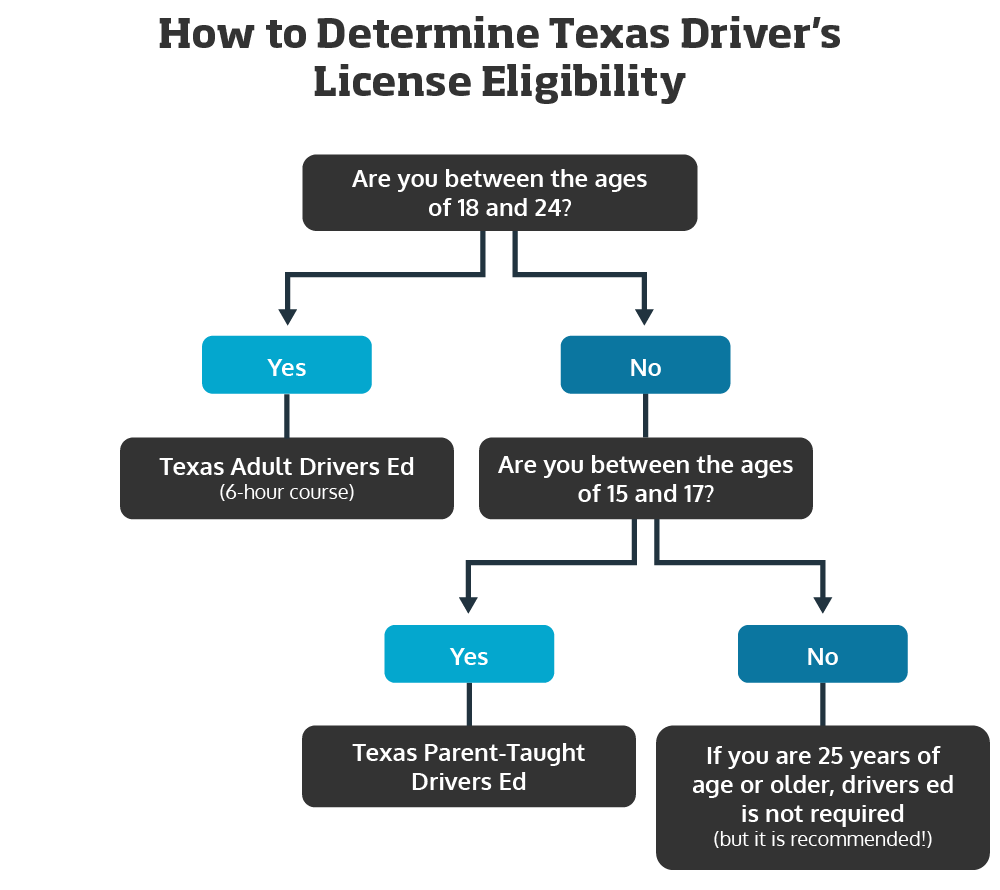
The requirements for obtaining a driver’s license in Texas differ significantly for individuals under 18 years of age compared to those 18 and older.
- Under 18: This age group must complete a state-approved driver education program, which includes classroom instruction and behind-the-wheel training. They must also hold a learner’s permit for at least six months before being eligible for the road test. The road test for minors is designed to assess their ability to handle various driving scenarios safely after a period of supervised practice.
- 18 and Older: Adults generally need to pass a knowledge test and a road test. While a formal driver education course is not mandatory for all adults, it is highly recommended. Adults can typically obtain a provisional license or a full driver’s license directly after passing the tests.
What to Expect During the Road Test
The Texas DPS road test is designed to evaluate your proficiency in fundamental driving skills. The examiner will be looking for safe driving habits and adherence to traffic laws. Common elements of the test include:
- Vehicle Check: The examiner may ask you to demonstrate your knowledge of basic vehicle controls and safety features.
- Basic Maneuvers: This includes starting, stopping, turning (left and right), and changing lanes.
- Traffic Laws: You’ll need to demonstrate your understanding of speed limits, yielding the right-of-way, and obeying traffic signals and signs.
- Specific Skills: Depending on the testing location and traffic conditions, you might be asked to perform maneuvers such as:
- Parallel Parking: Demonstrating the ability to park between two vehicles.
- Three-Point Turn: Executing a turn in a narrow street.
- Backing Up: Safely reversing the vehicle.
- Hill Parking: Demonstrating the proper technique for parking on an incline.
- Observation: The examiner will pay close attention to your observation skills, including checking mirrors, blind spots, and scanning the road ahead and around you.
Essential Documentation for Your Test Appointment
Arriving at your scheduled driving test appointment with the correct documentation is paramount. Failure to present the required paperwork can result in your appointment being canceled, forcing you to reschedule. For a driving test at a Texas DPS office, you will typically need:
- Proof of Identity: Such as a birth certificate or passport.
- Proof of Social Security: Your Social Security card or a W-2 form.
- Proof of Texas Residency: Utility bills, bank statements, or lease agreements showing your Texas address.
- Learner’s Permit: If applicable.
- Driver Education Certificate: If you are under 18 and completed a driver education program.
- Vehicle Information: The vehicle you use for the test must be properly registered and insured, and in safe working condition (e.g., working lights, brakes, horn, and mirrors).
It is always recommended to check the official Texas DPS website for the most current and comprehensive list of required documents, as these can be subject to change.
Alternative Testing Locations and Options
While the Texas Department of Public Safety driver license offices are the primary locations for conducting driving tests, Texas also offers alternative options to help ease the burden on DPS facilities and provide more convenient testing opportunities for residents.
Third-Party Skill Test Providers
In Texas, individuals who have completed a state-approved driver education program may be eligible to take their driving skills test at a certified third-party provider. These providers are private businesses authorized by the DPS to administer the road test.
Benefits of Third-Party Testing:
- Increased Availability: Third-party providers often have more flexible scheduling options and can administer tests more frequently than some DPS offices, which can be particularly helpful in busy metropolitan areas like Houston or Dallas.
- Potentially Shorter Wait Times: By decentralizing testing, these providers can help reduce the wait times at state-run facilities.
- Convenience: Some providers may offer testing closer to your home or driving school.
Important Considerations:
- Eligibility: Not all applicants are eligible for third-party testing. It is typically an option for those who have completed a driver education course.
- Certification: Ensure that the third-party provider is officially certified by the Texas Department of Public Safety.
- Fees: Third-party providers may charge a fee for their services, which is in addition to any state licensing fees.
Considerations for Tourists and Non-Residents
For individuals who are temporarily visiting Texas and may need to obtain a license or take a driving test, the process can be more complex. The Texas Department of Public Safety has specific requirements for non-residents. Generally, if you establish residency in Texas, you are required to obtain a Texas driver’s license within a specified timeframe. This involves meeting all the standard licensing requirements, including passing the necessary tests. Tourists who are simply visiting and possess a valid driver’s license from their home state or country are typically permitted to drive in Texas for a limited period. However, if the intention is to reside in Texas, then the process of obtaining a Texas license, including taking the driving test, must be followed. The online scheduling system is still the primary avenue for booking appointments, even for those who may be new to the state.
Conclusion: Navigating the System Effectively
In conclusion, while the idea of calling the Texas Department of Public Safety to schedule a driving test might seem appealingly direct, the practical reality leans heavily towards utilizing their robust online appointment system. This system is designed for efficiency, transparency, and to better manage the high volume of drivers seeking licenses. Understanding the distinction between the knowledge test and the road test, preparing diligently for both, and ensuring you have all the necessary documentation are critical steps. While direct calls might occasionally be useful for clarifying complex issues, they are not the primary method for booking your driving test. By embracing the online scheduling portal and familiarizing yourself with the Texas driver licensing requirements, you can navigate the process smoothly and successfully achieve your goal of obtaining a driver’s license in the Lone Star State. Exploring options like certified third-party providers can also offer flexibility and convenience for those who qualify.
LifeOutOfTheBox is a participant in the Amazon Services LLC Associates Program, an affiliate advertising program designed to provide a means for sites to earn advertising fees by advertising and linking to Amazon.com. Amazon, the Amazon logo, AmazonSupply, and the AmazonSupply logo are trademarks of Amazon.com, Inc. or its affiliates. As an Amazon Associate we earn affiliate commissions from qualifying purchases.