
Understanding Nursing Salaries in the Beaver State
Oregon, a state renowned for its stunning natural beauty, vibrant cities like Portland, and a thriving healthcare sector, presents an attractive proposition for nursing professionals. The question of “How Much Does A Nurse Make In Oregon?” is paramount for aspiring nurses, those considering a career change, and experienced professionals seeking to advance their careers within the state. This inquiry delves beyond a simple numerical answer; it encompasses an understanding of the factors influencing salary, the diverse roles within nursing, and the economic landscape that shapes compensation.

Oregon’s healthcare system is robust, driven by a growing population and a commitment to providing quality patient care. This demand for skilled nursing staff directly impacts earning potential. However, a nurse’s salary is not a monolithic figure. It is a dynamic construct, influenced by a confluence of variables ranging from geographical location within the state to specialized skills and years of experience. Understanding these nuances is key to accurately assessing earning potential and making informed career decisions in the Pacific Northwest.
Factors Influencing Nursing Salaries in Oregon
Several key elements contribute to the variance in nursing salaries across Oregon. A comprehensive understanding of these factors allows for a more precise estimation of earning potential and helps nurses negotiate for their worth.
Geographic Location
The cost of living and the demand for nurses vary significantly across Oregon. Major metropolitan areas and their surrounding suburbs typically offer higher salaries to attract and retain talent, reflecting the increased cost of living and the concentration of healthcare facilities.
- Portland Metropolitan Area: As the largest urban center, Portland and its surrounding communities often boast the highest nursing salaries. This is due to a greater number of hospitals, clinics, and specialized healthcare centers, as well as a higher cost of living. Cities like Gresham and Hillsboro also fall within this influential region.
- Coastal Regions: While offering a picturesque lifestyle, nursing salaries along the Oregon Coast might be slightly lower than in the Portland area, though demand can still be strong in cities like Newport and Astoria.
- Southern and Eastern Oregon: Areas like Medford in the south or Bend in Central Oregon, and more rural eastern parts of the state, might see slightly different salary ranges. While the cost of living can be lower, the demand for specialized nursing skills can still drive competitive compensation packages.
Experience Level
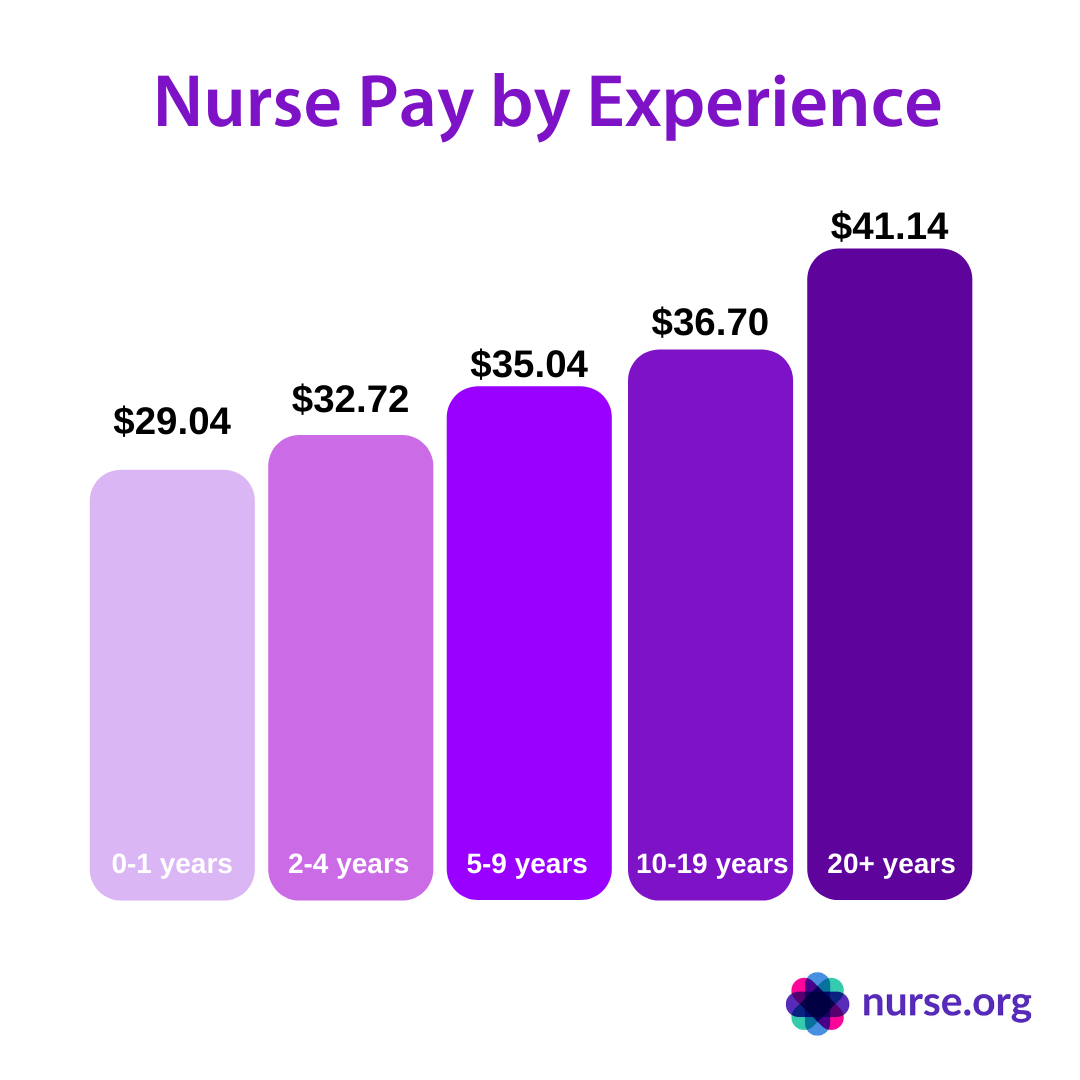
Like most professions, nursing salaries in Oregon are directly correlated with the amount of experience a nurse possesses. Entry-level positions for new graduates will command lower salaries compared to those held by seasoned professionals with a decade or more of experience.
- New Graduates (0-2 years): Registered Nurses (RNs) entering the field can expect an introductory salary that reflects their foundational knowledge and limited practical experience.
- Mid-Career Nurses (3-10 years): As nurses gain experience, their responsibilities often increase, leading to a noticeable rise in their earning potential. They may take on more complex patient cases or supervisory roles.
- Experienced Professionals (10+ years): Nurses with extensive experience often become sought-after experts, potentially moving into leadership, management, or specialized clinical roles that command the highest salaries.
Education and Certifications
The educational attainment and specialized certifications a nurse holds significantly influence their earning capacity. Higher degrees and advanced certifications often unlock access to more specialized and higher-paying positions.
- Associate’s Degree in Nursing (ADN): While a common entry point, an ADN may lead to a slightly lower starting salary compared to a Bachelor of Science in Nursing (BSN).
- Bachelor of Science in Nursing (BSN): Many employers, particularly larger hospitals and Magnet®-designated facilities, prefer or require a BSN. Holding a BSN often leads to higher starting salaries and greater opportunities for advancement.
- Master of Science in Nursing (MSN) and Doctoral Degrees (DNP, PhD): Nurses pursuing advanced practice roles (e.g., Nurse Practitioners, Certified Nurse Midwives, Clinical Nurse Specialists) or moving into academia and research typically require an MSN or doctoral degree, which significantly boosts their earning potential.
- Specialty Certifications: Holding certifications in specific areas such as Critical Care (e.g., CCRN), Oncology (e.g., OCN), or Emergency Nursing (e.g., CEN) demonstrates a high level of expertise and can lead to salary increases or bonuses.
Type of Healthcare Facility
The setting in which a nurse works also plays a crucial role in determining their salary. Different types of facilities have varying financial structures, patient loads, and service offerings, all of which impact compensation.
- Hospitals: General hospitals, teaching hospitals, and specialty hospitals are major employers of nurses in Oregon. Salaries can vary based on whether the hospital is for-profit or non-profit, its size, and its reputation. Major hospital systems like Oregon Health & Science University (OHSU) and Providence Health & Services in Portland often offer competitive compensation packages.
- Outpatient Clinics and Surgery Centers: These facilities may offer slightly different salary ranges, often reflecting a focus on specific procedures or patient populations.
- Long-Term Care Facilities and Skilled Nursing Homes: While providing essential care, salaries in these settings might be lower on average compared to acute care hospital settings.
- Government and Public Health Agencies: Working for state or local health departments can offer stable employment and benefits, with salary scales often tied to public sector pay grades.
- Schools and Universities: School nurses or nurses working in university health centers have unique roles and compensation structures.
Specialty and Role
The specific nursing role and specialty are perhaps the most significant determinants of salary. Advanced practice registered nurses (APRNs) and those in specialized fields generally earn more than generalist RNs.
Average Nursing Salaries in Oregon: A Closer Look
While specific figures fluctuate and are best sourced from real-time salary aggregators, it’s possible to outline the general salary landscape for nurses in Oregon. These are averages and can vary significantly based on the factors previously discussed.

Registered Nurse (RN) Salaries
For a Registered Nurse (RN) in Oregon, the average annual salary typically falls within a broad range, often from the high $60,000s to well over $90,000, with experienced RNs in high-demand areas and specialties potentially earning six figures. The median salary is often cited in the mid-$70,000s to low-$80,000s.
- Entry-Level RN: A new RN graduate in Oregon might start in the range of $65,000 to $75,000 annually.
- Experienced RN: An RN with 5-10 years of experience could expect to earn between $80,000 and $95,000.
- Senior/Specialized RN: RNs with extensive experience, holding advanced certifications, or working in critical areas like the Oregon Health & Science University (OHSU) Hospital in Portland might see salaries exceeding $100,000.
Advanced Practice Registered Nurse (APRN) Salaries
APRNs, including Nurse Practitioners (NPs), Certified Nurse Midwives (CNMs), Certified Registered Nurse Anesthetists (CRNAs), and Clinical Nurse Specialists (CNSs), command significantly higher salaries due to their advanced education, expanded scope of practice, and specialized responsibilities.
- Nurse Practitioner (NP): NPs in Oregon can expect average annual salaries ranging from $100,000 to $130,000 or more, depending on their specialty (e.g., Family Practice, Psychiatric-Mental Health, Adult-Gerontology) and location.
- Certified Registered Nurse Anesthetist (CRNA): CRNAs are among the highest-paid nursing professionals. Salaries in Oregon often range from $150,000 to over $200,000 annually, reflecting the critical nature of their role in surgical and critical care settings.
- Certified Nurse Midwife (CNM): CNMs typically earn between $90,000 and $120,000 annually, depending on their practice setting and experience.
- Clinical Nurse Specialist (CNS): CNS salaries can vary widely but generally fall in the range of $85,000 to $110,000, with opportunities for higher earnings in specialized or leadership roles.
Other Nursing Roles
Beyond RNs and APRNs, Oregon employs a variety of other nursing professionals with differing salary expectations.
- Licensed Practical Nurses (LPNs) / Licensed Vocational Nurses (LVNs): LPNs in Oregon typically earn an average of $50,000 to $65,000 annually. Their scope of practice is more limited than that of an RN, focusing on basic patient care under the supervision of an RN or physician.
- Nursing Assistants (CNAs): CNAs provide direct patient care and support under the supervision of nurses. Their average salaries usually range from $35,000 to $45,000 annually.
Maximizing Earning Potential in Oregon
For nurses looking to maximize their income in Oregon, strategic career planning is essential. This involves not only seeking out higher-paying roles but also investing in professional development.
Pursuing Higher Education and Certifications
As highlighted earlier, obtaining a BSN or an advanced degree (MSN, DNP) is a significant step towards increasing earning potential. Furthermore, specialized certifications in high-demand areas such as emergency nursing, critical care, oncology, or perioperative services can lead to salary bumps and access to more competitive positions.
Seeking Out High-Demand Specialties
Certain nursing specialties are consistently in higher demand and thus offer more attractive compensation. These often include:
- Critical Care Nursing: Working in Intensive Care Units (ICUs), Coronary Care Units (CCUs), or Neonatal Intensive Care Units (NICUs).
- Emergency Room Nursing: Responding to acute medical emergencies.
- Operating Room Nursing: Assisting surgeons during operative procedures.
- Oncology Nursing: Providing care for cancer patients.
- Psychiatric Mental Health Nursing: Specializing in the care of individuals with mental health conditions.
Considering Travel Nursing
Travel nursing offers a unique opportunity for increased earning potential, flexibility, and the chance to experience different locations. Many travel nurses in Oregon find that their weekly or monthly paychecks significantly exceed those of permanent staff nurses, often due to housing stipends, higher base rates, and completion bonuses. This path allows nurses to work in various cities across the state, from the urban allure of Portland to the coastal charm of Cannon Beach or the natural beauty of the Columbia River Gorge.
Negotiating Your Salary
Nurses should always be prepared to negotiate their salary. Researching average salaries for similar roles in the same geographic area is crucial. Understanding your own value based on your experience, skills, and certifications provides a strong foundation for a confident negotiation. Don’t hesitate to discuss the full compensation package, including benefits, retirement plans, paid time off, and continuing education allowances.
Conclusion: A Rewarding Career in Oregon
The earning potential for nurses in Oregon is substantial and continues to grow, driven by the state’s expanding healthcare needs and its commitment to attracting and retaining skilled professionals. While the average figures provide a valuable benchmark, individual salaries are shaped by a multitude of factors, from where you practice to your level of expertise and specialization. By understanding these dynamics and actively pursuing professional growth, nurses can build a financially rewarding and personally fulfilling career in the beautiful and progressive state of Oregon.
LifeOutOfTheBox is a participant in the Amazon Services LLC Associates Program, an affiliate advertising program designed to provide a means for sites to earn advertising fees by advertising and linking to Amazon.com. Amazon, the Amazon logo, AmazonSupply, and the AmazonSupply logo are trademarks of Amazon.com, Inc. or its affiliates. As an Amazon Associate we earn affiliate commissions from qualifying purchases.