
The Lone Star State, historically known for its robust agricultural traditions and a landscape rich with possibilities, has increasingly turned its gaze towards innovative crops. Among these, industrial hemp has emerged as a topic of significant interest and burgeoning opportunity. The question of whether hemp can be cultivated in Texas is not merely a curiosity; it’s a pivotal inquiry for farmers, entrepreneurs, and those interested in the economic and agricultural future of the state. The answer, unequivocally, is yes, but the journey from legal permissibility to widespread successful cultivation is a nuanced one, governed by specific regulations, market demands, and the unique Texan environment.

The Legal Framework for Hemp Cultivation in Texas
The path to legalizing industrial hemp in Texas was a gradual one, mirroring a national trend. Following the 2018 Farm Bill, which legalized hemp at the federal level, Texas began to establish its own regulatory framework. This culminated in the passing of House Bill 1325 in 2019, which defined and legalized the cultivation, processing, and sale of industrial hemp in the state.
Key Regulatory Bodies and Requirements
The primary agency overseeing industrial hemp in Texas is the Texas Department of Agriculture (TDA). The TDA is responsible for licensing producers, establishing testing protocols, and ensuring compliance with state and federal regulations.
- Licensing: Any individual or entity wishing to grow industrial hemp in Texas must obtain a producer license from the TDA. This process involves submitting an application, undergoing a background check, and adhering to specific site requirements. The license is typically valid for one growing season and must be renewed annually.
- Land Use Restrictions: While hemp can be grown on most agricultural land in Texas, there are some restrictions, particularly concerning land previously used for controlled substances. Thorough documentation and disclosure are required for such land.
- Crop Testing: A critical aspect of hemp cultivation is ensuring the crop meets the legal tetrahydrocannabinol (THC) threshold. Industrial hemp is defined as cannabis with a THC concentration of not more than 0.3% on a dry weight basis. TDA-licensed samplers collect samples from the growing crop, which are then sent to TDA-licensed laboratories for testing. If a crop exceeds the 0.3% THC limit, it is considered “hot” and must be destroyed according to TDA guidelines. This stringent testing is crucial to differentiate industrial hemp from marijuana, which remains a controlled substance in Texas.
- Registration and Reporting: Producers are required to register their hemp crops with the TDA and report planting and harvesting dates. This ensures traceability and allows for effective monitoring of the industry.
Understanding and strictly adhering to these regulations is paramount for any aspiring hemp grower in Texas. Failure to comply can result in significant penalties, including fines and the revocation of licenses.
Environmental Factors and Cultivation Suitability
Texas offers a diverse range of climates and soil types, which can be both an advantage and a challenge for hemp cultivation. The plant itself is remarkably resilient and adaptable, but optimizing growth requires an understanding of specific environmental needs.
Climate Considerations
Hemp is a versatile crop that can tolerate a wide range of conditions, but it thrives best in climates with distinct growing seasons.
- Temperature: Hemp prefers moderate temperatures. While it can withstand some heat, prolonged extreme temperatures can stress the plant. Texas experiences a wide temperature range, from hot summers to occasional freezes. Growers need to select planting times carefully to avoid frost and excessive heat during critical growth stages. Spring planting, typically from April to June, is common, allowing the plants to mature before the peak heat of summer.
- Sunlight: Hemp requires ample sunlight for optimal growth, making the abundant sunshine in Texas a significant advantage. Long daylight hours during the growing season can contribute to vigorous plant development.
- Water: While hemp is relatively drought-tolerant once established, consistent moisture is beneficial, especially during the germination and early vegetative stages. Texas has varied rainfall patterns, with some regions experiencing significant drought. Growers in drier areas may need to consider irrigation, especially for fiber or grain production, which requires a larger crop. CBD-dominant hemp, often grown in smaller, more controlled settings, might also benefit from supplemental watering.
Soil Types and Preparation
Hemp can grow in a variety of soil types, but it performs best in well-drained, fertile loams.
- Soil Drainage: Poorly drained soils can lead to root rot and other fungal diseases, which are detrimental to hemp. In Texas, areas with heavy clay soils might require amendments like compost or sand to improve drainage. Raised beds can also be an effective solution.
- Soil Fertility: Hemp is a nutrient-demanding crop. Soil testing is highly recommended to determine nutrient levels and pH. Incorporating organic matter, such as compost or aged manure, can significantly improve soil fertility and structure. Depending on the soil test results, growers may need to apply specific fertilizers, paying close attention to nitrogen, phosphorus, and potassium.
- pH Level: Hemp generally prefers a slightly acidic to neutral pH range, typically between 6.0 and 7.5. Soil amendments may be necessary to adjust the pH if it falls outside this optimal range.
Pest and Disease Management
While hemp is known for its natural resilience, it is not immune to pests and diseases. Integrated Pest Management (IPM) strategies are recommended.
- Common Pests: Aphids, spider mites, and certain types of beetles can affect hemp plants. Crop rotation, maintaining plant health, and introducing beneficial insects are often effective control measures. In some cases, organic-approved insecticides may be used judiciously.
- Common Diseases: Fungal diseases like powdery mildew and botrytis can be problematic, especially in humid conditions or if plants are stressed. Ensuring good air circulation, proper watering, and avoiding overhead irrigation can help prevent these issues.
Market Opportunities and Applications of Texas-Grown Hemp
The cultivation of industrial hemp in Texas opens up a diverse array of market opportunities, driven by the plant’s versatility and growing consumer demand for hemp-derived products.
CBD Products and Wellness
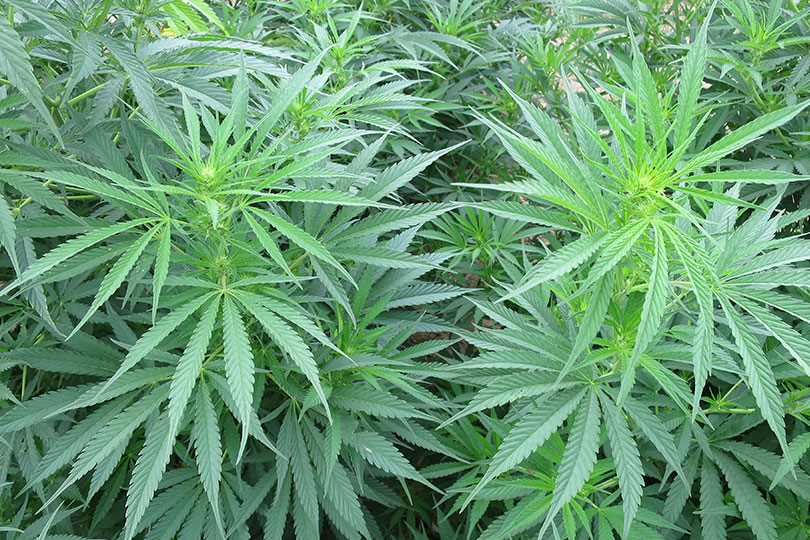
One of the most significant drivers of the hemp industry globally, and within Texas, is the production of cannabidiol (CBD). CBD is a non-intoxicating compound found in hemp that is popular for its potential therapeutic benefits.
- Cultivation for CBD: Growing hemp specifically for high-CBD flower requires careful strain selection and cultivation practices. These crops are often grown in smaller, more controlled environments, sometimes in greenhouses, to maximize cannabinoid production and protect the delicate flower. The end product is typically used to create tinctures, edibles, topicals, and other wellness products.
- Processing and Extraction: Once harvested, the hemp biomass rich in CBD needs to be processed. This involves drying, curing, and then extracting the CBD using methods like CO2 extraction or ethanol extraction. The resulting CBD isolate or full-spectrum extract is then incorporated into various consumer products.
- Market Demand: The demand for CBD products continues to grow, fueled by increasing consumer awareness and research into its potential benefits. This presents a lucrative opportunity for Texas farmers to tap into this expanding market.
Fiber and Biomaterials
Beyond CBD, industrial hemp is a highly sustainable and versatile source of fiber, with applications in a multitude of industries.
- Textiles: Hemp fiber can be processed into yarns for clothing, home furnishings, and industrial textiles. It is known for its strength, durability, and breathability, often compared favorably to cotton.
- Building Materials: Hempcrete, a bio-composite material made from hemp hurd (the woody inner core of the stalk) and lime, is an eco-friendly alternative to traditional building materials. It offers excellent insulation properties and is fire-resistant. The growing interest in sustainable construction in Texas could create a market for hemp-based building materials.
- Paper and Packaging: Hemp can also be used to produce high-quality paper and biodegradable packaging materials, offering an alternative to wood pulp and plastics.
Grain and Food Products
Hemp seeds are a highly nutritious food source, rich in protein, essential fatty acids (omega-3 and omega-6), vitamins, and minerals.
- Hemp Seeds and Oil: Hulled hemp seeds (hemp hearts) can be consumed directly or added to salads, smoothies, and baked goods. Hemp seed oil is used in cooking and as a dietary supplement.
- Livestock Feed: Hemp grain can also be incorporated into animal feed, providing a nutrient-dense supplement.
Challenges and Considerations for Growers
While the opportunities are significant, growers in Texas must also be aware of the challenges.
- Market Volatility: The hemp market, particularly for CBD, can be volatile due to fluctuating prices and evolving regulations.
- Competition: As more states legalize hemp, competition in the market is increasing.
- Processing Infrastructure: Texas is still developing its infrastructure for hemp processing, which can be a hurdle for new growers.
- Financing: Securing financing for hemp operations can be challenging, as the crop is relatively new in the agricultural landscape and lenders may be hesitant.
Cultivation Methods and Best Practices in Texas
Successfully growing hemp in Texas requires adopting appropriate cultivation methods and adhering to best practices that are tailored to the specific needs of the plant and the unique Texan environment.
Field Production for Fiber and Grain
For large-scale production of hemp fiber and grain, traditional field cultivation methods are employed.
- Field Preparation: This involves plowing, disking, and potentially adding amendments to ensure optimal soil conditions, as discussed previously.
- Seeding: Hemp can be direct-seeded into the ground. The seeding rate and depth will depend on the desired end product. For fiber, a higher seeding rate is typically used to encourage tall, slender stalks. For grain, a lower seeding rate is used to allow plants more space to develop larger seed heads.
- Weed Management: Weeds can compete with hemp for nutrients, water, and sunlight. Early-season weed control is crucial. Hemp grows rapidly, and once established, it can often outcompete weeds.
- Harvesting: Hemp for fiber and grain is typically harvested using specialized agricultural machinery. For fiber, the plants are often cut and left to ret (decompose) in the field for a period, which helps in separating the bast fibers from the woody core. For grain, the plants are harvested when the seeds are mature.
Greenhouse and Controlled Environment Agriculture (CEA) for CBD
Cultivation of high-CBD hemp often utilizes greenhouses or other controlled environment systems to optimize cannabinoid production and protect the crop.
- Greenhouse Structures: These structures provide protection from weather elements, pests, and diseases, while allowing for precise control over light, temperature, humidity, and irrigation.
- Strain Selection: For CBD production, growers carefully select feminized hemp seeds or clones of specific cultivars known for their high CBD content and desirable cannabinoid profiles.
- Nutrient Management: Hydroponic or aeroponic systems, common in CEA, allow for precise nutrient delivery, ensuring the plants receive the exact nutritional balance they need at different growth stages.
- Environmental Controls: Sophisticated climate control systems maintain optimal conditions, which can be crucial for maximizing CBD yields and quality, especially in Texas where summer temperatures can be extreme.
- Light Deprivation: Techniques like light deprivation may be used to trigger flowering in photoperiod-sensitive CBD cultivars, allowing for multiple harvests per year.

Post-Harvest Handling and Quality Control
Proper post-harvest handling is critical to preserve the quality of the hemp crop, whether it’s destined for CBD, fiber, grain, or other uses.
- Drying and Curing: This is essential for reducing moisture content and preventing mold. For CBD flower, gentle drying and curing processes are employed to preserve terpenes and cannabinoids.
- Storage: Hemp should be stored in cool, dry, and dark conditions to maintain its quality.
- Testing and Certification: Rigorous testing for THC content, as well as for pesticides, heavy metals, and mycotoxins, is a mandatory part of the process to ensure compliance and product safety.
By understanding and implementing these cultivation methods and best practices, hemp farmers in Texas can increase their chances of producing a high-quality, compliant, and marketable crop, contributing to the growth and success of the state’s industrial hemp industry.
LifeOutOfTheBox is a participant in the Amazon Services LLC Associates Program, an affiliate advertising program designed to provide a means for sites to earn advertising fees by advertising and linking to Amazon.com. Amazon, the Amazon logo, AmazonSupply, and the AmazonSupply logo are trademarks of Amazon.com, Inc. or its affiliates. As an Amazon Associate we earn affiliate commissions from qualifying purchases.