
Understanding the zip codes of a city as vast and diverse as Chicago is fundamental for navigating its intricate urban landscape. More than just a postal abbreviation, a zip code in Chicago serves as a key to unlocking specific neighborhoods, understanding local services, and even appreciating the distinct character of different districts. For travelers, this knowledge can streamline logistics, from booking accommodation to planning daily excursions and ensuring timely delivery of any essential items. For residents, it’s an ingrained part of their daily lives, dictating everything from mail delivery to community services and property values.
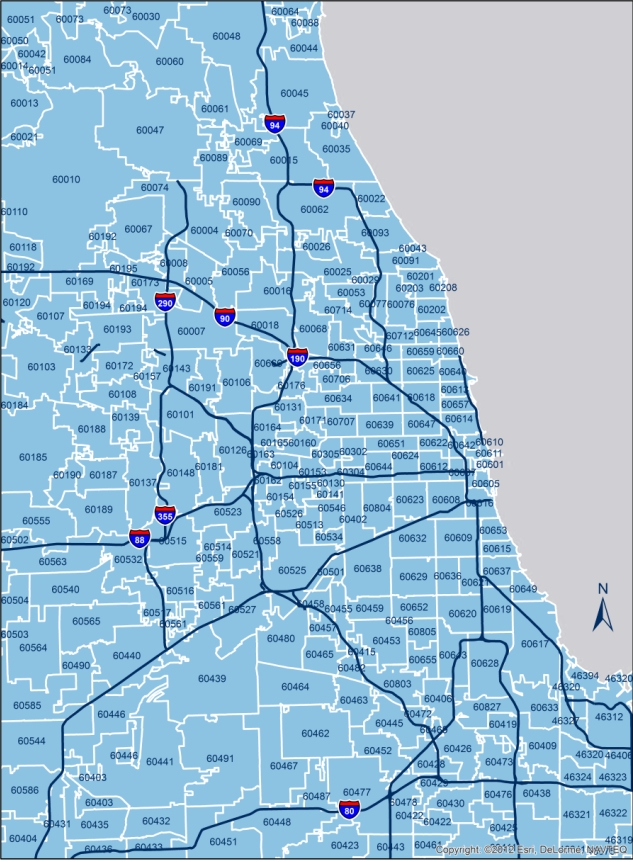
The United States Postal Service (USPS) introduced the Zone Improvement Plan (ZIP) code system in 1963 to improve mail delivery efficiency. Since then, zip codes have evolved beyond their purely postal function, becoming embedded in the fabric of urban planning, demographic studies, and consumer data analysis. In a sprawling metropolis like Chicago, which encompasses a rich tapestry of cultures, architectural styles, and economic strata, zip codes offer a granular view of this dynamic city.
Navigating Chicago by Zip Code
Chicago is divided into a multitude of zip codes, each representing a distinct geographic area with its own unique identity. The sheer number of these codes reflects the city’s scale and complexity. Understanding the general distribution of these codes can provide a helpful framework for exploring the city.
Downtown and the Loop
The heart of Chicago is The Loop, the central business district, and its surrounding areas. This is where many of the city’s most iconic landmarks, skyscrapers, and cultural institutions are located. Zip codes in this central district typically begin with 60601, 60602, 60603, 60604, 60605, and 60606, often encompassing areas like Millennium Park, Grant Park, and the historic financial district.
- 60601: This zip code covers a significant portion of the northern part of the Loop and the southern edge of the Magnificent Mile. It includes notable addresses like the Chicago Cultural Center and several high-rise residential and commercial buildings.
- 60602, 60603, 60604, 60605, 60606: These zip codes collectively form the core of the Loop, housing major financial institutions, government buildings, and significant cultural venues such as the Art Institute of Chicago and the Chicago Symphony Orchestra. They are also home to some of Chicago’s most prestigious hotels and businesses.
The Magnificent Mile and Gold Coast
North of the Loop lies the Magnificent Mile, a renowned stretch of Michigan Avenue famous for its upscale shopping, dining, and entertainment. Adjacent to it, the affluent Gold Coast neighborhood offers a glimpse into historic architecture and luxurious urban living. The zip codes here often include 60610 and 60611.
- 60611: This zip code encompasses much of the Gold Coast and the northern part of the Magnificent Mile. It is characterized by its elegant brownstones, luxury condominiums, and proximity to attractions like the John Hancock Center (now 875 North Michigan Avenue) and the Water Tower Place.
- 60610: This zip code includes areas west of the Gold Coast and extends into parts of the Near North Side, offering a mix of residential buildings, restaurants, and smaller commercial establishments.
Neighborhood Exploration: Beyond the Core
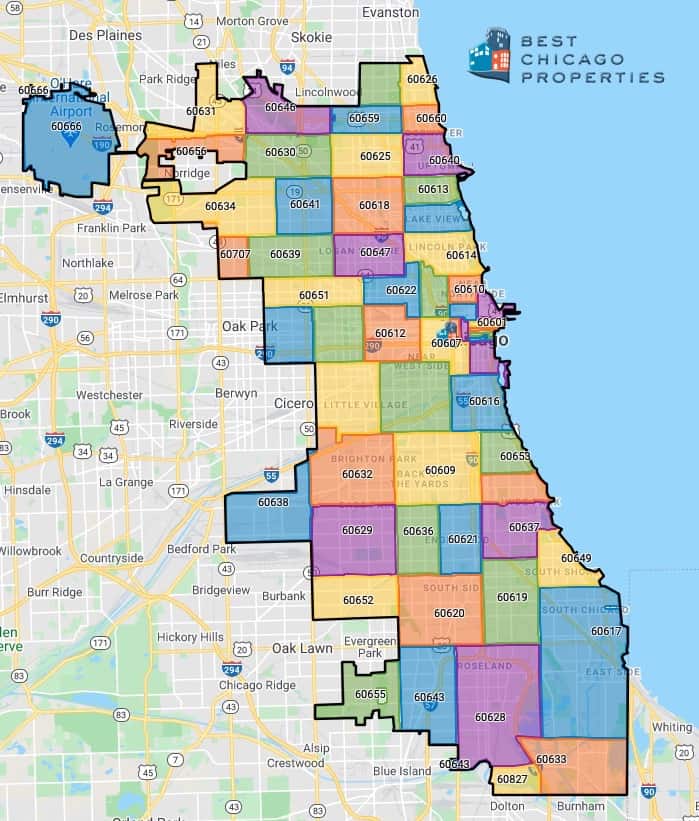
Chicago is renowned for its diverse and vibrant neighborhoods, each possessing its own unique character, history, and community. Zip codes beyond the immediate downtown core provide access to these distinct enclaves, offering a deeper understanding of the city’s cultural mosaic.
- Lincoln Park (60614): This popular neighborhood is known for its expansive park, the Lincoln Park Zoo, and a lively social scene with numerous restaurants and bars. The zip code 60614 covers this bustling area, making it a hub for families and young professionals alike.
- Wicker Park and Bucktown (60622, 60647): These trendy neighborhoods to the northwest of downtown are celebrated for their independent boutiques, vibrant street art, live music venues, and diverse culinary offerings. The zip codes 60622 and 60647 represent these dynamic communities, attracting artists, musicians, and those seeking a more bohemian urban experience.
- Pilsen (60608): Located to the southwest of the Loop, Pilsen is a historically significant Mexican-American neighborhood renowned for its vibrant murals, authentic Mexican cuisine, and thriving arts scene. The zip code 60608 serves this culturally rich district, offering a gateway to its unique heritage.
- Hyde Park (60637): This historic neighborhood on the South Side is home to the prestigious University of Chicago and the Museum of Science and Industry. The zip code 60637 encapsulates this academic and cultural enclave, known for its intellectual atmosphere and beautiful architecture.
- Uptown (60640): Situated north of Lincoln Park, Uptown is a diverse neighborhood with a rich history, known for its vintage architecture, eclectic music venues, and a wide array of international restaurants. The zip code 60640 reflects the multifaceted nature of this community.
- Rogers Park (60626, 60645, 60660): As the northernmost neighborhood of Chicago, Rogers Park is a highly diverse area with a strong sense of community, bordering Lake Michigan and featuring a variety of cultural influences. Its multiple zip codes, including 60626, 60645, and 60660, highlight its expansive geography.
Practical Applications of Chicago Zip Codes
For visitors and locals alike, understanding Chicago’s zip codes enhances practical interactions with the city.
Accommodation and Logistics
When booking a hotel, vacation rental, or planning any travel-related logistics, knowing the zip code of your desired area is crucial. It helps in:
- Geographic Pinpointing: Accurately identifying the location of your accommodation on maps and understanding its proximity to attractions, public transportation, and other points of interest.
- Transportation Planning: Estimating travel times via car, ride-sharing services, or public transit (like the CTA ‘L’ trains and buses) to and from specific zip codes. For instance, knowing you are in the 60601 zip code will immediately inform you of your proximity to major downtown transit hubs.
- Delivery Services: Ensuring that food delivery orders, package deliveries, or any other service requiring a physical address reach their intended destination without delay.
Experiencing Local Culture
Zip codes can also serve as proxies for experiencing different facets of Chicago. While not a definitive guide, they often correlate with:
- Culinary Delights: Certain zip codes are synonymous with specific types of cuisine. For example, the 60608 zip code might lead you to authentic Mexican eateries in Pilsen, while 60611 might offer upscale dining experiences on the Magnificent Mile.
- Artistic Expression: Neighborhoods like Wicker Park (60622) are known for their street art and independent galleries, often contained within specific zip code boundaries.
- Shopping Destinations: From the luxury boutiques in the 60611 zip code to the vintage shops in 60622, zip codes can help guide shoppers to their preferred retail experiences.

Beyond the Numbers: The Essence of Chicago’s Districts
The zip code is merely a numerical identifier, but it points to the real essence of Chicago’s neighborhoods. Each area has its own rhythm, its own stories, and its own contribution to the city’s vibrant identity. Whether you’re looking for the architectural marvels of the Loop (60601-60606), the energetic nightlife of Wicker Park (60622), the family-friendly parks of Lincoln Park (60614), or the historic charm of Hyde Park (60637), understanding the zip code is a practical first step in your exploration.
For the visitor, familiarizing yourself with the general zip code map of Chicago can transform a potentially overwhelming urban experience into a series of manageable and enriching discoveries. It’s a tool that, when combined with an open mind and a curious spirit, unlocks the diverse experiences that make Chicago one of America’s most captivating cities.
LifeOutOfTheBox is a participant in the Amazon Services LLC Associates Program, an affiliate advertising program designed to provide a means for sites to earn advertising fees by advertising and linking to Amazon.com. Amazon, the Amazon logo, AmazonSupply, and the AmazonSupply logo are trademarks of Amazon.com, Inc. or its affiliates. As an Amazon Associate we earn affiliate commissions from qualifying purchases.