
The Culinary Cornerstone of an American Dining Experience
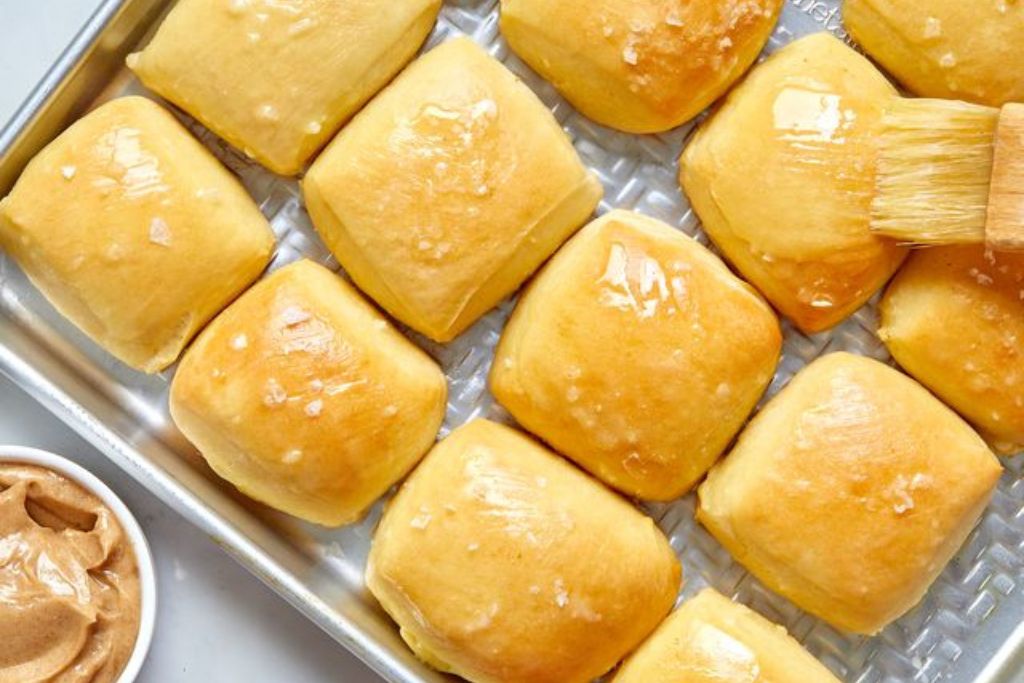
The humble bread roll, often a mere afterthought in many restaurant settings, takes center stage at Texas Roadhouse. These warm, fluffy, and undeniably delicious rolls are more than just a prelude to the main course; they are a signature element that draws diners back time and again. Characterized by their slightly sweet, buttery flavor and soft, pillowy interior, they arrive at the table in generous portions, often accompanied by a cinnamon-infused butter. This iconic offering has fueled countless conversations, celebrated numerous occasions, and become a beloved part of the Texas Roadhouse dining experience across America. But for those mindful of their dietary intake, a burning question often arises: just how many calories are packed into these irresistible treats? Understanding the nutritional profile of such a popular item is key for many patrons seeking to balance indulgence with their personal health goals.

Deconstructing the Deliciousness: Ingredients and Preparation
To truly understand the caloric content of a Texas Roadhouse roll, it’s essential to look at its fundamental components and the meticulous preparation that results in its distinctive texture and flavor. While the exact proprietary recipe remains a closely guarded secret, the general ingredients are common to most yeast-raised bread products. Flour, water, yeast, sugar, and salt form the base. The signature sweetness likely comes from a combination of sugar and potentially honey or molasses, contributing to both flavor and browning. Fat, in the form of butter or shortening, is crucial for achieving the tender crumb and rich mouthfeel. Leavening agents, primarily yeast, are responsible for the airy, fluffy texture that makes these rolls so craveable.
The preparation process likely involves a careful balance of proofing times and baking temperatures. The dough is kneaded to develop gluten, allowing for that signature chewiness. It’s then allowed to rise, creating air pockets that expand during baking. The baking itself is a critical step, ensuring the exterior develops a delicate crust while the interior remains soft and moist. Finally, the generous application of cinnamon butter is a non-negotiable finishing touch that elevates the roll from simple bread to a decadent treat. This butter, often a blend of butter, cinnamon, and powdered sugar, adds a significant caloric and flavorful boost.
The Role of Dough Composition
The ratio of ingredients in the dough plays a pivotal role in its final nutritional value. A higher proportion of flour, a primary source of carbohydrates, will naturally increase the calorie count. The inclusion of sugar, while enhancing taste and texture, also contributes to the caloric density. Fats, whether from butter or shortening, are calorically dense and contribute to the richness. The amount of water used affects the density of the dough, with wetter doughs often yielding lighter results.
The Impact of Cinnamon Butter
The cinnamon butter served alongside the rolls is a significant factor in their overall calorie count. This spread is typically made with a substantial amount of butter, which is high in fat and calories, combined with sugar and cinnamon. While the cinnamon itself has negligible calories, the butter and sugar contribute considerably to the caloric load of each serving. The quantity of butter applied can vary, but it’s generally applied liberally, ensuring every bite is infused with its sweet, spicy goodness.
Estimating the Caloric Load
Pinpointing the exact calorie count of a Texas Roadhouse roll can be challenging due to variations in preparation, portion sizes, and the amount of cinnamon butter used. However, by analyzing typical bread roll recipes and considering the enriching ingredients and accompaniments, we can arrive at a reasonable estimate.
The Roll Itself
A standard, large yeast roll, similar in size and density to those served at Texas Roadhouse, typically falls within a range of 150 to 250 calories. This estimation accounts for the flour, sugar, and fat content of the dough. Factors like the amount of sugar and butter used in the dough recipe can push this figure towards the higher end of the spectrum. The airy nature of the roll, while making it feel light, means a good amount of flour is used to create that volume.
The Cinnamon Butter Contribution
The cinnamon butter is where a substantial portion of the calories can be added. A generous tablespoon of butter contains approximately 100 calories. When this is combined with sugar and potentially more butter, a serving of cinnamon butter can easily add another 100 to 150 calories, if not more, depending on the portion size. Given that Texas Roadhouse is known for its generous servings, it’s not uncommon for patrons to consume a considerable amount of this sweet spread with their rolls.
Total Estimated Calories
Considering both the roll and the accompanying cinnamon butter, a single Texas Roadhouse roll, served with its signature butter, can range from approximately 250 to 400 calories. This broad range reflects the variability in the amount of cinnamon butter consumed and potential minor differences in the roll’s composition. For individuals tracking their calorie intake closely, it’s important to be aware of this significant contribution to their meal’s total caloric value.
Nutritional Considerations for the Mindful Diner
While the allure of the Texas Roadhouse roll is undeniable, understanding its caloric impact is crucial for those managing their diet. The high carbohydrate and fat content means these rolls are a calorie-dense food. For individuals following low-carbohydrate diets, such as ketogenic or Atkins, these rolls would be a significant indulgence to be consumed sparingly, if at all. Similarly, for those monitoring their fat intake, the butter-laden nature of both the roll and its accompaniment warrants careful consideration.

Carbohydrate Load
The primary macronutrient in bread rolls is carbohydrates, primarily derived from flour and added sugars. A single roll can contribute a substantial amount of carbohydrates to a meal. For individuals managing blood sugar levels, particularly those with diabetes, the impact of consuming these rolls should be weighed against their overall meal plan.
Fat Content
The presence of butter in both the dough and the cinnamon spread means that these rolls are also a source of dietary fat. While fats are essential for bodily functions, excessive intake can contribute to weight gain and other health issues. The type of fat in butter is primarily saturated fat, which health organizations often recommend limiting.
Sodium Content
Bread products, especially those made in commercial settings, can also be a source of sodium. While not the primary nutritional concern for most, those monitoring their sodium intake should be aware of this aspect as well.
Strategies for Enjoying Rolls Mindfully
For many, the Texas Roadhouse roll is an integral part of the dining experience, and abstaining entirely may detract from the enjoyment. Fortunately, there are strategies to enjoy these treats more mindfully without complete deprivation.
Portion Control
The most straightforward approach is portion control. Instead of consuming multiple rolls, opt for one. If sharing, ensure the rolls are divided equitably.
Butter Moderation
The cinnamon butter is often the biggest caloric contributor. Consider using a smaller amount of butter or spreading it thinly. Alternatively, you can opt to enjoy the roll plain, allowing the inherent flavor of the bread to shine through. Some diners also choose to scrape off a significant portion of the butter before consuming.
Strategic Consumption
Consider the roll as a treat rather than a staple. Enjoy it as a special part of your meal, perhaps on occasions when you are dining out, rather than as a regular occurrence. Pairing it with a lighter, protein-focused main course can help balance the overall meal’s caloric and nutritional profile.
Sharing is Caring
If dining with a group, consider ordering one basket of rolls to share. This allows everyone to partake in the experience without overindulging individually.
Alternative Accompaniments
While the cinnamon butter is iconic, Texas Roadhouse may offer other spreads or options. Inquire about lighter alternatives if available, though it’s unlikely to match the signature appeal of the cinnamon butter.
Conclusion: A Delicious Indulgence Worth Knowing
The Texas Roadhouse roll, with its warm, soft texture and sweet, buttery flavor, is a beloved American comfort food that has cemented its place in the casual dining landscape. While the exact calorie count can vary, it is estimated that a single roll, along with its generous serving of cinnamon butter, can range from 250 to 400 calories. This figure highlights its status as a calorically dense food, primarily due to its carbohydrate and fat content. For the mindful diner, understanding these nutritional aspects is key to making informed choices. By employing strategies such as portion control, butter moderation, and strategic consumption, individuals can continue to savor this iconic treat while maintaining their dietary goals, ensuring that the joy of a Texas Roadhouse experience is balanced with personal well-being. The allure of these rolls lies not just in their taste but in the experience they represent – a delightful indulgence that, when understood and managed, can be a cherished part of any visit to the popular steakhouse chain.
LifeOutOfTheBox is a participant in the Amazon Services LLC Associates Program, an affiliate advertising program designed to provide a means for sites to earn advertising fees by advertising and linking to Amazon.com. Amazon, the Amazon logo, AmazonSupply, and the AmazonSupply logo are trademarks of Amazon.com, Inc. or its affiliates. As an Amazon Associate we earn affiliate commissions from qualifying purchases.