
Navigating the intricacies of returning purchased goods is a common concern for consumers, and when it comes to alcoholic beverages, the rules can be particularly nuanced. In the state of Texas, the regulations surrounding the return of alcohol are governed by a combination of state laws and individual retailer policies. Understanding these guidelines is crucial for consumers looking to make a return, ensuring a smooth process and avoiding potential disappointment.
Understanding Texas Alcohol Return Laws
In Texas, the Texas Alcoholic Beverage Commission (TABC) oversees the sale and distribution of alcoholic beverages. While the TABC sets the overarching legal framework, the specifics of returns are often left to the discretion of licensed retailers. This means that there isn’t a universal state mandate that obligates all stores to accept alcohol returns.
The Legal Landscape
State laws in Texas generally prohibit the return of alcoholic beverages once they have been sold, with very limited exceptions. This stance is primarily rooted in public health and safety concerns, as well as the prevention of fraud. Allowing open or consumed alcohol to be returned could pose significant risks. The intent of the law is to ensure that the product sold is safe and has not been tampered with. Therefore, the default position is that alcohol sales are final.
Retailer Discretion
Despite the general prohibition, individual businesses operating within Texas have the autonomy to establish their own return policies. This means that some retailers, particularly those focused on customer satisfaction or selling higher-end products, may offer a return option under specific circumstances. These policies are usually clearly communicated to customers, either through signage at the point of sale, on receipts, or on the establishment’s website.
Common Scenarios and Exceptions
While outright returns of alcohol are rare, certain situations might warrant a discussion with the retailer. These typically involve issues with the product itself rather than a change of mind by the consumer.
Defective or Contaminated Products
The most common legitimate reason for a potential return or refund involves a product that is demonstrably defective or contaminated. This could include:
- Corked Wine: If a bottle of wine is “corked,” meaning it has a musty, moldy smell due to a chemical reaction with the cork, most reputable wine shops and some restaurants will offer an exchange or refund. This is considered a product defect, not a consumer error. Documentation, such as keeping the cork and the bottle, might be required.
- Damaged Packaging: If a bottle is damaged or leaking upon purchase due to a manufacturing defect or mishandling before sale, a retailer might consider a return. However, damage that occurs after the item leaves the store is usually not covered.
- Spoiled or Contaminated Beverages: In rare instances, a batch of beer, spirits, or mixers might be contaminated or spoiled due to a manufacturing issue. If the spoilage is evident and not due to improper storage by the consumer, a retailer may offer a refund. Proof of the issue, such as the smell or appearance of the beverage, would be necessary.
Incorrect Items Received
Occasionally, a customer might receive the wrong item due to an error by the retailer. For example, if you ordered a specific brand of whiskey and were given a different one, or if a mixed case of beer contained the wrong varieties, the retailer should rectify the mistake. This is typically handled as an exchange for the correct item rather than a refund.
Factors Influencing Return Policies
Several factors contribute to whether a retailer in Texas will accept alcohol returns, and under what conditions.
Type of Retailer
The nature of the establishment plays a significant role.
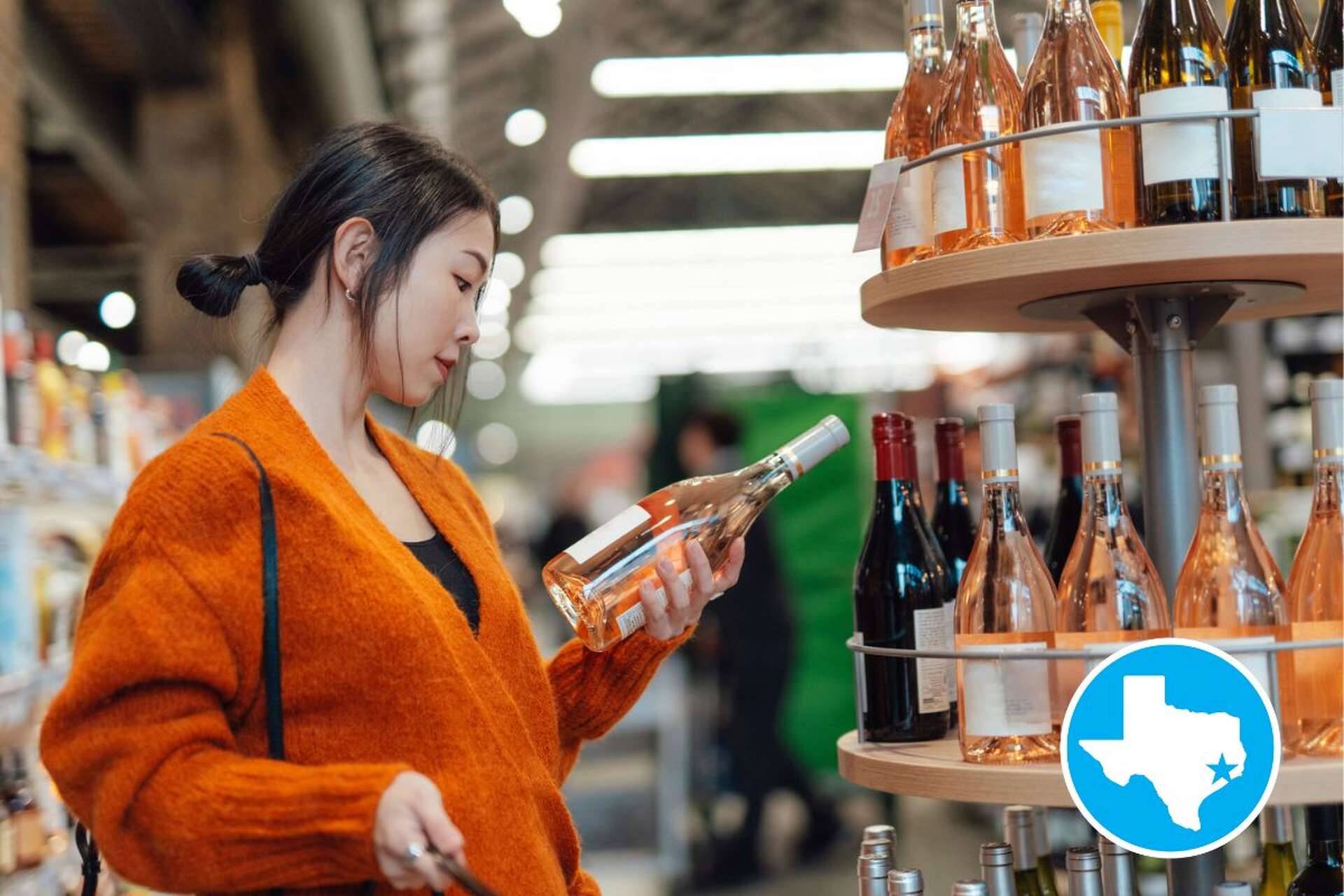
- Specialty Liquor Stores: Stores that focus on premium wines and spirits often have more lenient return policies, especially for expensive or rare items, provided they are unopened and in perfect condition. They understand that such products are significant investments for their customers.
- Grocery Stores and Supermarkets: These establishments typically have stricter policies due to higher volume sales and a broader customer base. Returns are less common unless the product is genuinely defective.
- Bars and Restaurants: Returns for unopened bottles purchased to-go are highly unlikely, as these sales are often considered final once the patron leaves the premises. If a drink served at the bar is unsatisfactory, the establishment will usually offer to remake it or adjust the bill.
Condition of the Product
The condition of the alcohol is paramount.
- Unopened and Intact: For any potential return to be considered, the alcohol must almost always be in its original, unopened container. The seal must be intact, and the packaging undamaged.
- Proper Storage: Retailers will often inquire about how the product was stored after purchase. If the customer cannot demonstrate reasonable storage conditions (e.g., not leaving wine in direct sunlight in a hot car for hours), a return may be denied.
Proof of Purchase
A valid receipt or other proof of purchase is almost universally required for any return or exchange. This helps the retailer verify that the item was purchased from their establishment and within a reasonable timeframe.
Tips for a Successful Return (If Applicable)
If you find yourself needing to attempt a return of alcohol in Texas, following these tips can improve your chances of a favorable outcome.
Act Promptly
Do not delay in addressing the issue. The sooner you contact the retailer after discovering a problem, the better. Most return policies have time limits.
Contact the Retailer Directly
Reach out to the specific store where you made the purchase. Do not assume that a chain will have a standardized policy across all its locations; policies can vary.
Be Prepared with Information
Have your receipt, the product in question, and a clear explanation of the issue ready. If it’s a defective product, be specific about the nature of the defect.
Understand Their Policy
Before attempting a return, familiarize yourself with the retailer’s stated return policy. If you are unsure, ask at the time of purchase.
Be Polite and Reasonable
Even if you believe you are in the right, maintaining a polite and reasonable demeanor with the staff will go a long way. They are more likely to assist a cooperative customer.
The Final Word on Alcohol Returns in Texas
In conclusion, while the state of Texas does not mandate the acceptance of alcohol returns by retailers, individual businesses may implement their own policies. The most common and accepted reasons for a return or refund revolve around product defects, such as a corked wine or spoiled beverage, or errors made by the retailer. For consumers, understanding these nuances, acting promptly, and maintaining clear communication with the establishment are key to navigating the process effectively. Always remember that for most retailers, especially those outside of specialty shops, alcohol sales are typically considered final, making it important to choose your selections wisely.
LifeOutOfTheBox is a participant in the Amazon Services LLC Associates Program, an affiliate advertising program designed to provide a means for sites to earn advertising fees by advertising and linking to Amazon.com. Amazon, the Amazon logo, AmazonSupply, and the AmazonSupply logo are trademarks of Amazon.com, Inc. or its affiliates. As an Amazon Associate we earn affiliate commissions from qualifying purchases.