
Navigating the nuances of academic citation can often feel like deciphering an ancient map, especially when dealing with the ever-evolving landscape of digital resources. For travelers, researchers, and avid learners who frequently draw upon online content for their explorations, understanding how to properly cite a website in Chicago Style is not just a matter of academic integrity but a crucial skill for giving credit where it’s due and allowing readers to trace your sources. Whether you’re documenting a journey through the vibrant streets of Marrakech or analyzing the architectural marvels of Machu Picchu, accurate citation ensures your work is credible and robust.
The Chicago Manual of Style (CMOS), a widely respected guide for writing, editing, and citation, offers two distinct systems: the Notes and Bibliography system and the Author-Date system. While the core principles of providing comprehensive information remain the same, the formatting and placement of citations differ. For citing websites, both systems require key elements to identify the source clearly. The goal is to provide your reader with enough information to locate the original material, thereby bolstering the authority of your own writing. This is particularly pertinent when discussing travel experiences, as the online world offers an unparalleled depth of information, from obscure local eateries to detailed historical accounts of significant landmarks.
Understanding the Core Components of a Website Citation
Regardless of which Chicago Style system you employ, certain fundamental pieces of information are necessary to construct a complete and effective website citation. Think of these as the essential ingredients for a well-prepared dish; without them, the final product is incomplete.
Essential Information for Website Citations
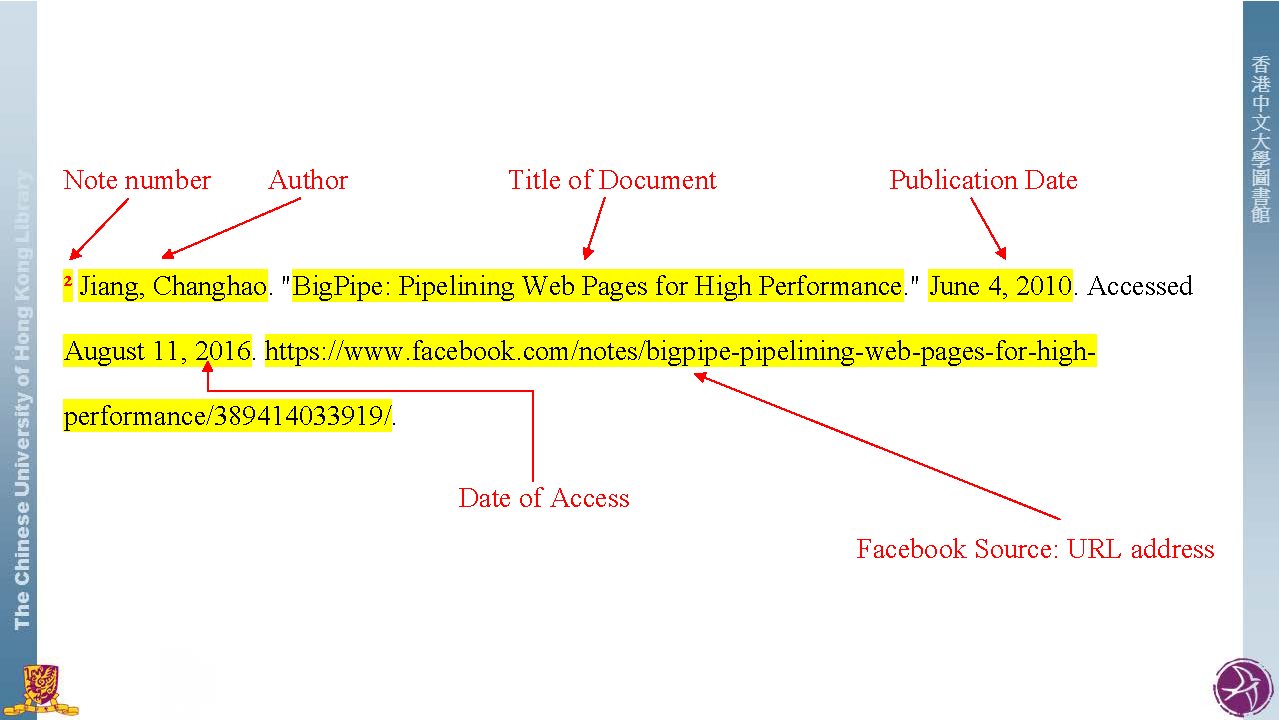
When you encounter a website that you wish to cite, the first step is to identify and record the following details:
- Author or Editor: This can be an individual’s name, a corporate body (like a tourism board or a travel agency), or sometimes, no author is listed. If no specific author is found, you will typically use the name of the website or organization.
- Title of the Specific Page or Article: This is the title of the individual web page you are referencing, not necessarily the title of the entire website. For example, if you are citing information about the Louvre Museum, you would cite the specific page about its history or a particular exhibition, not just “Louvre Museum.”
- Title of the Overall Website: This is the main title of the website itself. For instance, if you are using a travel blog, the website title would be the name of that blog.
- Publication Date: This includes the date the content was published or last updated. If no date is available, note this absence. Sometimes, a “last modified” date is present, which can serve as a substitute for a publication date.
- URL (Uniform Resource Locator): This is the web address of the specific page. It’s crucial to provide the full, direct URL.
- Date of Access: Chicago Style recommends including the date you accessed the website. This is because web content can change or disappear, so this date indicates when the information was confirmed to be available in its cited form.
Gathering these components systematically will ensure that your citations are accurate and complete, whether you are referencing a blog post about navigating the Venetian canals or a historical overview of Rome.
Citing Websites in the Notes and Bibliography System
The Notes and Bibliography system is commonly used in fields like history and literature. It involves using footnotes or endnotes to cite sources within the text and a bibliography at the end of the work.
Footnotes and Endnotes
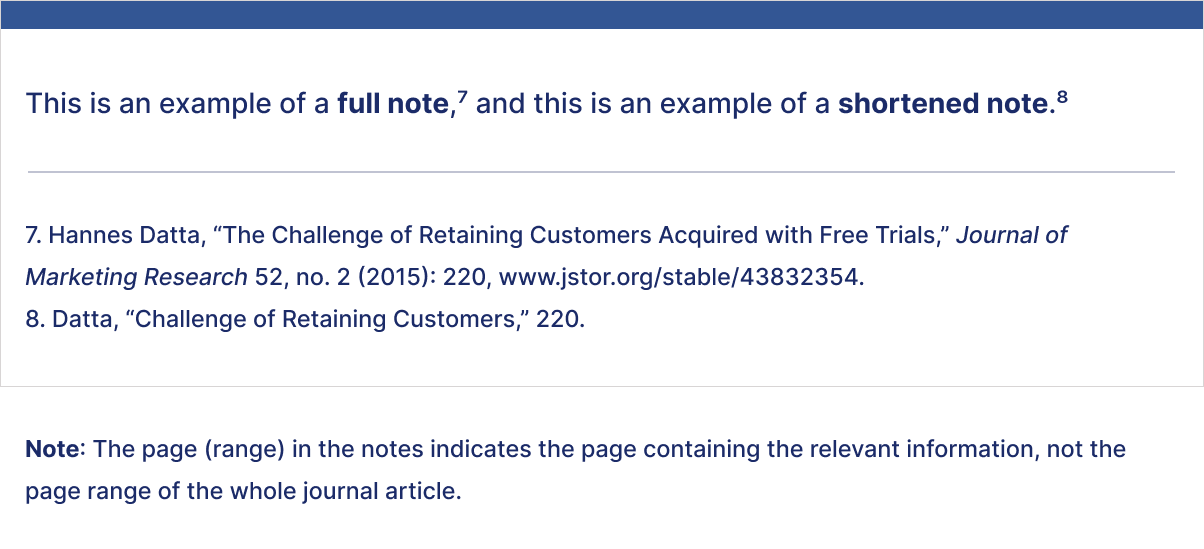
When citing a website for the first time in a note, you will typically include more detailed information than in subsequent notes for the same source.
First Note:
Author’s First Name Last Name, “Title of Specific Page,” Title of Overall Website, Publication Date, accessed Month Day, Year, URL.
Example:
- Jane Doe, “Exploring the Ancient Ruins of Petra,” Wanderlust Chronicles, October 26, 2023, accessed March 15, 2024, https://www.wanderlustchronicles.com/petra-ruins.
Subsequent Notes:
For any subsequent references to the same source, a shortened version is used.
Author Last Name, “Shortened Title of Page,” URL (or page number if available).
Example:
- Doe, “Exploring the Ancient Ruins of Petra,” https://www.wanderlustchronicles.com/petra-ruins.
If the author is a corporate body and no individual author is listed for the specific page, you would list the organization name.
Example:
- National Geographic, “The Majesty of Galápagos Islands,” accessed March 15, 2024, https://www.nationalgeographic.com/travel/destinations/galapagos-islands/.
Bibliography
The bibliography appears at the end of your paper and lists all sources cited in your notes. The format is slightly different, typically omitting the author’s first name first and presenting information in a block format.
Author Last Name, First Name (or Corporate Body). “Title of Specific Page.” Title of Overall Website. Publication Date. Accessed Month Day, Year. URL.
Example:
Doe, Jane. “Exploring the Ancient Ruins of Petra.” Wanderlust Chronicles. October 26, 2023. Accessed March 15, 2024. https://www.wanderlustchronicles.com/petra-ruins.
Example with Corporate Author:
National Geographic. “The Majesty of Galápagos Islands.” Accessed March 15, 2024. https://www.nationalgeographic.com/travel/destinations/galapagos-islands/.
Citing Websites in the Author-Date System
The Author-Date system is prevalent in the social sciences and natural sciences. It uses parenthetical citations within the text and a reference list at the end.

In-Text Citations
Parenthetical citations include the author’s last name and the year of publication. If a page number is available, it can also be included, though it’s less common for web pages unless referring to a specific section or PDF.
(Author Last Name Year)
Example:
(Doe 2023)
If the author is a corporate body:
(Corporate Body Name Year)
Example:
(National Geographic 2024)
Reference List
The reference list at the end of your paper provides full details for each source cited in the text. The format for websites is as follows:
Author Last Name, First Name (or Corporate Body). Year. “Title of Specific Page.” Title of Overall Website. Accessed Month Day, Year. URL.
Example:
Doe, Jane. 2023. “Exploring the Ancient Ruins of Petra.” Wanderlust Chronicles. Accessed March 15, 2024. https://www.wanderlustchronicles.com/petra-ruins.
Example with Corporate Author:
National Geographic. 2024. “The Majesty of Galápagos Islands.” Accessed March 15, 2024. https://www.nationalgeographic.com/travel/destinations/galapagos-islands/.
Notice the slight difference in the placement of the access date compared to the Notes and Bibliography system, and the year of publication is immediately after the author’s name.
Handling Common Website Citation Challenges
The digital realm is not always neatly organized. You may encounter situations where some standard citation elements are missing. Chicago Style offers guidance for these common scenarios.
No Author Listed
If no author is readily apparent, use the title of the specific page as the first element in your note or bibliography entry, followed by the title of the overall website.
Example (Notes and Bibliography):
- Note: “A Guide to Kyoto‘s Temples,” Japan Travel Insider, April 10, 2023, accessed March 15, 2024, https://www.japantravelinsider.com/kyoto-temples.
- Bibliography: “A Guide to Kyoto’s Temples.” Japan Travel Insider. April 10, 2023. Accessed March 15, 2024. https://www.japantravelinsider.com/kyoto-temples.
Example (Author-Date):
- In-Text: (“A Guide to Kyoto’s Temples” 2023)
- Reference List: “A Guide to Kyoto’s Temples.” 2023. Japan Travel Insider. Accessed March 15, 2024. https://www.japantravelinsider.com/kyoto-temples.
No Publication Date Listed
If no publication or last modified date is available, use “n.d.” (for “no date”) in place of the date.
Example (Notes and Bibliography):
- Mark Smith, “Discovering the Bora Bora Lagoon,” Island Escapes, n.d., accessed March 15, 2024, https://www.islandescapes.com/bora-bora-lagoon.
Example (Author-Date):
Smith, Mark. n.d. “Discovering the Bora Bora Lagoon.” Island Escapes. Accessed March 15, 2024. https://www.islandescapes.com/bora-bora-lagoon.
Websites Without Clear Titles
In rare cases, a website might not have a discernible title. In such instances, you would omit this element and proceed with the available information. However, most reputable travel blogs, destination guides, and informational sites will have clear titles for both the overall website and individual pages.
The Importance of Accurate Citation in Travel Writing
Properly citing websites in Chicago Style is paramount for anyone producing travel-related content. It lends credibility to your narratives, allowing readers to verify information about destinations, historical sites like Angkor Wat, or cultural practices. When you cite a blog post detailing insider tips for Bavaria, a government tourism site about the national parks of Canada, or an academic journal article discussing the impact of tourism on Venice, you are not only acknowledging your sources but also empowering your audience to delve deeper into the topics that intrigue them. This meticulous attention to detail elevates your work from a personal account to a well-researched resource, fostering trust and enhancing the reader’s overall experience. Whether you are crafting a guide to Scandinavia or analyzing the economics of resort towns, mastering website citation in Chicago Style is an indispensable tool in your writing arsenal.
LifeOutOfTheBox is a participant in the Amazon Services LLC Associates Program, an affiliate advertising program designed to provide a means for sites to earn advertising fees by advertising and linking to Amazon.com. Amazon, the Amazon logo, AmazonSupply, and the AmazonSupply logo are trademarks of Amazon.com, Inc. or its affiliates. As an Amazon Associate we earn affiliate commissions from qualifying purchases.