
Navigating the diverse landscape of Texas means embracing its vast stretches of highway, charming small towns, and bustling metropolises. Whether you’re planning a road trip to explore the Alamo, a culinary adventure through Austin‘s vibrant food scene, or a family vacation to the Space Center Houston, your vehicle is likely your trusted companion. But before you hit the open road, a crucial question arises for any visitor or new resident: what are the requirements for car insurance in the Lone Star State? Understanding these regulations is not just about legal compliance; it’s fundamental to safeguarding your travel experiences and ensuring peace of mind.
Understanding Texas’s Minimum Liability Coverage
The core of car insurance requirements in Texas revolves around a concept known as “minimum liability coverage.” This is the absolute baseline of protection mandated by state law. Its primary purpose is to ensure that drivers who cause accidents can cover the costs associated with injuries and property damage to others involved. Texas operates under a fault system, meaning the driver deemed responsible for an accident is liable for the damages.
The “30/60/25” Rule Explained
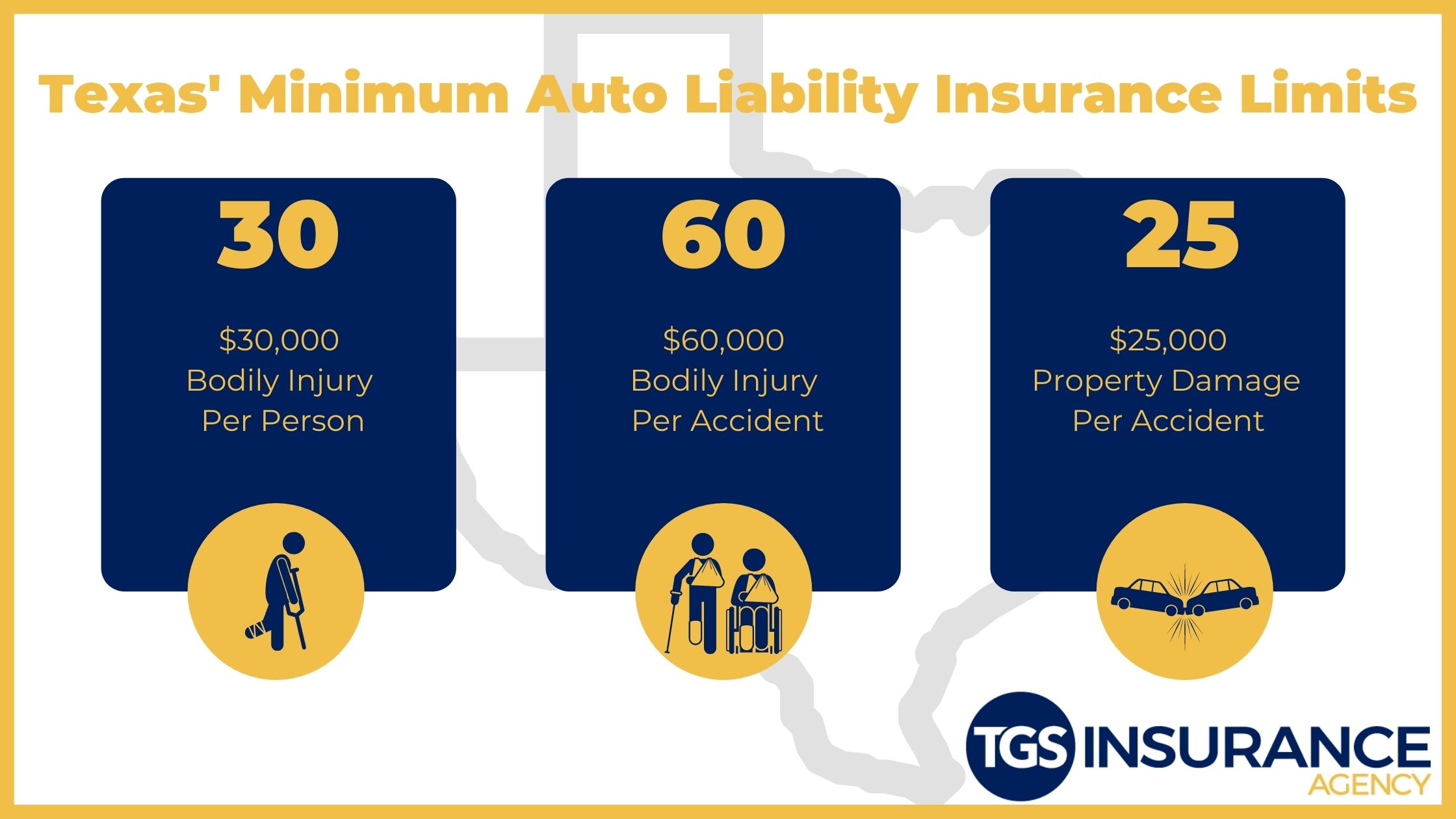
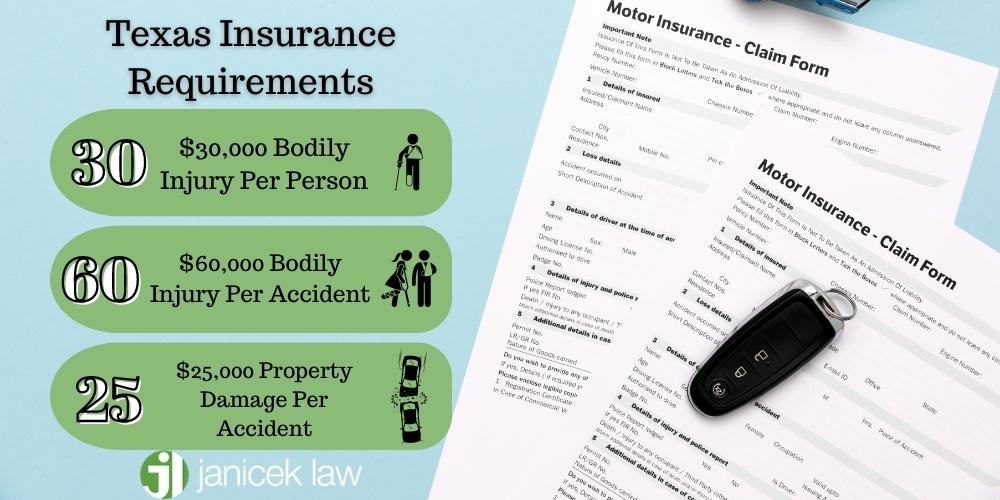
When discussing minimum liability coverage in Texas, you’ll frequently encounter the “30/60/25” rule. This is a shorthand for the minimum dollar amounts your insurance policy must cover. Let’s break down what each number represents:
- $30,000 of bodily injury liability per person: This is the maximum amount your insurance company will pay for injuries to a single person in an accident for which you are at fault.
- $60,000 of bodily injury liability per accident: This is the maximum your insurance company will pay for all bodily injuries to everyone involved in an accident for which you are at fault. This is a per-accident limit.
- $25,000 of property damage liability per accident: This is the maximum your insurance company will pay for damage to another person’s property (e.g., their vehicle, a fence, a building) in an accident for which you are at fault.
It’s crucial to understand that these are minimums. While meeting these requirements satisfies the law, many insurance professionals and seasoned travelers strongly advise considering coverage beyond these bare-bones amounts. An accident, especially one involving significant injuries, can quickly exceed these limits, leaving you personally responsible for the remaining costs. This could lead to substantial financial hardship, impacting everything from your travel budget to your overall financial stability.
Proof of Financial Responsibility
Texas law requires all drivers to be able to demonstrate “proof of financial responsibility.” This means you must be able to show that you have the required minimum liability insurance. The most common ways to do this are:
- Insurance Identification Card: Your insurance company will provide you with an insurance card that lists your policy number, coverage types, and effective dates. This card must be carried in your vehicle and presented to law enforcement if requested.
- Insurance Policy Declarations Page: This document provides more detailed information about your coverage.
- Surety Bond: A less common method, where a third party guarantees your financial responsibility.
- Deposit of Cash or Securities: Another alternative, though rarely used by individuals.
Failure to provide proof of financial responsibility can result in penalties, including fines, license suspension, and even vehicle impoundment. For a traveler, this could severely disrupt your journey, forcing unexpected detours and additional expenses.
Beyond the Minimum: Why Higher Coverage Matters for Travelers
While the “30/60/25” rule is the legal minimum in Texas, it’s often insufficient for the realities of modern driving and potential accident costs. For anyone planning a trip that involves extensive driving across the state, or for those considering a longer stay, opting for higher coverage levels is a prudent decision.
The Risk of Underinsurance
Imagine you’re driving through the scenic Hill Country, perhaps en route to a charming bed and breakfast in Fredericksburg. An unexpected event occurs – a sudden swerve by another driver, an animal darting into the road – and you’re involved in an accident. If the other party suffers significant injuries, the medical bills alone could easily surpass the $30,000 per person limit. Hospital stays, surgeries, rehabilitation, and potential lost wages can quickly add up to tens or even hundreds of thousands of dollars.
If your insurance only covers the minimum, you would be personally liable for any amount exceeding your policy limits. This could include:
- Medical Expenses: Beyond the coverage provided by your insurance.
- Lost Wages: If the injured party is unable to work due to their injuries.
- Pain and Suffering: Compensation awarded for physical and emotional distress.
- Property Damage: Costs to repair or replace significantly damaged vehicles or other property.
This financial burden can be devastating, particularly for travelers who may not have the extensive financial resources available to a full-time resident. Your dream vacation can quickly turn into a financial nightmare.
Additional Coverage Options to Consider
To mitigate these risks, Texas offers several optional yet highly recommended insurance coverages:
Uninsured/Underinsured Motorist (UM/UIM) Coverage
This coverage is particularly vital in Texas. A significant number of drivers on the road may not have insurance at all, or they may only carry the minimum liability limits, making them “uninsured” or “underinsured” in the event of an accident.
- Uninsured Motorist (UM): Protects you if you’re hit by a driver who has no car insurance.
- Underinsured Motorist (UIM): Protects you if you’re hit by a driver who has insurance, but their policy limits aren’t high enough to cover your damages.
UM/UIM coverage can compensate you for medical expenses, lost wages, and pain and suffering if the at-fault driver cannot. This is a critical layer of protection, especially when exploring popular destinations like Galveston or attending events like the State Fair of Texas.
Collision and Comprehensive Coverage

While not legally mandated, these coverages are essential for protecting your own vehicle.
- Collision Coverage: Pays for damage to your car resulting from a collision with another vehicle or object, regardless of who is at fault. This is crucial for covering repairs if your car is damaged in an accident.
- Comprehensive Coverage: Pays for damage to your car from incidents other than collisions, such as theft, vandalism, fire, natural disasters (hail, floods), or hitting an animal. Given the varied weather patterns in Texas, including potential for severe storms or encounters with wildlife, comprehensive coverage offers valuable protection.
For travelers who have financed their vehicle or own a newer car, these coverages are almost always required by the lender and are highly recommended for protecting your investment and ensuring your ability to continue your travels without unexpected major repair costs.
Medical Payments (MedPay) Coverage
This coverage helps pay for medical expenses for you and your passengers, regardless of who is at fault in an accident. It can cover deductibles, co-payments, and other out-of-pocket medical costs not fully covered by your health insurance. This can be a useful supplement, particularly for shorter trips where navigating unfamiliar healthcare systems might be a concern.
Specific Scenarios for Travelers and Insurance Needs
The type of travel you’re undertaking in Texas can also influence your insurance needs. Whether you’re a tourist, a temporary resident, or a business traveler, understanding these nuances is key.
Tourists and Short-Term Visitors
If you’re visiting Texas for a vacation, the primary concern is ensuring your existing auto insurance policy from your home state or country provides adequate coverage while you’re driving in Texas.
- Interstate Compacts: Most states, including Texas, have agreements that recognize valid insurance policies from other U.S. states. This means your policy purchased in California, Florida, or any other state should generally be sufficient. However, it’s always wise to confirm with your insurance provider that your coverage extends out-of-state.
- International Visitors: Tourists from outside the U.S. will need to verify their insurance coverage. Rental car companies in Texas will require proof of insurance or offer their own rental insurance options. It is highly recommended to purchase comprehensive coverage through the rental company or ensure your travel insurance or personal auto policy adequately covers international driving. Relying solely on the minimum liability may not be sufficient, especially for damage to the rental vehicle.
Temporary Residents and Extended Stays
If your visit to Texas extends beyond a typical vacation, perhaps for a temporary work assignment, attending a prolonged event, or as a snowbird, you may need to consider more specific insurance arrangements.
- Establishing Residency: While Texas law requires a certain period of residency before mandating a Texas driver’s license and insurance, it’s prudent to understand these timelines. If you plan to stay for an extended period, such as several months, it might be beneficial to obtain a Texas policy. This can sometimes offer better rates and ensures you are fully compliant with local regulations should your stay extend beyond what is considered a visitor status.
- Rental Agreements: If you are using a long-term rental or lease, the terms of that agreement will likely stipulate specific insurance requirements that you must meet.
Business Travelers
For professionals visiting Texas for business, the company you represent likely has insurance protocols in place.
- Company Vehicles: If you are driving a company-owned vehicle, ensure you are listed on the company’s insurance policy and understand its coverage limits.
- Rented Vehicles for Business: If you rent a vehicle for business purposes, consult with your employer regarding their insurance coverage for rental cars. Often, business auto policies provide higher limits and broader coverage than personal policies.
Penalties for Driving Without Insurance in Texas
Driving without the legally required minimum liability insurance in Texas carries significant penalties. These are designed to deter uninsured driving and protect the public.
First Offense Penalties
- Fines: A minimum fine of $150 and a maximum of $350 for the first offense.
- Surcharges: Additional surcharges are added to your vehicle registration fees.
- License and Registration Suspension: Your driver’s license and vehicle registration can be suspended.
Subsequent Offenses
- Increased Fines: For subsequent offenses, fines can range from $350 to $1,000.
- Jail Time: In some cases, jail time may be an option for judges.
- Vehicle Impoundment: Your vehicle can be impounded.
The SR-22 Requirement
If you are convicted of driving without insurance, you will likely be required to file an SR-22 certificate with the state. This is not insurance itself, but rather a document filed by your insurance company with the Texas Department of Public Safety, certifying that you have obtained the required liability coverage. This requirement typically lasts for two years and leads to significantly higher insurance premiums.
Conclusion: Drive Confidently in Texas
Whether you’re drawn to the historical sites of San Antonio, the natural beauty of the Big Bend National Park, or the vibrant arts scene in Dallas, your journey through Texas should be one of excitement and discovery, not worry. Understanding the state’s car insurance laws is a fundamental step in ensuring that your travels are safe, legal, and financially secure.
While meeting the minimum liability requirements of “30/60/25” is the legal obligation, a deeper look reveals the substantial benefits of opting for higher coverage limits, particularly Uninsured/Underinsured Motorist (UM/UIM) coverage, Collision, and Comprehensive options. These choices provide a robust safety net against the unpredictable nature of driving and the potentially astronomical costs associated with accidents. By investing in adequate insurance, you’re not just complying with the law; you’re investing in the freedom to explore the vast and varied wonders of Texas with the confidence that you and your fellow travelers are protected. Always consult with a licensed insurance professional to tailor a policy that best suits your specific travel plans and risk tolerance.
LifeOutOfTheBox is a participant in the Amazon Services LLC Associates Program, an affiliate advertising program designed to provide a means for sites to earn advertising fees by advertising and linking to Amazon.com. Amazon, the Amazon logo, AmazonSupply, and the AmazonSupply logo are trademarks of Amazon.com, Inc. or its affiliates. As an Amazon Associate we earn affiliate commissions from qualifying purchases.