
Texas, a state synonymous with wide-open spaces and abundant wildlife, presents a compelling allure for hunters. Among its most sought-after quarry is the feral hog, an invasive species whose population booms across the Lone Star State. For many considering a hunting trip to Texas, a fundamental question arises: “Do you need a license to hunt hogs in Texas?” The answer, while generally straightforward, involves understanding specific regulations set forth by the Texas Parks and Wildlife Department (TPWD). This guide aims to demystify these requirements, ensuring your hunting expedition is both legal and rewarding.
Understanding Feral Hog Regulations in Texas
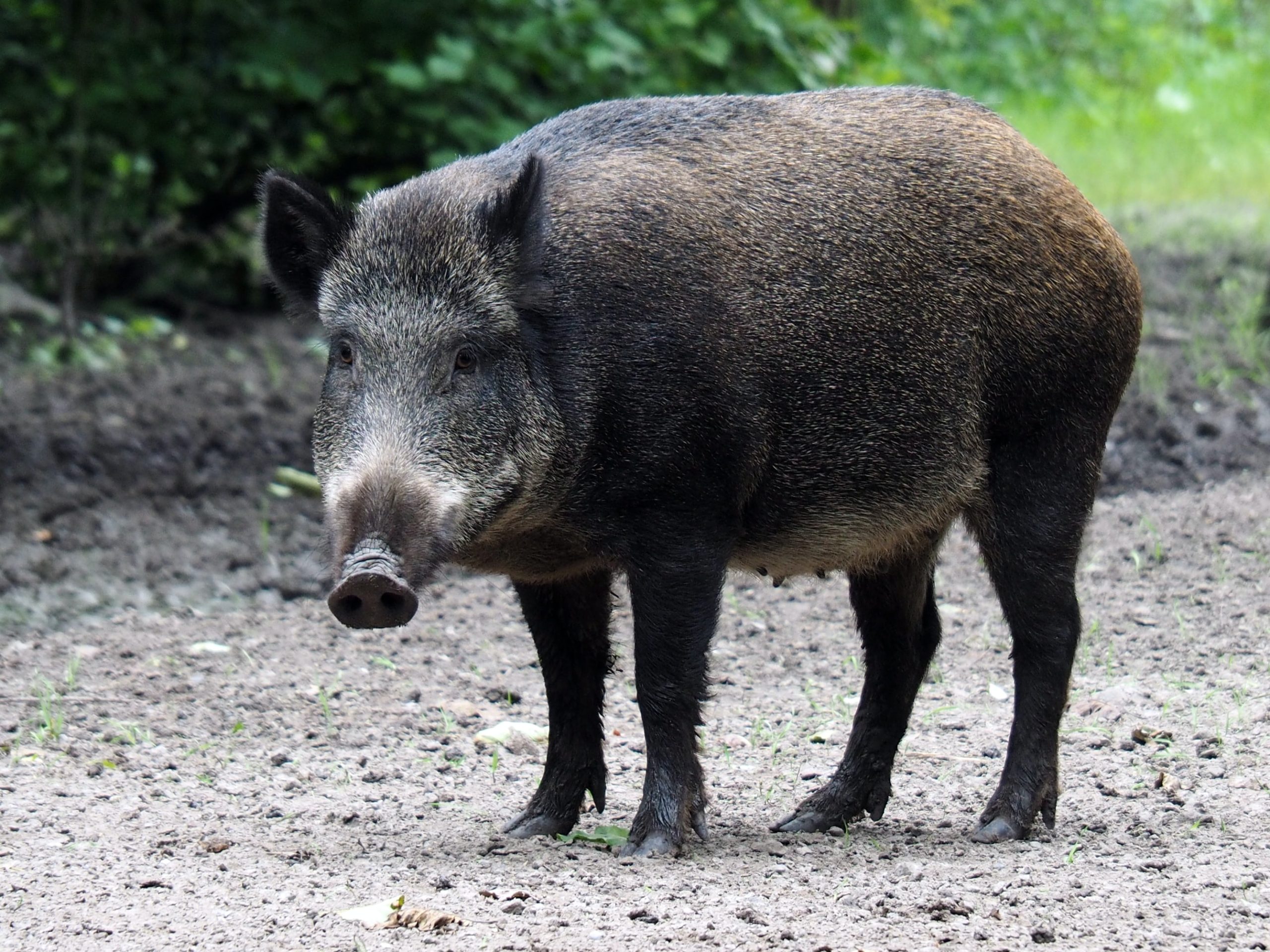
Feral hogs, or wild pigs, are not native to Texas. They are descendants of escaped domestic pigs that have established wild populations. Due to their prolific breeding habits and destructive foraging, they are considered a nuisance and often a target for sport hunting. Their presence impacts native ecosystems, agricultural lands, and even urban areas.
The General Rule: No License Required for Hogs on Private Land
The most significant aspect of feral hog hunting regulations in Texas is that, in most circumstances, you do not need a hunting license to hunt feral hogs on private property, provided you have the landowner’s permission. This applies to both Texas residents and non-residents. This policy is a deliberate strategy by the TPWD to encourage the control of feral hog populations. By removing this barrier, the state aims to empower landowners and hunters alike to actively manage the species.
This exemption from licensing requirements is a cornerstone of Texas’s feral hog management plan. It allows for more frequent and widespread hunting, which is crucial for controlling the damage these animals can inflict. The TPWD recognizes the economic and ecological harm caused by feral hogs, and making them accessible targets is a key part of the solution.
Exceptions and Nuances to the Rule
While the general rule is liberating for many hunters, there are critical nuances and exceptions to be aware of:
Private Land with Specific Restrictions
Even on private land, there can be specific stipulations. For instance, if the landowner has enrolled their property in certain agricultural programs or conservation easements, there might be specific rules in place that could affect hunting. Always confirm directly with the landowner about any specific restrictions or requirements they may have beyond general TPWD regulations.
Public Hunting Lands
When hunting on public lands managed by the TPWD or other public entities, licensing requirements do apply. This is a crucial distinction. These lands are managed for a variety of wildlife and recreational activities, and to ensure fair chase and conservation efforts, a valid Texas hunting license is mandatory. Public hunting areas often have specific draw hunts or permits associated with them, and these will necessitate a hunting license. Information on specific public hunting opportunities and their associated regulations can be found on the TPWD website.
Federal Lands
Hunting on federal lands within Texas is governed by federal regulations, which often differ from state rules. While feral hogs are present on some federal lands, you will likely need to consult the specific management plan for that particular federal area and possess the appropriate federal permits and a Texas hunting license.
Methods of Take
The methods by which you hunt feral hogs are also regulated. While the license requirement may be waived in certain private land scenarios, the allowed methods of take are still subject to TPWD regulations. This generally includes lawful firearms, archery equipment, and primitive weapons during designated seasons if applicable (though hogs can often be hunted year-round). Trapping is also a common and effective method for controlling hog populations.
Migratory Birds and Other Game
It is imperative to remember that this licensing exemption only applies to feral hogs. If your hunting trip in Texas involves pursuing any other game species, such as white-tailed deer, dove, or waterfowl, you will absolutely need the appropriate Texas hunting license for those specific species and game seasons. The exemption for hogs is precisely that – an exemption for hogs.
Landowner Liability and Responsibility
While the absence of a license requirement on private land simplifies things for the hunter, it’s important for landowners to understand their responsibilities. They are ultimately responsible for ensuring that any hunting activity on their property is conducted safely and legally. This includes:
- Granting explicit permission: A verbal agreement is generally sufficient, but a written agreement can prevent misunderstandings.
- Ensuring hunters are aware of property boundaries: Hunters should know where they are allowed to hunt.
- Promoting safe hunting practices: Landowners can set their own rules regarding safe firearm handling and other aspects of the hunt.
- Understanding potential liability: While hunting is generally considered an accepted risk in rural areas, landowners should be aware of their potential liability should an accident occur.

The Importance of the Texas Hunting License
For those who do need a license, or who choose to obtain one even when not strictly required for hogs on private land, it offers several benefits:
- Access to Public Lands: As mentioned, it’s the key to hunting on state and federal public lands.
- Legality for Other Game: It allows you to legally pursue a wide array of other Texas game animals.
- Contribution to Conservation: License fees are a vital source of funding for wildlife management, habitat preservation, and conservation efforts across Texas through the TPWD. When you purchase a license, you contribute directly to the health and sustainability of Texas’s natural resources.
- Educational Resources: TPWD often provides educational materials and hunter education courses that are invaluable for new and experienced hunters alike.
Obtaining a Texas Hunting License
If you determine you need a license, or simply wish to have one, obtaining a Texas hunting license is a straightforward process. Licenses can be purchased:
- Online: Through the Texas Parks and Wildlife Department official website. This is often the quickest and most convenient method.
- In Person: At authorized license vendors, which include many sporting goods stores, Walmart locations, and local tax assessor-collector offices.
- By Phone: Through the TPWD licensing system.
When purchasing a license, you will need to provide personal information, including your residency status. There are different license options available, ranging from short-term permits to annual licenses, and specialized endorsements for certain types of hunting (e.g., migratory game birds). Non-residents will generally pay a higher fee than residents.
Planning Your Texas Hog Hunting Trip
Beyond understanding licensing requirements, planning a successful hog hunt in Texas involves several other considerations:
Choosing Your Hunting Location
- Private Land: If you don’t own land in Texas, you can often lease hunting rights or find guided hunts on private ranches. Many ranches cater specifically to feral hog hunting and offer packages that include lodging and guides. Research reputable ranches and outfitters.
- Public Hunting Lands: For the more adventurous or budget-conscious hunter, public hunting offers opportunities. However, these areas can be more challenging due to increased hunting pressure and the need for a license. Thorough research into TPWD’s public hunting programs and maps is essential.
Seasonality and Best Times to Hunt
Feral hogs can be hunted year-round in Texas on private land. However, certain times of the year may be more productive:
- Post-Harvesting Seasons: After deer or other game seasons conclude, hog hunting can be excellent as they often move into harvested fields.
- Winter Months: Hogs tend to be more visible and active during cooler weather, especially when seeking food sources.
- During Droughts: When water and food become scarce, hogs may congregate near reliable sources, making them easier to find.
Gear and Equipment
Essential gear for a Texas hog hunt includes:
- Firearm or Bow: Appropriate for the terrain and distance you anticipate.
- Ammunition/Arrows: Sufficient supply.
- Appropriate Clothing: Durable, camouflage or earth-toned attire suitable for Texas weather, which can vary significantly.
- Boots: Comfortable and sturdy for walking.
- Navigation Tools: GPS device or compass and map, especially on public land.
- First-Aid Kit: For any unexpected injuries.
- Water and Food: Essential for longer excursions.
- Knife and Field Dressing Supplies: If you plan to process the animal yourself.
Safety First
Safety is paramount on any hunting trip. Always:
- Treat every firearm as if it were loaded.
- Be aware of your surroundings.
- Communicate your plans to someone.
- Know the property you are hunting on.
- Respect bag limits and regulations for any other species you might encounter.

Conclusion: Hunt Smart, Hunt Legal
In summary, the answer to “Do you need a license to hunt hogs in Texas?” is predominantly no, when hunting on private land with the landowner’s permission. This policy is a testament to Texas’s proactive approach to wildlife management and its commitment to supporting its vibrant hunting culture. However, it is crucial to distinguish between private and public land hunting, as licenses are required for the latter. By understanding these regulations, planning meticulously, and prioritizing safety, your Texas hog hunting adventure promises to be a memorable and successful experience. Always consult the official Texas Parks and Wildlife Department website for the most current and definitive information before embarking on your hunt.
LifeOutOfTheBox is a participant in the Amazon Services LLC Associates Program, an affiliate advertising program designed to provide a means for sites to earn advertising fees by advertising and linking to Amazon.com. Amazon, the Amazon logo, AmazonSupply, and the AmazonSupply logo are trademarks of Amazon.com, Inc. or its affiliates. As an Amazon Associate we earn affiliate commissions from qualifying purchases.