
Obtaining a general contractor license in Florida is a crucial step for anyone aspiring to manage construction projects legally and professionally within the state. This process ensures that individuals possess the necessary knowledge, experience, and financial stability to undertake such responsibilities, ultimately protecting consumers and upholding industry standards. The Florida Department of Business and Professional Regulation (DBPR), specifically through its Construction Industry Licensing Board, oversees the licensing and regulation of general contractors. This comprehensive guide will navigate you through the essential requirements, application procedures, and ongoing responsibilities associated with becoming a licensed general contractor in the Sunshine State.
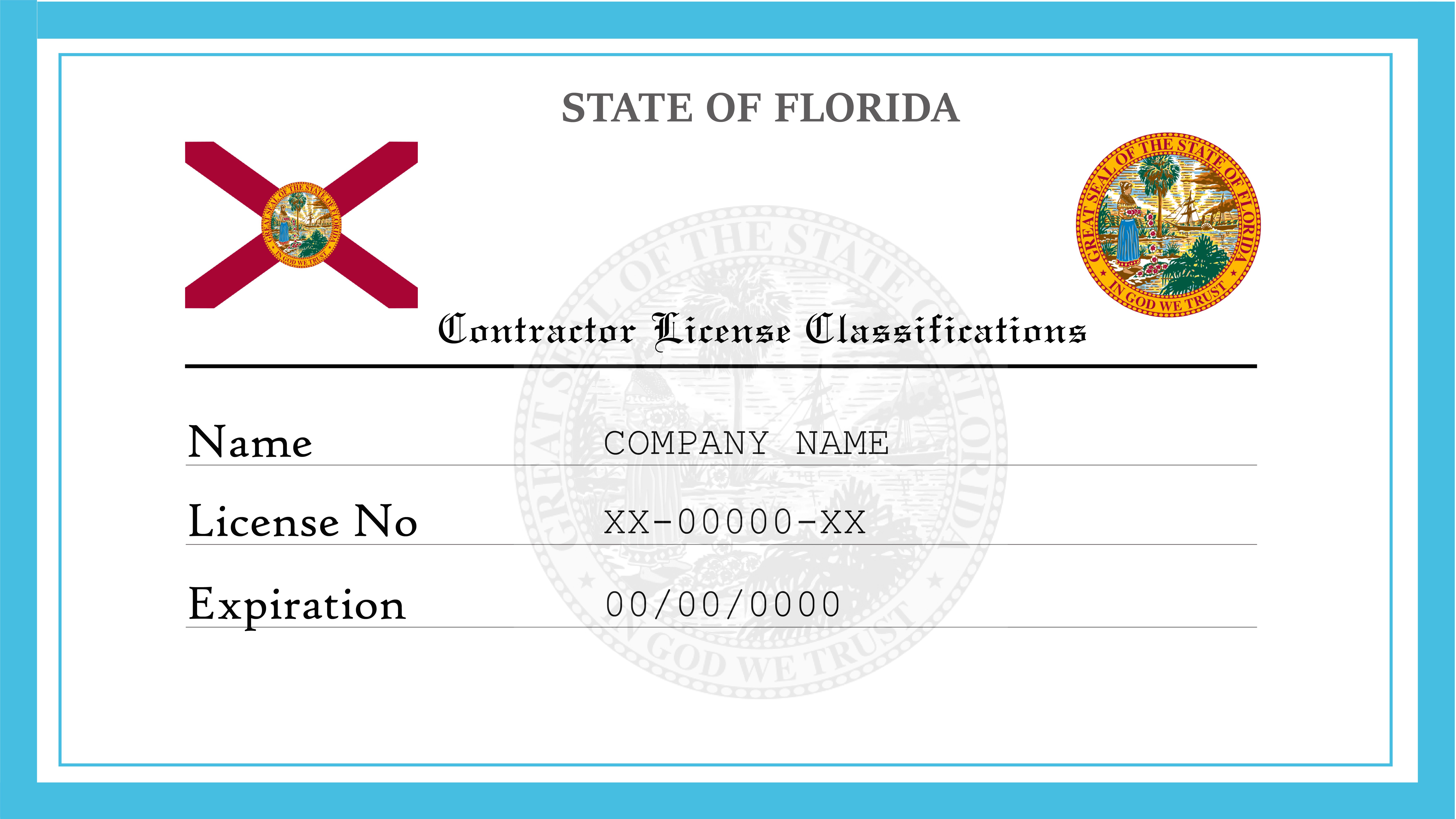
Understanding General Contractor Classifications and Requirements
Before embarking on the licensing journey, it’s vital to understand that Florida offers different classifications of contractor licenses. The primary distinction lies between “contractor” and “specialty contractor.” A general contractor is authorized to undertake construction projects that involve the planning, supervision, and completion of a building or structure, encompassing multiple trades. This broad scope requires a more rigorous qualification process than specialized licenses, which are limited to specific areas like plumbing, electrical, or roofing.
Experience and Education Pathways
The cornerstone of a general contractor license application in Florida is demonstrating a sufficient amount of relevant experience. The DBPR requires applicants to prove at least four years of experience within the last 10 years, acting in a supervisory capacity in the construction industry. This experience can be gained through various avenues:
- As a Certified Contractor: Having held a certificate as a contractor in another state.
- As a Registered Contractor: Being registered as a contractor in Florida without being certified.
- As a Construction Project Manager: Working as a project manager for a construction company.
- As a Supervisor: Supervising construction activities for an employer.
- As an Owner-Builder: Having experience in managing your own construction projects.
- Education Equivalency: In some cases, a four-year degree in a construction-related field from an accredited college or university can substitute for two years of the required experience. This means you might need two years of direct experience if you hold such a degree.
It’s imperative to meticulously document all your experience, including the types of projects worked on, your specific role and responsibilities, and the duration of your involvement. Letters from previous employers, project completion documents, and tax records can serve as valuable supporting evidence.
Financial Stability and Financial Responsibility
Beyond experience, Florida law mandates that general contractors demonstrate financial responsibility. This is typically proven through a financial stability report, often referred to as a “financial responsibility score.” This score is generated based on an applicant’s financial statements, which are analyzed by a third-party firm. The report assesses factors such as:
- Net Worth: The total value of an applicant’s assets minus their liabilities.
- Working Capital: The difference between current assets and current liabilities, indicating a company’s short-term financial health.
- Credit History: A review of the applicant’s or business’s credit standing.
The specific thresholds for net worth and working capital are subject to change and are determined by the size and scope of projects the contractor intends to undertake. Obtaining this financial responsibility report is a mandatory step in the application process. Failure to meet the financial stability requirements will prevent your license application from proceeding.
Insurance Requirements
Holding adequate insurance is a non-negotiable aspect of being a licensed general contractor in Florida. You will need to demonstrate proof of the following insurance coverages:
- General Liability Insurance: This protects against claims of bodily injury or property damage arising from your business operations. The minimum coverage amounts vary based on the scope of your contracting activities.
- Workers’ Compensation Insurance: This is mandatory if you have employees and covers medical expenses and lost wages for employees injured on the job.
It is crucial to consult with an insurance broker specializing in construction to ensure you have the appropriate levels of coverage that comply with Florida’s regulations. Providing proof of these insurance policies is a prerequisite for license issuance.
The Application Process for General Contractor Licensure
Navigating the application process requires careful attention to detail and adherence to the DBPR’s guidelines. The process can be broadly divided into several key stages.
Application Submission and Initial Review
The first step involves completing the official application form, available on the DBPR website. This form will request detailed personal information, including your Social Security number, employment history, and educational background. You will also need to provide information about any business entities you plan to operate under.
Alongside the application form, you will need to submit a comprehensive package of supporting documents. This typically includes:
- Proof of Experience: As detailed earlier, this involves letters of recommendation, employment verification, and project documentation.
- Financial Responsibility Report: The report generated by the approved third-party firm.
- Proof of Insurance: Certificates of General Liability and Workers’ Compensation insurance.
- Exam Scores: Once you pass the required licensing examinations.
- Background Check Information: You may be required to undergo a criminal background check.
- Application Fee: A non-refundable fee must be paid at the time of submission.
Once submitted, the DBPR will conduct an initial review to ensure all required documents are present and that the application is complete. Incomplete applications are a common reason for delays, so thoroughness at this stage is critical.
Examinations: Business and Finance, and Trade Knowledge
A significant hurdle in obtaining a general contractor license in Florida is passing two rigorous examinations:
- The Business and Law Examination: This exam assesses your knowledge of business management, financial principles, contract law, lien laws, and other regulatory aspects pertinent to operating a construction business in Florida. It is crucial to understand Florida-specific laws and regulations.
- The Trade Knowledge Examination: This exam tests your understanding of construction practices, building codes, safety regulations, and the technical aspects of various construction disciplines. The content of this exam is tailored to the scope of work performed by a general contractor.
These examinations are administered by a third-party testing service, and you must achieve a passing score on both. It is highly recommended to engage in thorough preparation. Numerous study guides, practice exams, and preparatory courses are available from private providers to help you master the material. Dedication to studying these comprehensive resources will significantly increase your chances of success.
Background Check and Disciplinary History Review
As part of the licensing process, the DBPR will conduct a background check to assess your criminal history and any disciplinary actions taken against previous licenses. Florida law outlines specific criteria for evaluating past offenses, and certain convictions may disqualify an applicant. Honesty and transparency during this phase are paramount. If you have any prior legal issues, it is advisable to address them proactively and provide any necessary documentation to explain the circumstances. The board will review these to determine eligibility.
Final Review and License Issuance
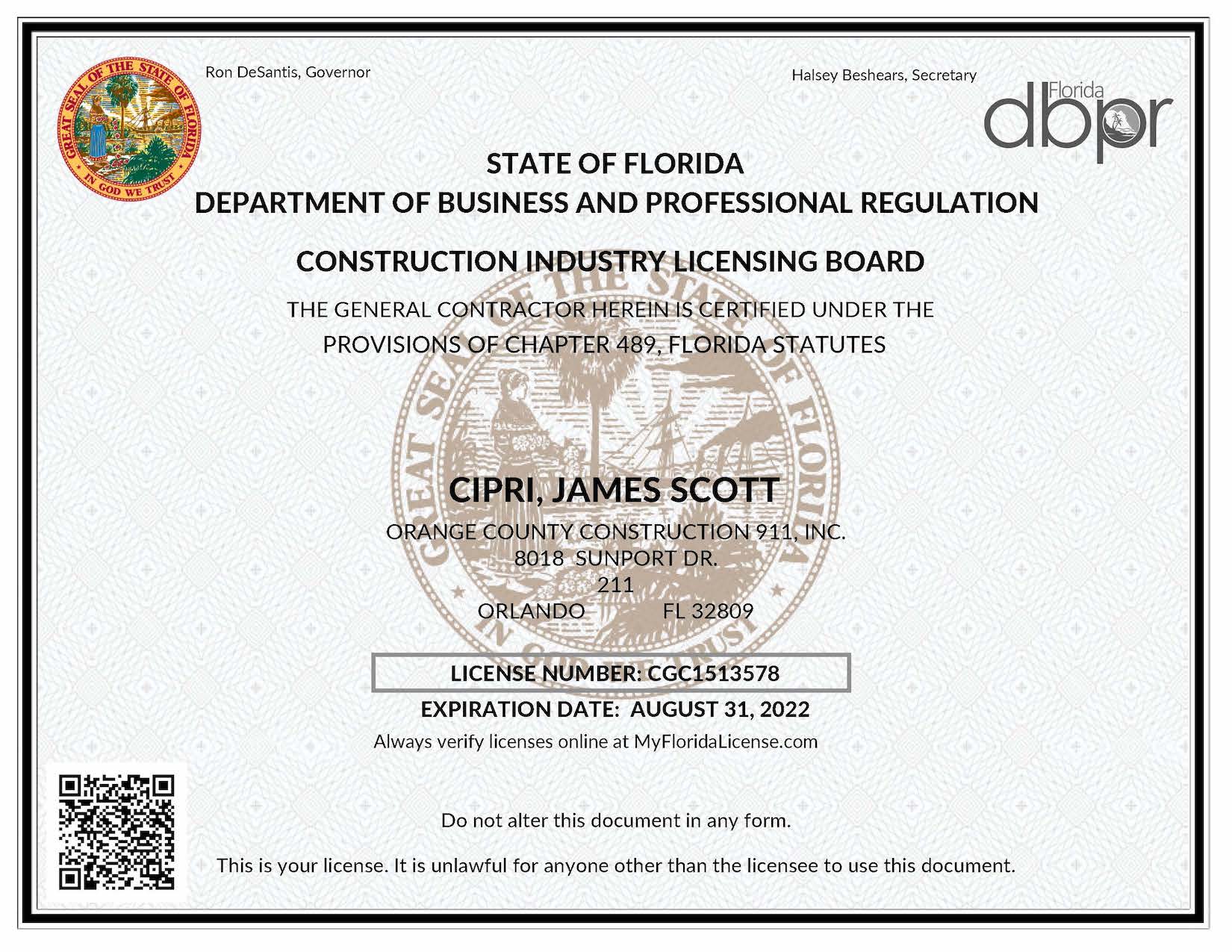
Once all examinations are passed, supporting documentation is verified, and the background check is completed, the application package is sent to the Construction Industry Licensing Board for final review. The board convenes regularly to make decisions on license applications. If all requirements are met and the board approves your application, your general contractor license will be issued. You will receive an official license certificate and number, allowing you to legally operate as a general contractor in Florida.
Maintaining Your General Contractor License
Obtaining the license is a significant achievement, but it is only the beginning of your journey as a licensed professional. Maintaining your license requires ongoing commitment to compliance and professional development.
Continuing Education Requirements
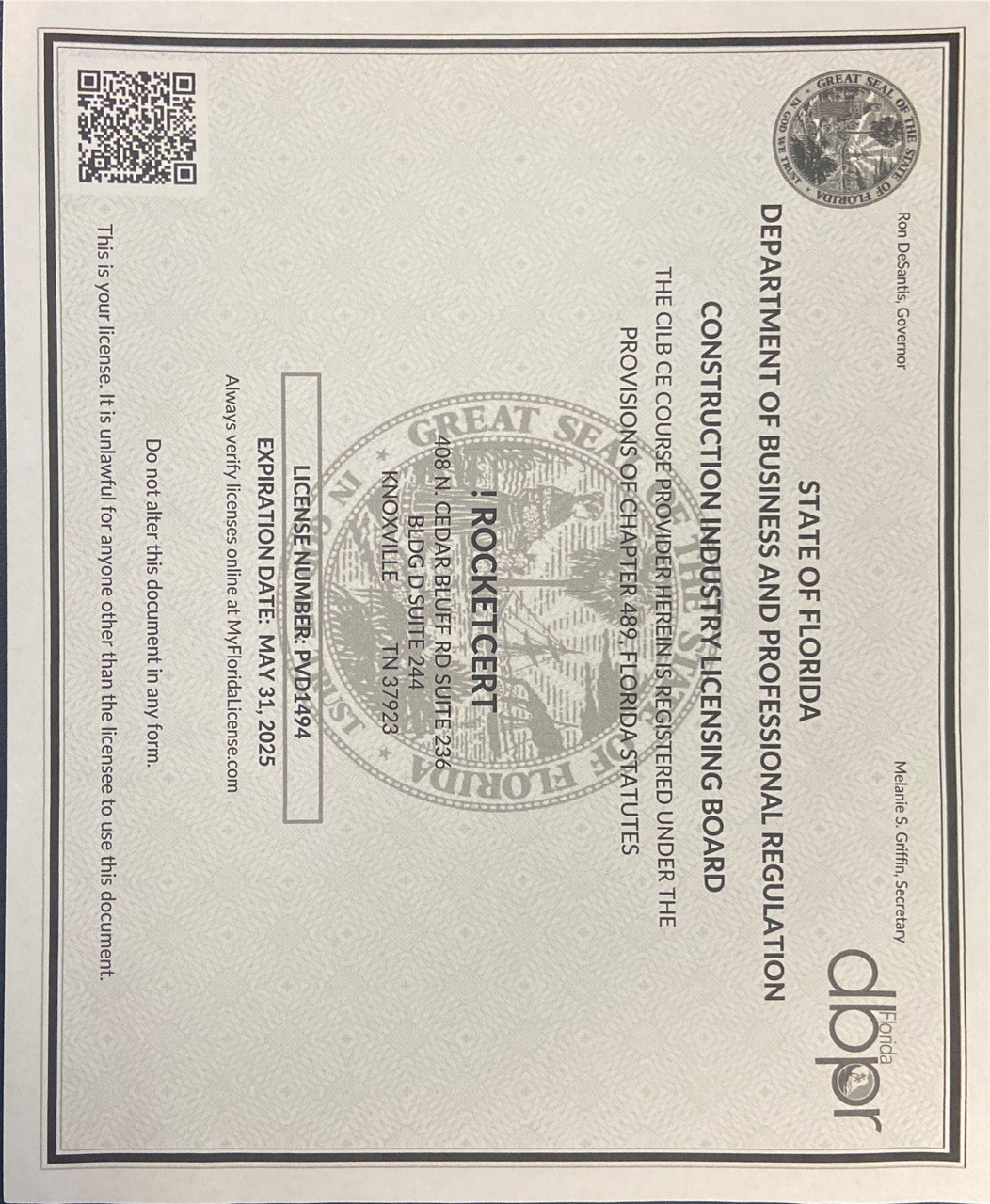
Florida requires licensed contractors to complete continuing education (CE) courses to renew their licenses. These courses are designed to keep contractors updated on the latest building codes, industry best practices, safety standards, and legal requirements. You will need to complete a specific number of CE hours within each licensing renewal cycle, which typically spans two years. The DBPR outlines approved CE providers and specific course requirements. Failure to meet these CE obligations will result in your license lapsing.
License Renewal Process
Licenses are renewable every two years. The DBPR will send a renewal notice to your designated address approximately 90 days before your license expires. It is your responsibility to ensure that your renewal application and fees are submitted on time. The renewal process typically involves:
- Completing the Renewal Application: This form updates your contact information and confirms your compliance with continuing education requirements.
- Submitting Proof of CE Hours: You may need to provide certificates of completion for your continuing education courses.
- Paying Renewal Fees: A fee is required to process the renewal.
- Maintaining Insurance: You must continue to hold the required general liability and workers’ compensation insurance policies and provide proof of renewal.
If you allow your license to expire, you will be unable to legally perform contracting work. There are specific procedures for reinstating an expired license, which often involve additional fees and potentially re-examination, depending on how long the license has been expired.
Compliance with Florida Laws and Regulations
As a licensed general contractor, you are bound by Florida’s construction laws and regulations. This includes adhering to building codes, zoning ordinances, consumer protection laws, and fair trade practices. Familiarity with the Florida Building Code is essential for all construction projects.
The DBPR actively enforces these regulations. Complaints from consumers or other parties can lead to investigations, disciplinary actions, fines, and even license revocation. Maintaining ethical business practices, clear communication with clients, and high-quality workmanship are not only good business sense but also crucial for preserving your license and professional reputation.
Becoming a licensed general contractor in Florida is a rewarding but demanding process. By thoroughly understanding the requirements, meticulously preparing your application, dedicating yourself to the examination preparation, and committing to ongoing compliance and professional development, you can successfully navigate this path and build a thriving construction business in the state.
LifeOutOfTheBox is a participant in the Amazon Services LLC Associates Program, an affiliate advertising program designed to provide a means for sites to earn advertising fees by advertising and linking to Amazon.com. Amazon, the Amazon logo, AmazonSupply, and the AmazonSupply logo are trademarks of Amazon.com, Inc. or its affiliates. As an Amazon Associate we earn affiliate commissions from qualifying purchases.