
As a vibrant and ever-growing hub for culture, technology, and music, Austin, Texas draws millions of visitors each year. From its renowned live music scene and eclectic culinary landscape to its abundant outdoor recreational opportunities, the capital of the Lone Star State offers a diverse range of experiences. When planning a trip to this dynamic city, understanding its climate and potential weather phenomena is crucial for a safe and enjoyable visit. This article delves into the question of whether Austin, Texas experiences tornadoes, providing essential context for travelers.
Understanding Tornado Climatology in Texas
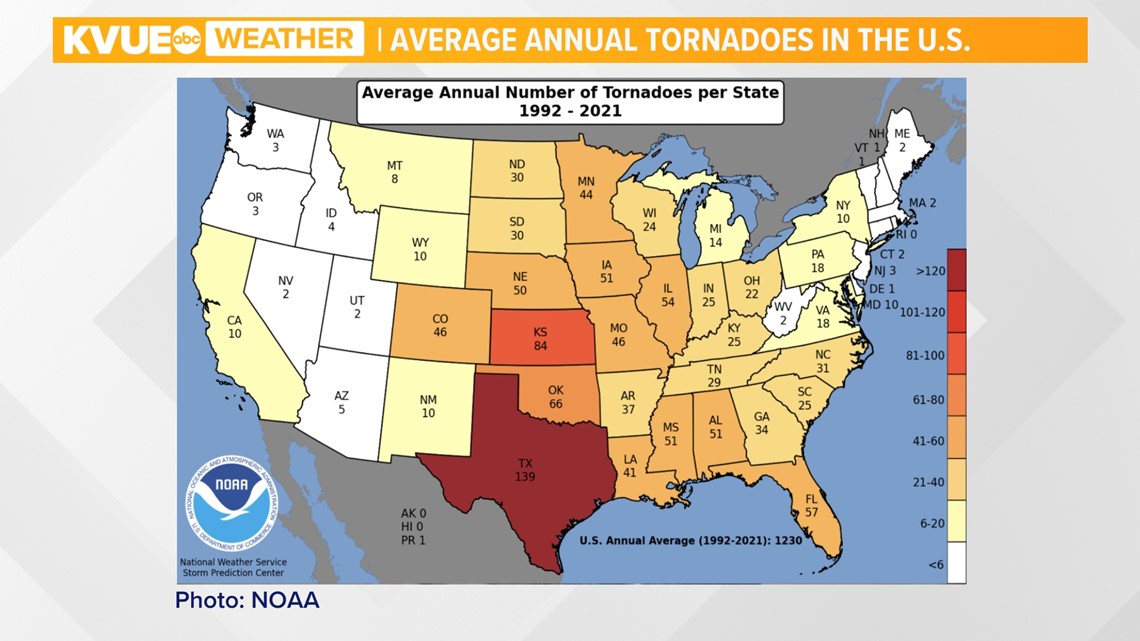
Texas as a whole is part of “Tornado Alley,” a region in the central United States that experiences a high frequency of tornadoes. This geographical location, coupled with the atmospheric conditions present in the region, makes it prone to severe weather outbreaks. Tornado Alley is not a strictly defined area, but it generally encompasses Texas, Oklahoma, Kansas, Nebraska, and South Dakota, extending into parts of Iowa, Missouri, Arkansas, Louisiana, and Illinois. The confluence of warm, moist air from the Gulf of Mexico, cool, dry air from the Rocky Mountains, and jet stream activity creates the perfect recipe for the formation of supercell thunderstorms, which are the primary producers of tornadoes.

The Role of Geography and Atmospheric Conditions
The sheer size of Texas means that weather patterns can vary significantly across the state. The northern and eastern parts of the state are historically more prone to tornadoes than the southern or western regions. Austin, Texas, situated in Central Texas, falls within a zone where tornado activity is less frequent than in North Texas or the Panhandle, but still a distinct possibility. The region’s proximity to the Gulf of Mexico contributes to the availability of moisture, while the dry air masses from the west can create the necessary atmospheric instability for severe weather development. The interaction of these air masses, particularly during the spring months, can lead to the formation of supercells capable of spawning tornadoes.
Seasonal Patterns of Tornado Activity
Tornado season in Texas typically spans from spring to early summer, with April and May often being the peak months. During this period, the atmosphere is transitioning from cooler winter conditions to warmer summer temperatures, leading to increased instability. Thunderstorms that form during these months can be particularly violent, with the potential to produce not only heavy rain and hail but also tornadoes. While the spring is the most active period, tornadoes can occur at any time of year if the atmospheric conditions are conducive. Cooler months can still see severe weather, though it is generally less common.
Tornado Activity in Austin, Texas
While Austin, Texas is not located in the area of highest tornado frequency within the state, it is not immune to these powerful weather events. Historical data indicates that tornadoes have touched down in and around the Austin metropolitan area, impacting communities and necessitating preparedness. The frequency is lower compared to areas further north or east in Texas, but the threat is real and should not be disregarded by residents or visitors.
Historical Tornado Events in the Region
Examining past tornado occurrences can provide valuable insight into the potential risks. Austin, Texas and its surrounding counties have experienced tornadoes throughout history. One notable event was the powerful tornado that struck in January 1989, causing significant damage in the city and surrounding areas, including parts of Travis County and Williamson County. More recently, a series of tornadoes swept through Central Texas in October 2013, impacting communities near Austin, including areas within the city limits and its northern suburbs. These events, while infrequent, underscore the importance of being aware of the potential for tornadoes.
Factors Influencing Tornado Occurrence in Austin
The specific geographical features of the Austin area, such as the Texas Hill Country to the west, can sometimes influence storm development. While the hilly terrain might offer some minor shielding in certain situations, it can also contribute to localized wind patterns that interact with developing thunderstorms. The city’s location within a broader region susceptible to severe weather means that even if the immediate urban core is not the primary target, surrounding areas can experience significant impacts, and the metropolitan area itself can still be affected.
Preparedness and Safety for Visitors and Residents
Given that tornadoes are a possibility in Austin, Texas, preparedness is key for both long-term residents and short-term visitors. Understanding the risks and knowing what to do in the event of a tornado warning can significantly enhance safety. The city and state authorities provide resources and guidelines to help individuals prepare for severe weather.
Understanding Tornado Watches and Warnings
It is essential to differentiate between a tornado watch and a tornado warning. A tornado watch means that conditions are favorable for tornadoes to develop in the area. During a tornado watch, individuals should remain aware of weather updates, have a plan in place, and be prepared to act if a warning is issued. A tornado warning, on the other hand, indicates that a tornado has been sighted or indicated by weather radar and poses an imminent threat to the area. When a tornado warning is issued, immediate action is required.
Safety Measures During a Tornado Warning
If a tornado warning is issued for Austin, Texas, the safest course of action is to seek shelter immediately.
- In a house or small building: Go to a basement or an interior room on the lowest floor, away from windows. A bathroom or closet can offer good protection. Cover your head and neck with your arms or a blanket.
- In a mobile home or vehicle: These are not safe during a tornado. Evacuate them immediately and seek sturdier shelter. If no sturdy shelter is available, lie down in a ditch or other low-lying area and cover your head.
- In a large building or public place: Many public buildings in Austin, such as hotels, community centers, and shopping malls, have designated safe areas or basements. Follow the instructions of building staff.
Staying Informed and Monitoring Weather
The most effective way to stay safe is to stay informed. Visitors and residents in Austin, Texas should monitor local weather forecasts through reputable sources such as the National Weather Service and local news channels. Many smartphones have built-in weather alert systems that can provide warnings. Familiarizing yourself with the city’s emergency alert system can also be beneficial. During severe weather seasons, it is wise to have a plan ready, including knowing the location of the nearest safe shelter.

Conclusion: A Comprehensive Approach to Travel Safety
While Austin, Texas is celebrated for its vibrant culture and entertainment, understanding its weather patterns, including the potential for tornadoes, is an integral part of responsible travel planning. The city is not as tornado-prone as some other parts of Texas, but the possibility exists, particularly during the spring months. By being informed about seasonal weather trends, understanding tornado watches and warnings, and knowing the appropriate safety measures, travelers can ensure a safe and enjoyable experience in this dynamic city. A well-prepared traveler is a confident traveler, ready to embrace all that Austin has to offer, while also respecting and preparing for its natural environment.
LifeOutOfTheBox is a participant in the Amazon Services LLC Associates Program, an affiliate advertising program designed to provide a means for sites to earn advertising fees by advertising and linking to Amazon.com. Amazon, the Amazon logo, AmazonSupply, and the AmazonSupply logo are trademarks of Amazon.com, Inc. or its affiliates. As an Amazon Associate we earn affiliate commissions from qualifying purchases.