
When considering travel destinations, the geographic characteristics of a region often play a crucial role in shaping the experience. The term “compact state” refers to a country or state whose territory is relatively small and roughly circular or oval in shape, with its boundaries at an almost equal distance from its center. This configuration typically offers advantages in terms of communication, transportation, and defense, often leading to a more unified cultural and political landscape. So, when we ask if Alaska is a compact state, the answer is a resounding no. Alaska is, in fact, the antithesis of a compact state, presenting unique challenges and unparalleled opportunities for travelers drawn to its immense and varied landscapes.
Defining the “Compact State”: A Geographical Perspective
To understand why Alaska is not compact, it’s helpful to first define what a compact state truly is. Geographers classify state shapes into several categories: compact, fragmented, elongated, prorupted, and perforated. A compact state exhibits a nearly circular or rectangular shape, with the capital city often located centrally. Examples of states or countries often cited as compact include Poland, Cambodia, and Uruguay. These shapes generally facilitate efficient internal communication, reduce travel distances between different parts of the country, and simplify the administration of services.
What Makes a State Compact?
The ideal compact state would be a perfect circle, but in reality, few exist. Instead, political geographers look for attributes such as:
- Relatively small area: Compared to other states.
- Roughly circular or square shape: Minimizing distance from the center to any point on the boundary.
- Efficient internal transportation: Roads, railways, and communication networks can be more easily developed to serve all areas.
- Reduced border friction: Shorter and more manageable borders.
Why Alaska Defies the Definition
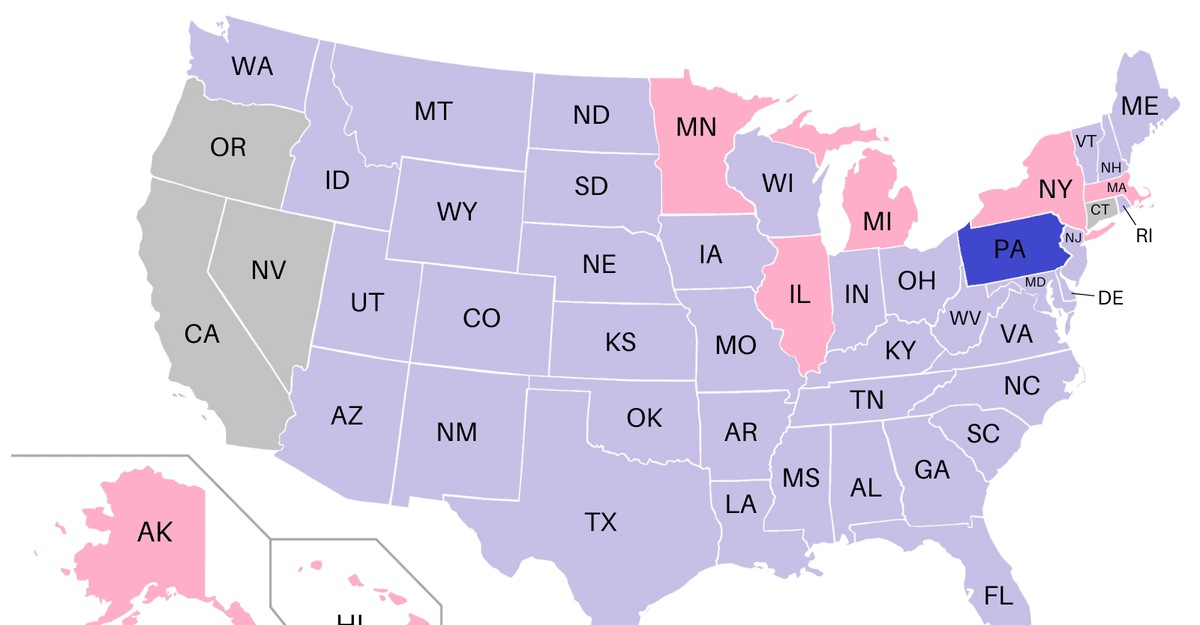
Alaska, by every measure, is the opposite of compact. It is the largest state in the United States by area, spanning over 663,000 square miles. Its shape is highly irregular and fragmented, characterized by:
- Vastness: Its sheer size alone disqualifies it from being compact. You could fit Texas, California, and Montana within its borders with room to spare.
- The Panhandle: A long, narrow strip of land stretching along the Pacific coast, geographically isolated from much of the rest of the state. This “proruption” is a distinct feature of its non-compact nature.
- Archipelagos and Islands: Alaska includes thousands of islands, most notably the Aleutian Islands, which stretch westward for over 1,200 miles into the Pacific Ocean, nearly reaching Russia. This makes it a highly fragmented state.
- Non-Contiguous Mainland: The main body of Alaska is physically separated from the contiguous United States by Canada, further emphasizing its unique geographical standing.
These features make Alaska a prime example of a fragmented or prorupted state, whose geography profoundly influences everything from its infrastructure to its economy and, crucially for our discussion, its travel landscape.
The Travel Implications of Alaska’s Non-Compact Geography
The immense and non-compact nature of Alaska is not merely an academic curiosity; it is the defining characteristic that shapes every aspect of travel within the state. Unlike compact destinations where one might easily drive from one end to another in a day, exploring Alaska demands strategic planning, diverse transportation methods, and an appreciation for vast distances.
Vastness and Accessibility Challenges
The sheer scale of Alaska means that traditional road trips are often confined to specific regions. The road network is relatively sparse, with large swathes of the state, particularly the interior and northern regions, completely inaccessible by road. This impacts:
- Long Distances: Traveling between major cities like Anchorage and Fairbanks still involves several hours of driving, while reaching more remote areas like Kotzebue or Barrow (Utqiagvik) almost always requires air travel.
- Limited Infrastructure: Many towns and villages are “off the road system,” meaning they are only accessible by plane or boat, making travel more complex and often more expensive. This isolation contributes to their unique charm but also dictates travel itineraries.
Diverse Regions and Microclimates
Alaska’s non-compact shape encompasses an extraordinary range of geographical features and climates. From the temperate rainforests of the Inside Passage to the towering peaks of the Alaska Range, the vast tundra of the Arctic Slope, and the volcanic islands of the Aleutians, each region offers a distinct experience. Travelers must be prepared for:
- Varied Weather Conditions: It’s entirely possible to experience mild, rainy weather in Juneau while facing snow or extreme cold in the interior or north, even in the same season.
- Specialized Activities: Different regions cater to different interests, from kayaking and whale watching in the southeast to glacier trekking near Talkeetna and aurora viewing in Fairbanks.
Unique Transportation Needs
Given its size and geography, Alaska relies heavily on unconventional (by lower-48 standards) modes of transport:
- Bush Planes: For accessing truly remote wilderness areas, fishing lodges, and small communities, small aircraft (bush planes) are the lifeline. They offer unparalleled aerial views and access to places unreachable by any other means.
- Ferries: The Alaska Marine Highway System, a state-run ferry service, is crucial for navigating the Inside Passage and other coastal areas, connecting communities and offering a scenic way to travel between islands and the mainland.
- Cruise Ships: Large cruise liners are popular for exploring the Inside Passage and Gulf of Alaska, providing comfortable access to coastal towns and glaciers.
- Trains: The Alaska Railroad offers a scenic route connecting Seward, Anchorage, Denali National Park, and Fairbanks, providing an alternative to driving for some key destinations.
Embracing Alaska’s Expansive Beauty: Travel Experiences
The non-compact nature of Alaska, far from being a deterrent, is precisely what makes it such a captivating travel destination. Its vastness and diversity allow for a myriad of unique experiences, from rugged wilderness adventures to serene coastal explorations and cultural immersion.
Wilderness Adventures
Alaska is synonymous with wild, untamed landscapes. Its extensive national parks and wilderness areas are truly massive, offering unparalleled opportunities for adventure:
- Hiking and Backpacking: Trails range from easy day hikes to multi-day backcountry expeditions in places like Denali National Park and Preserve, offering encounters with grizzlies, caribou, and moose.
- Fishing: World-class salmon and halibut fishing draws anglers to rivers like the Kenai River in the Kenai Peninsula.
- Wildlife Viewing: From polar bears in Kaktovik to brown bears feasting on salmon in Katmai National Park, Alaska is a premier destination for witnessing wildlife in its natural habitat.
- Glacier Exploration: Whether by helicopter, ice trekking, or boat tour, experiencing Alaska’s numerous glaciers, such as the Matanuska Glacier or those in Prince William Sound, is an unforgettable experience.
Coastal Explorations
The fragmented coastline, with its countless fjords, islands, and bays, is a world unto itself:
- Inside Passage Cruises: This iconic journey takes travelers through a labyrinth of islands and waterways, offering stunning scenery, wildlife sightings, and stops in charming coastal towns like Skagway, Ketchikan, and Juneau.
- Kayaking and Boating: Exploring the tranquil coves and marine life of areas like Prince William Sound or Resurrection Bay near Seward provides an intimate connection with Alaska’s coastal beauty.
- Whale Watching: Humpback whales, orcas, and gray whales are frequently sighted in the coastal waters, particularly during migration seasons.
Arctic and Interior Journeys
The remote northern and interior regions offer dramatically different landscapes and cultural experiences:
- Northern Lights (Aurora Borealis): Fairbanks, located near the Arctic Circle, is one of the best places on Earth to witness this celestial phenomenon, especially from late August to April.
- Arctic Circle Expeditions: Ventures above the Arctic Circle offer a glimpse into the vast, treeless tundra and the unique cultures of Alaska’s indigenous peoples. Destinations like Brooks Camp or Gates of the Arctic National Park push the boundaries of conventional travel.
- Iditarod Trail Sled Dog Race: For a unique cultural and sporting experience, visiting during the famous Iditarod Trail Sled Dog Race start in Anchorage offers insight into Alaska’s heritage.
Planning Your Alaskan Odyssey: Tips for Navigating the Immense State
Traveling to Alaska requires careful consideration of its unique geography. Without the compactness of other destinations, an Alaskan adventure is often about choosing a focus and embracing the journey.
Strategic Itinerary Planning
Given the vast distances, it’s often more effective to focus on one or two distinct regions rather than attempting to see the entire state in a single trip.
- Consider a Multi-Modal Approach: Combining flights with ferry trips, train rides, and limited driving allows you to cover more ground efficiently and experience diverse landscapes.
- Allow Ample Travel Time: Factor in extra time for transfers, potential weather delays (especially for bush flights), and simply soaking in the scenery. Rushing through Alaska defeats the purpose of experiencing its grandeur.
- Book in Advance: Especially for popular tours, accommodations, and specialized transportation like Alaska Railroad dome cars or Alaska Marine Highway berths, booking well ahead of time is essential, particularly for peak summer season.
Choosing Your Mode of Transport
Your choice of transportation will largely dictate your itinerary and what you can see:
- Flights: For reaching interior or northern destinations, air travel is indispensable. Major hubs like Anchorage International Airport and Fairbanks International Airport serve as gateways, with regional carriers and bush planes connecting to smaller communities.
- Ferries: The Alaska Marine Highway System is ideal for exploring the Inside Passage, offering stunning views and stops in charming port towns.
- Trains: The Alaska Railroad provides a comfortable and scenic way to connect key destinations in the south-central and interior regions, particularly popular for access to Denali.
- Road Trips: While limited, scenic drives like the Seward Highway (connecting Anchorage to Seward) and the Parks Highway (connecting Anchorage to Fairbanks via Denali) offer incredible access to landscapes and wildlife.

Essential Gear for Varied Environments
Due to the diverse microclimates and rugged terrain, packing smart is crucial:
- Layered Clothing: Essential for adapting to rapidly changing weather conditions. Include waterproof and windproof outerwear.
- Sturdy Footwear: Waterproof hiking boots are a must for exploring trails and wet environments.
- Insect Repellent: Mosquitoes can be prevalent, especially during summer in certain areas.
- Bear Spray/Awareness: If venturing into the backcountry, understand bear safety protocols and consider carrying bear spray.
Alaska’s non-compact nature is not a limitation but rather its greatest asset, offering an unparalleled tapestry of landscapes and adventures that beckon the intrepid traveler. Embracing its vastness, planning wisely, and choosing the right modes of transport will unlock an unforgettable journey into America’s last frontier.
LifeOutOfTheBox is a participant in the Amazon Services LLC Associates Program, an affiliate advertising program designed to provide a means for sites to earn advertising fees by advertising and linking to Amazon.com. Amazon, the Amazon logo, AmazonSupply, and the AmazonSupply logo are trademarks of Amazon.com, Inc. or its affiliates. As an Amazon Associate we earn affiliate commissions from qualifying purchases.