
Texas, a state renowned for its vast landscapes, diverse climates, and iconic ranches, often conjures images of rolling plains, piney woods, and the rugged coastline. However, the question of whether Texas harbors true deserts is one that sparks curiosity and often leads to a deeper exploration of the state’s unique geographical tapestry. While the arid, sand-dune-laden landscapes often associated with classic desert imagery might not be as prevalent as in regions like the American Southwest, Texas undeniably possesses significant arid and semi-arid regions that qualify as deserts by ecological and climatological definitions. The state’s western reaches, in particular, are home to environments that share many of the defining characteristics of deserts, offering a compelling array of natural wonders and experiences for the intrepid traveler.

Defining Deserts and Texas’s Arid Regions
The scientific definition of a desert is primarily based on precipitation levels. A region is generally classified as a desert if it receives less than 10 inches (250 mm) of rainfall per year. Deserts are also characterized by high evaporation rates, extreme temperatures (though not always hot), and sparse vegetation adapted to these harsh conditions. By these metrics, large portions of West Texas and the Trans-Pecos region indeed fit the bill. This area, often referred to as the Chihuahuan Desert, is a distinct ecological province that extends into Mexico and is characterized by its unique flora and fauna.
The Chihuahuan Desert’s Texas Dominion
The Chihuahuan Desert is the largest desert in North America and covers a significant portion of West Texas. This is not a monolithic expanse of sand dunes. Instead, it’s a complex mosaic of desert scrub, creosote flats, yucca plains, rocky hills, and mountain ranges, punctuated by occasional oases. The defining features of this Texan desert include:
- Low Precipitation: Annual rainfall in much of this region is well below the 10-inch threshold, contributing to its arid nature.
- High Evaporation: Intense solar radiation and low humidity lead to rapid evaporation of any moisture that does fall.
- Extreme Temperature Fluctuations: While summers can be scorching, winters can bring frost and even occasional snow, showcasing the dramatic diurnal and seasonal temperature swings common to desert environments.
- Specialized Flora: The plant life is a testament to survival in arid conditions, featuring drought-tolerant species like creosote bush, mesquite, ocotillo, various cacti (such as prickly pear and barrel cactus), and yucca.
- Adapted Fauna: Wildlife is equally resilient, with animals like desert cottontails, jackrabbits, coyotes, various reptiles (snakes, lizards), and numerous bird species expertly adapted to conserve water and withstand extreme temperatures.
Exploring the Texan Deserts: Destinations and Experiences
For those seeking to experience the stark beauty and unique ecosystems of Texas’s deserts, several key destinations offer unparalleled opportunities. These areas are not just landscapes; they are vibrant, living environments that reward exploration with their resilience and surprising biodiversity.
Big Bend National Park: A Desert Jewel
Perhaps the most iconic representation of the Texan desert is found within the expansive boundaries of Big Bend National Park. This park, situated in the remote Trans-Pecos region along the Rio Grande, encompasses a vast area of desert, mountains, and river canyons. It is a place where three distinct deserts converge: the Chihuahuan Desert, the Montezuma Desert, and the Sonoran Desert, although the Chihuahuan is dominant.
- Chisos Mountains: This mountain range within the park rises dramatically from the desert floor, creating a unique microclimate that supports more diverse plant and animal life, including evergreen woodlands. Hiking trails here offer stunning panoramic views of the surrounding desert.
- Ross Maxwell Scenic Drive: This award-winning drive winds through the heart of the park, showcasing dramatic rock formations, volcanic mesas, and expansive desert vistas. Pull-offs allow for easy access to short interpretive trails and viewpoints.
- Santa Elena Canyon: A must-see natural wonder, this towering canyon carved by the Rio Grande offers a dramatic introduction to the park’s geological grandeur and a refreshing break from the desert heat.
- Primitive Camping and Stargazing: The park’s remoteness and clear skies make it an exceptional destination for stargazing. Designated primitive campsites offer an immersive experience in the heart of the desert, far from light pollution.
Guadalupe Mountains National Park: The Desert’s High Point
Located north of Big Bend, Guadalupe Mountains National Park protects the world’s most extensive fossil reef from the Permian Sea. While it shares the arid climate of West Texas, its higher elevations and dramatic escarpments offer a different perspective on desert landscapes.
- Guadalupe Peak: Standing at 8,751 feet, it is the highest natural point in Texas. The hike to the summit is challenging but rewards with breathtaking views that stretch across Texas, New Mexico, and Mexico.
- McKittrick Canyon: This canyon is a popular spot, especially in the fall when the maple and oak trees turn vibrant colors, creating a surprising splash of autumn foliage in the desert. It also features remnants of ancient human habitation.
- Fossil Reef Exploration: The park’s unique geology provides a fascinating glimpse into ancient marine life, with visible fossil formations in the rock strata.
The Davis Mountains: Sky Island Ecosystems
The Davis Mountains form a “sky island” region, an elevated plateau that supports a different suite of plant and animal communities compared to the surrounding desert floor. This makes for a fascinating transition zone.
- Davis Mountains State Park: This park offers hiking trails, bird-watching opportunities, and the historic Indian Lodge, a pueblo-style structure built by the Civilian Conservation Corps using native materials.
- McDonald Observatory: Perched atop Mount Locke and Mount Fowlkes, the McDonald Observatory is a world-class astronomical research facility. Its dark skies are ideal for observing the cosmos, and visitor programs offer opportunities to learn about astronomy and gaze at the stars.
The Trans-Pecos Region: A Vast Arid Expanse
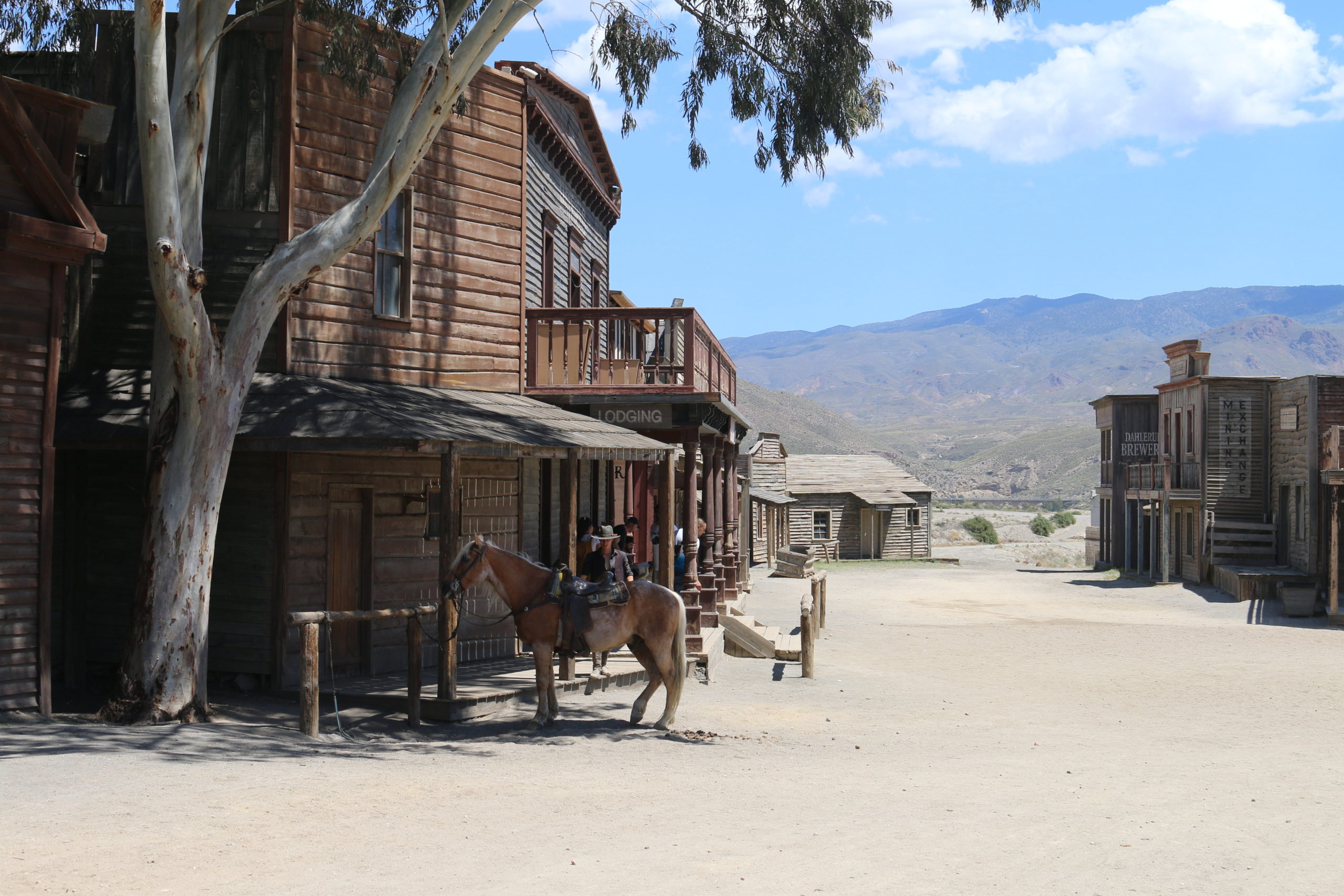
Beyond the national parks, the broader Trans-Pecos region, encompassing cities like Marfa and Alpine, is characterized by its vast ranches, open spaces, and quintessential desert scenery. This area is a playground for those seeking solitude, unique art installations, and a deep connection with the land.
- Marfa Lights: The mysterious Marfa Lights, unexplained luminous phenomena observed on clear nights, add an element of intrigue to the desert landscape. Viewing areas are designated for visitors.
- Art and Culture: Marfa has gained international acclaim for its vibrant contemporary art scene, with galleries and installations scattered throughout the town and surrounding desert.
- Ranching Heritage: The history of ranching is deeply embedded in the fabric of West Texas. Many ranches offer tours or accommodations, providing insight into this enduring way of life.
Activities and Experiences in the Texan Deserts
Visiting the deserts of Texas is an immersive experience that goes beyond mere sightseeing. It’s about engaging with a unique environment that demands respect and offers profound rewards.
Hiking and Backpacking
The numerous trails in Big Bend National Park and Guadalupe Mountains National Park, as well as smaller state parks and designated wilderness areas, provide opportunities for hikers of all skill levels. From short, scenic nature walks to multi-day backpacking expeditions, exploring on foot allows for an intimate encounter with the desert’s subtle beauty and challenges. Proper planning, including carrying ample water, understanding weather patterns, and respecting Leave No Trace principles, is paramount.
Wildlife Viewing and Birding
The arid ecosystems of Texas support a surprising diversity of wildlife. Early mornings and late evenings are often the best times to spot desert inhabitants. Birdwatchers will find a rich array of species, particularly during migration seasons. The unique habitats, from desert scrub to mountain woodlands, attract a wide variety of avian life.
Stargazing
The remoteness and low population density of West Texas make it one of the premier stargazing destinations in the United States. The absence of light pollution allows for unobstructed views of the Milky Way, constellations, and celestial events. Parks like Big Bend National Park and the area around the McDonald Observatory are ideal for astronomical observation.
Photography
The stark, dramatic landscapes of the Texan deserts offer endless photographic opportunities. Sunrise and sunset paint the sky and land with vibrant colors, while the unique geological formations and resilient plant life provide compelling subjects. Capturing the vastness of the open spaces and the intricate details of desert survival is a rewarding pursuit.
Cultural Immersion
The cultural heritage of the Trans-Pecos region is as rich as its landscapes. Exploring small towns like Presidio, Fort Davis, and Terlingua reveals the history of frontier life, mining, and the enduring spirit of the people who call this challenging yet beautiful region home. Many local eateries offer Tex-Mex cuisine and regional specialties, providing a taste of local flavor.
Planning Your Desert Adventure
A trip to the Texas deserts requires thoughtful preparation to ensure a safe and enjoyable experience.
Best Time to Visit
The most pleasant times to visit the Texas deserts are during the spring (March-May) and fall (September-November) when temperatures are more moderate. Summers (June-August) can be extremely hot, with daytime temperatures frequently exceeding 100°F (38°C). Winters (December-February) are generally mild but can experience cold snaps and occasional freezing temperatures.
Essential Packing
- Water: This cannot be stressed enough. Carry significantly more water than you think you’ll need. Dehydration is a serious risk.
- Sun Protection: Wide-brimmed hats, sunglasses, and high SPF sunscreen are essential.
- Appropriate Clothing: Lightweight, breathable long-sleeved shirts and pants offer protection from the sun and thorny vegetation. Sturdy hiking boots are recommended for uneven terrain.
- Navigation Tools: Maps, a compass, and a GPS device or app are advisable, especially for backcountry exploration. Cell service can be unreliable.
- First-Aid Kit: A well-stocked kit is crucial for any outdoor adventure.
- Insect Repellent: While not as prevalent as in other regions, some biting insects can be present.

Lodging and Amenities
Lodging options range from hotels and motels in larger towns like Midland and Odessa to more rustic accommodations near the national parks. Campgrounds are plentiful within the parks, offering both developed and primitive sites. It’s important to book accommodations well in advance, especially during peak seasons. Services such as gas stations, grocery stores, and restaurants can be sparse in remote areas, so planning is key.
In conclusion, while the term “desert” might evoke specific imagery, Texas’s arid and semi-arid regions, particularly the vast expanse of the Chihuahuan Desert in its western reaches, undeniably qualify. These landscapes offer a compelling destination for travelers seeking natural beauty, unique ecosystems, and a profound sense of solitude. From the towering canyons of Big Bend to the fossilized reefs of the Guadalupe Mountains, Texas’s deserts are a testament to the resilience of life and a breathtaking frontier waiting to be explored.
LifeOutOfTheBox is a participant in the Amazon Services LLC Associates Program, an affiliate advertising program designed to provide a means for sites to earn advertising fees by advertising and linking to Amazon.com. Amazon, the Amazon logo, AmazonSupply, and the AmazonSupply logo are trademarks of Amazon.com, Inc. or its affiliates. As an Amazon Associate we earn affiliate commissions from qualifying purchases.