
Arizona, a land of breathtaking desert landscapes, vibrant cities, and rich cultural heritage, draws millions of visitors each year. From the majestic expanse of the Grand Canyon to the bustling streets of Phoenix and the artistic allure of Sedona, the state offers an unparalleled array of experiences. As travelers immerse themselves in new destinations, understanding local laws and customs becomes an important aspect of a safe and enjoyable trip. Among the various legal frameworks that might pique a visitor’s curiosity or concern, self-defense laws, particularly those concerning “Stand Your Ground,” often stand out. For anyone planning a trip to the Grand Canyon State, knowing the nuances of Arizona’s self-defense statutes is not just a matter of legal literacy but also a practical element of responsible tourism.

Understanding Self-Defense Laws in Arizona
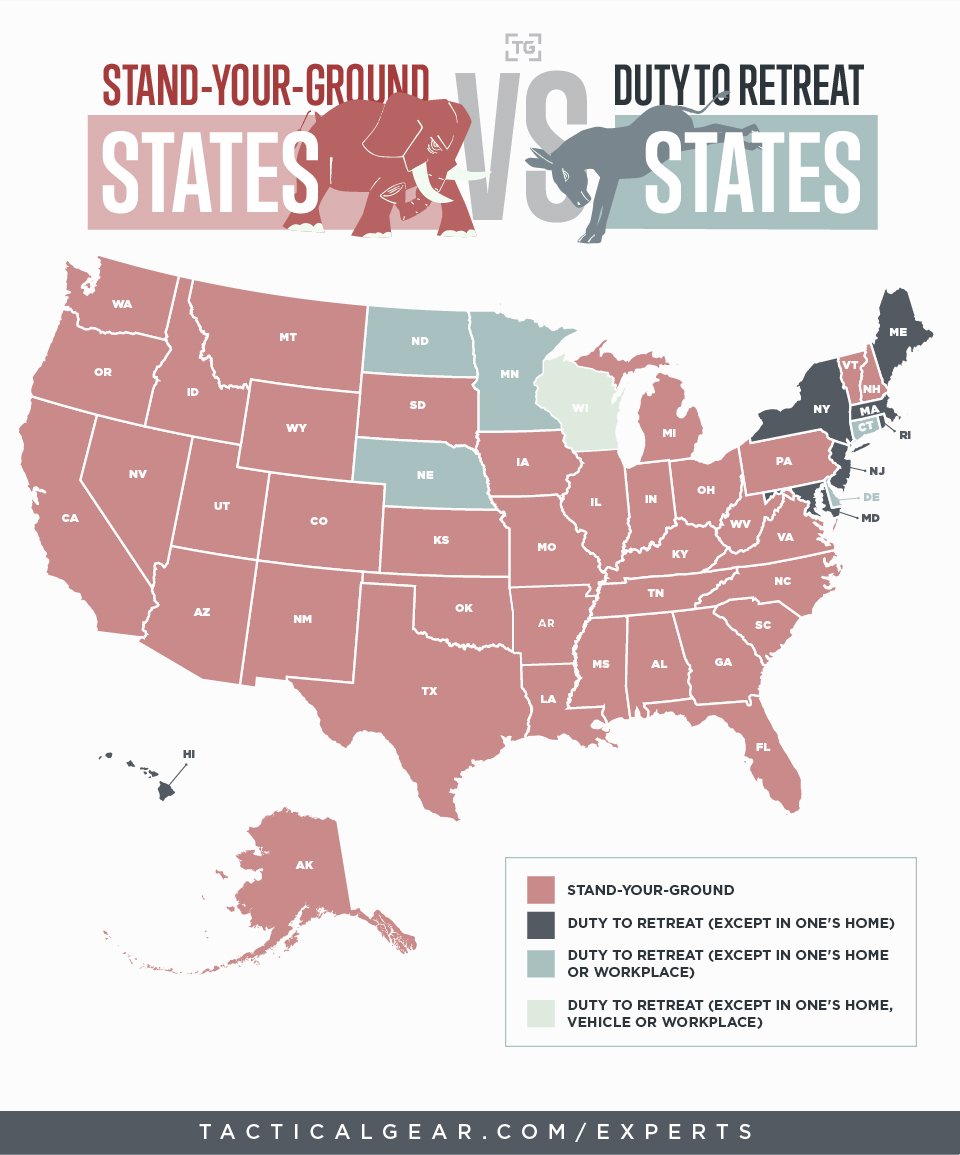
The concept of self-defense is fundamental in legal systems worldwide, allowing individuals to protect themselves and others from harm. However, the specific conditions under which self-defense can be legally employed vary significantly from place to place. In the United States, states often adopt different approaches, broadly categorized into “Duty to Retreat” laws and “Stand Your Ground” laws. Arizona is one of the many states that has adopted a “Stand Your Ground” statute, which significantly impacts how individuals may respond to perceived threats. For tourists exploring Arizona’s natural wonders or urban centers, grasping this legal framework can contribute to a safer and more informed visit. It’s crucial to remember that while this information is provided for awareness, it does not constitute legal advice, and specific situations should always be evaluated by legal professionals.
What “Stand Your Ground” Truly Means
In essence, “Stand Your Ground” laws eliminate the legal duty for an individual to retreat from a dangerous situation before using deadly force in self-defense. Historically, many jurisdictions required a person to attempt to escape a confrontation if it was safe to do so before resorting to force, especially deadly force. This was known as the “duty to retreat.” Under Arizona’s law, however, if you are in a place where you have a legal right to be, and you reasonably believe that deadly force is necessary to prevent death or serious bodily injury to yourself or another person, you are not obligated to retreat. This principle applies whether you are on your own property, in a public park, or visiting a landmark.
Arizona Revised Statute § 13-405 outlines the justified use of deadly physical force. It specifies that a person is justified in threatening or using deadly physical force against another if a reasonable person would believe that deadly physical force is immediately necessary to protect themselves against the other’s use or attempted use of unlawful deadly physical force. The “Stand Your Ground” aspect is found in Arizona Revised Statute § 13-405(B), which states that “a person has no duty to retreat if the person is in a place where the person may legally be and is not engaged in an unlawful act.” This means that whether you are admiring the sunsets over Sedona’s red rocks, walking through downtown Tucson, or enjoying a scenic drive, the law protects your right to defend yourself without first attempting to flee.
The Duty to Retreat: A Key Distinction
The absence of a “duty to retreat” is the core differentiator for “Stand Your Ground” states like Arizona. In states that retain a duty to retreat, if you could safely avoid the danger by retreating, you might be legally obligated to do so before using force. Failing to retreat in such a scenario could undermine a self-defense claim. For tourists accustomed to laws in other states or countries that may impose a duty to retreat, understanding this distinction in Arizona is paramount. It shifts the legal emphasis from avoidance to a direct right to self-preservation in the face of an immediate threat, provided the force used is reasonable and proportionate to the threat.
However, it’s critical to understand that “Stand Your Ground” does not grant permission for aggression or pre-emptive strikes. The fundamental requirement remains that the person using force must reasonably believe they are in immediate danger of death or serious bodily harm. The law is intended to protect individuals who are genuinely threatened, not to escalate minor disputes or justify disproportionate responses. This element of “reasonableness” is always subjective and would be scrutinized in any legal review of a self-defense claim.
Implications for Tourists and Visitors
For the millions of tourists who flock to Arizona annually, the presence of a “Stand Your Ground” law has several important implications, primarily revolving around personal safety, situational awareness, and understanding local norms. While the vast majority of visits to Arizona are safe and enjoyable, being informed about local laws is a proactive step that enhances any travel experience. It’s not about fear, but about empowerment through knowledge.
Navigating Public Spaces Safely
Whether exploring national parks, historic districts, or vibrant city centers like Phoenix or Tucson, tourists find themselves in diverse public and semi-public spaces. Arizona’s Stand Your Ground law means that if you encounter a situation where you feel your life or severe bodily harm is immediately threatened, and you are lawfully present, you are legally permitted to defend yourself without first attempting to retreat. This applies to scenarios ranging from an unexpected assault while hiking a remote trail in a national forest to an altercation in a busy urban area.
However, the legal justification hinges on a “reasonable belief” of immediate danger. Tourists, unfamiliar with an area, might misinterpret situations or become more vulnerable if they are not practicing good situational awareness. Being mindful of your surroundings, avoiding risky areas late at night, and exercising caution, especially when alone, are universal safety tips that become even more salient when considering self-defense laws. While the law grants rights, it does not negate the wisdom of avoiding dangerous situations whenever possible.
Responsible Conduct and Awareness
Understanding Arizona’s self-defense laws also underscores the importance of responsible conduct. As a visitor, you are a guest in the state, and respecting local laws and customs is paramount. The “Stand Your Ground” law does not provide a license to engage in altercations or to use force in situations that do not genuinely warrant it. Initiating conflict, provoking others, or engaging in unlawful activities yourself can entirely negate any self-defense claim.
Tourists should also be aware of the varying interpretations and reactions to self-defense incidents. While the law may protect a person’s actions, the aftermath of any use of force, especially deadly force, involves significant legal and emotional complexities. Being involved in such an incident can disrupt or even end a vacation, leading to prolonged legal processes and investigations. Therefore, the most prudent approach for any traveler is to prioritize de-escalation and avoidance of confrontational situations.
Practical Advice for Travelers in Arizona
Equipped with the knowledge of Arizona’s Stand Your Ground law, tourists can travel with a greater sense of awareness. However, information about legal rights should always be coupled with practical, common-sense safety measures. The aim is to enjoy the unparalleled beauty and experiences Arizona offers while minimizing risks and ensuring a smooth, memorable journey.
Prioritizing De-escalation
Even with the absence of a duty to retreat, the best defense is often to avoid the need for one. De-escalation techniques are invaluable for travelers. If you find yourself in a tense situation, try to:
- Maintain composure: A calm demeanor can prevent a situation from escalating.
- Communicate clearly and respectfully: Non-confrontational language can often defuse tension.
- Create distance: If safe to do so, physically remove yourself from the immediate vicinity of a potential threat.
- Trust your instincts: If a situation feels unsafe, disengage. Your personal safety is always the top priority.
- Seek assistance: If available, alert authorities, security personnel, or seek help from others.
Remember, the legal right to stand your ground comes with immense responsibility. It is always preferable to prevent a conflict than to be forced to defend yourself.
When Self-Defense May Be Justified
Should a worst-case scenario arise where de-escalation is not possible and an immediate threat to life or severe bodily injury is present, Arizona’s law allows for the use of necessary force, including deadly force, without a duty to retreat. Key considerations for justification include:
- Lawful presence: You must be in a place where you legally have a right to be.
- No unlawful activity: You must not be engaged in illegal activities that contribute to the confrontation.
- Reasonable belief of immediate danger: You must genuinely and reasonably believe that you or another person faces an immediate threat of death or serious bodily harm.
- Proportionality of force: The force used must be proportional to the threat. Using deadly force against a non-deadly threat is generally not justifiable.
These are critical distinctions that determine the legality of self-defense actions. Tourists should understand that the legal defense often hinges on the ability to demonstrate a reasonable fear and that the actions taken were truly necessary under the circumstances.

Seeking Legal Counsel and Reporting Incidents
In the unfortunate event that a self-defense situation occurs during your visit to Arizona, the immediate priorities are safety and reporting.
- Ensure your safety: Move to a secure location if possible.
- Contact law enforcement immediately: Report the incident to the local police department (e.g., Phoenix Police Department, Tucson Police Department) or county sheriff. Provide a clear and concise account of what happened.
- Seek medical attention: If you or anyone else is injured, ensure medical help is requested and received.
- Do not make further statements without legal advice: While you must cooperate with law enforcement, it is advisable to consult with an attorney specializing in self-defense law in Arizona before making detailed statements or engaging in extensive discussions about the incident. Legal counsel can help protect your rights and ensure you navigate the legal process correctly.
Understanding Arizona’s Stand Your Ground law provides an important layer of knowledge for tourists. It’s a facet of local governance that, while rarely encountered, is crucial for comprehending personal safety and legal rights within the state. By combining this knowledge with common-sense travel precautions and a commitment to responsible conduct, visitors can fully enjoy the vibrant culture, stunning landscapes, and unforgettable experiences that make Arizona such a cherished destination.
LifeOutOfTheBox is a participant in the Amazon Services LLC Associates Program, an affiliate advertising program designed to provide a means for sites to earn advertising fees by advertising and linking to Amazon.com. Amazon, the Amazon logo, AmazonSupply, and the AmazonSupply logo are trademarks of Amazon.com, Inc. or its affiliates. As an Amazon Associate we earn affiliate commissions from qualifying purchases.