
Navigating the culinary landscape of the Lone Star State is a delightful endeavor, from the smoky barbecue joints of Austin to the vibrant Tex-Mex eateries of San Antonio. As you plan your gastronomic explorations, a practical question often arises for travelers and locals alike: is food taxed in Texas? The answer, while seemingly straightforward, involves a nuanced understanding of the state’s sales tax laws and how they apply to various food items and dining experiences.
The general principle in Texas is that most food and beverage items purchased for consumption off-premises are exempt from state sales tax. This exemption is a cornerstone of the state’s approach to making groceries accessible and affordable for its residents and visitors. However, this broad exemption has specific conditions and there are notable exceptions that can impact your dining bill. Understanding these distinctions is key to avoiding surprises and making informed choices during your culinary adventures.
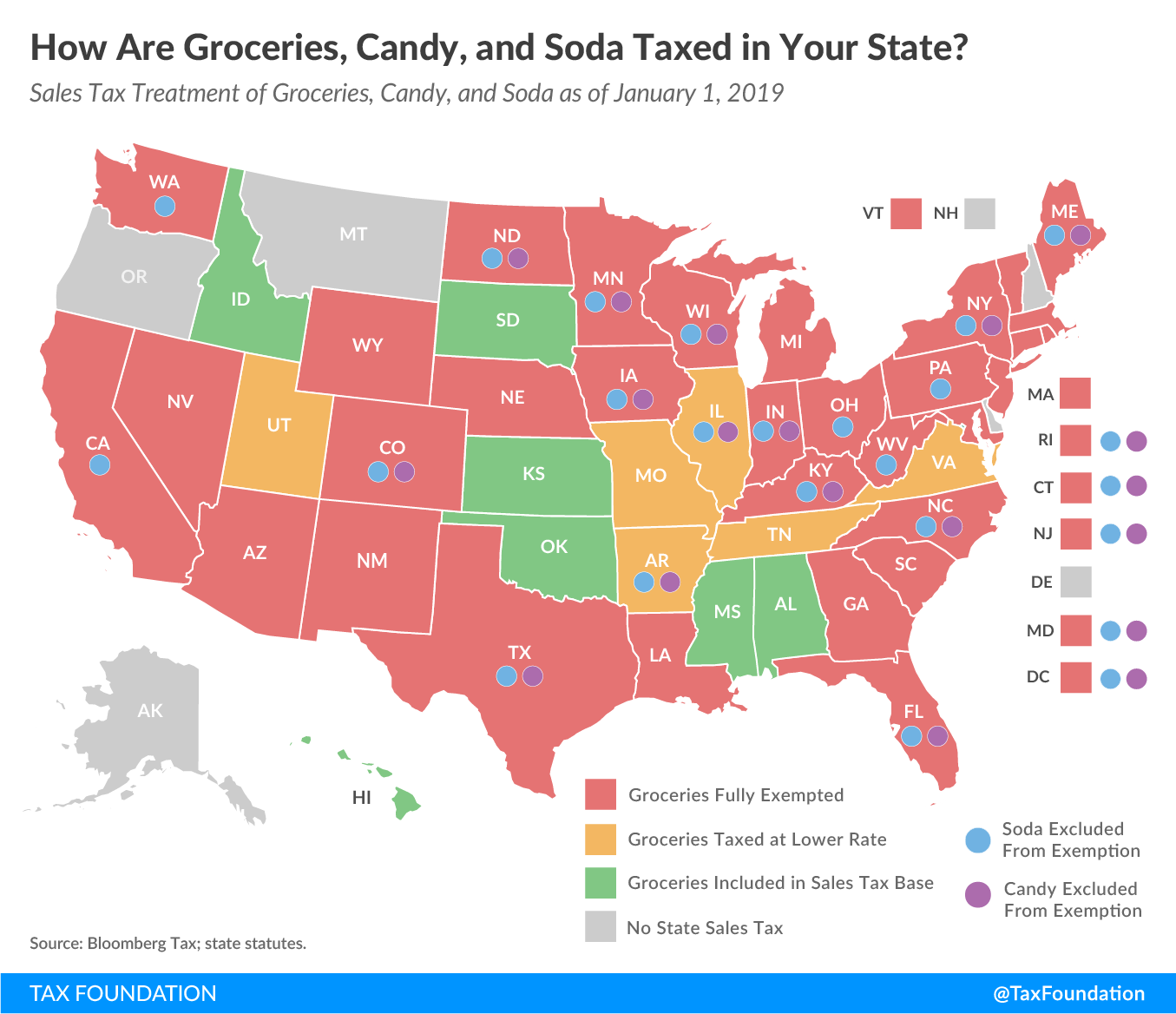
The General Rule: Grocery Exemptions
For the most part, when you purchase staple food items from a grocery store or a similar retail establishment for preparation at home, you won’t be charged state sales tax. This includes items such as:
- Fresh Produce: Fruits, vegetables, and other fresh produce are universally exempt.
- Meats, Poultry, and Seafood: Unprepared meats, poultry, and seafood intended for home cooking are generally tax-free.
- Dairy Products: Milk, cheese, yogurt, and other dairy items typically fall under the exemption.
- Grains and Baked Goods: Bread, cereals, pasta, and other grain-based products are usually not taxed.
- Canned and Packaged Goods: Non-prepared foods like canned vegetables, soups, and dry goods are also commonly exempt.
This exemption is designed to ease the burden of everyday food costs. It recognizes that access to basic sustenance is a fundamental need, and the state aims to facilitate this access. When you’re stocking up for a picnic in Zilker Park or preparing a meal in your vacation rental, you can generally expect these items to be free of sales tax.
What Constitutes “Food for Home Consumption”?
The critical factor in determining the taxability of food items is their intended use. If the food is purchased for consumption at home, meaning it is not intended for immediate consumption on the premises where it is sold or for consumption as a prepared meal, it is generally exempt. This distinction is vital. For instance, a pre-packaged sandwich from a convenience store might be exempt if you intend to take it home and eat it later. However, if you purchase it and consume it right there, it could be subject to tax.
The Texas Comptroller of Public Accounts provides detailed guidelines on this matter. The spirit of the law is to differentiate between groceries and prepared meals. While the lines can sometimes blur, particularly with convenience items, the core principle remains consistent: food intended for home preparation and consumption is generally tax-free.
When Food Becomes Taxable: Prepared Meals and Dining Out
The exemption for food items significantly narrows when the food is prepared and sold for immediate consumption, or when it is part of a service. This is where the distinction between a grocery store and a restaurant, cafe, or food truck becomes crucial.
Prepared Food Sales
Any food that is prepared, heated, or served in a manner that makes it ready for immediate consumption on or near the premises where it is sold is considered a taxable sale. This includes a wide array of items commonly found in:
- Restaurants and Cafes: Whether you’re enjoying a sit-down meal at a Houston bistro or grabbing a quick bite at a coffee shop, the food and beverages you consume there are subject to sales tax.
- Fast Food Establishments: Burgers, fries, tacos, and sodas purchased for immediate consumption at fast-food chains are taxed.
- Food Trucks and Carts: Food purchased from mobile vendors, intended for immediate consumption, is also generally taxable.
- Convenience Stores and Delis with Hot Food Bars: While pre-packaged snacks or cold items might be exempt, hot foods, sandwiches made to order, or items from a self-serve hot food bar are typically taxed.
- Beverages: While some beverages sold in grocery stores (like milk or 100% fruit juice) are exempt, most other beverages, especially when sold with prepared food, are taxable. This includes sodas, iced tea, coffee, and bottled water purchased from restaurants or convenience stores.
The rationale behind taxing prepared food is that it often includes the cost of preparation, packaging, and service, which are considered taxable services. When you dine out, you are not just paying for the ingredients; you are paying for the convenience and the experience.
Special Cases and Exceptions
The taxability of food can also be influenced by how it is sold and its intended purpose, leading to some specific rules:
- Vending Machines: Food and drink items sold through vending machines are generally taxable, regardless of whether they are considered staple foods, if they are sold for immediate consumption. However, there are exceptions for certain types of food items.
- Catering Services: Food provided by a caterer is usually considered a taxable sale, as it typically includes preparation, delivery, and service.
- Bakeries: While a plain loaf of bread purchased from a bakery might be exempt if intended for home consumption, pastries, cakes, cookies, and other ready-to-eat items are generally taxable. If a bakery sells “take-and-bake” pizzas, those might be exempt.
- “Meal Deals” and Combos: When food items that are normally exempt are sold as part of a taxable meal or combo, the entire sale often becomes taxable. For example, if you buy a sandwich and a soda from a deli, the entire transaction may be taxed.
- Candy and Sweet Goods: Items that are primarily sugar, flour, or other sweeteners and are sold as candy or sweet goods are generally taxable, even if purchased from a grocery store. This distinguishes them from basic food staples.
- Soft Drinks: Even when purchased from a grocery store for home consumption, soft drinks are typically considered taxable in Texas. This is a specific classification that separates them from other non-prepared beverages.
Sales Tax Rates in Texas
The state sales tax rate in Texas is 6.25%. However, local taxing jurisdictions (cities and counties) can impose additional sales taxes, bringing the total combined rate higher. The maximum combined state and local sales tax rate allowed in Texas is 8.25%.
This means that when you purchase taxable food items, the rate you pay will depend on the specific location within Texas where the sale occurs. For instance, a meal purchased in a major metropolitan area like Dallas might have a higher total tax rate than one purchased in a smaller town, due to the local portion of the tax.
It’s important to note that sales tax is generally calculated on the selling price of the item. Tips, service charges that are not explicitly stated as being passed through to employees, and delivery fees may also be subject to sales tax depending on how they are structured by the business.
Navigating Your Bill
When dining out or making food purchases in Texas, always pay attention to your receipt. It should clearly itemize the food and beverage items purchased and indicate whether sales tax has been applied. If you are unsure about the taxability of a particular item, it is always best to ask the vendor directly.
For travelers, understanding these tax implications can contribute to a smoother and more predictable budgeting experience. Whether you’re enjoying the vibrant food scene of Houston, exploring the historic missions of San Antonio, or indulging in the barbecue of Central Texas, knowing what to expect regarding sales tax will enhance your culinary journey.

Food for Thought: Planning Your Texas Culinary Adventures
The tax treatment of food in Texas reflects a balance between making essential groceries affordable and taxing prepared meals and services that consumers purchase for convenience and enjoyment. For the average tourist, this means that grocery shopping for your hotel room or rental property will largely be tax-free, allowing you to save money on essentials. However, when you decide to explore the state’s rich culinary offerings through restaurants, cafes, and food vendors, be prepared for sales tax to be applied to your order.
By understanding the distinction between food for home consumption and prepared meals, and by being aware of specific exceptions like soft drinks and candy, you can better anticipate your expenses. This knowledge empowers you to make informed decisions, whether you’re planning a budget-friendly road trip across the state or a luxurious gastronomic tour of its most renowned eateries. Enjoy the diverse flavors of Texas, knowing that a little bit of tax knowledge can go a long way in enhancing your experience.
LifeOutOfTheBox is a participant in the Amazon Services LLC Associates Program, an affiliate advertising program designed to provide a means for sites to earn advertising fees by advertising and linking to Amazon.com. Amazon, the Amazon logo, AmazonSupply, and the AmazonSupply logo are trademarks of Amazon.com, Inc. or its affiliates. As an Amazon Associate we earn affiliate commissions from qualifying purchases.