
The question of whether Texas possesses its own distinct power grid is one that frequently arises, particularly in discussions surrounding the state’s unique energy landscape and its resilience. While it might seem like a straightforward yes or no, the reality is nuanced, reflecting a history of regulatory choices and a commitment to self-governance in energy matters. The answer, in essence, is yes, but understanding the implications of this independence requires delving into the operational specifics and historical context of the Texas power system.
The Independent System Operator: ERCOT’s Role
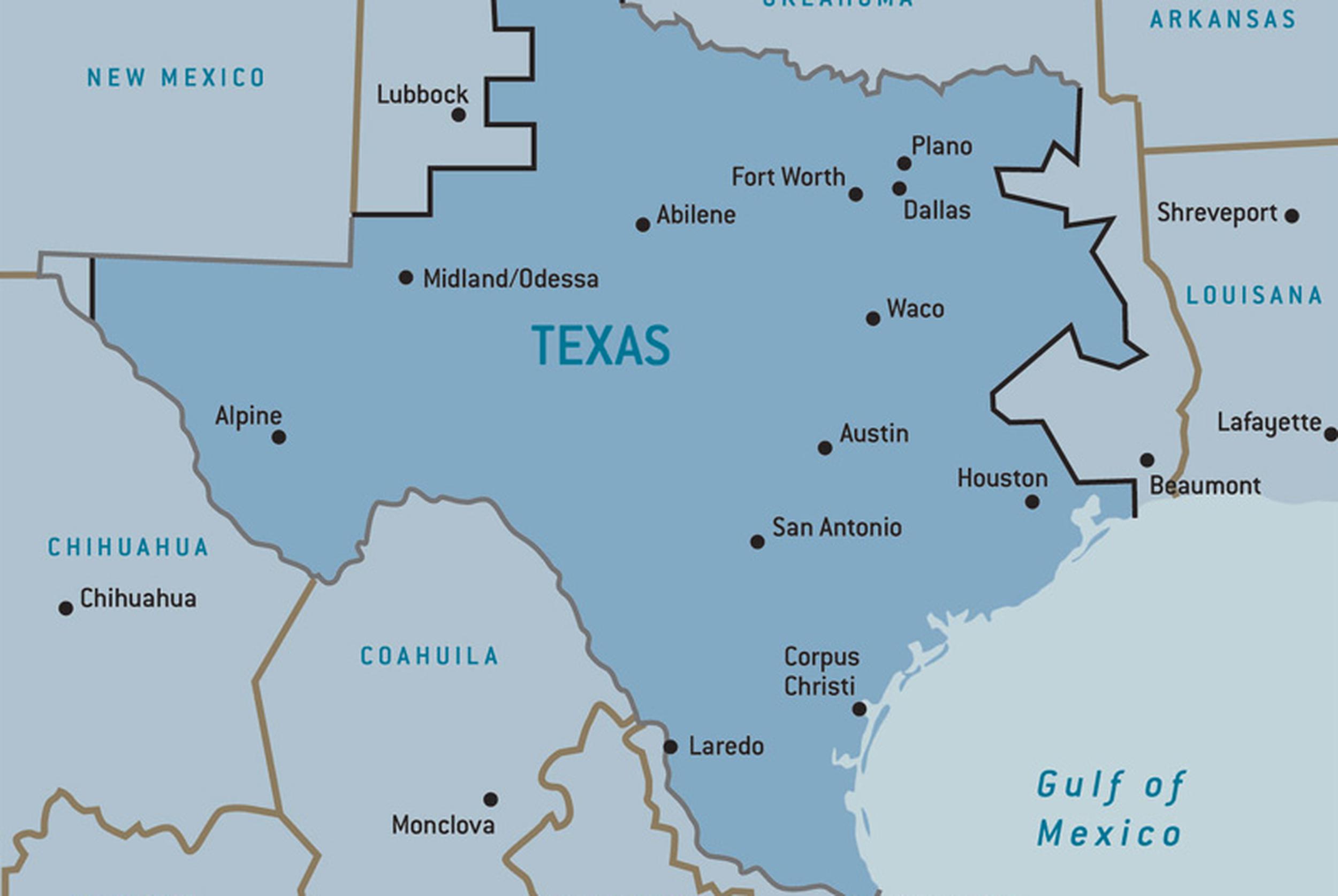
At the heart of the Texas power grid’s autonomy lies the Electric Reliability Council of Texas (ERCOT). Unlike most other states in the United States, which are interconnected with larger regional transmission organizations (RTOs) or utilities that span multiple states, Texas operates almost entirely within its own independent system. This means that the vast majority of the state’s electricity consumers are served by generation and transmission facilities managed by ERCOT.
Understanding Interconnections
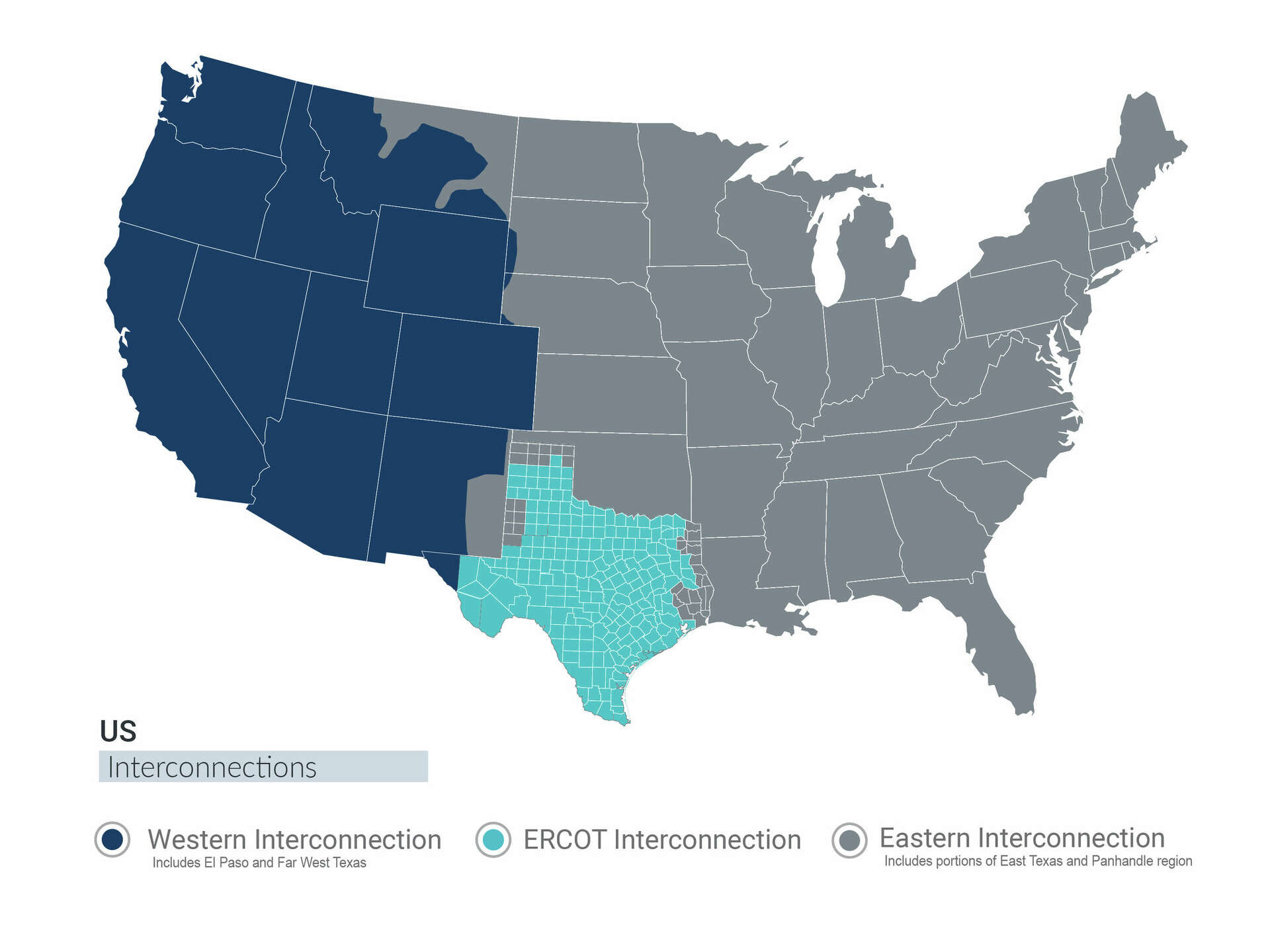
The crucial distinction that grants Texas its independent grid status is its limited interconnection with the two major national grids: the Eastern Interconnection and the Western Interconnection. These two behemoths cover most of North America and are designed for extensive power sharing and reliability enhancements across vast geographical areas. Texas, through ERCOT, made a deliberate choice decades ago to remain largely isolated from these interconnections.
There are small exceptions, primarily in the western part of the state and a few border towns, which are connected to the Western Interconnection. These connections are minimal and operate under specific agreements, allowing for limited power flow. However, for the overwhelming majority of the state, ERCOT is the sole operator, responsible for managing the real-time balance of electricity supply and demand. This operational isolation is the defining characteristic of the Texas grid’s independence.
The Rationale Behind Independence
The decision to maintain an independent grid was driven by a desire for regulatory autonomy and market-based innovation. In the 1930s and 1940s, Texas adopted a policy of minimal federal regulation over its intrastate electricity market. By remaining largely disconnected from the interstate grids, the state aimed to foster competition and tailor its energy policies to its specific economic and geographical needs, free from the mandates of federal agencies like the Federal Energy Regulatory Commission (FERC). This hands-off approach allowed for the development of a deregulated wholesale electricity market, a concept that was ahead of its time and has been a hallmark of the Texas energy sector ever since.
Advantages and Disadvantages of an Independent Grid
The independent nature of the Texas grid offers a unique set of benefits and challenges, as seen during periods of extreme weather and market volatility.
Market Flexibility and Innovation
One of the primary advantages cited for the independent grid is the ability to foster a competitive wholesale electricity market. ERCOT manages this market, allowing for a diverse range of power generation sources, including significant contributions from renewable energy like wind and solar, alongside traditional sources like natural gas and coal. This competitive environment has historically led to lower electricity prices for consumers and encouraged investment in new generation technologies. The deregulation also allows for flexibility in introducing new energy products and services that might be more challenging to implement in more heavily regulated, interconnected systems. For instance, Texas has been a leader in the growth of wind power, partly due to market structures that incentivize its development.
Resilience and Vulnerability
However, the isolation that grants Texas its autonomy also presents unique vulnerabilities. When extreme weather events occur, such as the severe winter storm in February 2021, the inability to draw significant power from neighboring states to supplement domestic generation becomes a critical issue. In a highly interconnected system, such an event might be mitigated by importing power from regions less affected. The Texas grid, being largely on its own, had to rely solely on its available generation capacity, which was severely hampered by the cold. This reliance on internal resources means that when the internal system faces widespread failures, the entire state is at risk of prolonged outages. The lack of robust interconnections can thus amplify the impact of domestic generation failures during crises.
Regulatory Control and Policy Tailoring
The independent grid also allows Texas to maintain significant control over its energy regulations and policies. This can be advantageous for tailoring solutions to the state’s specific needs, whether related to economic development, environmental goals, or consumer protection. For example, Texas can set its own standards for grid reliability and resource adequacy without needing to conform to federal guidelines that might not be suitable for its unique market dynamics. This level of control is a cornerstone of the state’s self-governing philosophy.
The Impact on Tourism and Travel Experiences
While the technicalities of the power grid might seem distant from the typical traveler’s concerns, the operational stability and reliability of this infrastructure have indirect but significant implications for visitors to Texas. The state’s ability to provide consistent power affects everything from the comfort of hotel rooms to the accessibility of attractions.
Ensuring Comfort and Connectivity
For tourists and business travelers alike, a stable power supply is fundamental to a positive experience. Imagine arriving at a hotel in Houston after a long flight, only to find that air conditioning is intermittent or that essential services are unavailable due to grid issues. Similarly, attractions, restaurants, and transportation systems all rely on a consistent flow of electricity. The reliability of the Texas grid directly impacts the operational capacity of the hospitality sector and the broader tourism industry. When the grid is robust, visitors can enjoy their stays without interruption, accessing amenities and services they expect, from Wi-Fi in their rooms at the Omni Fort Worth Hotel to the functioning of the rides at Six Flags Fiesta Texas.
Economic Implications for the Tourism Sector
The economic health of the tourism sector is closely tied to the state’s overall infrastructure reliability. Prolonged or widespread power outages can deter visitors, disrupt events, and lead to significant financial losses for businesses. Events like the South by Southwest festival in Austin, a major draw for international and domestic travelers, depend on a stable power supply to ensure the smooth operation of venues, stages, and exhibition spaces. The resilience of the Texas grid, therefore, plays a role in maintaining Texas as an attractive and dependable destination for global tourism. A secure power system is not just about keeping the lights on; it’s about safeguarding the economic vitality of one of the state’s key industries.

Infrastructure Investments and Future Reliability
In response to past challenges, significant investments are being made to enhance the resilience of the Texas grid. These efforts, often driven by lessons learned from events like the 2021 winter storm, aim to improve the grid’s ability to withstand extreme weather and ensure greater reliability. For travelers, this translates to greater confidence in the state’s ability to maintain essential services, even during periods of high demand or adverse conditions. As Texas continues to grow and attract visitors to its diverse attractions, from the historic Alamo in San Antonio to the natural beauty of the Big Bend National Park, a strong and dependable power grid is an essential, albeit often unseen, component of the overall visitor experience. The commitment to modernizing and fortifying the ERCOT grid is a commitment to ensuring that the Lone Star State remains a welcoming and functional destination for all.
LifeOutOfTheBox is a participant in the Amazon Services LLC Associates Program, an affiliate advertising program designed to provide a means for sites to earn advertising fees by advertising and linking to Amazon.com. Amazon, the Amazon logo, AmazonSupply, and the AmazonSupply logo are trademarks of Amazon.com, Inc. or its affiliates. As an Amazon Associate we earn affiliate commissions from qualifying purchases.