
Planning a journey that bridges the vibrant energy of New York City with the heartland charm of Indiana requires a clear understanding of the distances and travel options involved. Whether you envision a cross-country road trip, a swift flight, or a more leisurely train adventure, knowing the mileage is the first step in crafting an unforgettable itinerary. This exploration delves into the geographical expanse, diverse transportation methods, and considerations for traversing this significant distance, offering insights for both the seasoned traveler and the novice explorer.
The Geographical Divide: Understanding the Distance
The distance between New York and Indiana is not a single, static number but rather a variable that depends on the specific start and endpoints within each state. New York is a large state, encompassing bustling metropolises like New York City and more rural upstate regions. Similarly, Indiana spans from its capital, Indianapolis, to its northern industrial cities like South Bend and its southern rolling hills.

Driving Distances: Navigating the Open Road
When considering a road trip, the most common route often begins in New York City and heads towards Indianapolis, the most populous city in Indiana.
- New York City, NY to Indianapolis, IN: This journey covers approximately 650 to 700 miles, depending on the precise route taken. The most common path utilizes major interstate highways such as I-80 West and I-90 West, often connecting to I-70 West through Pennsylvania and Ohio. The estimated driving time, without significant stops or traffic, is around 10 to 12 hours. However, for a comfortable road trip, it’s advisable to break this journey into at least two days, allowing for overnight stays in charming towns or cities along the way.
- Other Major Cities:
- Buffalo, NY to Fort Wayne, IN: This route is shorter, roughly 300 miles, and can be completed in about 5 hours of driving.
- Albany, NY to Evansville, IN: This represents a longer stretch, around 800 miles, taking approximately 13 to 14 hours of continuous driving.
The choice of route can significantly impact mileage and travel time. Factors such as toll roads, potential traffic congestion, and the desire to visit specific landmarks or cities en route will influence the final distance and duration. Planning with GPS or mapping applications is essential, allowing for real-time adjustments and scenic detours.
Flying: The Fastest Path to Indiana
For those prioritizing speed and efficiency, air travel offers the most direct solution to cover the distance between New York and Indiana.
- Major Airports in New York: Travelers typically depart from one of the three major airports serving the New York City metropolitan area: John F. Kennedy International Airport (JFK), LaGuardia Airport (LGA), or Newark Liberty International Airport (EWR) in neighboring New Jersey.
- Major Airports in Indiana: The primary destination airport in Indiana is Indianapolis International Airport (IND). Other airports that may serve regional flights include Richard I. Bong International Airport (HUF) in Terre Haute or airports near cities like South Bend or Fort Wayne.
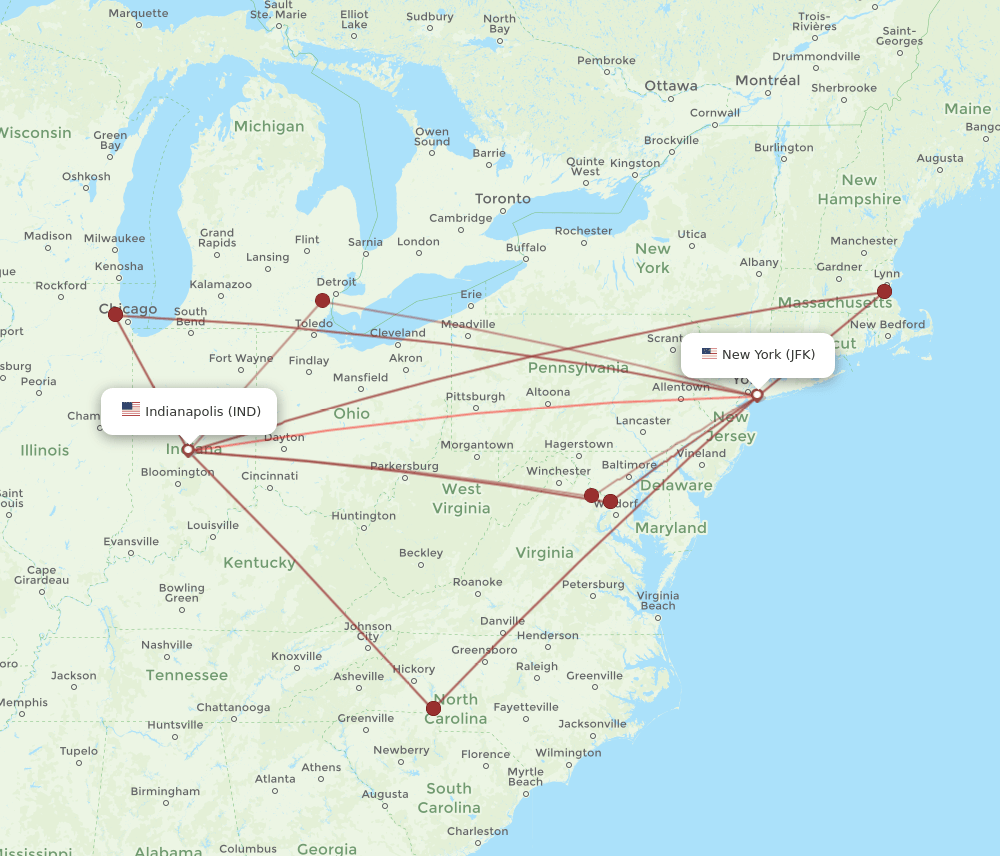
- Flight Duration and Distance: Direct flights from New York City to Indianapolis are typically around 1 hour and 45 minutes to 2 hours in duration. The straight-line (as-the-crow-flies) distance is approximately 570 to 590 miles. While the flight itself is swift, it’s important to factor in travel time to and from airports, check-in procedures, and security, which can add several hours to the total travel experience.
Several airlines operate routes between these two states, offering varying schedules and price points. Booking in advance is often recommended, especially during peak travel seasons, to secure the best fares and flight times.
Train Travel: A Scenic Journey Across America
For those who prefer a more relaxed and scenic approach to travel, Amtrak offers a compelling option for journeying from New York to Indiana. This method allows travelers to witness the changing American landscape unfold outside their windows.
- Major Amtrak Routes: The primary Amtrak route connecting the East Coast to the Midwest often involves services like the Lake Shore Limited or connecting services that pass through major hubs like Chicago. A common itinerary might involve departing from New York Penn Station and traveling towards Indianapolis.
- Travel Time and Experience: Train journeys are significantly longer than flights. A trip from New York to Indianapolis by train can take anywhere from 16 to 24 hours or more, depending on the specific route and connections. While this may seem lengthy, it offers a unique opportunity to relax, read, work, dine in a dining car, and enjoy the passing scenery. Sleeper car accommodations can enhance comfort for overnight journeys.
- Intermodal Considerations: In some cases, train travel might involve a layover in a city like Chicago, which serves as a major Amtrak hub. From Chicago, further connections can be made to various destinations within Indiana. Planning this route requires careful attention to schedules and transfer times.
Train travel, while less time-efficient than flying, provides a romantic and immersive way to experience the vastness of the United States, offering a different perspective on the journey between these two distinct regions.
Factors Influencing Travel Time and Distance
Beyond the raw mileage, several factors can influence the actual time it takes to travel from New York to Indiana. Understanding these variables is crucial for accurate trip planning.

Time of Year and Weather
The season of travel can significantly impact both road and air travel. Winter months can bring snowstorms and icy conditions to the Northeastern United States and the Midwest, potentially causing road closures, flight delays, and cancellations. Summer, while generally favorable, can experience thunderstorms or heat waves that might affect travel plans. Spring and fall often offer the most stable weather conditions for extended journeys.
Traffic and Congestion
Major metropolitan areas along the route, particularly around New York City, Philadelphia, Pittsburgh, Columbus, and Cincinnati, can experience heavy traffic, especially during peak commuting hours, holidays, or major events. This congestion can add considerable time to driving journeys and may also impact airport accessibility.
Route Selection and Stops
The chosen route, whether by car or train, plays a significant role. Opting for more scenic byways over direct interstate highways will naturally increase mileage and travel time. Similarly, planning to visit specific attractions or cities along the way, such as the Finger Lakes region in New York, Allegheny National Forest in Pennsylvania, or the Rock and Roll Hall of Fame in Cleveland, will extend the overall duration of the trip.
Vehicle Maintenance and Driving Habits (for Road Trips)
For those driving, ensuring the vehicle is in good condition is paramount for a safe and uninterrupted journey. Regular maintenance, including tire checks, oil changes, and fluid levels, can prevent unexpected breakdowns. Driver fatigue is also a critical consideration; planning for adequate rest stops and avoiding long stretches of driving without breaks is essential for safety and enjoyment.
Planning Your Cross-State Adventure
Successfully navigating the distance between New York and Indiana involves thoughtful planning tailored to individual preferences and priorities. Whether you are embarking on a family vacation, a business trip, or a solo exploration, understanding the geographical realities and available transportation options is key.
Choosing the Right Mode of Transport
The decision between flying, driving, or taking a train depends on several factors:
- Time Constraints: If time is of the essence, flying is the most efficient option.
- Budget: Driving can be more cost-effective for groups or families, especially if factoring in the cost of multiple airline tickets. However, consider fuel, tolls, and accommodation expenses. Train travel can offer a middle ground, with varying fare options.
- Experience Desired: A road trip offers unparalleled freedom and the opportunity for spontaneous exploration. Train travel provides a relaxed, scenic experience. Flying is about reaching the destination quickly.
- Luggage: If you are traveling with a significant amount of luggage or bulky items, driving offers greater flexibility.
Accommodation and Itinerary Building
Once the mode of transport is decided, accommodation and itinerary planning can commence.
- For Road Trippers: Identify potential overnight stops. Cities like Pittsburgh, Columbus, or towns in Ohio offer good stopping points. Research hotels or bed and breakfasts in advance, especially during popular travel times. Consider attractions along your chosen route, such as the Rock and Roll Hall of Fame in Cleveland, the National Museum of the US Air Force near Dayton, or the charming small towns of Southern Indiana.
- For Fliers: Secure flights and arrange transportation from the arrival airport in Indiana. Indianapolis International Airport (IND) has rental car services, taxis, and ride-sharing options. Consider booking your accommodation in Indianapolis or your final Indiana destination in advance.
- For Train Travelers: Book Amtrak tickets, particularly sleeper accommodations if desired, well in advance. Familiarize yourself with the train schedules and any potential transfer points. Research local transportation options at your arrival station in Indiana.
Leveraging Technology for Seamless Travel
Modern technology offers invaluable tools for planning and executing this journey. GPS navigation apps provide real-time traffic updates and optimal routing for drivers. Flight booking websites and apps allow for easy comparison of airfares and schedules. Amtrak’s website and app offer detailed route information, booking capabilities, and real-time train status updates. Mobile apps for weather forecasting can help anticipate potential travel disruptions, allowing for proactive adjustments to your itinerary. By utilizing these resources, travelers can transform a potentially daunting distance into a well-managed and enjoyable experience, connecting the iconic landscapes of New York with the welcoming spirit of Indiana.
LifeOutOfTheBox is a participant in the Amazon Services LLC Associates Program, an affiliate advertising program designed to provide a means for sites to earn advertising fees by advertising and linking to Amazon.com. Amazon, the Amazon logo, AmazonSupply, and the AmazonSupply logo are trademarks of Amazon.com, Inc. or its affiliates. As an Amazon Associate we earn affiliate commissions from qualifying purchases.