
Navigating the fiscal landscape of any destination is a crucial aspect of intelligent travel planning. For those venturing to the Empire State, understanding New York State‘s sales tax is not merely a matter of accounting but a key to budgeting effectively for your journey. This tax, levied on the sale of tangible personal property and certain services, can significantly impact the overall cost of your experiences, from a leisurely brunch in New York City to a souvenir picked up in the charming town of Saratoga Springs. This guide aims to demystify the sales tax in New York State, providing clarity for travelers and highlighting how it influences your spending.
Understanding the New York State Sales Tax Structure
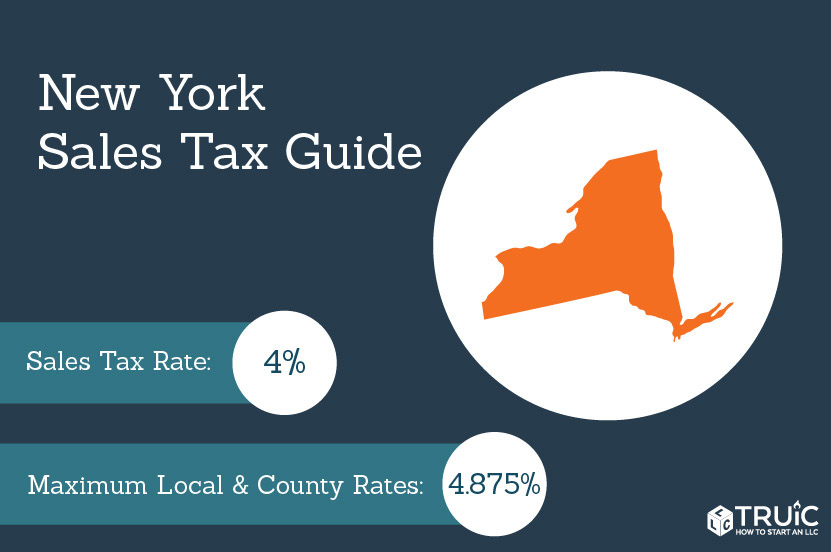
The sales tax in New York State is a multi-layered system, comprising a base state tax and additional local taxes that vary significantly depending on the specific county and metropolitan commuter transportation district where a transaction occurs. This means that the final sales tax rate you encounter can differ considerably, even within a relatively short distance.
The Base State Sales Tax Rate
At its core, New York State imposes a statewide sales tax. This foundational rate is applied universally across the state before any local additions are considered. As of the current fiscal period, the state sales tax rate stands at 4%. This rate applies to most tangible goods and specified services purchased within the state’s borders. However, it’s essential to remember that this 4% is just the starting point for calculating the total tax burden.
Local Sales Taxes: A Patchwork of Rates
The significant variation in sales tax rates across New York State is primarily due to the addition of local sales taxes. Counties and the Metropolitan Transportation Authority (MTA) have the authority to impose their own sales taxes, which are then collected by the state and remitted to the respective local jurisdictions.
- County Sales Taxes: Each county can levy its own sales tax, with rates ranging from a few percent to several percent. These rates are determined by individual county legislatures and can be changed periodically. For instance, a purchase made in Suffolk County will have a different total sales tax than one made in Albany County.
- Metropolitan Commuter Transportation District (MCTD) Surtax: For areas within the MTA’s jurisdiction, an additional surtax is levied. This applies to the MTA region, which includes New York City, Nassau County, Suffolk County, and the three counties north of the city that are part of the commuter rail system: Westchester County, Rockland County, and Putnam County. The MCTD surtax adds another layer to the total sales tax rate in these areas.
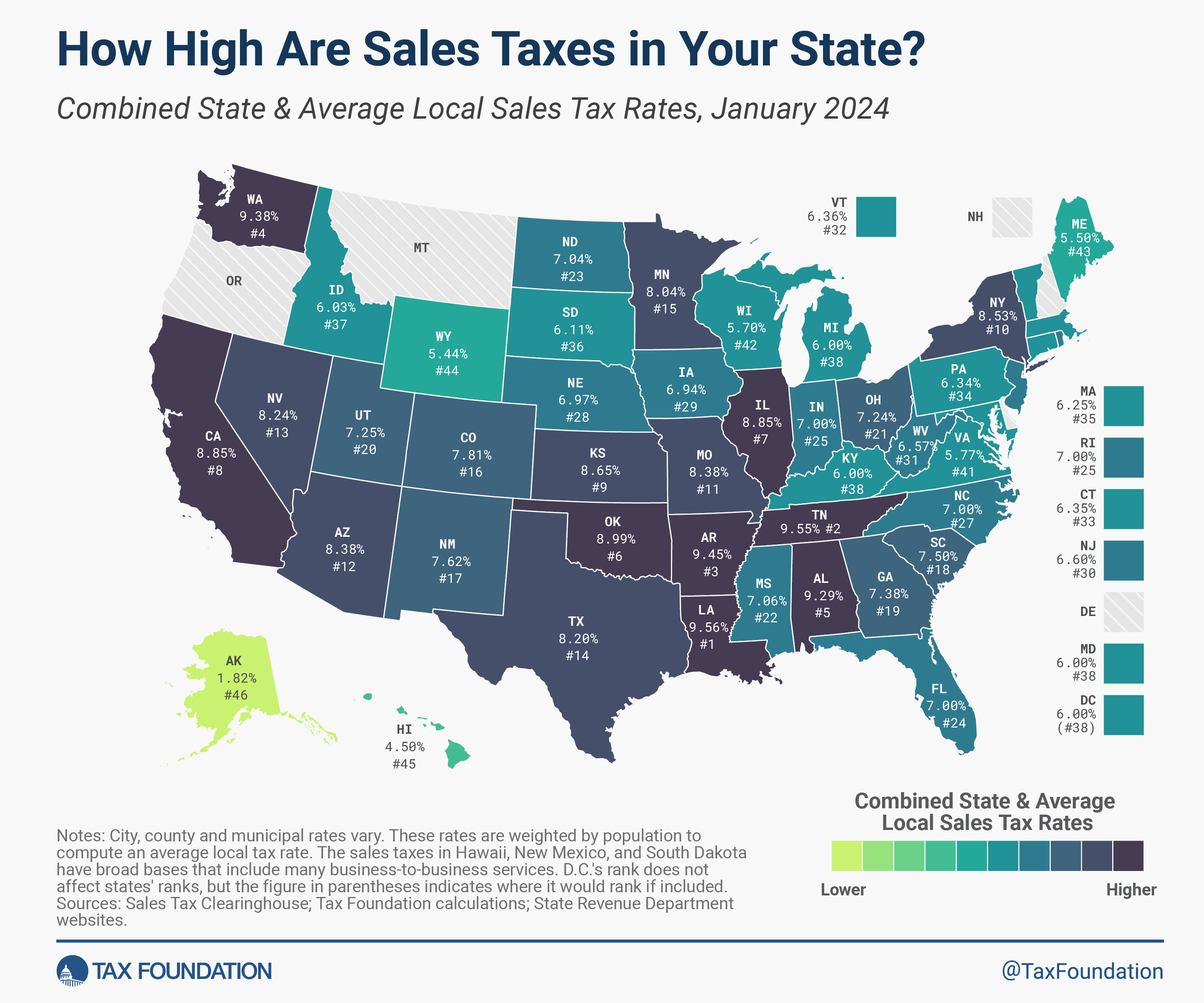
The combination of these state, county, and MCTD taxes results in a wide spectrum of total sales tax rates. Travelers are often surprised by the higher rates in densely populated or popular tourist areas like New York City, where the combined rate can reach over 8.875%. Conversely, some more rural counties might have significantly lower total rates. It is always advisable to check the specific rate for the county you are visiting.
Determining the Applicable Rate
The sales tax rate applicable to a transaction is generally determined by the location of the sale. For tangible goods, this typically means the physical location where the item is delivered to the purchaser. For services, it often depends on the location where the service is performed or rendered. This principle is crucial for online purchases as well, where the destination of the shipment dictates the tax rate.
Exemptions and Special Considerations for Travelers
While most goods and services are subject to sales tax, New York State does provide certain exemptions, some of which may be relevant to travelers. Understanding these can lead to savings and a smoother travel experience.
Clothing and Footwear Exemptions
A significant exemption that benefits travelers is for clothing and footwear. In New York State, any individual article of clothing or footwear that costs less than $110 is exempt from state and local sales tax. This exemption applies to items bought for personal use. However, it’s important to note that this exemption does not cover accessories such as jewelry, handbags, or hats. Additionally, items purchased by a business for resale are not subject to this exemption. This policy makes shopping for apparel in cities like New York City potentially more budget-friendly for personal items.
Food and Beverages
The tax treatment of food and beverages in New York State is nuanced. Generally, most food and beverages sold in restaurants, delis, and grocery stores for immediate consumption are subject to sales tax. However, certain categories are exempt, such as:
- Most groceries purchased at a supermarket for consumption off-premises.
- Non-prepared food items.
- Certain beverages like milk and 100% fruit juices.
Prepared meals, hot food, deli sandwiches, and beverages sold in a “hot” state are typically taxable. This distinction is vital when planning your dining expenses, whether you’re grabbing a quick bite at a New York City deli or enjoying a meal at a resort in the Adirondacks.
Services and Specific Items
Many services are also subject to sales tax in New York State. This can include services like:
- Admissions to places of amusement, like theaters, sports events, and amusement parks.
- Certain repair and maintenance services for tangible personal property.
- Hotel occupancy (which has its own distinct tax structure, often including occupancy taxes in addition to sales tax).
- Laundering and dry cleaning services.
However, some services are exempt. For instance, basic cable television services are exempt, while premium channels may be taxable. It is always best to inquire if a specific service is subject to sales tax at the point of purchase.
Impact on Travel Planning and Budgeting
Understanding the sales tax in New York State is more than just a detail; it’s a fundamental element of responsible travel budgeting. The cumulative effect of state and local taxes can add a significant percentage to your expenses, especially in major urban centers.
Budgeting for Purchases
When planning your trip, it’s prudent to factor in sales tax for all anticipated purchases. This includes everything from daily essentials and souvenirs to dining out and entertainment. For example, if you plan to spend $500 on clothing (above the $110 exemption threshold for individual items), and you are in an area with an 8.875% sales tax, you will add approximately $44.38 in sales tax to that purchase. Over the course of a vacation, these seemingly small amounts can accumulate.
Dining and Entertainment Costs
The sales tax on dining and entertainment can be a substantial part of your travel budget. A $100 meal in New York City could end up costing you nearly $109 with taxes and potential gratuity. Similarly, tickets to a Broadway show or an event at Madison Square Garden will have this additional tax applied. Being aware of these costs upfront allows for more accurate financial planning and can help avoid unexpected expenditures.
Accommodation Taxes
While this article focuses on sales tax, it’s important to note that accommodations like hotels and short-term rentals are subject to a different, though often related, set of taxes. These typically include state and local occupancy taxes, which are levied on the room rate. These can add a substantial percentage to your lodging costs, sometimes rivaling or exceeding the general sales tax rate in certain areas. For example, hotels in New York City face some of the highest occupancy taxes in the nation.
Where to Find Official Sales Tax Information
Staying current with New York State sales tax rates is crucial, as they can be subject to change due to legislative updates or local government decisions. The official source for accurate and up-to-date information is the New York State Department of Taxation and Finance.
The New York State Department of Taxation and Finance Website
The New York State Department of Taxation and Finance provides comprehensive resources for taxpayers and consumers alike. Their website typically features:
- Current Rate Schedules: Detailed listings of state, county, and MCTD sales tax rates for all jurisdictions within New York State.
- Publication and Bulletins: Official documents that explain sales tax laws, exemptions, and special rules.
- Tax Bulletins on Specific Topics: Guidance on the taxability of particular goods and services.
- Online Tools: Some resources may offer tools to look up tax rates by zip code or address.
Travelers are encouraged to consult this official website for the most accurate and current sales tax information relevant to their specific travel destinations within New York State. This diligence ensures that your travel budget accurately reflects the actual costs associated with your purchases and experiences. By understanding and accounting for sales tax, your journey through the diverse landscapes and vibrant cities of New York State can be both memorable and financially sound.
LifeOutOfTheBox is a participant in the Amazon Services LLC Associates Program, an affiliate advertising program designed to provide a means for sites to earn advertising fees by advertising and linking to Amazon.com. Amazon, the Amazon logo, AmazonSupply, and the AmazonSupply logo are trademarks of Amazon.com, Inc. or its affiliates. As an Amazon Associate we earn affiliate commissions from qualifying purchases.