
Navigating the open roads of Texas is a quintessential part of experiencing the Lone Star State. Whether you’re embarking on a scenic drive through the Hill Country, exploring the vibrant streets of Austin, or venturing towards the vastness of West Texas, understanding local regulations ensures a smooth journey. One common question that arises for both residents and visitors alike is about the requirement for front license plates. This seemingly minor detail can have significant implications for your travel experience, from avoiding unnecessary traffic stops to ensuring your vehicle complies with state laws.
Understanding Texas Vehicle Registration Laws
Texas, like most U.S. states, has specific laws governing vehicle registration and identification. These laws are designed to aid law enforcement in identifying vehicles and their owners. The primary components of vehicle identification are the license plates, which must be properly displayed. The debate around front license plates has been a recurring one in many states, driven by various arguments including aesthetics, cost, and enforcement. Texas, however, has a clear stance on this matter that all drivers should be aware of.

The Law on Front License Plates in Texas
The definitive answer to the question “Does Texas require front license plates?” is yes. Texas Transportation Code §502.004 mandates that a vehicle must display two license plates, one at the front and one at the rear, both of which must be clearly visible. This requirement applies to most passenger vehicles registered in the state.
The rationale behind this law is primarily for law enforcement purposes. Having a plate visible from the front allows officers to identify vehicles more easily, especially in situations where the rear plate might be obscured, damaged, or facing away. This can be critical in identifying stolen vehicles, vehicles involved in crimes, or those being operated by a driver with outstanding warrants. The visibility from both directions enhances the efficiency and effectiveness of traffic enforcement and public safety efforts.
Exceptions to the Rule
While the general rule mandates front license plates for most vehicles, there are a few specific exceptions outlined by Texas law. These exceptions are typically for vehicles where the design or purpose makes a front plate impractical or unnecessary.
Motorcycles and Certain Recreational Vehicles
Motorcycles are a notable exception. Due to their design, it is often impractical to mount a front license plate. Therefore, Texas law exempts motorcycles from the requirement of displaying a front license plate. They are still required to have a properly displayed rear license plate.
Similarly, certain types of recreational vehicles or trailers might have exemptions, though this is less common for standard passenger vehicles. It is always advisable to check the specific regulations if you are operating an unusual or specialized type of vehicle.
Dealer and Manufacturer Plates
Vehicles being operated with temporary dealer plates or manufacturer plates may also fall under different display requirements. These plates are intended for short-term use during the sale or transport of vehicles and have their own set of rules regarding visibility and duration.
Consequences of Non-Compliance
Failing to display a front license plate in Texas can lead to consequences for drivers. The most common penalty is a traffic citation, which can result in a fine. While the exact fine amount can vary depending on the jurisdiction and the discretion of the issuing officer, it serves as a financial deterrent to non-compliance.
In some instances, a lack of a front license plate could contribute to a traffic stop, even if no other moving violation has occurred. This is because it can be an initial indicator to law enforcement that a vehicle may not be properly registered or is otherwise out of compliance with state laws. For travelers, this can be a source of inconvenience and potential delay, especially if they are unfamiliar with the local regulations.
Preparing for Your Texas Road Trip
When planning a road trip to or through Texas, ensuring your vehicle is compliant with all state laws is a crucial step. This includes double-checking that both your front and rear license plates are securely attached and clearly visible.
Vehicle Inspection and Preparation
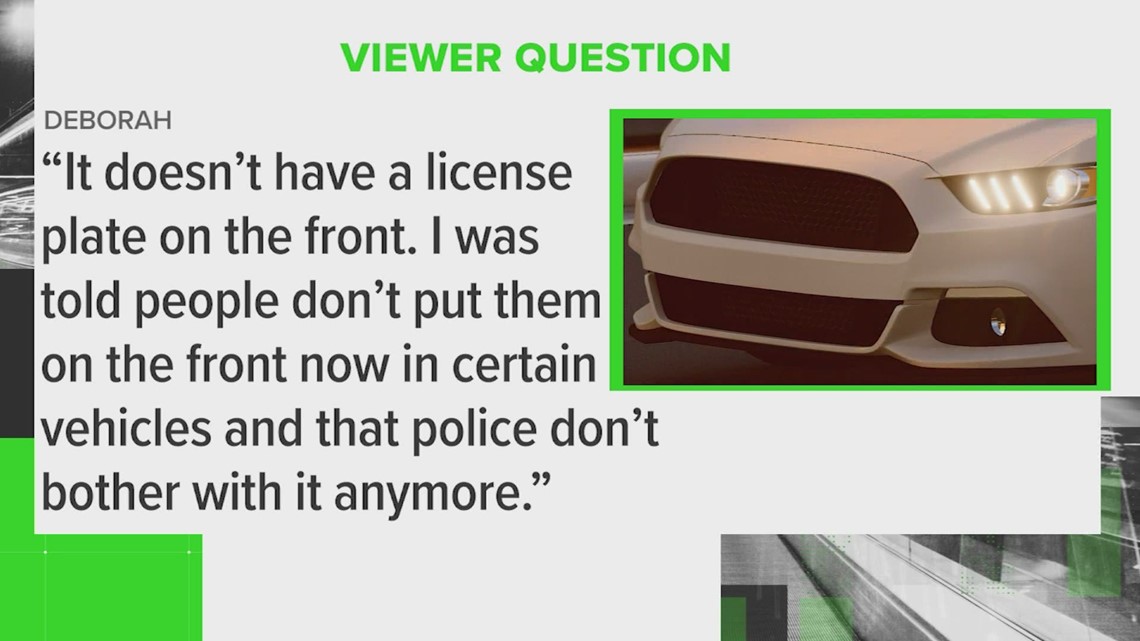
Before embarking on a long journey, it’s always a good practice to conduct a thorough check of your vehicle. This includes ensuring your license plates are in good condition, not faded or damaged, and are properly mounted. If your vehicle is newer and does not have a factory-designed mounting point for a front plate, you may need to purchase an aftermarket bracket. These are readily available at auto parts stores and online retailers.
For those renting vehicles, it is important to confirm that the rental company has equipped the car with both a front and rear license plate as per Texas law. Most reputable rental agencies will adhere to these requirements, but it is worth a quick visual check before you drive off the lot, especially if you are new to the state.
Enjoying the Texas Landscape Responsibly
Texas offers an incredibly diverse range of landscapes and attractions, from the historic missions of San Antonio to the vibrant arts scene in Dallas. Understanding and adhering to local traffic laws, such as the front license plate requirement, is a small but important part of enjoying these experiences without disruption. It demonstrates respect for the state’s regulations and contributes to a safer environment for everyone on the road.
Whether you’re planning a visit to the Alamo, a stay at a luxury resort in Houston, or a leisurely drive along the coast, the simplicity of displaying your front license plate ensures you can focus on the adventures that await. This attention to detail allows for a more carefree and enjoyable exploration of everything Texas has to offer.
The Broader Implications for Travelers
The requirement for front license plates in Texas is more than just a bureaucratic detail; it touches upon the broader experience of travel and the need for preparedness. For visitors, especially those coming from states that do not require front plates, this can be a point of confusion. A proactive approach to understanding these requirements can prevent unexpected issues.
Understanding State-Specific Regulations
Each state in the U.S. has its own set of traffic laws and vehicle registration requirements. What is permissible in one state may not be in another. For travelers who frequently cross state lines, staying informed about these differences is essential. Websites for state departments of transportation or motor vehicle agencies are excellent resources for this information.
For example, if you are driving from a state like Florida, which does not require front license plates, to Texas, you will need to ensure your vehicle is equipped with one before entering the state or immediately upon arrival. This consideration is particularly important for long-term visitors or those who have recently relocated to Texas.
Vehicle Aesthetics vs. Legal Compliance
The debate about front license plates often pits concerns about vehicle aesthetics against legal compliance and law enforcement needs. While many drivers appreciate a clean, unobstructed front fascia on their vehicles, the practical benefits of front plates for identification and safety are paramount in states like Texas. Understanding this balance can help drivers appreciate the rationale behind the law.
Even for car enthusiasts who prioritize the visual appeal of their vehicles, finding solutions like license plate brackets that can be easily installed and removed, or custom-designed brackets that integrate seamlessly with the vehicle’s design, can help meet both aesthetic and legal requirements.
Resources for Travelers
When planning a trip to Texas, consulting official state resources can provide clarity on all traffic regulations. The Texas Department of Public Safety (DPS) website, for instance, offers a wealth of information for drivers. Additionally, many travel guides and automotive websites provide overviews of state-specific driving laws.
For travelers exploring Texas’s diverse attractions, from the natural beauty of Big Bend National Park to the cultural hubs like Fort Worth, being informed about such regulations contributes to a smoother and more enjoyable experience. It allows you to focus on the journey and the destination, rather than worrying about potential citations.

Conclusion: A Simple Step for Seamless Travel
The question of whether Texas requires front license plates has a straightforward answer: yes, for most vehicles. This regulation, rooted in law enforcement and public safety, is a fundamental aspect of vehicle operation in the state. For residents and visitors alike, understanding and complying with this requirement is a simple yet crucial step in ensuring a trouble-free experience on Texas roads.
By taking a moment to ensure your vehicle is properly equipped with both front and rear license plates, you contribute to the safety and order of the roadways. This proactive approach allows you to fully immerse yourself in the rich culture, breathtaking landscapes, and unique experiences that Texas has to offer, from the bustling city life of Houston to the serene beauty of the Gulf Coast. The Lone Star State welcomes you, and a little preparation goes a long way in making your visit memorable for all the right reasons.
LifeOutOfTheBox is a participant in the Amazon Services LLC Associates Program, an affiliate advertising program designed to provide a means for sites to earn advertising fees by advertising and linking to Amazon.com. Amazon, the Amazon logo, AmazonSupply, and the AmazonSupply logo are trademarks of Amazon.com, Inc. or its affiliates. As an Amazon Associate we earn affiliate commissions from qualifying purchases.