
Traveling between two of the United States’ most historically rich and economically vibrant cities, New York and Boston, is a common journey for business professionals, tourists, and residents alike. While various transportation methods exist, flying remains a popular choice for its speed, especially when time is of the essence. Understanding the actual flight duration, alongside other travel considerations, is crucial for planning an efficient and comfortable trip. This guide delves into the specifics of air travel between New York City and Boston, helping travelers set realistic expectations for their journey.
The Short-Haul Reality: Understanding Flight Durations
The flight from New York to Boston is one of the shortest commercial routes in the United States. Despite the relatively short distance, several factors influence the exact flight time, making it important to look beyond just the advertised duration.
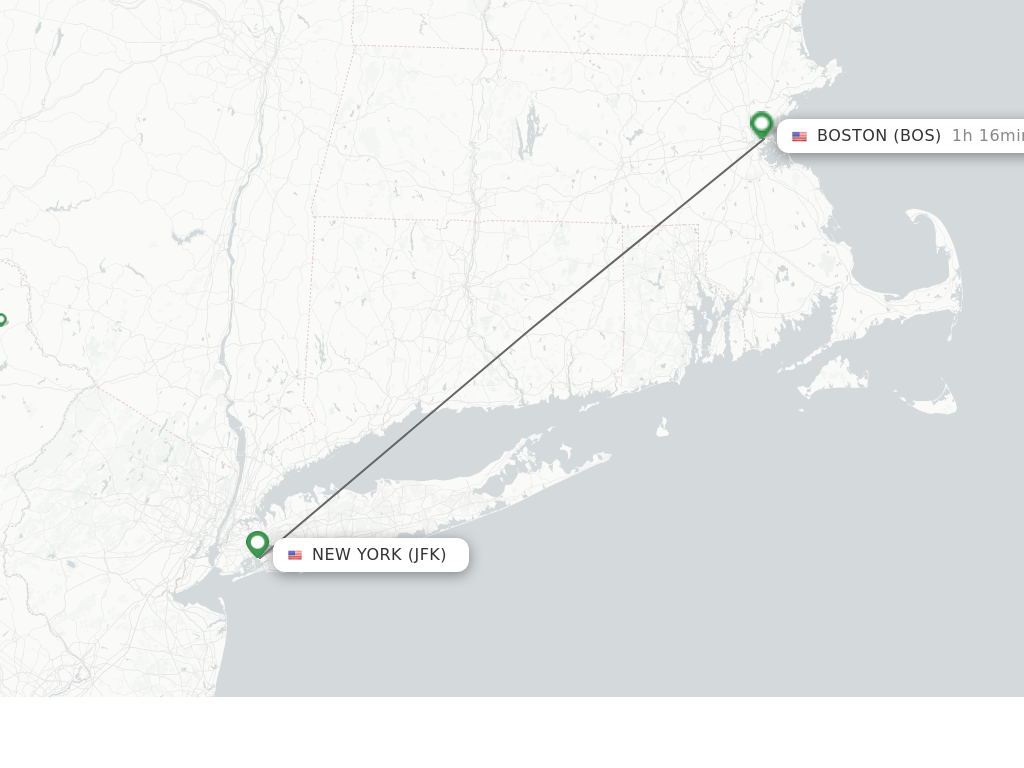
Direct Flight Times
For a direct, non-stop flight from a New York City area airport to Boston Logan International Airport, the scheduled flight time typically ranges from 1 hour to 1 hour and 15 minutes. This accounts for the actual time spent airborne from takeoff to landing. It’s a remarkably swift journey, often feeling quicker than navigating city traffic to and from the airport.
It’s important to note that while the plane is moving, the flight time can be perceived differently. The actual “block time” (from pushback at the gate to arrival at the destination gate) may be slightly longer, often listed as 1 hour and 30 minutes, to account for taxiing at both ends.
Factors Influencing Flight Length
While the scheduled time provides a good baseline, several variables can subtly alter the actual flight duration:
- Air Traffic Control (ATC) Delays: Both New York and Boston are major air hubs. Congestion in the airspace around these busy airports, particularly during peak travel times, can lead to holding patterns or delayed takeoffs, extending the overall journey.
- Weather Conditions: Adverse weather, such as strong head- or tailwinds, thunderstorms, or snow, can significantly impact flight speed and trajectory. Headwinds can increase flight time, while tailwinds can shorten it. Severe weather might also lead to diversions or ground holds.
- Aircraft Type: While less common for such a short route, the specific type of aircraft (e.g., regional jet vs. larger mainline jet) can have minor differences in cruising speed, though these are usually accounted for in scheduling.
- Taxiing Time: The time spent taxiing on the runway before takeoff and after landing can vary greatly depending on the airport’s size and current traffic. Large airports like JFK Airport or Newark Liberty International Airport often have longer taxiing distances than Boston Logan.
- Route Optimizations: Air Traffic Control continually optimizes flight paths. Minor adjustments to the route to avoid turbulence or congested airspace can slightly alter the total flight time.
Despite these variables, the short distance ensures that even with minor delays, the flight remains brief, making it an attractive option for many.
Major Airports Serving the Route
The choice of departure and arrival airports significantly impacts the overall travel experience, including convenience and ground transportation time. Both New York City and Boston are well-equipped with major international airports.
New York City Departure Hubs
Travelers departing from the New York City metropolitan area have three primary options:
- LaGuardia Airport (LGA): Located in Queens, New York, LGA is often the preferred choice for domestic flights due to its proximity to Manhattan and ongoing modernizations. It frequently handles the highest volume of flights to Boston.
- John F. Kennedy International Airport (JFK): Also in Queens, JFK is a major international gateway. While it offers flights to Boston, it can be further from Manhattan and typically busier with international traffic, potentially leading to longer check-in and security lines.
- Newark Liberty International Airport (EWR): Situated in Newark, New Jersey, EWR serves the greater New York City area. It’s a convenient option for those residing in New Jersey or parts of Manhattan with good access to New Jersey Transit or the AirTrain Newark.
The choice among these airports often boils down to which is most convenient for a traveler’s starting point and which offers the best flight times and fares with preferred airlines.
Boston Arrival Hub
All commercial flights from New York land at Logan International Airport (BOS). BOS is conveniently located just across Boston Harbor from downtown Boston, making ground transportation relatively quick and straightforward. Options include the MBTA Silver Line, water taxis, shared-ride services, and traditional taxis, typically reaching downtown in 15-30 minutes depending on traffic.
Beyond the Air: Total Travel Time Considerations
While the flight itself is quick, the total time commitment for air travel between New York and Boston is significantly longer due to pre- and post-flight procedures.
Airport Commute and Security
The journey begins long before takeoff. Travelers must account for:

- Commute to the Airport: Depending on traffic and public transport availability, getting to JFK or EWR from Manhattan can take 60-90 minutes, while LGA might be 45-75 minutes. Add another 15-30 minutes if coming from other boroughs.
- Check-in and Bag Drop: If checking luggage, this adds time. Even with online check-in, dropping a bag can take 15-30 minutes.
- Security Screening: This is perhaps the most unpredictable part. While services like TSA PreCheck and CLEAR can expedite the process, standard security lines can range from 20 minutes to over an hour, especially during peak travel times. Arriving at the airport 90 minutes to 2 hours before a domestic flight is generally recommended.
- Boarding: Airlines typically begin boarding 30-45 minutes before departure.
Combining these elements, a traveler could easily spend 2.5 to 3.5 hours before the plane even takes off from New York.
Post-Arrival Logistics
Upon landing in Boston, the travel continues:
- Deplaning and Taxiing to Gate: 10-20 minutes.
- Baggage Claim: If checking a bag, waiting for luggage can add another 20-40 minutes.
- Ground Transportation: Getting from BOS to your final destination in Boston can take 15-45 minutes, factoring in traffic and the specific mode of transport.
Therefore, the total door-to-door travel time for a New York to Boston flight, when all these factors are considered, can easily stretch to 4.5 to 6 hours. While the flight component is indeed short, it’s crucial to evaluate the entire journey when deciding on the best mode of transport.
Choosing Your Airline and Class
Several major airlines operate the New York to Boston route, offering various levels of service and pricing.
Popular Carriers on the Route
- Delta Air Lines: Often operates from LGA and JFK. Known for its extensive network and varying fare classes.
- American Airlines: Also a major player at LGA and JFK, providing frequent services.
- JetBlue: Has a significant presence at JFK and LGA, often preferred for its in-flight entertainment and complimentary snacks on shorter routes.
- United Airlines: Primarily operates out of Newark Liberty International Airport, offering a strong option for travelers closer to New Jersey.
- Regional Carriers: Smaller airlines or regional affiliates of the major carriers sometimes operate these routes, often with slightly smaller aircraft.
Comparing fares across these airlines is recommended, as prices can fluctuate significantly based on demand, booking time, and day of the week.
Maximizing Comfort on a Short Flight
Even on a flight lasting just over an hour, comfort can be enhanced:
- Seat Selection: If possible, choose a window seat for views or an aisle seat for easy access. For a short flight, a middle seat is less bothersome but still not ideal.
- Loyalty Programs: Frequent flyers with status might enjoy perks like priority boarding, extra legroom, or lounge access, making the airport experience more pleasant.
- In-flight Amenities: While there’s not much time for full meals, JetBlue is known for its complimentary snacks and seat-back entertainment, which can make the brief journey feel more enjoyable. Other airlines may offer limited beverage service.
- Personal Entertainment: A good book, podcast, or downloaded movie can make the short flight fly by even faster. Don’t rely on Wi-Fi for such a brief duration, as it may not be stable or available.
Alternative Travel Methods and Comparisons
While this article focuses on flights, it’s worth briefly comparing air travel to other popular methods for the New York to Boston route, as the total travel time parity makes them strong contenders.
High-Speed Rail: Acela Express
Amtrak’s Acela Express offers a compelling alternative. Travel time from New York Penn Station to Boston South Station ranges from 3.5 to 4 hours. Advantages include:
- City-center to city-center travel, avoiding airport commutes.
- No strict security lines (though ID checks occur).
- More spacious seating and the ability to work or move around freely.
- Less susceptible to weather delays than flights.
- Often comparable total door-to-door time to flying.
Bus Services
Numerous bus companies, such as Greyhound, Peter Pan Bus Lines, and FlixBus, operate between New York and Boston.
- Travel time: Typically 4.5 to 5.5 hours, depending on traffic.
- Cost-effective: Usually the cheapest option.
- Convenient pick-up/drop-off points, often in city centers.
- Subject to significant traffic delays, especially during peak hours.
Driving Your Own Route
Driving offers flexibility but comes with its own set of challenges.
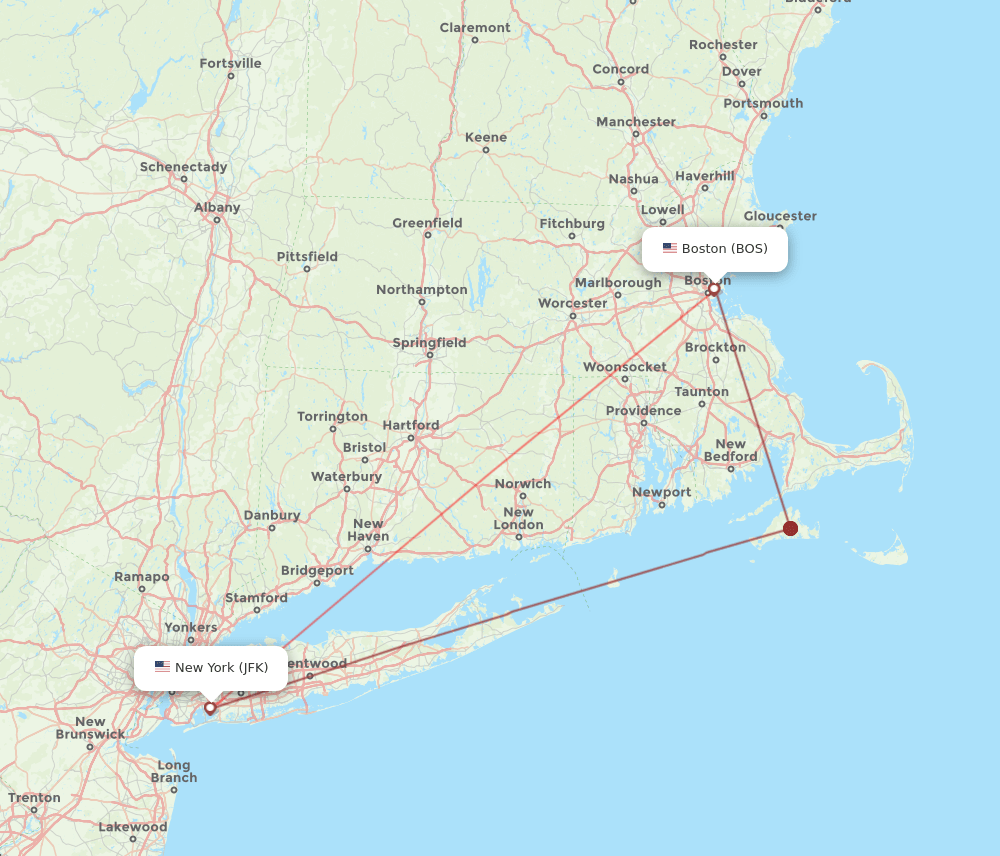
- Distance: Approximately 215 miles (346 km).
- Travel time: 3.5 to 4.5 hours without significant traffic or stops.
- Considerations: Tolls, parking costs in both cities, and the potential for severe traffic congestion, particularly on I-95 and around urban areas.
In conclusion, while the airborne segment of a flight from New York to Boston is remarkably short, typically just over an hour, the overall travel time extends significantly when accounting for airport logistics. For many, the speed and convenience of flying remain paramount, especially for business travelers. However, assessing the total door-to-door journey time, alongside cost and personal preferences, is essential when selecting the optimal travel method between these two iconic Northeastern cities.
LifeOutOfTheBox is a participant in the Amazon Services LLC Associates Program, an affiliate advertising program designed to provide a means for sites to earn advertising fees by advertising and linking to Amazon.com. Amazon, the Amazon logo, AmazonSupply, and the AmazonSupply logo are trademarks of Amazon.com, Inc. or its affiliates. As an Amazon Associate we earn affiliate commissions from qualifying purchases.