
The question “How Big Is Texas A&M?” is deceptively simple, as the answer extends far beyond mere acreage or student enrollment figures. To truly grasp the scale of Texas A&M University, one must consider its vast physical footprint, its sprawling academic and research endeavors, its significant economic impact, and the sheer immensity of its community and legacy. Situated in College Station, Texas, this institution is not just a university; it’s a veritable city within a city, a powerhouse of innovation, and a cornerstone of the state’s identity.
A Physical Landscape: Campus and Beyond
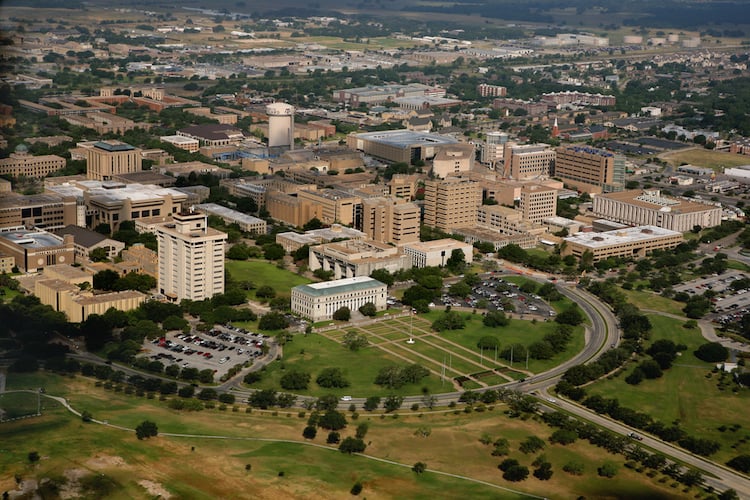
The most immediate interpretation of “how big” pertains to the physical size of the university. Texas A&M University’s main campus in College Station is an expansive territory, meticulously planned and continuously evolving. Encompassing over 5,200 acres, it is one of the largest contiguous university campuses in the United States. This vastness is not just open space; it houses an incredible array of facilities that cater to every facet of academic life and student experience.
Academic and Research Hubs
The heart of the campus beats within its numerous academic buildings, laboratories, and research centers. From the iconic Academic Building to cutting-edge facilities like the Texas A&M Engineering Experiment Station and the George H.W. Bush Presidential Library and Museum, the physical infrastructure is designed to support a world-class education and groundbreaking research. The sheer density of specialized buildings—colleges dedicated to engineering, agriculture, veterinary medicine, liberal arts, business, and more—speaks to the breadth of disciplines offered. These structures are not merely edifices but are teeming with activity, housing thousands of students, faculty, and staff engaged in learning and discovery. The campus also includes several off-site research facilities and extension centers across the state, further extending its physical reach and research impact.
Student Life and Recreation
Beyond the academic core, the campus sprawls to accommodate the vibrant student life. Housing facilities can accommodate tens of thousands of students, ranging from traditional dormitories to apartment-style living. Recreational opportunities are equally vast, with numerous athletic fields, the Reed Arena for major sporting events and concerts, extensive park areas, and the Student Recreation Center, a multi-faceted complex for fitness and leisure. The MSC (Memorial Student Center), often referred to as the “living room” of the campus, is a monumental hub for student organizations, dining, shopping, and entertainment, further contributing to the sense of a self-contained community.
Green Spaces and Natural Resources
Adding to the sheer scale are the university’s considerable green spaces and natural resources. Texas A&M University manages extensive agricultural lands, forests, and research plots integral to its programs in veterinary medicine and agriculture. These areas serve not only educational and research purposes but also offer a natural respite within the urbanizing landscape of College Station. The presence of these natural assets contributes to the overall expansive feel of the university’s footprint.
The Human Element: A Thriving Community
The “bigness” of Texas A&M University is perhaps most profoundly felt in its human dimension – the sheer number of individuals who are part of its ecosystem. This is not merely a statistic; it represents a dynamic and interconnected community with a deeply ingrained culture and tradition.
Student Body and Alumni Network

With an undergraduate enrollment consistently exceeding 50,000 students, and a total student population (including graduate students) approaching 70,000, Texas A&M University is one of the largest universities in the nation. This massive student body forms a vibrant and diverse demographic, bringing a wealth of perspectives and talents to the campus. The impact of these students extends far beyond their years on campus, as they join one of the most extensive and engaged alumni networks in the world. The Association of Former Students boasts over 500,000 members, a testament to the enduring bonds formed during their time at A&M. This colossal network is a powerful force in the professional and civic spheres, both within Texas and globally.
Faculty, Staff, and Researchers
Supporting this vast student population is an equally substantial and highly qualified faculty and staff. Over 12,000 faculty members and over 26,000 staff employees contribute their expertise, dedication, and passion to the university’s mission. This human capital is the engine of innovation, teaching, and operational excellence. The university employs leading researchers and scholars across a wide spectrum of fields, driving advancements in areas such as aerospace engineering, biomedical sciences, energy development, and public policy.
The Aggie Spirit: A Unifying Force
The “bigness” of the Texas A&M University community is amplified by the powerful and unifying “Aggie Spirit.” This unique culture is characterized by a strong sense of tradition, loyalty, and a commitment to service. It manifests in countless ways, from the iconic “Midnight Yell” tradition before football games to the widespread participation in community service projects. This shared identity creates a profound sense of belonging among students, alumni, and friends, making the community feel even larger and more interconnected.
Academic and Economic Stature: A Colossus of Knowledge and Influence
The true scale of Texas A&M University is also measured by its profound academic and economic impact, positioning it as a national and international leader.
Research Powerhouse
As a top-tier research institution, Texas A&M University consistently ranks among the leading universities in research expenditures. With annual research funding often exceeding $900 million, the university is a hub for scientific discovery and technological advancement. Its comprehensive portfolio of research spans numerous disciplines, contributing to solutions for global challenges and driving economic growth. The presence of 13 research institutes and centers, including the renowned Texas A&M Transportation Institute, further underscores its commitment to impactful research.
Economic Engine for Texas
Texas A&M University is a significant economic driver for the state of Texas and the Brazos Valley region. The university’s annual economic impact is estimated to be in the billions of dollars, generated through employment, student spending, research contracts, and the establishment of spin-off companies. Its graduates fill critical roles in industries across the state, from engineering and healthcare to agriculture and education, fueling the Texas economy. The presence of the university has also spurred development in College Station and the surrounding areas, creating a dynamic economic ecosystem.

Global Reach and Partnerships
While firmly rooted in Texas, Texas A&M University’s influence extends globally. Through international partnerships, study abroad programs, and collaborations with research institutions worldwide, the university fosters a global perspective among its students and faculty. Its programs in international affairs, public health, and engineering often address global issues, and its graduates contribute to international development and cooperation. This global engagement adds another dimension to the “bigness” of Texas A&M, demonstrating its influence and reach far beyond its geographical boundaries.
In conclusion, the question of “How Big Is Texas A&M University?” prompts a multifaceted answer. It is a matter of vast physical acreage, an immense and diverse community of students, faculty, and alumni, and a profound academic and economic impact that resonates across Texas and the world. It is a testament to growth, ambition, and the enduring power of a leading educational institution.
LifeOutOfTheBox is a participant in the Amazon Services LLC Associates Program, an affiliate advertising program designed to provide a means for sites to earn advertising fees by advertising and linking to Amazon.com. Amazon, the Amazon logo, AmazonSupply, and the AmazonSupply logo are trademarks of Amazon.com, Inc. or its affiliates. As an Amazon Associate we earn affiliate commissions from qualifying purchases.