
Navigating the process of obtaining a driver’s license in Florida is a rite of passage for many, whether you’re a new resident or a young driver embarking on your independent journey. The Sunshine State boasts a comprehensive system administered by the Florida Department of Highway Safety and Motor Vehicles (FLHSMV), designed to ensure all drivers are competent and informed. This guide will demystify the steps involved, covering everything from initial documentation to passing your driving tests.
Understanding the Florida Driver’s License System
The FLHSMV oversees all driver licensing functions in Florida. Their primary goal is to promote road safety through rigorous licensing standards. Understanding the different types of licenses available and the specific requirements for each is the first crucial step.
Types of Driver’s Licenses
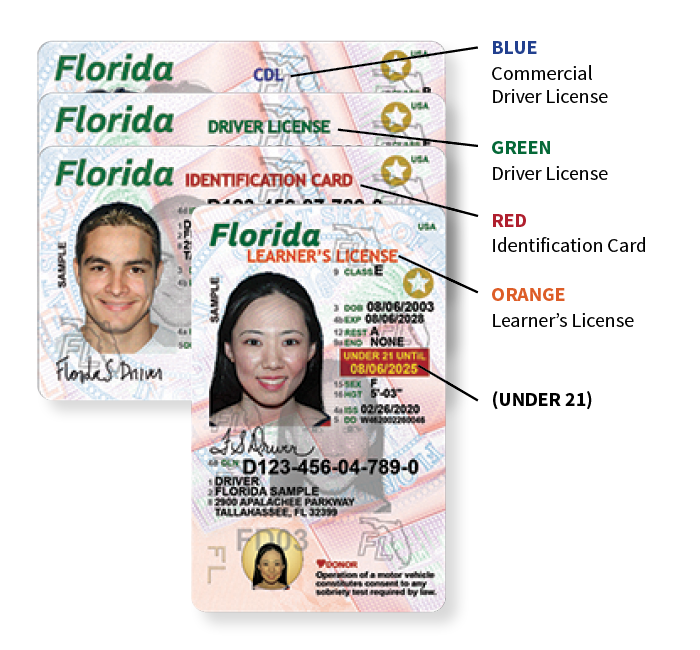
Florida offers several categories of driver’s licenses, each tailored to specific needs:
- Class E Driver License: This is the standard license for operating most non-commercial vehicles, including passenger cars, motorcycles (with endorsement), and recreational vehicles. It’s the most common license issued to adults and young drivers.
- Commercial Driver’s License (CDL): For individuals who intend to drive commercial motor vehicles, such as large trucks or buses, a CDL is required. This involves a more extensive testing process and specific endorsements for different types of commercial vehicles.
- Learner’s License (Learner’s Permit): This is the initial stage for young drivers (under 18) and for individuals who have never held a driver’s license before. It allows supervised driving practice.
- Motorcycle Endorsement: If you wish to operate a motorcycle, you will need to obtain a motorcycle endorsement in addition to your Class E license.
For the purpose of this guide, we will focus primarily on obtaining a Class E driver’s license, as it is the most widely applicable.
Eligibility Requirements
Before you can even apply, ensure you meet the fundamental eligibility criteria. These generally include:
- Proof of Identity and Social Security: You’ll need to provide documentation to verify your identity and your Social Security number.
- Proof of Residential Address: You must demonstrate that you are a resident of Florida.
- Proof of Legal Presence: If you are not a U.S. citizen, you will need to provide documentation proving your legal status in the United States.
- Vision Test: All applicants must pass a vision screening.
The Graduated Driver Licensing (GDL) Program for Young Drivers
Florida employs a Graduated Driver Licensing (GDL) program for drivers under the age of 18. This program introduces driving privileges in stages, gradually increasing responsibility as the young driver gains experience.
Stage 1: Learner’s License (Learner’s Permit)
To obtain a Learner’s License, individuals under 18 must meet the following requirements:
- Age: Be at least 15 years old.
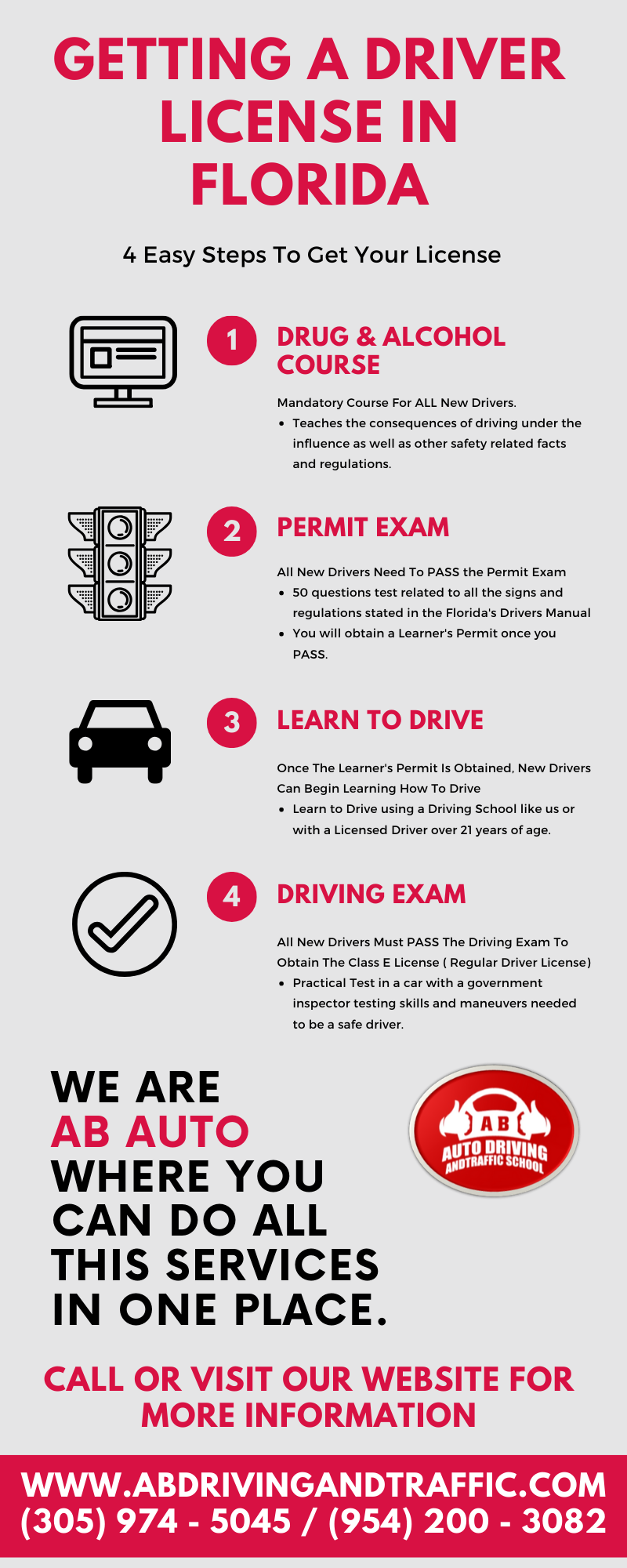
- Classroom Driver Education: Complete a Traffic Law and Substance Abuse Education (TLSAE) course. This course covers topics such as traffic laws, safe driving practices, and the dangers of driving under the influence. Many reputable providers offer this course online, making it convenient to complete at your own pace.
- Pass the Learner’s License Test: This computer-based exam tests your knowledge of traffic laws, road signs, and safe driving practices. It’s essential to study the Florida Driver Handbook thoroughly to prepare for this test.
- Vision and Hearing Test: You will need to pass a vision screening and, in some cases, a hearing test at the driver license service center.
- Parental/Guardian Consent: A parent or legal guardian must sign the application for a Learner’s License, signifying their consent and acceptance of responsibility.
Restrictions with a Learner’s License:
Once you have your Learner’s License, you are permitted to drive, but with specific restrictions:
- Supervision: You must be accompanied and supervised by a licensed driver who is at least 21 years old and holds a valid Class E license. This supervising driver must occupy the front passenger seat.
- Daytime Driving: For the first three months, driving is restricted to daylight hours.
- Nighttime Driving: After three months, you can drive until 10 p.m.
- Curfew: Driving is prohibited between 11 p.m. and 6 a.m. unless accompanied by a licensed driver 21 years or older.
- Cell Phone Use: Cell phone use, even hands-free, is prohibited unless it’s an emergency.
Stage 2: Restricted Driver License
After holding a Learner’s License for 12 months or reaching the age of 18 (whichever comes first), and if you are under 18, you can apply for a Restricted Driver License. The requirements include:
- Age: Be at least 16 years old.
- Hold Learner’s License for 12 Months: You must have held your Learner’s License for at least 12 months.
- Complete Behind-the-Wheel Training: If you are under 18, you must complete at least 50 hours of supervised driving practice, including 10 hours of night driving. This must be certified by the adult who supervised your driving.
- Pass the Driving Skills Test: This is the practical road test where an examiner assesses your ability to safely operate a vehicle and follow traffic laws. You will need to demonstrate proficiency in skills such as starting, stopping, turning, changing lanes, parking, and obeying traffic signals and signs.
- Vision and Hearing Test: You will again need to pass a vision screening.
Restrictions with a Restricted Driver License:
This license still has some limitations:
- Passenger Restrictions: For the first year, you cannot drive with more than one passenger under the age of 21 in the vehicle, unless a licensed parent or guardian is present.
- Nighttime Driving: You are prohibited from driving between 11 p.m. and 6 a.m., unless accompanied by a licensed driver 21 years or older or traveling to or from work or a school event.
Stage 3: Unrestricted Driver License
At 18 years old, if you have successfully completed the previous stages or if you are applying as an adult who has never held a license, you can obtain an unrestricted Class E driver’s license.
Obtaining a Driver’s License as an Adult (18 Years and Older)
For individuals 18 years and older, the process is more streamlined, but still requires careful adherence to regulations.
Initial Steps and Documentation
The first step for any adult applicant is to gather the necessary documentation. This typically includes:
- Proof of Identity: A U.S. passport, original birth certificate, or other acceptable documents.
- Proof of Social Security: Your Social Security card or other official documentation showing your Social Security number.
- Proof of Residential Address: Utility bills, bank statements, or lease agreements showing your Florida address.
- Proof of Legal Presence: For non-U.S. citizens, this will involve specific immigration documents.
You can find a comprehensive list of acceptable documents on the FLHSMV website. It is highly recommended to review this list prior to your visit to a driver license service center to avoid any delays.
The TLSAE Course
Even for adults, completing the Traffic Law and Substance Abuse Education (TLSAE) course is mandatory before you can take the written knowledge exam. This course is designed to refresh your understanding of traffic laws and reinforce safe driving habits.
The Written Knowledge Exam
This exam tests your understanding of Florida traffic laws, road signs, and safe driving principles. The Florida Driver Handbook is your primary resource for studying. The exam is typically administered on a computer at a driver license service center. You must achieve a passing score to proceed.
The Vision and Hearing Test
As with younger applicants, you will undergo a vision screening to ensure your eyesight meets the minimum requirements for driving. You may also be required to take a hearing test. If you wear glasses or contact lenses, you will need to have them during the test, and a restriction will be placed on your license indicating you must wear corrective lenses while driving.
The Driving Skills Test (Road Test)
This is the practical component where you demonstrate your ability to drive safely and competently. You will need to provide a vehicle that is properly registered, insured, and in good working order for the test. A licensed driver must accompany you to the testing site.
The examiner will assess your skills in areas such as:
- Vehicle Control: Starting, stopping, accelerating, and decelerating smoothly.
- Steering and Lane Changes: Maintaining proper lane position and executing safe lane changes.
- Traffic Navigation: Following traffic signals, signs, and pavement markings.
- Observation and Awareness: Checking mirrors, blind spots, and scanning the environment.
- Parking: Performing maneuvers like parallel parking and three-point turns.
- Following Distance: Maintaining a safe distance from other vehicles.
It is advisable to practice these skills extensively before your road test. Consider taking a few lessons with a certified driving instructor if you feel you need additional preparation.
Visiting a Driver License Service Center
Once you have completed the necessary courses and gathered your documentation, the next step is to visit an authorized Florida driver license service center. It is highly recommended to schedule an appointment in advance, as walk-in wait times can be substantial, especially in larger cities like Miami or Orlando.
At the service center, you will:
- Submit Your Documentation: Present all required identification and proof of residency.
- Complete the Application: Fill out the necessary driver’s license application forms.
- Pass the Vision and Hearing Test: As mentioned previously.
- Take the Written Knowledge Exam: If you haven’t already passed it online or at a testing facility.
- Take the Driving Skills Test: If you are applying for your first license or a higher class of license.
- Have Your Photograph Taken: Your driver’s license photo will be captured.
- Pay the Required Fees: There are fees associated with the application, testing, and issuance of the driver’s license. The exact amount can vary, so it’s best to check the FLHSMV website for current fee schedules.
Upon successful completion of all requirements, you will be issued a temporary driver’s license. Your permanent driver’s license will be mailed to your address within a few weeks.
Special Considerations for New Florida Residents
If you are moving to Florida from another state, you have a grace period to obtain a Florida driver’s license. Generally, you have 30 days after establishing residency to switch your existing out-of-state license to a Florida license. You will still need to provide proof of identity, residency, and Social Security number. In most cases, you will not need to retake the written or driving skills tests unless your out-of-state license has expired or is for a different class of vehicle. However, you will still need to pass a vision screening.

Tips for Success
- Study the Florida Driver Handbook: This is your most critical resource. Read it thoroughly and pay close attention to all traffic laws, signs, and safe driving practices.
- Practice, Practice, Practice: For the driving skills test, practice makes perfect. Drive in various conditions and practice all the maneuvers you might be asked to perform.
- Schedule Appointments: Save yourself time by booking appointments for your visits to the driver license service center.
- Double-Check Your Documents: Ensure you have all the required documentation before heading to the service center to avoid unnecessary trips.
- Stay Calm During the Road Test: Nerves are natural, but try to remain calm and focused. If you make a minor mistake, don’t let it rattle you; continue to drive safely.
Obtaining a driver’s license in Florida is a process that requires preparation and attention to detail. By understanding the requirements and following the outlined steps, you can successfully navigate the system and earn your privilege to drive on the roads of the Sunshine State.
LifeOutOfTheBox is a participant in the Amazon Services LLC Associates Program, an affiliate advertising program designed to provide a means for sites to earn advertising fees by advertising and linking to Amazon.com. Amazon, the Amazon logo, AmazonSupply, and the AmazonSupply logo are trademarks of Amazon.com, Inc. or its affiliates. As an Amazon Associate we earn affiliate commissions from qualifying purchases.