
Setting up a trust in Texas can be a powerful tool for managing your assets, protecting your loved ones, and ensuring your legacy is handled according to your wishes. Whether you’re looking to safeguard your family’s future, minimize estate taxes, or provide for beneficiaries with special needs, a trust offers a flexible and comprehensive solution. This guide will walk you through the essential steps and considerations for establishing a trust in the Lone Star State, ensuring you navigate the process with clarity and confidence.
Understanding the Basics of Trusts in Texas
Before diving into the setup process, it’s crucial to grasp what a trust is and its fundamental components. A trust is a legal arrangement where a grantor (the person creating the trust) transfers assets to a trustee, who then manages those assets for the benefit of one or more beneficiaries. This separation of ownership and control provides a layer of protection and control that might not be achievable through a simple will.

Key Players in a Texas Trust
- Grantor (or Settlor/Trustor): This is you, the individual who creates the trust and contributes assets to it. You dictate the terms and beneficiaries of the trust.
- Trustee: This is the person or entity responsible for managing the trust assets according to the trust document’s instructions. A trustee can be an individual (a family member, friend, or professional) or a corporate trustee, such as a bank or trust company. The grantor can also serve as the initial trustee, especially in revocable trusts.
- Beneficiary: These are the individuals or entities who will receive the benefits from the trust assets. You can name yourself as a beneficiary, as well as your spouse, children, or any other person or organization you wish to support.
Types of Trusts in Texas
Texas law recognizes various types of trusts, each serving different purposes. The most common distinction is between revocable and irrevocable trusts.
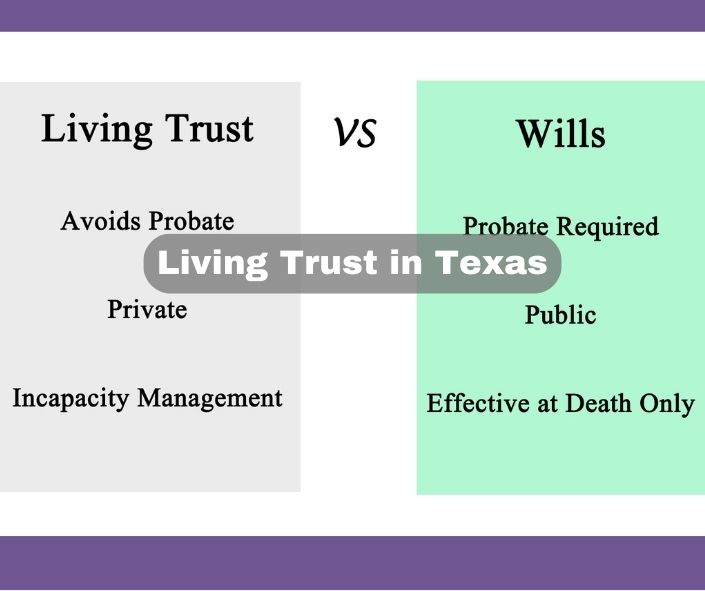
- Revocable Living Trust: This is perhaps the most popular type for estate planning. As the name suggests, the grantor can amend, revoke, or terminate the trust during their lifetime. It’s an excellent tool for avoiding probate, managing assets if you become incapacitated, and ensuring a smooth transition of wealth to your beneficiaries. Assets in a revocable trust are still considered part of your taxable estate.
- Irrevocable Trust: Once created and funded, an irrevocable trust generally cannot be amended, revoked, or terminated by the grantor without the consent of all beneficiaries. This type of trust can offer significant asset protection and potential estate tax benefits because the assets are no longer considered owned by the grantor. Examples include irrevocable life insurance trusts (ILITs) and charitable remainder trusts.
- Special Needs Trust (or Supplemental Needs Trust): This type of trust is designed to provide for a beneficiary with disabilities without jeopardizing their eligibility for government benefits like Supplemental Security Income (SSI) and Medicaid. Funds can be used for items and services that enhance the beneficiary’s quality of life, which are not covered by public assistance.
- Testamentary Trust: Unlike a living trust, a testamentary trust is created through your will and only comes into effect after your death and after the will has gone through probate. It can be used to manage assets for minor children or beneficiaries who are not yet ready to receive a large inheritance.
The Process of Setting Up a Trust in Texas
Establishing a trust in Texas involves several key steps. While the complexity can vary depending on the type of trust and the assets involved, a systematic approach will ensure all legal requirements are met.
Step 1: Define Your Goals and Identify Your Assets
The first and most critical step is to clearly articulate what you hope to achieve with the trust.
- Estate Planning Goals: Are you primarily concerned with avoiding probate, minimizing estate taxes, protecting assets from creditors, providing for minor children, or supporting a charity?
- Beneficiary Needs: Consider the age, financial maturity, and specific needs of your intended beneficiaries.
- Asset Inventory: Make a comprehensive list of all assets you intend to place in the trust. This can include real estate, bank accounts, investment portfolios, business interests, vehicles, and personal property. Understanding the nature and value of your assets is essential for determining the best type of trust and its provisions.
Step 2: Choose the Right Type of Trust
Based on your defined goals and asset inventory, you can select the most suitable type of trust.
- If probate avoidance and flexibility during your lifetime are paramount, a revocable living trust is often the preferred choice.
- If asset protection from creditors or estate tax reduction is a primary concern, an irrevocable trust might be more appropriate.
- If you have a beneficiary with disabilities, a special needs trust is essential.
- If you prefer to manage assets through your will and have them distributed after your death under specific conditions, a testamentary trust may be considered.
Step 3: Select Your Trustee
Choosing a trustee is a significant decision. The trustee must be trustworthy, responsible, and capable of managing assets diligently and impartially.
- Individual Trustee: A trusted family member or friend can serve as trustee. However, consider their financial acumen, availability, and potential for conflicts of interest. It’s wise to name successor trustees in case your primary choice is unable or unwilling to serve.
- Corporate Trustee: Banks and trust companies offer professional trust administration services. They have the expertise, resources, and fiduciary responsibility to manage complex assets, though they typically charge fees for their services.
- Co-Trustees: You can appoint multiple trustees to share responsibilities, which can be beneficial for oversight and balancing different perspectives.
Step 4: Draft the Trust Document
This is where legal expertise becomes indispensable. A trust document is a complex legal instrument that must be carefully drafted to reflect your wishes and comply with Texas law.
- Engage an Estate Planning Attorney: It is highly recommended to work with an experienced Texas estate planning attorney. They can advise you on the best trust structure, draft the trust agreement, and ensure it is legally sound and achieves your objectives. Attempting to draft a trust without legal counsel can lead to errors, unintended consequences, or even invalidation of the trust.
- Key Provisions: The trust document will detail:
- The grantor, trustee(s), and beneficiary(ies).
- The powers and duties of the trustee.
- How and when beneficiaries will receive distributions.
- Provisions for successor trustees.
- Instructions for managing, investing, and distributing trust assets.
- Contingency plans for various life events.
Step 5: Fund the Trust
A trust is not effective until it is funded – meaning assets are legally transferred into it.
- Retitling Assets: For assets like real estate, you will need to execute new deeds retitling the property from your individual name to the name of the trust. Bank accounts and investment accounts must be retitled with the financial institution.
- Beneficiary Designations: For assets like life insurance policies or retirement accounts, you will typically name the trust as the beneficiary.
- Documentation: Ensure all transfers are properly documented and recorded where necessary. This is a critical step; an unfunded trust offers no protection or benefits. If you have a revocable living trust, you can often retitle assets yourself or with minimal assistance, but complex assets may require more involved processes.
Step 6: Execute and Store the Trust Document
Once the trust document is drafted and reviewed, it must be signed and properly executed.
- Signatures: The grantor must sign the trust document, often in the presence of a notary public and witnesses, depending on the specific requirements for the type of trust and your attorney’s advice.
- Storage: Keep the original trust document in a safe and accessible place. It’s also advisable to provide copies to your trustee and your attorney. Ensure your successor trustee knows where to find the document when it’s needed.
Ongoing Management and Considerations
Establishing a trust is not a one-time event; it requires ongoing attention to ensure it remains effective and aligned with your evolving circumstances.
Reviewing and Amending Your Trust
For revocable trusts, life changes may necessitate amendments. Marriage, divorce, the birth or death of a beneficiary, or significant changes in your financial situation are all valid reasons to review and potentially amend your trust. Your attorney can guide you through the amendment process, which typically involves creating a “Trust Amendment” document. For irrevocable trusts, amendments are much more restricted and may require court intervention or the consent of all beneficiaries.
Trustee Responsibilities
The trustee’s role is fiduciary, meaning they must act in the best interest of the beneficiaries with utmost loyalty and care. This includes:
- Prudent Management: Investing and managing trust assets prudently, diversifying investments where appropriate.
- Accounting and Reporting: Keeping accurate records of all transactions and providing regular accountings to the beneficiaries.
- Distribution: Making distributions according to the terms of the trust document.
- Tax Filings: Filing any necessary tax returns for the trust.
If you’ve appointed a corporate trustee, they will handle these responsibilities professionally, but it’s still wise for the grantor to monitor their performance.

Trust Administration After Death
Upon the grantor’s death, the successor trustee takes over. They will be responsible for settling any final affairs, paying outstanding debts and taxes, and distributing the trust assets to the beneficiaries as outlined in the trust document. Having a well-drafted and funded trust can significantly simplify this process, avoiding the delays and public scrutiny associated with probate court.
For individuals considering estate planning or asset management in Texas, setting up a trust is a wise and proactive step. By understanding the fundamental concepts, following the proper procedures, and seeking expert legal advice, you can create a robust plan that safeguards your assets and provides for your loved ones for generations to come.
LifeOutOfTheBox is a participant in the Amazon Services LLC Associates Program, an affiliate advertising program designed to provide a means for sites to earn advertising fees by advertising and linking to Amazon.com. Amazon, the Amazon logo, AmazonSupply, and the AmazonSupply logo are trademarks of Amazon.com, Inc. or its affiliates. As an Amazon Associate we earn affiliate commissions from qualifying purchases.