
Florida, a state synonymous with sunshine, theme parks, and sprawling coastlines, is also a prime habitat for one of nature’s most ancient and awe-inspiring reptiles: the American alligator. The answer to whether alligators live in Florida is a resounding yes, and in fact, the state boasts the largest population of these formidable creatures in the United States. Their presence is not merely an incidental occurrence; they are an integral part of the state’s unique ecological tapestry, shaping landscapes and contributing to the biodiversity that draws millions to explore the Sunshine State each year.
The ubiquity of alligators in Florida is a testament to the state’s abundant wetlands, swamps, marshes, and lakes. These environments provide the ideal conditions for alligator survival and reproduction, offering ample food sources and suitable nesting grounds. From the vast expanses of the Everglades National Park to the more unassuming drainage ditches and golf course ponds scattered across the state, alligators have adapted remarkably to both wild and human-modified landscapes. Their ability to thrive in such diverse settings makes encounters, while not guaranteed, certainly a distinct possibility for anyone exploring Florida’s natural beauty. Understanding their habitat and behavior is key to appreciating their role and coexisting safely within their domain.
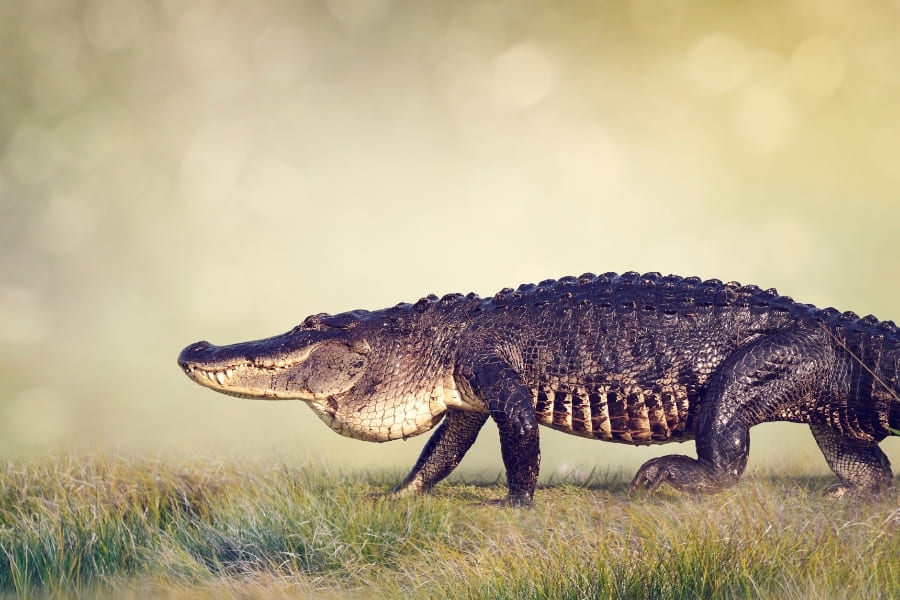
Alligator Habitats Across the Sunshine State
Florida’s geography is a critical factor in its status as a haven for alligators. The state’s southern regions, particularly the iconic Everglades, are a prime example of a sprawling, interconnected wetland ecosystem where alligators have flourished for millennia. This vast subtropical wilderness, characterized by sawgrass prairies, cypress swamps, and mangrove forests, provides an ideal environment with abundant water, prey, and nesting sites. The sheer scale of the Everglades allows for a robust alligator population that plays a vital role in maintaining the health of the ecosystem by preying on fish and controlling populations of smaller animals.
Beyond the renowned Everglades, alligators are found throughout Florida’s extensive network of freshwater habitats. This includes numerous lakes, rivers, canals, and marshes. For instance, the St. Johns River, one of the longest rivers in the state, supports a healthy alligator population. Many state parks and wildlife management areas, such as the Myakka River State Park and the Kissimmee Chain of Lakes, offer excellent opportunities to observe alligators in their natural environments. Even in more urbanized areas, it is not uncommon to find alligators in retention ponds, golf course water hazards, and drainage canals, demonstrating their remarkable adaptability to encroaching human development. This widespread distribution means that regardless of where one travels within Florida, the potential for encountering these magnificent reptiles exists, underscoring their deep integration into the state’s natural landscape.
The Everglades: A Prime Alligator Sanctuary
The Everglades National Park, a UNESCO World Heritage Site, is arguably the most significant stronghold for alligators in Florida. This unique “River of Grass” is a slow-moving river that flows across the southern tip of Florida, creating a complex mosaic of habitats. Alligators are found in virtually all of the park’s freshwater and brackish water environments, from the Sawgrass Plains to the mangrove estuaries. They are particularly prevalent in the Shark Valley area, where a loop road allows for close-up, yet safe, viewing opportunities from the comfort of a tram or personal vehicle. The sheer density of alligators here is astounding, offering visitors an unparalleled glimpse into their natural behavior, from basking on sunny banks to stealthily navigating the waterways. The park’s conservation efforts have been instrumental in ensuring the long-term survival and prosperity of its alligator population, making it a crucial destination for wildlife enthusiasts and nature photographers.
Freshwater Lakes and Rivers
Florida is dotted with thousands of freshwater lakes and interlaced with a vast network of rivers and streams, all of which serve as vital alligator habitats. The famous Kissimmee Chain of Lakes in Central Florida is a prime example, providing extensive shallow water areas and vegetation that alligators favor for hunting and nesting. Similarly, the state’s numerous rivers, such as the Suwannee River and the Apalachicola River, offer long stretches of suitable habitat, supporting breeding populations. These aquatic environments are rich in the fish, turtles, and small mammals that constitute the alligator’s diet. Many recreational areas along these waterways, including fishing spots and canoe trails, are also frequented by alligators, necessitating awareness and caution from visitors. The health of these freshwater systems directly correlates with the health of the alligator population, making conservation of these habitats a priority.
Coastal Marshes and Estuaries
While primarily freshwater inhabitants, American alligators also demonstrate an ability to tolerate brackish and even saltwater environments, particularly in coastal marshes and estuaries. This adaptability allows them to expand their range into areas where freshwater sources meet the ocean. The coastal regions of Florida’s Panhandle and the southwestern coast feature extensive salt marshes and mangrove systems where alligators can be found. These areas provide a different set of prey items, including crustaceans and marine fish. This flexibility in habitat use further contributes to their widespread presence across the state, allowing them to exploit diverse ecological niches. Observing alligators in these transitional zones offers a fascinating insight into their resilience and ability to adapt to varied environmental conditions.
Alligator Encounters and Safe Viewing
The prevalence of alligators in Florida naturally leads to opportunities for encounters, whether planned or incidental. For many visitors, a chance to see an alligator in the wild is a significant part of their Florida experience. However, it is crucial to approach these encounters with respect for the animal and a strong emphasis on safety. Alligators are wild animals, and their behavior can be unpredictable. Understanding where they are most likely to be found and how to observe them without disturbing them or putting yourself at risk is paramount for a positive and safe experience. Responsible tourism and wildlife viewing practices ensure that both humans and alligators can coexist harmoniously within Florida’s vibrant ecosystem.
Best Places for Observation

Observing alligators in their natural habitat can be a thrilling experience, and Florida offers numerous prime locations. The Everglades National Park is, of course, a top destination. Tram tours in Shark Valley provide excellent viewing opportunities with knowledgeable guides who can point out alligators and explain their behavior. Another excellent location is the Arthur R. Marshall Loxahatchee National Wildlife Refuge, which offers boardwalks and observation towers providing vantage points over alligator-rich wetlands. For those exploring Central Florida, the Kissimmee Chain of Lakes and the surrounding canals are known for frequent alligator sightings. Many smaller, local parks and wildlife management areas also harbor populations, often accessible via nature trails or canoe launches. Always consult local signage and park information for the best viewing spots and any specific guidelines.
Safety Guidelines for Alligator Viewing
When seeking out alligator sightings in Florida, safety must always be the top priority. The Florida Fish and Wildlife Conservation Commission (FWC) provides essential guidelines for interacting with these animals. Firstly, never feed alligators. Feeding them habituates them to humans, which can lead to aggressive behavior and often results in the alligator being relocated or euthanozed. Maintaining a safe distance is crucial; the FWC recommends at least 60 feet (18 meters) from any alligator. Avoid approaching them, especially if they are on land basking or near their nests. When driving, be aware of your surroundings; alligators are often seen crossing roads, particularly after dark or during mating season. If you encounter an alligator in an area where it poses a public safety risk, contact the FWC’s toll-free Wildlife Alert number. By respecting their space and understanding their natural behavior, you can enjoy observing Florida’s iconic reptiles safely.
Alligators as an Ecological Keystone Species
The presence of alligators in Florida is far more than just a notable feature for tourists; they are a keystone species, meaning their impact on the ecosystem is disproportionately large relative to their abundance. Their predatory activities and their role in shaping habitats have profound effects on the biodiversity and ecological health of Florida’s wetlands. Understanding their ecological significance deepens appreciation for their conservation and the importance of preserving the environments they inhabit. They are not simply ancient reptiles; they are engineers of their environment, crucial to the intricate web of life in the Sunshine State.
Shaping Wetland Ecosystems
Alligators play a critical role in shaping Florida’s wetland ecosystems through their activities. Their powerful jaws and predatory nature help to control populations of fish, amphibians, reptiles, and small mammals, thereby maintaining a balance within the food web. More significantly, during dry seasons, alligators dig “gator holes”—deep depressions in the mud—that retain water. These holes serve as vital refuges for fish and other aquatic life when surface water recedes, ensuring their survival and providing a concentrated food source for the alligator and other predators. This action is crucial for the survival of numerous species during periods of drought, making the alligator an indispensable component of wetland resilience.
Prey Species and Predator-Prey Dynamics
As apex predators in many of Florida’s freshwater environments, alligators exert significant influence over their prey species. Their diet is varied and includes a wide array of aquatic and semi-aquatic animals. Fish form a substantial portion of their diet, but they also consume turtles, snakes, birds, and small mammals that venture too close to the water’s edge. By preying on these animals, alligators help to regulate their populations, preventing any single species from becoming overly dominant and potentially disrupting the ecosystem. This dynamic ensures a healthier, more diverse community of plants and animals within their habitat. The presence of alligators, therefore, contributes to the overall stability and biodiversity of Florida’s natural landscapes.
Conservation and Coexistence
The remarkable comeback of the American alligator population in Florida is a story of successful conservation. Once hunted to near extinction, these ancient reptiles have rebounded thanks to dedicated conservation efforts and legal protections. Today, Florida manages its alligator population through regulated hunting seasons and scientific research, ensuring that they can continue to thrive. The challenge now lies in fostering harmonious coexistence between a growing human population and a thriving alligator population. Educating residents and visitors about alligator behavior and safety is key to minimizing conflicts and ensuring that this iconic species remains a vibrant part of Florida’s natural heritage for generations to come.
The Alligator’s Journey from Endangered to Abundant
In the early to mid-20th century, American alligators were severely depleted due to unregulated hunting for their hides and meat, as well as habitat destruction. This led to their classification as an endangered species. Recognizing the dire situation, conservationists and wildlife agencies in Florida and across the United States began implementing protective measures. The Endangered Species Act of 1973 was a pivotal moment, providing federal protection for alligators. In Florida, strict regulations were enacted, including bans on hunting and habitat protection initiatives. These efforts, coupled with the resilience of the alligator species itself, allowed populations to recover significantly. By 1987, the American alligator was removed from the U.S. endangered species list, becoming one of conservation’s greatest success stories. This recovery has allowed Florida to implement regulated management programs, including controlled hunts, to maintain a healthy population while mitigating potential conflicts.
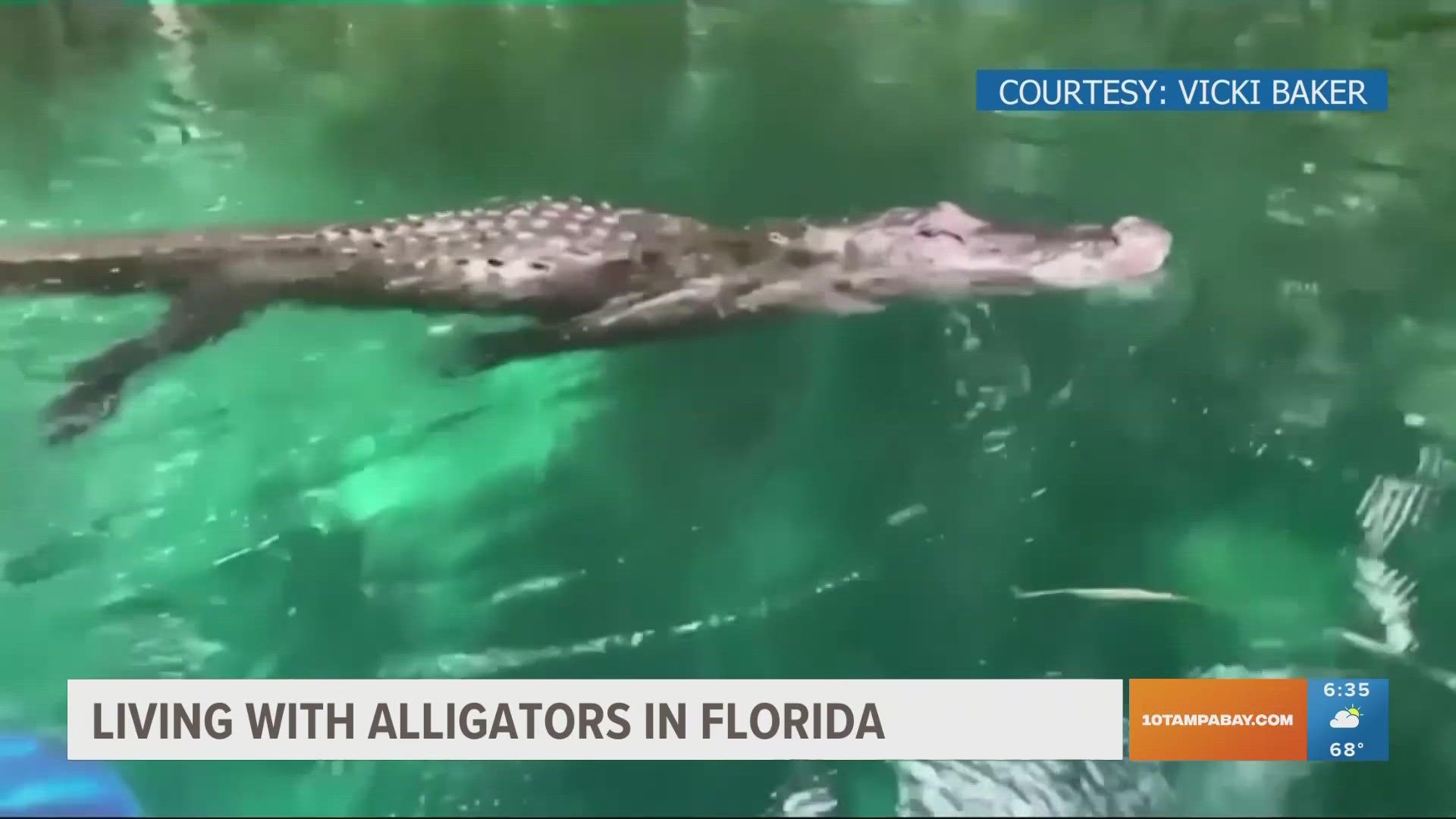
Living Safely Alongside Florida’s Reptiles
Coexisting with alligators requires awareness and adherence to safety guidelines. As mentioned, never feed them, keep a safe distance, and supervise children and pets near water bodies. If an alligator appears in an unusual or problematic location, such as a swimming pool or a busy street, do not attempt to handle it yourself. Contact the Florida Fish and Wildlife Conservation Commission (FWC) for assistance. They have trained professionals who can safely capture and relocate nuisance alligators. Educating oneself and others about their behavior – for example, that they are most active during warmer months and can be territorial – is crucial. By understanding and respecting these magnificent creatures, Floridians and visitors can ensure a safe and enriching experience with one of the state’s most iconic residents.
LifeOutOfTheBox is a participant in the Amazon Services LLC Associates Program, an affiliate advertising program designed to provide a means for sites to earn advertising fees by advertising and linking to Amazon.com. Amazon, the Amazon logo, AmazonSupply, and the AmazonSupply logo are trademarks of Amazon.com, Inc. or its affiliates. As an Amazon Associate we earn affiliate commissions from qualifying purchases.