
The question of how far Texas is from New York City is more than a simple geographical inquiry; it’s an invitation to explore the vastness of the United States, the diverse travel experiences that lie between these iconic points, and the logistical considerations for those embarking on such a journey. These two states, though both integral to the American narrative, represent vastly different landscapes, cultures, and distances, making the travel between them a significant undertaking. Whether one chooses to fly, drive, or explore by train, understanding the mileage and time involved is crucial for planning an unforgettable trip.
The Sheer Scale of the Journey
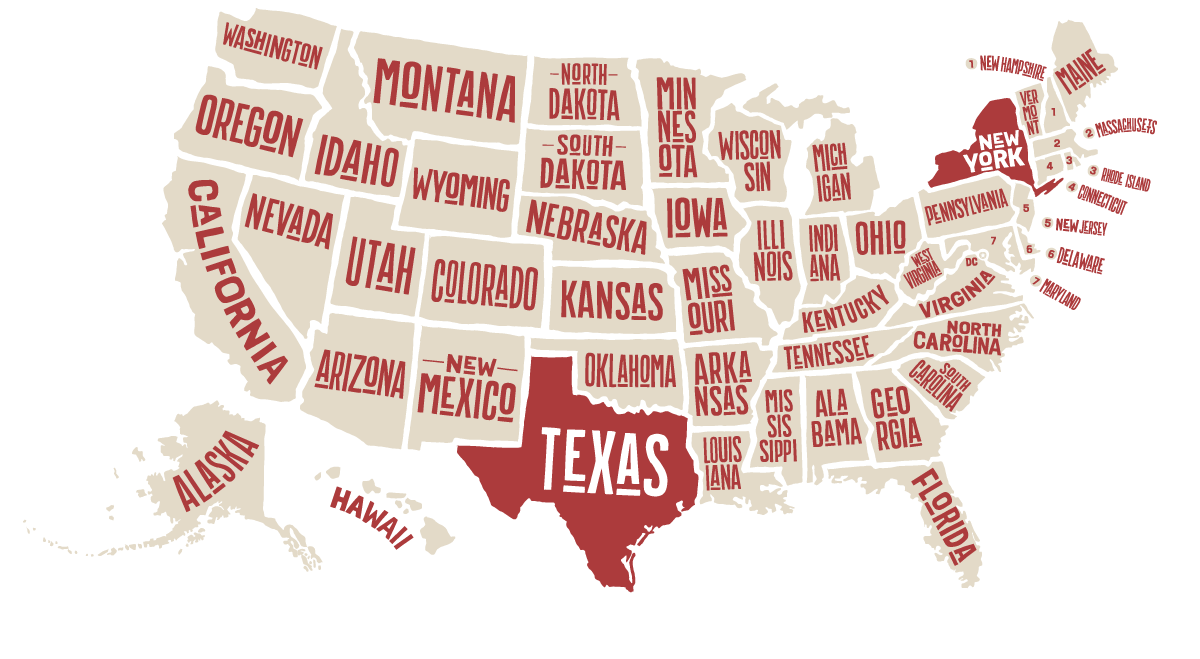
The geographical distance between Texas and New York City is substantial, reflecting the continental nature of the United States. The most direct routes, often taken by air, reveal a stark contrast in environments. From the sprawling plains and deserts of Texas to the urban intensity of New York City, the journey spans thousands of miles, crossing multiple time zones and diverse terrains.
Driving Distances and Estimated Travel Times
For those who prefer a road trip, the distances become even more apparent. Driving from, say, Houston, Texas, to New York City is a journey of approximately 1,600 miles, typically taking around 25-30 hours of pure driving time. This estimate, however, does not account for necessary stops for rest, meals, and sightseeing. A more realistic road trip itinerary would span at least three to five days, allowing for a more enjoyable and less strenuous experience.
Key Driving Routes:
- The Northern Route: Often utilizing highways like I-40 East and I-78 East, this path can take travelers through states like Oklahoma, Arkansas, Tennessee, and across the Appalachian Mountains. This route offers a glimpse into the American heartland and the beauty of the eastern seaboard.
- The Central Route: This might involve I-35 North through Oklahoma and Kansas, then connecting to Midwestern arteries like I-70 East, passing through states such as Missouri, Illinois, and Ohio, before reaching the Northeast. This offers a different perspective on the diverse landscapes of the central United States.
- The Southern Route: While less direct for reaching New York City, a southern-leaning route might incorporate I-10 East, potentially through Louisiana, Mississippi, Alabama, and then turning north. This could be a more scenic, albeit longer, option for those with ample time and a desire to explore the Deep South.
Each route presents unique opportunities for exploration, from roadside attractions and national parks to charming small towns and bustling metropolises. Planning the stops is as important as the mileage itself, transforming a long drive into an enriching travel experience.
Flight Durations and Major Airports
For most travelers, flying is the most practical and time-efficient method of traversing the vast distance between Texas and New York City. Direct flights are readily available from major Texan hubs like Dallas/Fort Worth International Airport (DFW), George Bush Intercontinental Airport (IAH) in Houston, and Austin-Bergstrom International Airport (AUS) to New York City’s primary airports, including John F. Kennedy International Airport (JFK), LaGuardia Airport (LGA), and Newark Liberty International Airport (EWR).
A non-stop flight typically lasts between 3.5 to 4.5 hours, depending on the specific origin and destination airports, as well as prevailing wind conditions. This short duration makes Texas and New York City accessible for weekend getaways or shorter business trips, a stark contrast to the multi-day commitment required for driving.
When considering flight times, it’s essential to factor in additional travel periods:
- Travel to the airport: Depending on your location within Texas, reaching the airport can take anywhere from 30 minutes to over an hour.
- Airport procedures: Arriving at least two hours before a domestic flight is standard practice to account for check-in, security screening, and boarding.
- Travel from the airport: Once you land in New York City, reaching your final destination can take another hour or more, depending on traffic and the specific borough or suburb you are heading to.
Therefore, while the flight itself is relatively short, the total door-to-door travel time can easily extend to 7-10 hours.
Navigating the Distance: Choosing Your Travel Style
The choice between flying and driving is deeply intertwined with personal preferences, available time, and the desired travel experience. Each mode offers a distinct way to appreciate the scale and diversity of the American landscape.
The Allure of the Open Road: A Road Trip Adventure
Embarking on a road trip from Texas to New York City is an quintessential American travel experience. It offers unparalleled flexibility and the opportunity to discover hidden gems along the way that might be missed on a direct flight. This journey allows travelers to immerse themselves in the changing scenery, from the arid beauty of West Texas to the rolling hills of the Midwest and the majestic peaks of the Appalachians.
Potential Stops and Attractions:
- Oklahoma City, Oklahoma: A good stopping point for experiencing Western heritage and the Oklahoma City National Memorial & Museum.
- St. Louis, Missouri: Home to the iconic Gateway Arch National Park and a rich musical heritage.
- Chicago, Illinois: A major cultural hub with world-class museums, architecture tours, and vibrant culinary scenes.
- Pittsburgh, Pennsylvania: A city that has undergone a remarkable revitalization, offering historical sites and a burgeoning arts district.
- Philadelphia, Pennsylvania: Steeped in American history, this city boasts landmarks like Independence Hall and the Liberty Bell.
Each of these cities, and countless smaller towns in between, offer unique accommodation options, local cuisines, and cultural experiences that can enrich the road trip.
Soaring Above the Clouds: The Efficiency of Air Travel
For those with time constraints or a preference for speed, air travel remains the most practical solution. Texas and New York City are well-connected by numerous airlines, offering a range of flight options to suit different budgets and schedules. This mode of transport prioritizes reaching the destination efficiently, allowing travelers to maximize their time exploring the attractions of New York City or enjoying the amenities of a luxury hotel.
Major Airports in Texas and New York:
- Texas Hubs:
- New York City Hubs:
- John F. Kennedy International Airport (JFK)
- LaGuardia Airport (LGA)
- Newark Liberty International Airport (EWR) (technically in New Jersey, but serves the NYC metropolitan area)
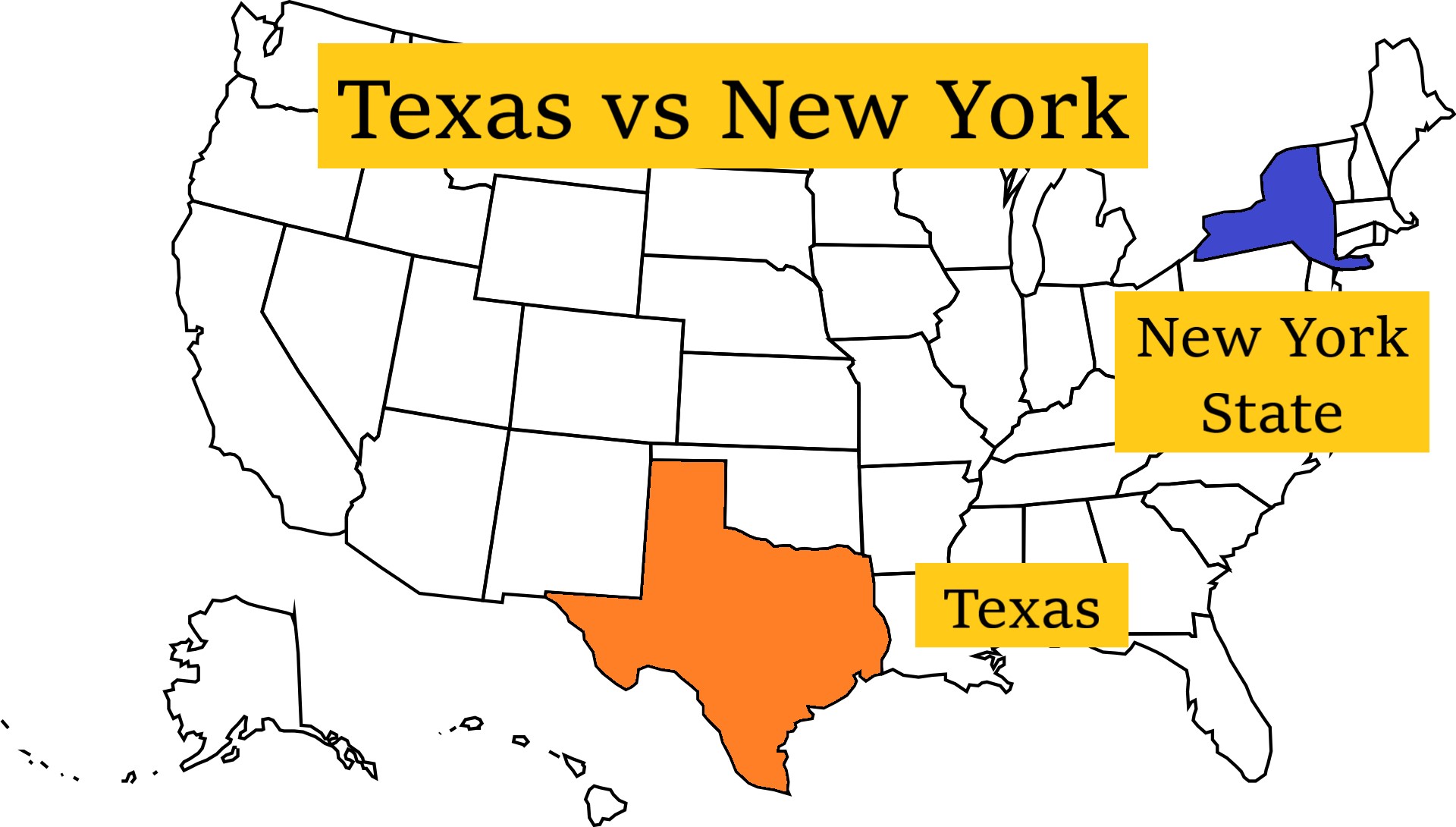
Booking flights in advance, especially during peak travel seasons, can significantly reduce costs. Comparing prices across different airlines and considering flights into alternative airports within the NYC area can also lead to savings.
Understanding the Intervening Landscape
The journey from Texas to New York City is not merely a matter of distance but also a passage through dramatically different American environments. This geographical diversity is one of the most compelling aspects of planning such a trip.
From Sun-Drenched Plains to Urban Skylines
Texas is a state of immense geographical variety. Its western regions are characterized by arid landscapes, deserts, and the rugged beauty of the Chihuahuan Desert. As one moves eastward, the terrain transitions into rolling prairies, fertile farmlands, and dense pine forests in East Texas. The state’s major cities, such as Dallas, Houston, San Antonio, and Austin, are sprawling metropolises that offer a unique blend of Southern hospitality and modern innovation.
In contrast, New York City is the epitome of an urban landscape. Its five boroughs – Manhattan, Brooklyn, Queens, the Bronx, and Staten Island – are densely populated and iconic for their towering skyscrapers, bustling streets, and world-renowned cultural institutions. The city’s proximity to the Atlantic Ocean and the Hudson River defines its geography, offering waterfront views and a vibrant maritime heritage.
The Great Plains, Midwest, and Appalachian Transition
A typical overland journey from Texas to New York City will traverse several distinct geographical regions. The initial leg might take travelers across the Great Plains, a vast expanse of flat, fertile land that is the agricultural heartland of the United States. This region is known for its wide-open spaces and agricultural communities.
Further north and east, the landscape begins to change, leading into the Midwest, characterized by its rolling hills, numerous lakes, and significant industrial centers. Cities like Kansas City, Indianapolis, and Columbus are often points of interest along this route, showcasing a different facet of American industry and culture.
The final stretch involves crossing the Appalachian Mountains. This majestic mountain range, stretching from Alabama to New England, presents a dramatic shift in scenery with its lush forests, winding roads, and picturesque valleys. The transition from the flatter terrains of the plains and Midwest to the mountainous regions of states like Pennsylvania and New York offers a visually stunning conclusion to the overland journey.
Planning Your Intercontinental Adventure
The decision to travel from Texas to New York City opens up a spectrum of planning considerations, from the practicalities of booking and budgeting to the experiential aspects of the journey.
Budgeting for the Trip: Flights vs. Driving Costs
When budgeting, the primary difference lies between the upfront cost of airfare and the cumulative expenses of a road trip.
Air Travel Costs:
- Flight Tickets: Prices vary widely based on the airline, time of booking, season, and demand. Expect to pay anywhere from $150 to $500 or more for a round-trip ticket.
- Baggage Fees: Additional costs may apply for checked luggage.
- Airport Transportation: Costs for taxis, ride-shares, or parking at the departure and arrival airports.
Road Trip Costs:
- Fuel: This is a significant expense, calculated based on the distance, your vehicle’s fuel efficiency, and current gas prices. For a 1600-mile trip, this could easily amount to several hundred dollars.
- Accommodation: Hotel stays for 3-5 nights will accumulate. Budget approximately $100-$200 per night, depending on the city and quality of the hotel.
- Food: Dining out along the way adds to the daily expenses.
- Tolls: Many highways, especially in the eastern United States, have tolls.
- Vehicle Maintenance: It’s wise to have your car serviced before a long journey.
A road trip can sometimes be more economical for groups or families traveling together, especially if they opt for budget-friendly accommodations and pack their own food. However, for solo travelers or couples prioritizing time, flying is often the more cost-effective and efficient choice.
Accommodation Options Along the Way
For those driving, the journey offers a chance to experience a variety of accommodations. From budget-friendly motels and roadside inns to boutique hotels and charming bed and breakfasts in smaller towns, the options are diverse. Major cities along the route will offer a full spectrum of hotel brands, from luxury chains like the Marriott Marquis Times Square to more affordable options.
For air travelers, the focus shifts to accommodations in New York City itself. Manhattan is renowned for its luxury hotels, such as the The Plaza Hotel and the St. Regis New York, offering unparalleled access to attractions like Central Park and Times Square. However, exploring accommodations in other boroughs like Brooklyn or Queens can provide more budget-friendly alternatives while still offering easy access to the city’s attractions.

Maximizing Your Experience: Tips for a Seamless Journey
Regardless of your chosen mode of transport, careful planning is key to a smooth and enjoyable journey from Texas to New York City.
- Book in Advance: For both flights and hotels, booking several months ahead can secure better prices and availability, especially during peak travel times like summer or holidays.
- Pack Appropriately: Consider the vastly different climates. Texas can be hot and humid, while New York City experiences distinct seasons, from cold winters to warm summers. Layering is always a good strategy.
- Utilize Technology: Navigation apps, flight tracking tools, and hotel booking platforms are indispensable. Consider offline maps for areas with spotty service during a road trip.
- Embrace the Local Culture: Whether it’s savoring authentic Tex-Mex in Texas or enjoying a classic New York slice of pizza, incorporating local culinary experiences will enrich your travel.
- Be Flexible: Travel plans can change. Build some flexibility into your itinerary to accommodate unexpected opportunities or delays.
The distance between Texas and New York City is more than just miles on a map; it represents a journey through the heart of America, offering diverse landscapes, cultures, and experiences. Whether you’re driving across the country or flying over it, the anticipation of reaching the vibrant energy of New York City from the vastness of Texas is a testament to the grandeur and diversity of the United States.
LifeOutOfTheBox is a participant in the Amazon Services LLC Associates Program, an affiliate advertising program designed to provide a means for sites to earn advertising fees by advertising and linking to Amazon.com. Amazon, the Amazon logo, AmazonSupply, and the AmazonSupply logo are trademarks of Amazon.com, Inc. or its affiliates. As an Amazon Associate we earn affiliate commissions from qualifying purchases.