
The question “How many fires are burning in California right now?” is one that frequently crosses the minds of travelers, residents, and those concerned about the environmental health of one of America’s most beloved states. While the exact number fluctuates hourly, reflecting the dynamic nature of wildfires, the underlying concern speaks to a broader issue: the impact of these natural phenomena on travel, tourism, and the overall lifestyle in a state renowned for its diverse landscapes and vibrant culture. California, a beacon for adventurers, luxury seekers, and family vacationers alike, offers everything from sun-drenched beaches and towering redwood forests to bustling metropolises and serene desert escapes. However, the annual wildfire season has undeniably become a significant factor in planning trips and understanding the nuances of visiting this extraordinary destination.
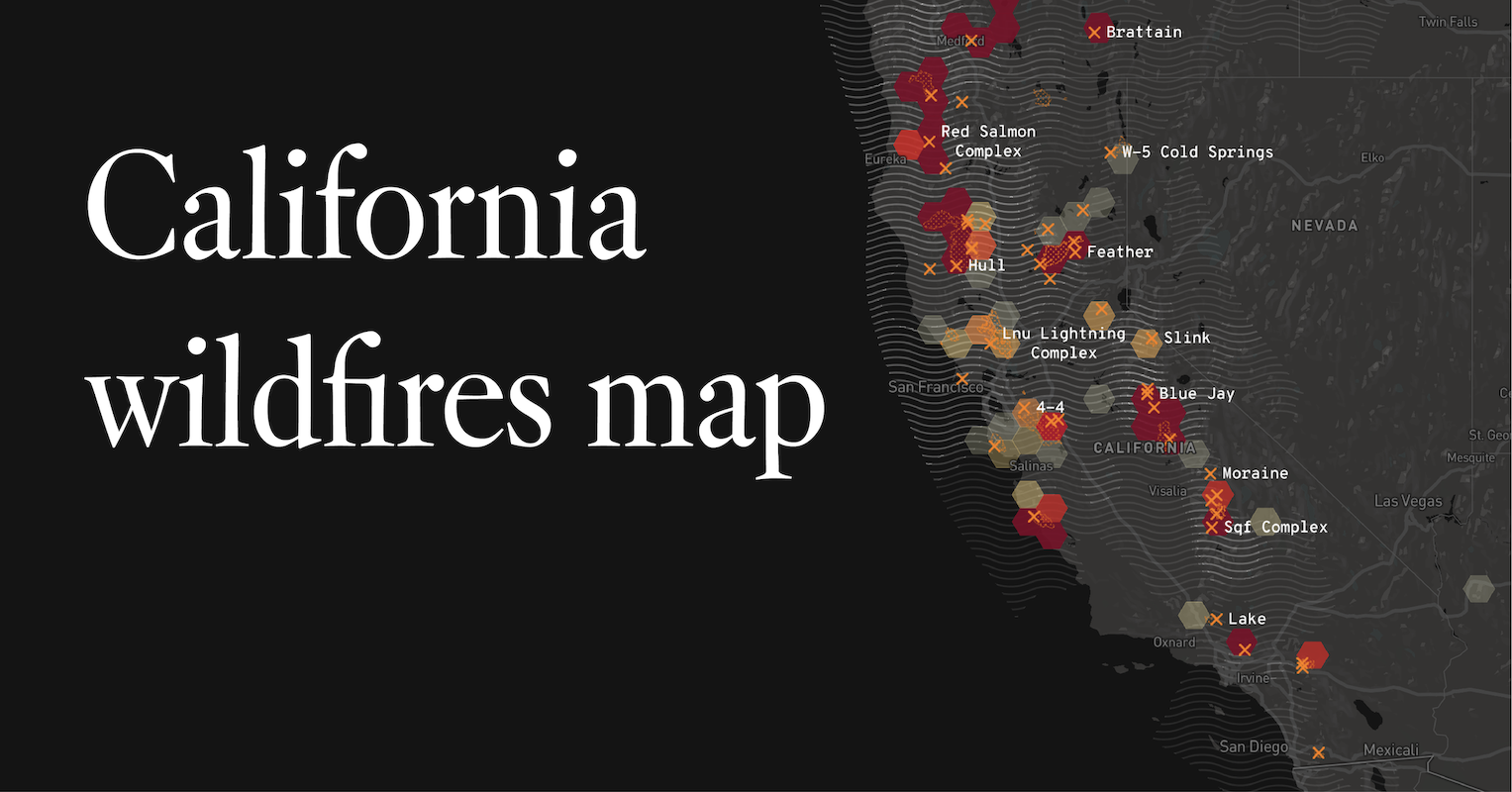
This article aims to provide a comprehensive overview for potential visitors, shedding light on how wildfires affect travel plans, what to consider when booking accommodations, and how to navigate the golden state safely and responsibly. Instead of providing a real-time fire count, which would be obsolete in minutes, we delve into the cyclical nature of these events, their general impact on various regions, and practical advice for ensuring your California experience remains unforgettable for all the right reasons.
Understanding California’s Wildfire Landscape: A Traveler’s Perspective
California’s breathtaking natural beauty is, paradoxically, also home to conditions that make it susceptible to wildfires. From dense forests to chaparral-covered hills, the state’s diverse ecosystems, combined with specific weather patterns like the Santa Ana winds and prolonged droughts, create an environment where fires can ignite and spread rapidly. Understanding this landscape is the first step for any traveler.
The Annual Cycle of Wildfires
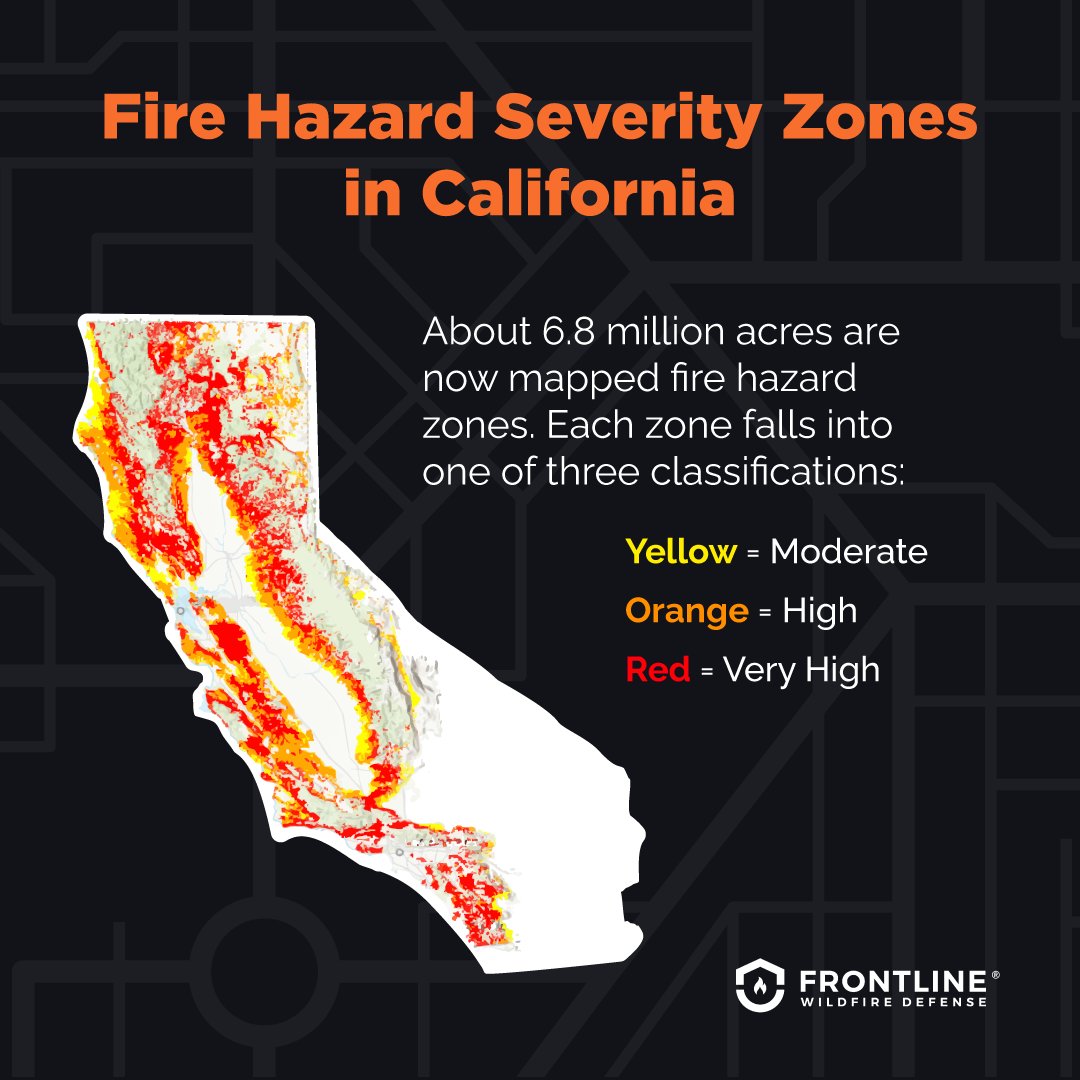
Wildfires are a natural part of California’s ecology, often triggered by lightning strikes or, increasingly, by human activity. While fires can occur at any time, the “wildfire season” typically spans from late spring through late fall, peaking in the hottest and driest months of August, September, and October. During this period, vegetation becomes extremely dry, creating ample fuel for fires. Regions such as the Sierra Nevada foothills, parts of Southern California near cities like Los Angeles and San Diego, and the forested areas of Northern California are particularly prone.
Historically, indigenous land management practices incorporated controlled burns to manage undergrowth, a method that is being revisited today. However, a century of fire suppression, coupled with climate change, has led to a build-up of fuel and more intense, destructive fires. This context is crucial for travelers to grasp; it’s not just an isolated event but a recurring pattern that shapes the travel landscape. For example, while destinations like Yosemite National Park are magnificent, visitors during peak fire season should be aware of potential closures or air quality alerts. Similarly, the wine regions of Napa Valley and Sonoma County, though resilient, have experienced significant impacts from past fires, affecting vineyards and local businesses.
Current Dynamics: A Fluid Situation for Travelers
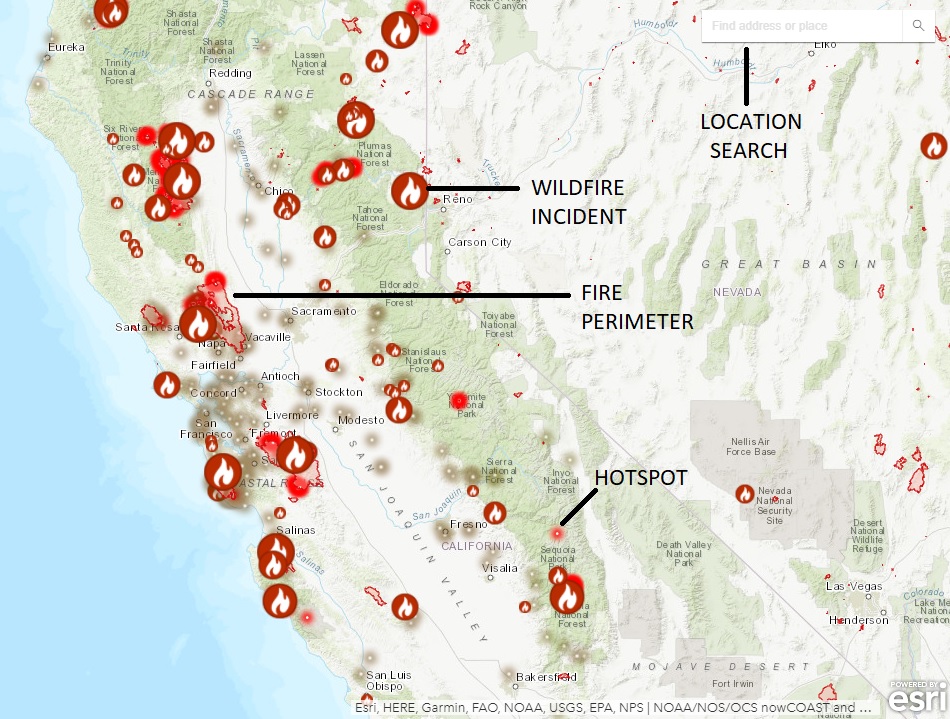
The actual number of fires burning in California is a dynamic figure, changing hour by hour as new ignitions occur and existing fires are contained. Firefighting agencies like CalFire provide real-time updates on incidents, containment levels, and evacuation orders. For travelers, this means that conditions can change rapidly. A destination that is clear one day might be affected by smoke or even under threat the next.
It’s impractical to rely on a static number, as the critical factor for travelers is not just how many fires, but where they are, their proximity to popular tourist areas, and their impact on air quality and infrastructure. A fire in a remote forest might have minimal impact on a coastal city like Santa Barbara, while a smaller blaze near a major highway could cause significant travel disruptions. The key takeaway for any trip planner is the importance of staying informed through official channels and being prepared for potential adjustments to itineraries.
Navigating California Travel During Wildfire Season
Traveling through California during wildfire season requires a heightened level of awareness and flexibility. While vast stretches of the state remain unaffected, certain aspects of your trip could be influenced.
Impact on Iconic Destinations and Attractions
The allure of California’s attractions is undeniable, from the majestic redwoods of Redwood National Park to the desert wonders of Joshua Tree National Park, and the urban excitement of San Francisco or Los Angeles. Wildfires can directly or indirectly affect these destinations. National and state parks, such as Yosemite National Park, Sequoia National Park, and areas around Lake Tahoe, are often the most vulnerable due to their forested environments. Fires can lead to temporary closures, rerouted trails, or even damage to infrastructure.
Even urban attractions, like Disneyland Park in Anaheim or Universal Studios Hollywood, while rarely directly threatened by fires, might experience reduced visibility due to smoke or altered visitor patterns. Coastal regions like the Mendocino Coast or the scenic drive along Big Sur can often remain open and accessible, though road closures (like Highway 1) can occur due to fire or mudslides in burn scar areas. Always check with the specific attraction or park service before heading out.
Air Quality and Health Considerations
One of the most widespread impacts of wildfires, even those far from your immediate location, is on air quality. Smoke plumes can travel hundreds of miles, causing hazy skies and elevated levels of fine particulate matter. This can pose health risks, particularly for individuals with respiratory conditions, the elderly, and young children.
Before and during your trip, regularly check air quality indices (AQI) for your planned destinations. Websites and apps like AirNow.gov provide real-time data. If the AQI indicates unhealthy levels, it’s advisable to limit outdoor activities, keep windows closed, and use air purifiers if available in your accommodation. Many hotels, especially high-end resorts like The Ritz-Carlton, Laguna Niguel or the Fairmont San Francisco, often have advanced HVAC systems that can help mitigate indoor air quality issues, but it’s always best to be prepared and flexible with your itinerary.
Road Closures and Travel Disruptions
Wildfires frequently lead to road closures, both for public safety and to allow emergency vehicles access. Major highways, scenic routes, and local roads can all be affected. This can disrupt travel plans significantly, leading to lengthy detours, missed connections, or canceled excursions. Destinations like Big Sur, famous for its coastal highway, have historically faced closures affecting access to unique resorts like Ventana Big Sur, an Alila Resort.
It’s essential to monitor traffic conditions and road closure updates from sources like Caltrans or Google Maps. Flexibility is paramount; having alternative routes or destinations in mind can save a lot of stress. Consider traveling by train or bus for longer distances if available and unaffected, or focusing your trip on regions known to be less prone to fire-related road closures, such as the bustling urban core of San Francisco (where attractions like the Golden Gate Bridge or Alcatraz Island are less directly impacted by remote fires).
Accommodation and Booking Challenges
Wildfires can directly impact hotels, resorts, and vacation rentals, leading to evacuations or cancellations. Even if an accommodation isn’t directly threatened, a mandatory evacuation of the surrounding area will necessitate guests leaving. This can create challenges for travelers, especially those who have made non-refundable bookings.
When booking travel to California during fire season, consider purchasing travel insurance that covers wildfire-related disruptions. Read the fine print carefully to understand what is covered. Look for accommodations with flexible cancellation policies. Before departing, confirm your booking directly with the hotel (e.g., Hotel del Coronado in San Diego or Terranea Resort in Rancho Palos Verdes) and inquire about local conditions. Many establishments in fire-prone areas have robust emergency plans and communication protocols in place for their guests.
Ensuring Safety and Enjoyment: Essential Tips for Visitors
A trip to California can still be safe and enjoyable during wildfire season with proper planning and vigilance.
Staying Informed: Reliable Sources
The most crucial advice for any traveler is to stay informed. Rely on official and authoritative sources for information:
- CalFire: The primary agency for fire information in California, offering incident maps, updates, and safety tips.
- National Weather Service: Provides forecasts, red flag warnings, and alerts for fire weather conditions.
- AirNow.gov: For real-time air quality data across the country, including specific locations in California.
- Caltrans: For road closures and traffic updates.
- Local Emergency Services: City and county websites, as well as local news outlets (e.g., in Sacramento or Los Angeles), often provide very localized and timely updates.
Emergency Preparedness for Travelers
While nobody expects to be in an emergency, being prepared can make a significant difference.
- “Go-Bag” Mentality: For road trips, consider keeping a small “go-bag” in your car with essentials like water, snacks, a first-aid kit, a phone charger, and copies of important documents.
- Communication Plan: Ensure your travel companions know how to contact each other if separated. Share your itinerary with someone not traveling with you.
- Know Evacuation Routes: If staying in a potentially affected area, familiarize yourself with local evacuation routes and assembly points. Hotels often provide this information.
- Cell Service: Be aware that cell service can be intermittent in remote areas or during emergencies.
Choosing Responsible Travel Options
Part of being a responsible traveler is understanding and respecting local conditions.
- Fire Restrictions: Adhere strictly to any fire restrictions in place, such as campfire bans in parks or wilderness areas. Even seemingly innocent actions like flicking a cigarette butt can have devastating consequences.
- Support Local Businesses: When an area recovers from a fire, tourism is vital for economic revitalization. By choosing to visit and spend money in safe, open areas of California, you are directly contributing to the resilience of these communities.
- Educate Yourself: Learn about fire-wise landscaping and prevention efforts in the regions you visit. Understanding these efforts can foster a deeper appreciation for the state’s challenges and its commitment to safety.
Beyond the Headlines: California’s Enduring Allure for Travelers
Despite the challenges posed by wildfires, California’s spirit remains vibrant, and its natural and cultural attractions continue to beckon travelers from around the globe. Many areas are rarely affected, and even impacted regions demonstrate remarkable resilience.
Discovering Untouched and Resilient Regions
It’s important to remember that California is a vast state, and fires are typically localized events. Many popular destinations remain completely untouched throughout fire season.
- Southern California Coast: Cities like San Diego, known for its pristine beaches, vibrant Gaslamp Quarter, and family-friendly attractions, often experience minimal direct impact from fires, although smoke can sometimes drift. Iconic landmarks such as the Hotel del Coronado offer timeless experiences.
- Desert Escapes: Palm Springs and the surrounding desert communities, while dry, are often less prone to the same types of forest fires that plague other regions. The dry, hot climate makes it a distinct experience.
- Major Metropolises: Urban centers like Los Angeles (home to the Hollywood Sign, world-class museums, and entertainment) and San Francisco (with its Golden Gate Bridge, Pier 39, and diverse neighborhoods) generally maintain their full array of attractions and activities, with air quality being the primary variable to monitor.
By focusing on regions less susceptible or those with rapid recovery capabilities, travelers can still enjoy the quintessential California experience without undue concern.
Supporting Local Communities
Tourism plays a critical role in California’s economy. When communities are affected by fires, the return of visitors can be a powerful force for recovery. By choosing to visit, staying in local hotels, dining at local restaurants, and engaging with local businesses, travelers directly contribute to the economic health and spirit of these areas. Many regions have shown incredible resilience, rebuilding and welcoming visitors with open arms, eager to share their local culture and unique offerings. Your travel dollars can help fund recovery efforts and sustain the livelihoods of those who make California such a special place.
The Future of Sustainable Tourism in California
The ongoing challenges posed by wildfires are also driving innovation and a commitment to sustainable tourism practices. From developing fire-resistant infrastructure to promoting responsible outdoor recreation and investing in forest health initiatives, California is continuously adapting. Travelers can be part of this future by choosing eco-conscious operators, respecting natural environments, and staying informed about conservation efforts. The goal is to preserve California’s natural wonders for generations to come, ensuring that the allure of its landscapes remains undiminished.
In conclusion, while the question of “how many fires are burning right now” is always relevant, a more valuable perspective for travelers to California involves understanding the broader context of wildfire season, knowing how to stay informed and safe, and appreciating the state’s enduring beauty and resilience. With careful planning and a responsible approach, your next California adventure can be as breathtaking and memorable as ever.
LifeOutOfTheBox is a participant in the Amazon Services LLC Associates Program, an affiliate advertising program designed to provide a means for sites to earn advertising fees by advertising and linking to Amazon.com. Amazon, the Amazon logo, AmazonSupply, and the AmazonSupply logo are trademarks of Amazon.com, Inc. or its affiliates. As an Amazon Associate we earn affiliate commissions from qualifying purchases.