
When contemplating vast geographical expanses, the minds of many travelers and cultural enthusiasts often wander to iconic, expansive regions. Two such titans of landmass are the European nation of Germany and the sprawling U.S. state of Texas. For those planning immersive journeys or simply seeking to grasp the scale of different destinations, understanding the comparative size of these two entities is a fundamental piece of knowledge. This exploration delves into the geographical dimensions of Germany and Texas, providing a clear perspective that can inform travel planning, cultural appreciation, and a general understanding of global geography.
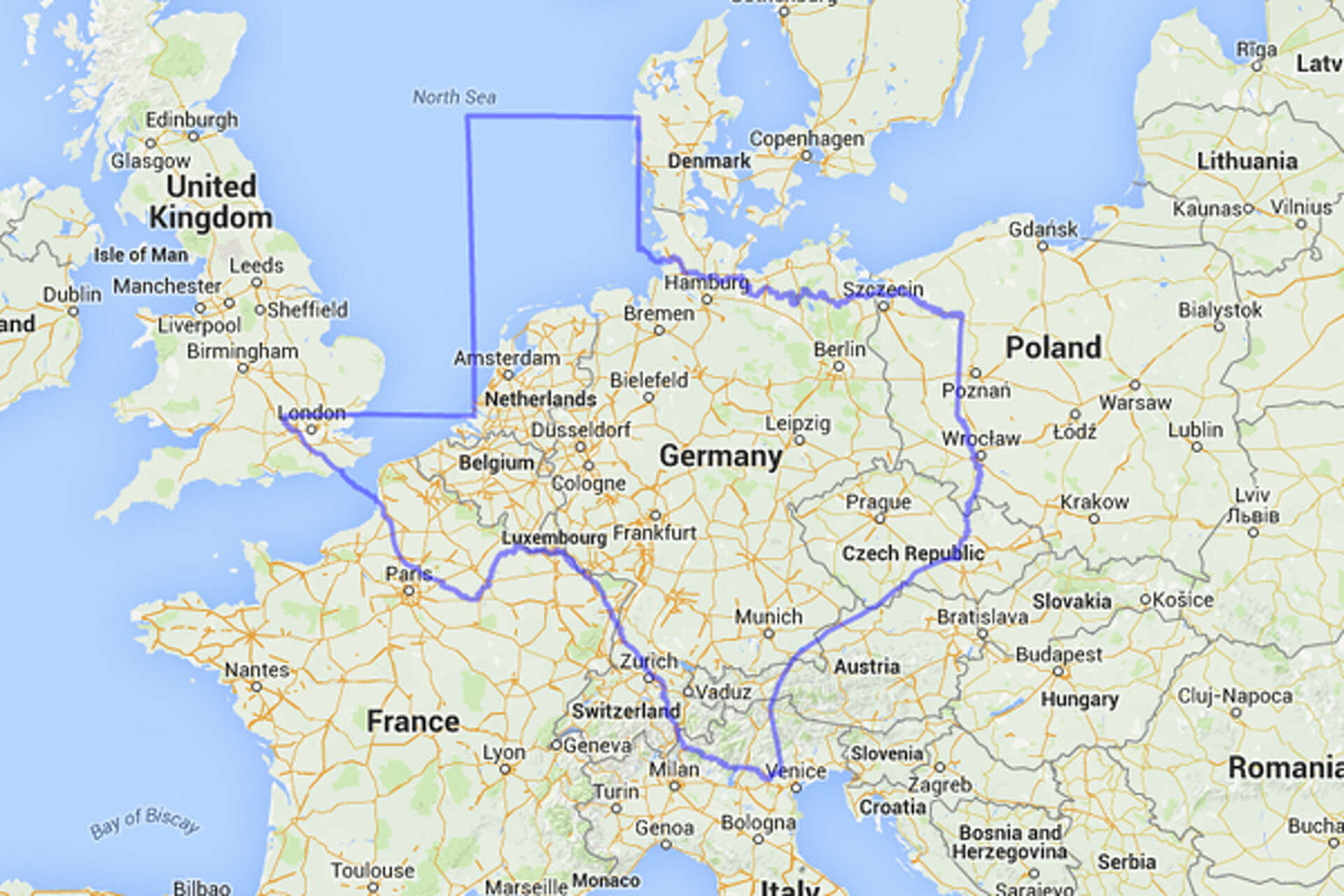
Unveiling the Dimensions: Germany vs. Texas
The initial question of how large Germany is compared to Texas involves a direct comparison of their total land areas. This comparison isn’t merely an academic exercise; it has practical implications for understanding travel times, the diversity of landscapes one might encounter within each region, and the logistical considerations for exploring them.
Area Statistics: A Direct Comparison
Germany, a country situated in the heart of Europe, covers a total area of approximately 357,022 square kilometers (or about 137,847 square miles). This figure encompasses its varied terrain, from the Bavarian Alps in the south to the coastal plains of the North Sea and Baltic Sea in the north. Its landscape is punctuated by rolling hills, dense forests, and numerous rivers, including the Rhine and the Danube.
In contrast, Texas, the second-largest state in the United States by both area and population, boasts a total area of approximately 695,662 square kilometers (or about 268,596 square miles). This immense territory makes Texas significantly larger than Germany in terms of sheer landmass.
The Magnitude of Difference
To put this into perspective, Texas is almost twice the size of Germany. Specifically, Texas is about 1.95 times larger than Germany. This difference in scale is crucial for travelers. A road trip across Texas can easily span multiple days, covering thousands of miles and encountering vastly different climates and ecosystems. For instance, driving from El Paso in the west to Houston in the east is a journey of over 900 miles (1,450 kilometers) and takes approximately 13-14 hours of continuous driving.
Meanwhile, while Germany is a substantial country, its size allows for relatively shorter travel times between major cities and regions. A journey from Hamburg in the north to Munich in the south, for example, is around 800 kilometers (about 500 miles) and can be completed in about 7-8 hours by car, or even faster by high-speed German rail. This difference in travel logistics can significantly influence how one plans an itinerary and experiences the full breadth of each destination.
Navigating the Vastness: Travel Implications
The substantial difference in size between Germany and Texas has direct implications for how one experiences travel within each. Understanding these implications can lead to more realistic planning and a richer, more enjoyable journey.
Germany: A Compact Tapestry of Experiences
Germany offers an incredible diversity of attractions within its relatively compact borders. Travelers can explore the historic castles of the Rhine Valley, wander through the charming medieval towns like Rothenburg ob der Tauber, experience the vibrant cultural scene of Berlin, or relax on the beaches of the Baltic Sea. The efficient public transportation network, particularly the Deutsche Bahn (German Rail), makes it easy to traverse the country, connecting major cities and smaller towns with speed and comfort. This allows visitors to experience multiple facets of German culture, history, and nature without dedicating an extensive amount of time to transit. For instance, a visitor could spend a few days exploring the historical sites of Munich, take a train to visit the fairy-tale castles of Bavaria, and then head north to the bustling port city of Hamburg, all within a single week.

Texas: A Journey Through Diverse Climates and Landscapes
Texas, on the other hand, presents a different kind of travel challenge and reward. Its sheer size means that exploring the state in depth requires a significant commitment of time and resources. The landscape varies dramatically, from the arid deserts and mountains of West Texas to the piney woods of East Texas, the vast ranches of the Hill Country, and the humid coastal plains along the Gulf of Mexico.
For travelers, this means that visiting distinct regions of Texas often requires significant driving or domestic flights. A trip to see the iconic Alamo in San Antonio and then to experience the vibrant nightlife of Austin is a relatively short excursion. However, to venture to the Big Bend National Park, a true wilderness experience, or to explore the unique cultural landscape of West Texas, a considerable amount of travel time must be factored in. This vastness is part of Texas’s allure, offering a sense of frontier spirit and expansive natural beauty that is unlike anything in Germany. For example, exploring the vastness of Big Bend National Park is a journey in itself, requiring days to truly appreciate its rugged terrain and dark skies, a stark contrast to the more easily accessible national parks and natural reserves in Germany.
Cultural and Experiential Parallels and Contrasts
Beyond the raw statistics of land area, the cultural and experiential landscapes of Germany and Texas offer rich avenues for exploration, shaped in part by their geographical scale.
The Richness of German Culture and Heritage
Germany is renowned for its deep historical roots, artistic achievements, and diverse regional cultures. From the romantic castles of Bavaria like Neuschwanstein Castle to the industrial heritage of the Ruhr Area, the country offers a dense concentration of historical sites and cultural experiences. Its cities, though varied, often showcase centuries of architectural evolution, from medieval old towns to Baroque palaces and modern design. Culinary traditions vary significantly from north to south, with regional specialties that reflect local produce and historical influences. The emphasis on efficiency and punctuality, often associated with German culture, also extends to its infrastructure, making travel and exploration remarkably seamless.
The Unique Identity of Texas
Texas possesses a distinct cultural identity forged from its history as an independent republic, its border location, and its diverse population. This manifests in its celebrated cowboy culture, its unique Tex-Mex cuisine, its burgeoning music scene in cities like Austin, and its significant Hispanic heritage. The sheer size of the state means that cultural experiences can be very localized. What one finds in the oil-rich West Texas is vastly different from the bayou influences of East Texas or the cosmopolitan vibe of Houston. The sense of independence and self-reliance often associated with Texans is perhaps a reflection of the vast, often challenging, landscape they inhabit. Exploring Texas is an exercise in understanding this multifaceted identity, often requiring extensive travel to appreciate the breadth of its cultural tapestry.
Planning Your Grand Tour: Scale and Strategy
Understanding the comparative sizes of Germany and Texas is not just about numbers; it’s about strategic planning for any traveler or enthusiast looking to immerse themselves in the offerings of either destination.
Maximizing Your German Adventure
For a trip to Germany, a visitor can realistically plan to see a significant portion of the country within a typical vacation period of 10-14 days. Utilizing the excellent rail network, focusing on a few key regions, or even embarking on a circular route from a major city like Frankfurt is feasible. Combining historical exploration, culinary delights, and natural beauty is achievable without feeling rushed. The compactness of Germany allows for serendipitous discoveries and spontaneous detours, as attractions are often within relatively easy reach of each other. For example, a traveler might start in Cologne to visit its magnificent cathedral, then take a scenic train ride through the Moselle Valley, and end their trip with a visit to the vibrant markets of Dresden.

Embracing the Texas Expedition
A journey through Texas demands a different approach, prioritizing depth over breadth in many cases, or requiring a more extended duration. If your goal is to see the highlights, you might focus on specific regions, such as the major cities of the I-35 corridor (Dallas, Austin, San Antonio, Houston), or dedicate your time to exploring the natural wonders of West Texas. Renting a car is almost essential for a comprehensive Texas experience, as public transportation between cities is limited. Travelers should embrace the drive, seeing the changing landscapes as part of the adventure. A true exploration of Texas might involve a two-week itinerary that focuses solely on its diverse natural parks, or a journey tracing the historical missions from San Antonio to Goliad. Understanding the sheer scale of Texas is the first step to appreciating its unique character and planning an unforgettable expedition.
LifeOutOfTheBox is a participant in the Amazon Services LLC Associates Program, an affiliate advertising program designed to provide a means for sites to earn advertising fees by advertising and linking to Amazon.com. Amazon, the Amazon logo, AmazonSupply, and the AmazonSupply logo are trademarks of Amazon.com, Inc. or its affiliates. As an Amazon Associate we earn affiliate commissions from qualifying purchases.