
Navigating the civic duty of jury service in Oregon can present challenges, especially for those with pre-existing commitments or circumstances that make participation difficult. While the principle of jury service is fundamental to the American justice system, Oregon law, like that of other states, provides specific avenues for individuals to be excused or have their service deferred under certain conditions. Understanding these provisions is key to responsibly managing your jury summons. This guide explores the legitimate reasons and procedures for seeking an exemption or postponement from jury duty in the Beaver State, offering insight into the legal framework that governs this essential civic process.
Understanding Jury Duty in Oregon
Jury duty is a cornerstone of the United States judicial system, ensuring that legal proceedings are decided by a fair cross-section of the community. In Oregon, prospective jurors are selected from lists of registered voters and licensed drivers. The summons you receive is a legal document requiring your response. It’s crucial to approach this obligation with seriousness and to understand the procedures involved.
The Purpose of Jury Service
The right to a trial by jury is enshrined in the U.S. Constitution and is a vital component of due process. Jurors are tasked with listening to evidence presented in court, deliberating with their fellow jurors, and rendering a verdict based on the law and the facts. This responsibility ensures that justice is administered impartially and that the legal system remains accountable to the people it serves.
Receiving a Jury Summons
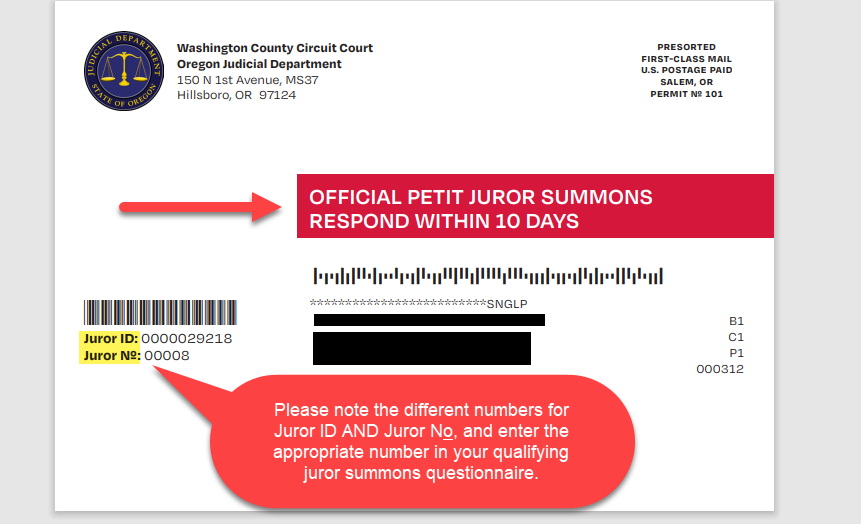
A jury summons is typically mailed to your residence. It will contain important information, including the date, time, and location where you are to report, as well as instructions on how to respond to the summons. It will also outline the basic eligibility requirements and the process for requesting an excuse or deferral. Failure to respond to a jury summons can have legal consequences, including fines.
Eligibility Requirements
To be eligible for jury service in Oregon, you generally must:
- Be a citizen of the United States.
- Be at least 18 years old.
- Reside in the county where you are summoned to serve.
- Be able to understand English sufficiently to comprehend and discuss the proceedings.
- Not have a mental or physical condition that prevents you from fulfilling your duties as a juror.
There are also specific disqualifications, such as having a felony conviction that has not been reversed or for which civil rights have not been restored.
Grounds for Excuse or Deferral in Oregon
Oregon law recognizes that not everyone can serve jury duty at any given time. The state provides specific reasons for which a person may be excused from service or have their service postponed. It is important to note that “hardship” is a primary consideration, but the definition of hardship can be broad and is often determined by the judge or court administrator.
Undue Hardship or Extreme Inconvenience
This is the most common category for seeking an excuse or deferral. Undue hardship or extreme inconvenience can arise from several situations:
Financial Hardship
- Loss of Income: If serving on a jury would cause you or your employer significant financial loss, you may be eligible for an excuse or deferral. This is particularly relevant for individuals who are self-employed, work on commission, or whose employers do not offer paid jury leave. You may need to provide documentation, such as pay stubs or a letter from your employer, to support your claim. The court will consider the impact of lost wages on your ability to meet essential financial obligations.
- Business Operations: For small business owners or key employees, extended jury service could disrupt critical business operations, leading to significant financial strain. Courts may grant deferrals in such cases to allow for the business to make arrangements.
Personal or Familial Responsibilities
- Caregiving Duties: Individuals who are the sole caregivers for children, elderly parents, or individuals with disabilities may be excused if their absence would cause significant disruption to the care recipient’s well-being or if suitable alternative care cannot be arranged without undue expense. Documentation from a medical professional or a sworn statement outlining the necessity of your caregiving role may be required.
- Medical Conditions: If you have a medical condition that would be aggravated by serving on a jury or if jury service would prevent you from seeking necessary medical treatment, you may be excused. A letter from your physician detailing the nature of your condition and how jury service would impact your health is typically required. This also applies if a member of your immediate household has a chronic or serious medical condition that requires your constant care.
- Students: Full-time students may be able to defer their jury service until a time when it does not conflict with their academic schedule, such as during school breaks. College or university students often receive priority for deferrals.
Other Valid Reasons
- Essential Public Service: In rare instances, individuals performing essential public services that cannot be easily replaced may be excused. This is usually limited to emergency responders or individuals in critical government roles whose absence would negatively impact public safety or essential services.
- Prior Service: If you have served on a jury within a certain timeframe (specified by Oregon law, often within the last two years for state courts), you may be eligible for an excuse.
Deferral vs. Excuse
It is important to distinguish between a deferral and an excuse.
- Deferral: This means your jury service is postponed to a later date. You will be summoned again in the future. Deferrals are often granted when the hardship is temporary. For example, a student might defer service until summer break.
- Excuse: This means you are permanently excused from jury duty for the current summons. In some cases, you may be permanently excused from jury service altogether, while in others, you may be excused for a specific period, after which you could be summoned again.
The Process of Requesting an Excuse or Deferral
Successfully navigating the process of requesting an excuse or deferral requires attention to detail and prompt action. The specific steps and required documentation can vary slightly depending on the court system (state, county, or federal), but the general principles remain consistent.
Reading Your Summons Carefully
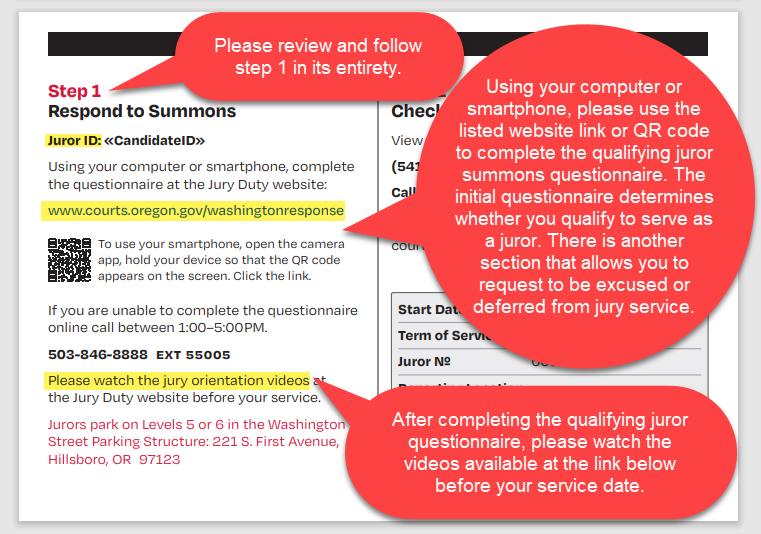
Your jury summons is your primary source of information. It will detail how to respond, the deadline for your response, and the grounds on which you may be excused or deferred. Do not ignore your summons.
Responding Promptly
Most courts require you to respond within a specified number of days of receiving the summons. This response can often be done online, by mail, or by phone. Failing to respond by the deadline can lead to penalties.
Online Response
Many Oregon county courts now offer online portals for responding to jury summons. This is often the quickest and most efficient method. You will typically be able to fill out an online questionnaire, declare your eligibility, and submit requests for deferral or excuse with attached documentation.
Mail or Phone Response
If an online option is not available or preferred, you can usually respond by mail or phone. The summons will provide instructions on how to do so. When responding by mail, ensure you include all necessary documentation and send it well in advance of the deadline.
Providing Necessary Documentation
This is a critical step. For any claim of hardship, you will need to provide evidence. The type of documentation required depends on the reason for your request:
- Financial Hardship: A letter from your employer stating their policy on paid jury leave, your most recent pay stubs, or documentation proving self-employment and the potential loss of income.
- Medical Conditions: A signed letter from your physician detailing the medical condition and why jury service would be detrimental to your health or the health of a dependent.
- Caregiving: A sworn statement detailing your caregiving responsibilities, the dependency of the individual you care for, and why alternative arrangements are not feasible. If the person you care for has a medical condition, a letter from their physician can also be helpful.
- Student Status: A letter from your educational institution confirming your full-time enrollment and academic schedule.
Submitting Your Request
Follow the instructions on your summons for submitting your request for excuse or deferral. This typically involves filling out a specific form or section of the response questionnaire, attaching your supporting documentation, and submitting it by the stated deadline.
What Happens Next?
After you submit your request, the court will review it. You will receive a confirmation or a decision from the court.
- Approval: If your request is approved, you will receive notification that you are excused or that your service has been deferred to a new date.
- Denial: If your request is denied, you will be required to appear for jury duty as originally scheduled. In some cases, you may have the opportunity to appear in court on the scheduled date and explain your situation to the judge, who will make the final decision.
- Request for More Information: The court may contact you for additional information or clarification.
Seeking Professional Assistance and Further Information
While this guide provides a comprehensive overview of how to approach jury duty in Oregon, navigating the legal system can sometimes be complex. If you have unique circumstances or are unsure about your eligibility or the best course of action, seeking professional advice is recommended.
Consulting Legal Counsel
For particularly complex situations or if you believe your request for an excuse or deferral has been unfairly denied, consulting with a legal professional can be beneficial. An attorney can advise you on your rights and obligations and help you prepare a compelling case for your exemption.
Court Resources
The Oregon Judicial Department website is an excellent resource for detailed information regarding jury service. Many county courts also have their own dedicated jury services sections on their websites. These resources often include FAQs, downloadable forms, and contact information for jury administrators. For example, the Multnomah County Circuit Court provides specific guidance for residents summoned for jury duty.

Understanding the Spirit of Jury Service
While seeking an excuse or deferral is a legitimate right for those facing genuine hardship, it’s also important to remember the fundamental importance of jury service to a functioning democracy. The system relies on the willingness of citizens to participate. When considering your options, weigh the genuine impact of jury duty on your life against the civic responsibility you are being asked to fulfill. By understanding the process and adhering to the guidelines, you can manage your jury duty obligation responsibly and respectfully.
LifeOutOfTheBox is a participant in the Amazon Services LLC Associates Program, an affiliate advertising program designed to provide a means for sites to earn advertising fees by advertising and linking to Amazon.com. Amazon, the Amazon logo, AmazonSupply, and the AmazonSupply logo are trademarks of Amazon.com, Inc. or its affiliates. As an Amazon Associate we earn affiliate commissions from qualifying purchases.