
Navigating the landscape of higher education in a state as expansive and culturally rich as Texas can be a significant undertaking. For those aspiring to practice law within this dynamic region, understanding the foundational educational requirements is paramount. The question of “How Long Is Law School In Texas?” delves into the core structure of legal education, which, for the most part, adheres to national standards. However, the Texan context adds nuances that are worth exploring, particularly concerning its unique legal history and the specific programs offered by its distinguished institutions.
The Standard Juris Doctor (J.D.) Program
The cornerstone of legal education in the United States, and by extension in Texas, is the Juris Doctor (J.D.) degree. This is the professional degree required to sit for the bar examination and become a licensed attorney.
Duration of the J.D. Program
-
Full-Time Study: The overwhelming majority of J.D. programs in Texas, as elsewhere, are designed as three-year, full-time curricula. Students typically enroll immediately after completing their undergraduate studies and progress through a rigorous sequence of courses covering foundational legal principles, analytical skills, and professional ethics. The academic year generally spans two semesters, with most programs requiring around 80-90 credit hours for graduation. This structured approach ensures a comprehensive understanding of the law and its application.
-
Part-Time or Evening Programs: While less common, some law schools in Texas may offer part-time or evening J.D. programs. These are specifically designed for individuals who need to balance their legal studies with existing professional or personal commitments. These programs typically extend the duration of study, often taking four to five years to complete, as students carry a reduced course load each semester. The total credit hours required for graduation usually remain the same as the full-time program.
Curriculum Overview
The J.D. curriculum in Texas law schools is designed to provide students with a broad and deep understanding of the legal system. Core courses typically include:
- Contracts: The principles governing agreements and their enforcement.
- Torts: Civil wrongs and the remedies available to injured parties.
- Criminal Law: The study of offenses against society and their prosecution.
- Constitutional Law: The interpretation and application of the U.S. Constitution.
- Property Law: The rights and interests associated with the ownership of real and personal property.
- Civil Procedure: The rules and processes governing civil litigation.
- Evidence: The rules governing the admissibility of proof in legal proceedings.
- Legal Research and Writing: Essential skills for analyzing legal issues and communicating legal arguments.
Beyond these foundational subjects, students have the opportunity to specialize in various areas through elective courses, clinics, and externships, allowing them to tailor their education to their specific career interests.
Leading Law Schools in Texas and Their Program Structures
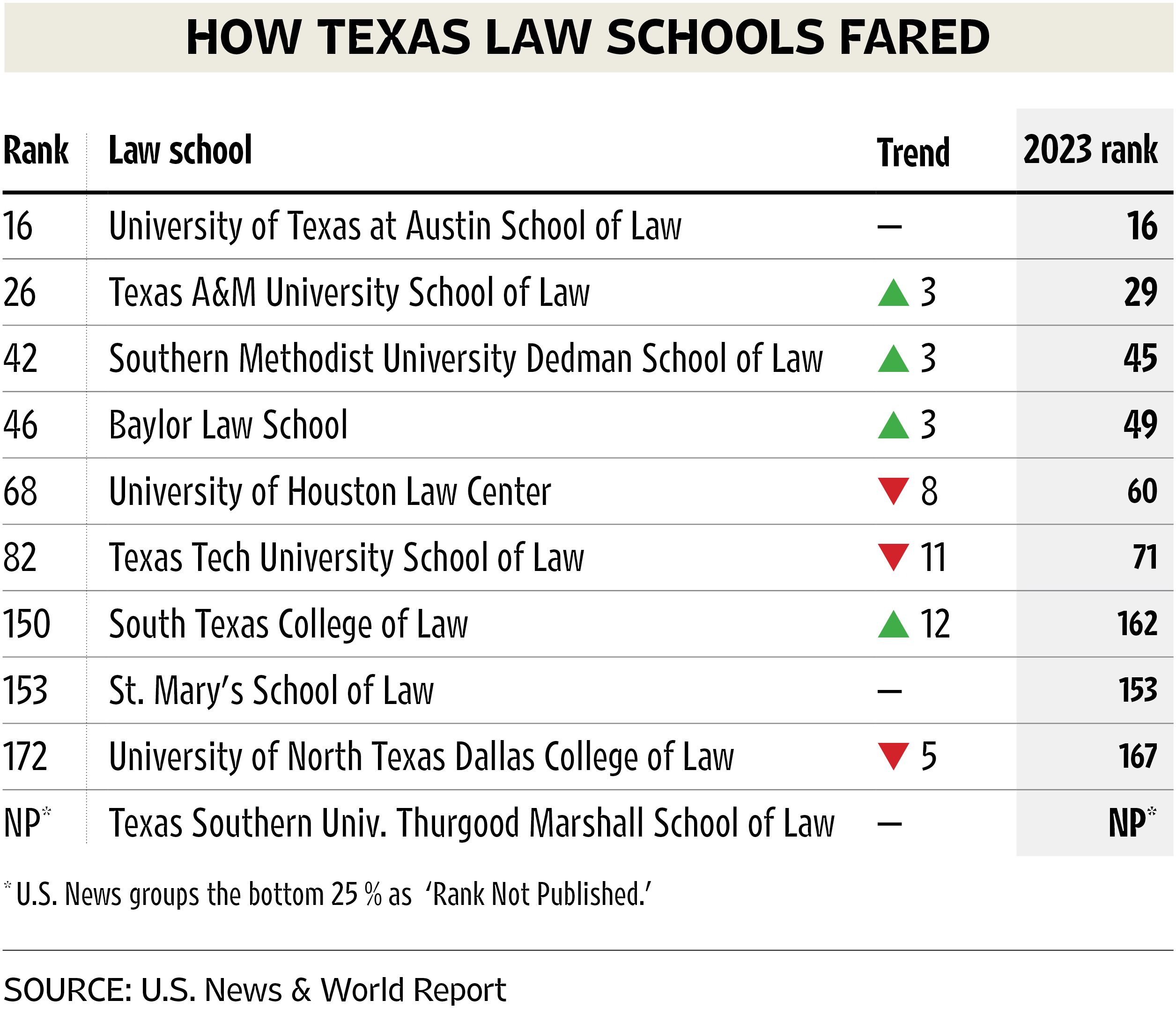
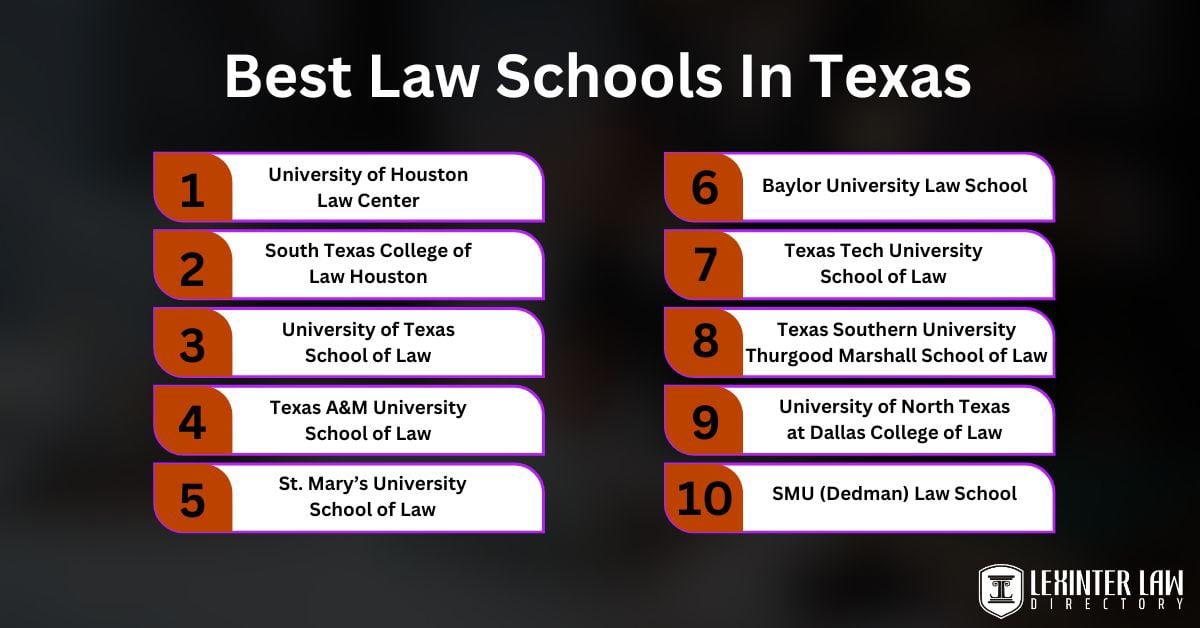
Texas is home to several highly respected law schools, each offering a J.D. program that adheres to the standard duration. Understanding the specific offerings of these institutions can provide further insight.
University of Texas School of Law
Located in Austin, the University of Texas School of Law is consistently ranked among the top law schools nationally. Their J.D. program is a traditional three-year, full-time endeavor, focusing on rigorous academic training and preparing students for diverse legal careers across the state and beyond. The school offers numerous clinics and special programs that allow students to gain practical experience in areas of Texas law, such as energy law, intellectual property, and public interest law.
Southern Methodist University Dedman School of Law
Situated in Dallas, Southern Methodist University Dedman School of Law also provides a highly regarded three-year J.D. program. SMU Law is known for its strong emphasis on practical legal training, offering a wide array of clinics and externships that expose students to real-world legal challenges. Their curriculum is robust, covering all essential legal disciplines and providing opportunities for specialization in areas like corporate law, intellectual property, and dispute resolution.
University of Houston Law Center
The University of Houston Law Center in Houston offers a distinguished J.D. program that, like others, is typically completed in three years of full-time study. The Law Center is recognized for its strong programs in health law, intellectual property law, and international law, reflecting the diverse economic landscape of Houston. Students benefit from a curriculum that balances theoretical knowledge with practical application, preparing them for a wide range of legal careers.

Baylor Law School
Baylor Law School, located in Waco, is renowned for its intense and practical approach to legal education. Their J.D. program is a three-year, full-time commitment that emphasizes developing highly skilled advocates. Baylor Law is particularly noted for its rigorous practice court program and its focus on developing exceptional litigation and transactional skills. This immersive experience ensures graduates are well-prepared for the demands of legal practice.
Texas A&M University School of Law
Texas A&M University School of Law, based in Fort Worth, offers a J.D. program that follows the standard three-year full-time structure. The school is part of the larger Texas A&M University system, providing a unique interdisciplinary approach. Its programs often emphasize areas like intellectual property, business law, and dispute resolution, aligning with the economic strengths of the region and the broader Texas economy.
Beyond the J.D.: Advanced Legal Degrees
While the J.D. is the primary degree for aspiring practicing attorneys in Texas, some individuals may pursue advanced legal studies. These programs cater to those seeking to deepen their expertise in a specialized area of law or engage in academic research.
Master of Laws (LL.M.) Program
-
Purpose and Duration: The Master of Laws (LL.M.) degree is a postgraduate program typically pursued by lawyers who have already earned a J.D. or its international equivalent. In Texas, LL.M. programs are generally one year in duration, focusing on specialized areas such as international law, intellectual property, or tax law. These programs are often designed for foreign-trained lawyers looking to understand the U.S. legal system or for domestic lawyers seeking advanced specialization.
-
Focus and Opportunities: An LL.M. degree can enhance career prospects, particularly in niche legal fields, and can be a stepping stone for those interested in teaching law. Institutions like The University of Texas School of Law and Southern Methodist University Dedman School of Law offer robust LL.M. programs with various concentrations.
Other Advanced Degrees
Some institutions may offer other specialized master’s degrees in law for non-J.D. holders interested in specific legal fields, such as a Master of Jurisprudence (M.Jur.) or Master of Legal Studies (MLS). These programs are typically shorter than a J.D., often ranging from one to two years, and are designed for professionals who work in fields that interact with the law but do not intend to practice law. They provide a foundational understanding of legal principles relevant to their industry.
Factors Influencing the Law School Experience in Texas
While the duration of law school in Texas is largely standardized, several factors can influence a student’s overall experience and the perceived length of their educational journey.
Bar Examination Preparation
A significant part of the law school experience, particularly in the final year, is preparation for the Texas Bar Examination. Many students enroll in bar review courses immediately after graduation, which can extend their dedicated study period for several months. Passing the bar is a mandatory step to licensure and is a critical milestone following the completion of academic studies.
Experiential Learning Opportunities
The emphasis on practical experience in Texas law schools means students often participate in internships, clinics, and externships. While these are typically integrated within the three-year J.D. program, the time commitment and the nature of these experiences can shape the perception of the overall duration and intensity of their legal education. Summer internships are particularly common and crucial for career development.
Academic Rigor and Personal Pace
The academic demands of law school are substantial. For some students, the three-year J.D. program may feel longer due to the intensity of coursework, research, and examination schedules. Conversely, students who excel academically and manage their time effectively might find the program progresses swiftly. The personal pace at which one grasps and applies complex legal concepts can significantly influence their perception of the time spent in law school.
In conclusion, a standard Juris Doctor degree in Texas requires three years of full-time study, with part-time options extending this to four or five years. Advanced degrees like the LL.M. typically take one year. The choice of institution and the student’s personal academic journey contribute to the overall experience, but the foundational structure of legal education remains consistent across the Lone Star State.
LifeOutOfTheBox is a participant in the Amazon Services LLC Associates Program, an affiliate advertising program designed to provide a means for sites to earn advertising fees by advertising and linking to Amazon.com. Amazon, the Amazon logo, AmazonSupply, and the AmazonSupply logo are trademarks of Amazon.com, Inc. or its affiliates. As an Amazon Associate we earn affiliate commissions from qualifying purchases.