
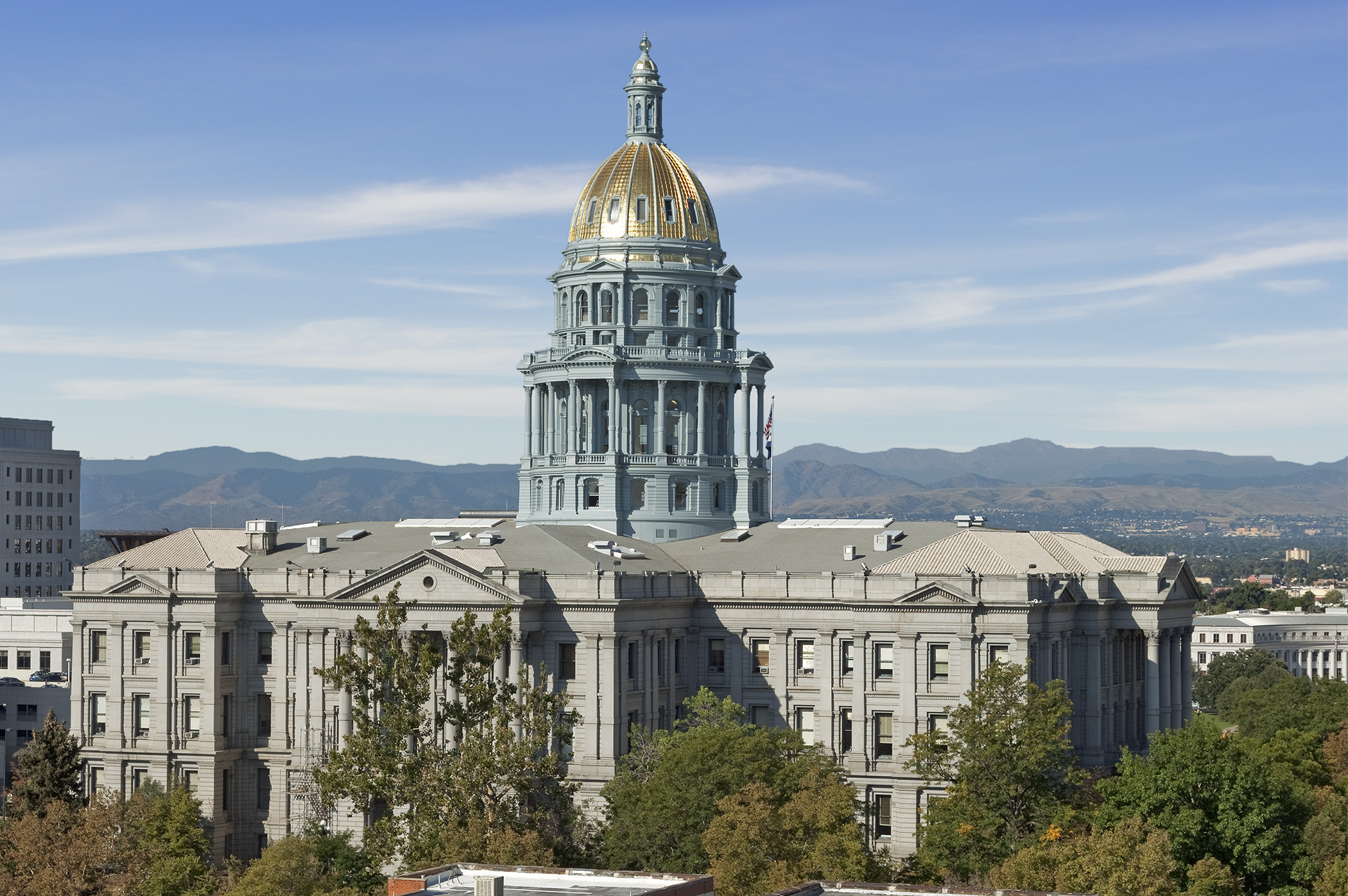
The Colorado State Capitol stands as a majestic symbol of the Centennial State, a testament to its rich history, democratic governance, and architectural grandeur. Perched atop a hill overlooking downtown Denver, this iconic building is more than just a seat of government; it is a significant landmark and a destination for those seeking to understand the heart of Colorado. Its distinctive gold dome glitters in the sunlight, visible from miles around, beckoning visitors to explore its hallowed halls and learn about the state’s past and present.
A Beacon of Democracy and History
The Colorado State Capitol building in Denver is the operational center for the legislative and executive branches of Colorado’s government. It houses the chambers of the Colorado General Assembly, the offices of the Governor, Lieutenant Governor, and other state officials. The history of its construction is as compelling as its role today. In 1881, after extensive debate and planning, construction began on the capitol building. The site was chosen for its commanding views and its symbolic elevation, reflecting the aspirations of a growing state.

Architectural Splendor and Design
The design of the Colorado State Capitol is a classic example of the Renaissance Revival architectural style. Architects Elijah E. Myers and Frank E. Edbrooke were instrumental in shaping its grand vision. The building is constructed primarily of Colorado granite and sandstone, sourced from quarries within the state, emphasizing a deep connection to the land it represents.
The Iconic Gold Dome
Perhaps the most recognizable feature of the Colorado State Capitol is its magnificent gold dome. Originally, the dome was covered in copper. However, in 1909, a decision was made to gild it with real gold leaf. This ambitious undertaking was completed in stages over several years, culminating in a dazzling spectacle that has become synonymous with the Denver skyline. The gold not only signifies the state’s mineral wealth, particularly its historical gold rushes, but also elevates the building to a truly regal status. The dome is capped with a gilded copper statue of “The Pioneer,” representing the spirit of those who settled and developed Colorado.
Interior Grandeur
The interior of the capitol building is equally impressive. Visitors are greeted by ornate detailing, soaring ceilings, and an abundance of natural light. The halls are adorned with murals and artwork that depict significant moments and figures in Colorado’s history. The legislative chambers themselves are designed for grandeur and functionality, reflecting the seriousness of the democratic processes that unfold within them.
A Monumental Undertaking: Construction and Completion
The construction of the Colorado State Capitol was a massive project that spanned over two decades. Various stages of construction were impacted by funding challenges and evolving architectural plans. The main building was largely completed by 1900, but the dome and interior finishing work continued for several more years. The dedication ceremony was held in 1901, officially marking the opening of this monumental structure.
Exploring the Colorado State Capitol
The Colorado State Capitol is not just a governmental building; it is a living museum and a popular tourist attraction. Guided tours are available and highly recommended for anyone wishing to delve deeper into its history, architecture, and significance. These tours offer invaluable insights that might otherwise be missed by the casual visitor.
Guided Tours and What to Expect
Free guided tours are offered by trained docents who share captivating stories about the building’s past, the individuals who shaped it, and the functions it serves today. Tours typically last about an hour and provide access to many of the public areas, including the legislative chambers, the Hall of Flags, and the Rotunda. Visitors can learn about the process of state government, admire the intricate details of the architecture, and gain a deeper appreciation for the history of Colorado.
Key Areas of Interest on a Tour
- The Rotunda: The central Rotunda, located beneath the gold dome, is a breathtaking space. Here, visitors can marvel at the intricate mosaic flooring, the soaring architecture, and the panoramic views of the city from the windows. Murals depicting scenes from Colorado’s history line the walls.
- The Hall of Flags: This impressive hall showcases the flags of all the states in the United States and various military flags significant to Colorado’s history. It serves as a solemn reminder of the state’s place within the nation.
- Legislative Chambers: Tours often include a glimpse into the chambers of the Colorado House of Representatives and the Colorado Senate. While access to the chambers themselves may vary depending on legislative sessions, visitors can often view them from the galleries and learn about the lawmaking process.
- The Governor’s Office: Depending on availability and ongoing governmental activities, tours may offer a view into the Governor’s office or the surrounding administrative areas.
Self-Guided Exploration
While guided tours provide the most comprehensive experience, visitors can also explore some areas of the Colorado State Capitol on their own. The ground floor and public hallways offer numerous points of interest, including historical displays, artwork, and informational placards that detail the building’s rich heritage. Access to certain areas may be restricted at times, so it’s always advisable to check the official Colorado State Capitol website for the most up-to-date information on visitor access and tour schedules.
The Capitol’s Significance Beyond Government
The Colorado State Capitol holds a profound significance for the residents of Colorado and for visitors alike. It is a tangible link to the state’s past, a symbol of its present governance, and an aspirational landmark for its future.
A Symbol of Colorado’s Identity
The building’s prominence on the Denver skyline, crowned by its gleaming gold dome, makes it an indelible symbol of the state. It represents the aspiration, resilience, and forward-thinking spirit that has defined Colorado since its inception. The use of local materials in its construction further solidifies its connection to the state’s identity and its natural resources.
A Hub for Public Engagement
Beyond its governmental functions, the Colorado State Capitol serves as a venue for public discourse and engagement. It is a place where citizens can witness democracy in action, attend public hearings, and feel a sense of connection to their government. The building’s accessibility to the public reinforces its role as a cornerstone of democratic life in Colorado.
A Historic Landmark and Educational Resource
As a designated historic landmark, the Colorado State Capitol is a vital educational resource. Students, historians, and tourists are drawn to its halls to learn about the evolution of the state, the principles of governance, and the architectural achievements of its era. The building’s ongoing preservation efforts ensure that its story can be told for generations to come.
Visiting the Colorado State Capitol
Planning a visit to the Colorado State Capitol is a rewarding experience for anyone interested in history, architecture, or the workings of government. Its central location in Denver makes it easily accessible, and its status as a landmark ensures it’s a must-see destination.
Location and Accessibility
The Colorado State Capitol is located at 200 East Colfax Avenue, Denver, CO 80203. It is situated in the heart of downtown Denver, offering spectacular views of the Rocky Mountains to the west. The building is accessible via public transportation, including RTD buses and light rail, and there are parking garages available in the vicinity.
Navigating the Capitol Grounds
Visitors should be aware that the Colorado State Capitol is an active government building. Security measures are in place, and visitors may be subject to screening. The building is generally open to the public during business hours, but specific access to certain areas may be restricted during legislative sessions or for security reasons. It is advisable to check the official website for the most current visitor information, including hours of operation and tour availability.
Nearby Attractions and Things to Do
The Colorado State Capitol is surrounded by many other attractions that make it a fantastic starting point for exploring Denver. Within walking distance, visitors can find:
- Civic Center Park: Adjacent to the capitol, this expansive park features beautiful landscaping, fountains, and several other significant public buildings and cultural institutions.
- Denver Art Museum: Located just a short walk from the capitol, the Denver Art Museum houses an impressive collection of art from around the world.
- Colorado History Museum: For those seeking to deepen their understanding of the state’s past, the Colorado History Museum offers engaging exhibits.
- United States Mint: The Denver Mint offers tours where visitors can see coins being made.

Planning Your Visit
To make the most of a visit to the Colorado State Capitol, it’s recommended to:
- Check the official website: For current tour schedules, visitor hours, and any special events.
- Allow ample time: To explore the building and its surroundings. A guided tour combined with self-exploration can easily take a few hours.
- Wear comfortable shoes: As there will be a fair amount of walking.
- Be prepared for security: Similar to visiting any government building.
The Colorado State Capitol stands as a magnificent testament to Colorado’s heritage and its democratic spirit, offering a compelling glimpse into the state’s past, present, and future.
LifeOutOfTheBox is a participant in the Amazon Services LLC Associates Program, an affiliate advertising program designed to provide a means for sites to earn advertising fees by advertising and linking to Amazon.com. Amazon, the Amazon logo, AmazonSupply, and the AmazonSupply logo are trademarks of Amazon.com, Inc. or its affiliates. As an Amazon Associate we earn affiliate commissions from qualifying purchases.