
Understanding the rhythm and structure of the Texas Legislature is crucial for anyone interested in the state’s governance, policymaking, and indeed, for those planning visits to Austin during legislative periods. The Texas Legislature, like many state legislatures, operates under a defined schedule, with its primary focus being the “regular session.” This period is when the bulk of legislative work—bill drafting, committee hearings, floor debates, and voting—takes place. The duration of this session is not arbitrary; it’s constitutionally mandated and significantly impacts the flow of legislation and, by extension, the state’s tourism and business landscape.

The Constitutional Framework of the Texas Legislature
The Texas Constitution, a foundational document for the state’s governmental structure, dictates the operational parameters of its legislative branch. Article III outlines the composition, powers, and procedural rules of the Legislature. A key aspect of this framework is the scheduling of its sessions. Unlike some states that have annual or even continuous legislative sessions, Texas operates on a biennial model. This means the Legislature convenes for its regular session only once every two years.
Biennial Sessions and Their Implications
The biennial nature of the Texas Legislature’s regular session has profound implications. It necessitates a concentrated period of legislative activity every two years, requiring legislators and staff to prepare extensively in the intervening months. This schedule also means that policy priorities must be addressed within a specific timeframe, and any urgent matters arising between sessions are typically handled through special sessions, which are called by the Governor. For those involved in lobbying, advocacy, or even simply observing the legislative process, understanding this biennial cycle is fundamental. It shapes the legislative agenda, the intensity of debates, and the potential for new laws to be enacted. The economic and social fabric of Texas is directly influenced by the decisions made during these critical periods.
Duration of the Regular Session
The Texas Constitution clearly defines the length of the regular session. It is set to convene on the second Tuesday in January of each odd-numbered year. The session is then limited to a specific number of days.
The 140-Day Limit
The regular session of the Texas Legislature is constitutionally limited to 140 days. This 140-day period begins on the second Tuesday in January of each odd-numbered year and runs until the Legislature adjourns sine die (meaning indefinitely, without a day appointed for reconsideration). This fixed duration means that legislators must work efficiently to consider and pass legislation. The intensity of activity often increases as the end of the session approaches, leading to late-night debates and hurried votes. For observers, it means there is a defined window to witness the legislative process in action, which can be a unique experience for those interested in state politics and governance. The focus during these 140 days is on a wide range of issues, from budget appropriations to education reform, criminal justice, and environmental regulations.
Strategic Planning and Bill Prioritization
The 140-day limit necessitates meticulous strategic planning. Legislators and their staff must prioritize which bills to introduce and advance. Complex legislation, or bills with significant fiscal implications, require considerable time for committee review, public hearings, and floor deliberation. The limited time frame also encourages compromise and negotiation, as the session’s end draws near. Bills that do not gain sufficient traction or face significant opposition are often set aside, a common occurrence known as “dying in committee” or “dying on the calendar.” This strategic approach to bill management is a hallmark of the Texas legislative process, driven by the constitutional constraint on session length.
Special Sessions: An Extension of Legislative Power
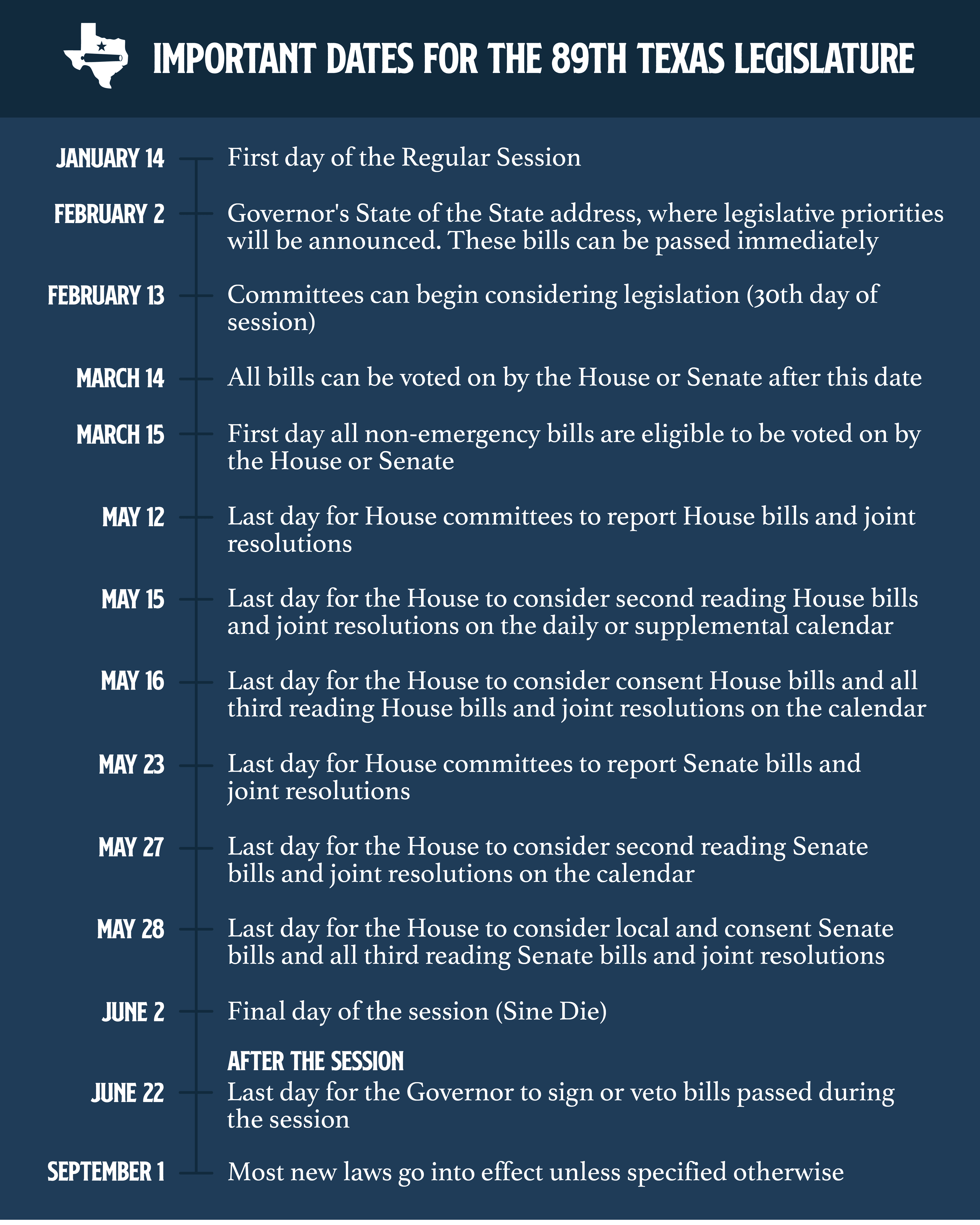
While the regular session is constitutionally defined, the Governor of Texas holds the power to convene special sessions. These sessions are not part of the regular 140-day period and serve to address specific issues that require legislative attention outside the scheduled biennial meeting.
The Governor’s Call and Scope
A special session is called by the Governor, who sets the agenda. The Legislature can only consider legislation related to the topics specified in the Governor’s proclamation. This means that if the Governor calls a special session to address property tax reform, for instance, the Legislature cannot then vote on education bills unless they are also included in the Governor’s call. Special sessions are limited in duration, typically to a maximum of 30 days. They are often politically charged, as they are initiated by the executive branch and focus on the Governor’s priorities. For those interested in the full spectrum of legislative activity, understanding the role and constraints of special sessions is as important as understanding the regular session.
Impact on Tourism and Business
The timing of both regular and special sessions can have a tangible impact on Austin, the seat of Texas government. During regular sessions, particularly as deadlines loom, the city experiences an influx of lobbyists, constituents, and interested parties. This increased activity can affect hotel bookings, restaurant patronage, and the general atmosphere of the city. Similarly, special sessions can create unexpected surges in visitor numbers. For businesses and tourists alike, being aware of the legislative calendar can help in planning travel to Austin, whether to engage with the legislative process or simply to enjoy the city’s offerings without the added complexity of a legislative session. Hotels like the Drury Plaza Hotel or the JW Marriott Austin often see increased occupancy during these periods. The Texas State Capitol building itself becomes a hub of activity, with public tours and committee meetings drawing attention.
Experiencing the Texas Legislature
For citizens and visitors alike, the legislative sessions offer a unique opportunity to engage with the democratic process. Whether you are a political enthusiast, a student of governance, or simply a curious resident of Texas, understanding the session’s length and rhythm provides context for the state’s ongoing policy discussions.
Visiting the Capitol
During the regular session, the Texas State Capitol in Austin is a hive of activity. Visitors can observe floor debates from the gallery, attend committee hearings that are open to the public, and tour the historic building. The 140-day period provides ample opportunity to witness firsthand the legislative process in action. It’s a chance to see how bills are introduced, debated, and potentially passed into law. The legislative chambers themselves, adorned with impressive architecture and rich historical significance, offer a captivating backdrop to the unfolding political drama. Many hotels in the downtown Austin area, such as the Omni Austin Hotel or the Hotel Van Zandt, are conveniently located for those wishing to visit the Capitol.
Engaging with the Process
Understanding that the Texas Legislature meets for 140 days every two years, starting in January of odd-numbered years, allows for more informed engagement. Constituents can plan to meet with their representatives during this period to discuss issues important to them. Lobbyists and advocacy groups also time their efforts to coincide with the session. Even for those not directly involved, following legislative news and developments provides insight into the direction Texas is heading. The concentration of legislative work within this defined period means that public discourse and media coverage often intensify, making it an exciting time to follow state politics.
Conclusion: A Predictable yet Dynamic Cycle
The regular session of the Texas Legislature, with its constitutionally defined 140-day limit every two years, provides a predictable framework for governance. However, within this structure, the process is dynamic and often intense, especially as the session’s end approaches. The Governor’s power to call special sessions adds another layer of complexity and potential legislative action outside the regular schedule. For anyone with an interest in Texas politics, policy, or the general workings of state government, grasping the timing and duration of these legislative sessions is fundamental to understanding how the state operates and evolves. The period from the second Tuesday in January of an odd-numbered year for 140 days is when the most significant legislative developments typically occur, shaping the future of the Lone Star State.
LifeOutOfTheBox is a participant in the Amazon Services LLC Associates Program, an affiliate advertising program designed to provide a means for sites to earn advertising fees by advertising and linking to Amazon.com. Amazon, the Amazon logo, AmazonSupply, and the AmazonSupply logo are trademarks of Amazon.com, Inc. or its affiliates. As an Amazon Associate we earn affiliate commissions from qualifying purchases.