
Becoming a foster parent is a profound and rewarding journey, offering a chance to provide a stable, nurturing, and loving environment for children in need. In Texas, the path to becoming a licensed foster parent involves a series of steps designed to ensure the safety and well-being of every child entering the foster care system. This guide aims to illuminate that path, offering insights and practical advice for aspiring foster parents across the Lone Star State.
Understanding the Foster Care System in Texas
The foster care system in Texas is overseen by Texas Department of Family and Protective Services (DFPS), often working in conjunction with various licensed child-placing agencies. The primary goal is to reunite children with their biological families whenever safely possible. Foster care serves as a temporary solution, providing a safe haven and essential support services during a challenging period for both the child and their family.
The Role of a Foster Parent
Foster parents are more than just caregivers; they are vital partners in a child’s journey toward stability and healing. They provide:
- A Safe and Stable Home: This includes a dedicated space for the child, nutritious meals, appropriate clothing, and a consistent daily routine.
- Emotional Support: Foster parents offer unconditional love, understanding, and encouragement, helping children navigate trauma, loss, and adjustment. This involves active listening, patience, and a commitment to building trust.
- Guidance and Discipline: Providing structure and appropriate discipline, while always maintaining a focus on positive reinforcement and the child’s developmental needs.
- Support for Reunification Efforts: Cooperating with caseworkers, therapists, and biological parents to facilitate safe and timely reunification, if deemed appropriate by the courts.
- Advocacy: Acting as a voice for the child, ensuring their educational, medical, and emotional needs are met within the system.
Types of Foster Care Placements
Texas offers various types of foster care placements to meet the diverse needs of children:
- Traditional Foster Care: This is the most common type, providing temporary care for children who have been removed from their homes due to abuse, neglect, or abandonment.
- Respite Care: Short-term care provided to give a break to regular foster parents or biological families. This is crucial for preventing burnout and ensuring consistent, high-quality care.
- Treatment Foster Care: For children with significant medical, emotional, or behavioral challenges, requiring specialized care and therapeutic interventions. These foster parents receive additional training and support.
- Kinship Care: Placement with relatives or close family friends. While often preferred, these caregivers may still need to meet certain licensing requirements.
The Requirements for Becoming a Foster Parent in Texas
Prospective foster parents in Texas must meet specific criteria to ensure they are prepared and capable of providing a safe and nurturing environment. These requirements are in place to protect the children in the foster care system.
General Eligibility Criteria
While specific requirements can vary slightly between agencies, the core eligibility criteria generally include:
- Age: Applicants must be at least 21 years old.
- Marital Status: Single individuals, married couples, and unmarried couples can all apply. The focus is on the stability of the household, not solely on marital status.
- Citizenship/Residency: Applicants must be legal residents of the United States.
- Health and Fitness: Applicants must be in good physical and mental health. A medical examination is typically required.
- Financial Stability: While foster parents receive a stipend to help cover the child’s expenses, they must demonstrate sufficient income to support their own household without relying on the stipend.
- Criminal Background Checks: All adults living in the home, including applicants and other residents, must undergo thorough criminal background checks, including fingerprinting. Any history of child abuse, neglect, or certain other serious crimes will disqualify an applicant.
- Substance Abuse: Applicants must be free from substance abuse issues.
Home Environment and Safety Standards
The physical environment of the home is critical for child safety and well-being. Prospective foster homes are inspected to ensure they meet safety standards. This includes:
- Adequate Space: Each child should have their own sleeping space, or share a room with a sibling of the same gender. The home must be free of overcrowding.
- Safety Features: Smoke detectors, carbon monoxide detectors, and fire extinguishers are mandatory. Childproofing measures, such as secure windows, gates for stairs, and safe storage of medications and cleaning supplies, are assessed.
- Outdoor Safety: Yards must be secure, with functioning fences if necessary, and free from hazards.
- Pet Vaccinations and Temperament: If pets are present, they must be up-to-date on vaccinations and have a temperament suitable for living with children.
Emotional and Psychological Preparedness
Beyond the practical requirements, foster parents must be emotionally prepared for the unique challenges and rewards of fostering. This includes:
- Understanding of Trauma: A willingness to learn about the impact of trauma on children and to adapt parenting strategies accordingly.
- Patience and Flexibility: Foster care often involves unpredictable situations and children who may exhibit challenging behaviors due to their experiences.
- Commitment to the Child’s Best Interest: The primary focus must always be on the child’s well-being, even when it requires personal sacrifice or difficult decisions.
- Ability to Work with the System: Foster parents must be willing to collaborate with caseworkers, therapists, school personnel, and sometimes biological families.

The Foster Parent Training and Application Process
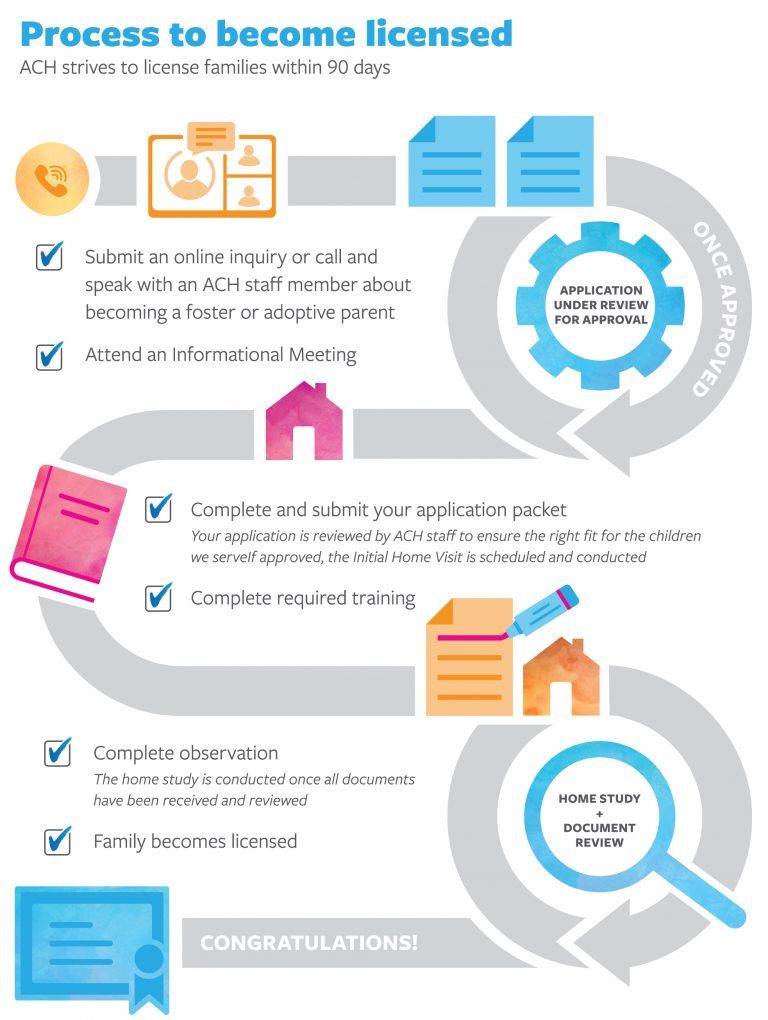
The journey to becoming a licensed foster parent in Texas involves a comprehensive application process and mandatory training. This structured approach ensures that prospective parents are well-informed and equipped for the role.
Steps in the Application Process
- Inquiry and Information Session: The first step is usually to contact a Texas licensed child-placing agency or the DFPS to express interest. They will provide initial information and often schedule an orientation or information session.
- Application Submission: A detailed application form will be provided, requiring personal information, references, and a history of your life experiences.
- Background Checks: As mentioned, comprehensive background checks are conducted for all adults in the household.
- Home Study: This is a critical component where a licensed social worker or caseworker will visit your home multiple times. They will assess the physical environment for safety and also conduct interviews to understand your motivations, parenting style, support system, and readiness for fostering. This process helps the agency determine your suitability and what types of children would be the best fit for your home.
- References: You will need to provide personal references who can attest to your character and suitability as a caregiver.
Foster Parent Training (PRIDE or Similar Programs)
Texas requires prospective foster parents to complete a training program designed to prepare them for the realities of foster care. The most common program is the Parents’ Resources for Information, Development, and Education (PRIDE) training, or similar agency-specific curricula. This training typically covers:
- Understanding the Child Welfare System: Details about the legal framework, the roles of various professionals, and the permanency planning process.
- Child Development and Trauma-Informed Care: How trauma impacts children, effective strategies for supporting children who have experienced abuse and neglect, and understanding developmental stages.
- Behavior Management and Discipline: Positive discipline techniques, strategies for managing challenging behaviors, and de-escalation methods.
- Attachment and Separation: Helping children build secure attachments and navigate the grief and loss associated with separation from their biological families.
- Health and Medical Needs: Understanding common medical issues, medication management, and advocating for the child’s healthcare needs.
- Working with Biological Families: Strategies for fostering positive and collaborative relationships with birth parents when appropriate.
- The Foster Care Experience: Emotional aspects of fostering, self-care for foster parents, and maintaining healthy boundaries.
The training is usually conducted in a group setting, allowing for peer support and shared learning experiences. It is an intensive program, typically spanning several weeks.
Approval and Placement
Once the home study is successfully completed and the training requirements are met, the agency will review your application and home study. If approved, your profile will be presented to the DFPS or agency as a potential placement for a child. Placement depends on the needs of children currently in care and your readiness and capacity to meet those needs.
Support and Resources for Foster Parents in Texas
The journey of foster parenting is not undertaken alone. Texas offers a robust network of support and resources to assist foster parents throughout their experience.
Financial Support and Stipends
Foster parents receive a monthly stipend to help cover the costs associated with caring for a foster child. The amount of the stipend varies based on the child’s age and specific needs (e.g., medical conditions requiring specialized care). This stipend is intended to help with food, clothing, housing, and other essential expenses.
Medical and Dental Coverage
Foster children in Texas are typically covered by Medicaid or a similar state-provided health insurance program, which covers medical, dental, and vision care. Foster parents are responsible for ensuring the child receives regular check-ups and seeks necessary medical attention.
Emotional and Practical Support
- Caseworker Support: Each foster family is assigned a caseworker who provides ongoing support, guidance, and advocacy. They are the primary point of contact for navigating the system, addressing challenges, and coordinating services.
- Agency Resources: Licensed child-placing agencies offer ongoing training, support groups, and often have dedicated staff available to assist foster parents.
- Therapeutic Services: Foster parents have access to therapeutic services for the children in their care, including counseling and specialized therapies, to address emotional and behavioral needs.
- Foster Parent Associations: Organizations like the Texas Foster Care Association and local support groups provide a valuable network for connecting with other foster parents, sharing experiences, and advocating for the foster care community.
- Respite Care: Access to respite care services is crucial for foster parents to take breaks, recharge, and prevent burnout. Agencies can help arrange for temporary care.
Ongoing Training and Development
The DFPS and child-placing agencies require foster parents to complete ongoing training hours annually. This continuing education ensures that foster parents stay updated on best practices, new policies, and specialized training to better serve the diverse needs of children in care. Topics might include trauma-informed care advancements, specific therapeutic interventions, or navigating the legal aspects of foster care.
Becoming a foster parent in Texas is a commitment that requires dedication, resilience, and a deep well of compassion. By understanding the process, meeting the requirements, and leveraging the available support systems, aspiring foster parents can embark on this transformative journey, making a profound and lasting difference in the lives of children.
LifeOutOfTheBox is a participant in the Amazon Services LLC Associates Program, an affiliate advertising program designed to provide a means for sites to earn advertising fees by advertising and linking to Amazon.com. Amazon, the Amazon logo, AmazonSupply, and the AmazonSupply logo are trademarks of Amazon.com, Inc. or its affiliates. As an Amazon Associate we earn affiliate commissions from qualifying purchases.