
Navigating the educational landscape of Texas involves understanding a crucial element for students and their families: attendance policies. While the title “How Many Absences Are Allowed In Texas?” might seem straightforward, the reality is nuanced, deeply rooted in state law, and further refined by local school district policies. This article delves into the intricacies of Texas attendance requirements, providing clarity for parents, guardians, and students seeking to maintain academic progress and avoid potential pitfalls. The core of the matter lies not in a universal number of permissible absences, but in the concept of “days of instruction” and the legal frameworks that govern them.

Understanding Texas Compulsory Attendance Laws
At the heart of Texas education policy is the principle of compulsory attendance. The state mandates that children between the ages of 6 and 18 must attend school. This requirement is designed to ensure that all children receive a fundamental education. However, the law also recognizes that life circumstances can lead to absences. The key distinction lies between excused and unexcused absences, and the impact of accumulating too many of either.
The Legal Framework: Texas Education Agency (TEA) Guidelines
The Texas Education Agency (TEA) provides the overarching guidelines for attendance. While the TEA sets broad parameters, it empowers local school districts to implement specific policies, which can vary. Therefore, the answer to “how many absences are allowed” is not a single number for the entire state but rather a range dictated by these local policies, always within the bounds of state law.
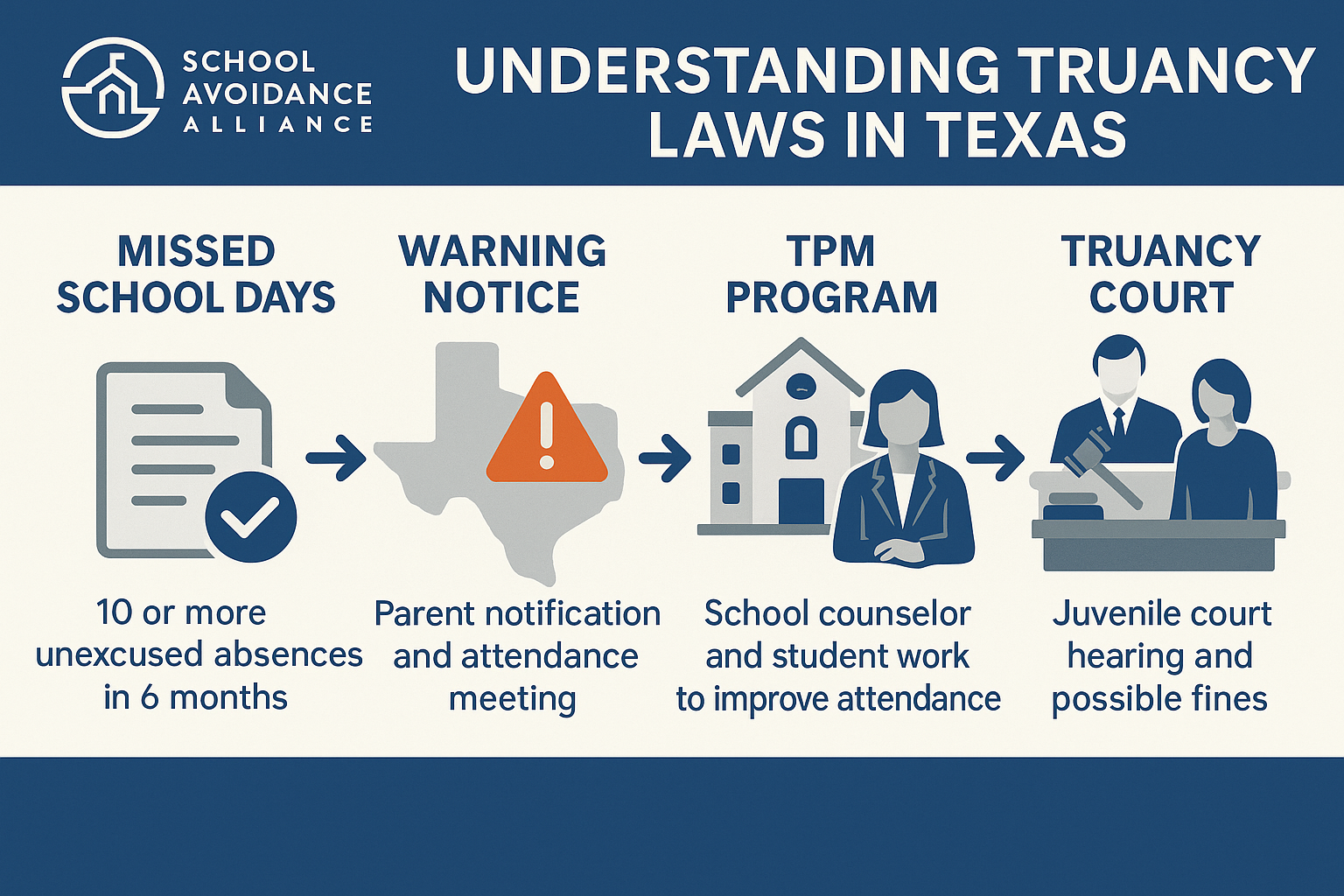
The fundamental principle is that students are expected to attend school regularly. State law defines what constitutes a “truant child,” which can have legal implications for both the student and the parent or guardian. A child is considered truant if they accumulate three or more unexcused absences in a month or ten or more unexcused absences over a six-month period. This highlights that the focus is heavily on unexcused absences.
The Role of Excused Absences
Texas law and most school district policies differentiate between excused and unexcused absences. Excused absences are typically for valid reasons, such as:
- Illness: A doctor’s note is often required for extended absences due to sickness.
- Medical Appointments: Scheduled appointments with physicians, dentists, or other healthcare providers.
- Family Emergencies: Unforeseen events that require the student’s presence.
- Religious Observances: Days designated for religious holidays.
- Court Appearances: Legal obligations that necessitate a student’s absence.
- Extracurricular Activities: Participation in approved school-sponsored events, provided proper procedures are followed.
It is crucial for parents and guardians to promptly communicate with the school and provide necessary documentation for any absence to have it officially marked as excused. Failure to do so can result in an absence being classified as unexcused, regardless of the underlying reason.
School District Policies and Attendance Requirements
While state law sets the foundation, individual school districts in Texas craft their attendance policies. These policies often translate the state’s truancy definitions into specific attendance targets and notification procedures.
The “Days of Instruction” Concept
Texas school districts are required to provide a minimum number of instructional days per school year. The exact number can fluctuate slightly year to year based on legislative changes and district calendar planning, but it generally hovers around 180 instructional days. The focus on “days of instruction” means that the absence policies are geared towards ensuring students receive the prescribed amount of learning time.
Common Policy Variations Across Districts
While no single number applies statewide, common threads emerge in district policies:
- Notification Requirements: Districts will specify how and when parents must notify the school of an absence. This usually involves a phone call, email, or written note within a set timeframe (e.g., 24-48 hours of the student’s return).
- Documentation for Excused Absences: For absences exceeding a certain number of consecutive days, or for specific reasons like illness, districts often require a doctor’s note or other official documentation.
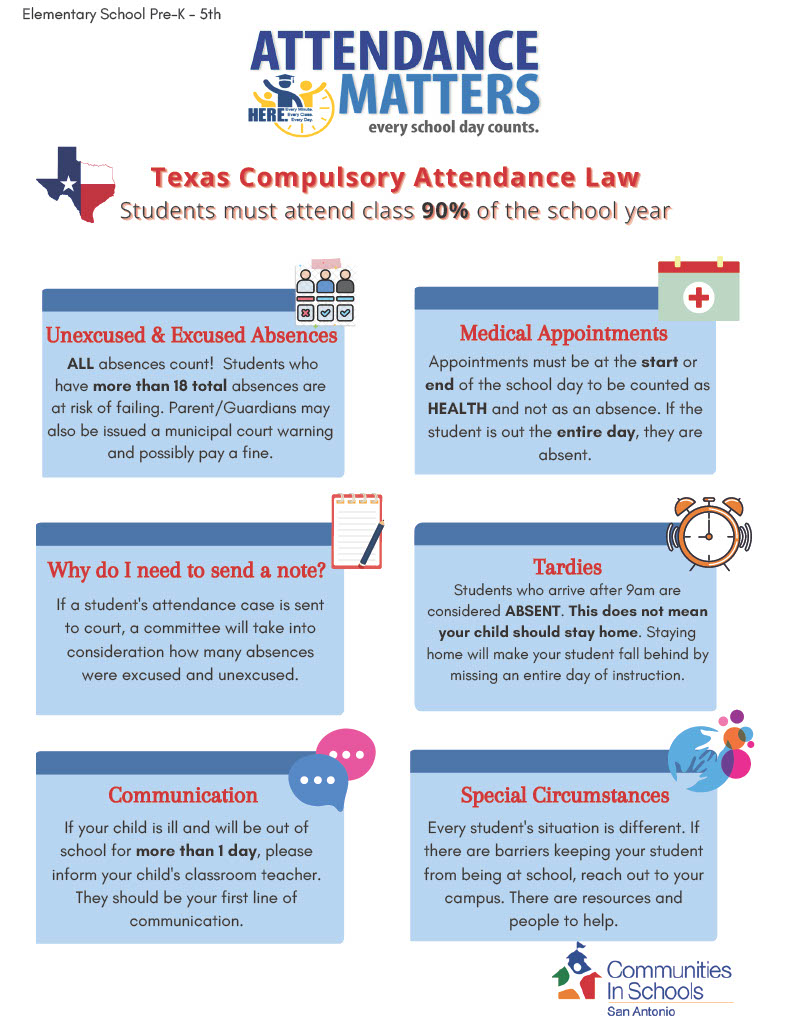
- Attendance Thresholds: While truancy laws focus on unexcused absences, districts may have internal policies regarding the total number of absences (excused and unexcused) that could trigger a review or intervention. For example, some districts might flag a student if they miss more than 10% of the school year, regardless of the reason for absence, to ensure academic progress is not significantly hampered.
- Make-up Work Policies: Districts will outline how students can make up missed instructional time and assignments. This is critical for students who have been absent for legitimate reasons and are trying to catch up.
Navigating Local Policies for Specific Districts
To get a definitive answer for a particular student, it is imperative to consult the official attendance policy of their specific school district. These policies are typically found on the district’s website, in student handbooks, or can be obtained by contacting the school’s administrative office.
For instance, a student attending school in Dallas Independent School District might have slightly different procedural requirements than a student in Houston Independent School District. However, both will adhere to the overarching state laws regarding compulsory attendance and truancy.
Consequences of Excessive Absences
The consequences of unexcused absences, and to some extent, excessive excused absences, can be significant. These consequences are designed to encourage consistent school attendance and ensure students are not falling behind academically.
Academic Impact
The most immediate impact of absences is on a student’s academic performance. Missed instruction means missed learning opportunities. Teachers may not be able to reteach material for every absent student, and catching up can be challenging. This can lead to:
- Lower grades
- Difficulty understanding new concepts
- Inability to complete assignments and projects
- Failure to pass courses
Truancy and Legal Ramifications
As mentioned, Texas law has specific definitions and consequences for truancy. If a student is deemed truant, the following can occur:
- Court Intervention: For persistent truancy, a student and their parents can be summoned to truancy court.
- Legal Penalties: Parents can face fines and other legal penalties for failing to ensure their child’s regular attendance.
- Impact on Driving Privileges: In some cases, a student’s inability to meet attendance requirements can affect their eligibility to obtain a learner’s permit or driver’s license in Texas. This is a significant motivator for older students.
School-Level Interventions
Schools often have their own tiered intervention strategies for students with attendance issues, even if they haven’t reached the legal definition of truancy. These can include:
- Attendance Improvement Plans: Developing a personalized plan with the student and family to address the reasons for absence.
- Parent-Teacher Conferences: Meetings to discuss attendance concerns and strategies.
- Counseling Services: Providing support to students who may be experiencing challenges at school or at home that contribute to their absences.
- Loss of Privileges: Some schools may restrict participation in extracurricular activities or other school privileges for students with poor attendance.
Strategies for Managing Student Absences
Proactive management of student absences is key to academic success and avoiding potential complications. Both parents and schools play a vital role in this process.
Parental Responsibility and Communication
Parents and guardians are the first line of defense in ensuring consistent attendance. Key responsibilities include:
- Prioritizing Attendance: Making school attendance a top priority and instilling its importance in children.
- Monitoring Attendance: Regularly checking attendance records through the school’s online portal or by communicating with the school.
- Prompt Communication: Notifying the school immediately and providing necessary documentation for any absence.
- Planning for Absences: Scheduling non-urgent medical appointments outside of school hours whenever possible.
- Addressing Underlying Issues: If a child is frequently absent due to illness, bullying, or academic struggles, parents should work with the school to address these root causes.
School Support Systems
Schools are equipped with resources to support students and families facing attendance challenges. These can include:
- Attendance Clerks and Counselors: Designated staff members who track attendance, communicate with families, and provide support.
- Early Warning Systems: Identifying students who are beginning to show patterns of absenteeism to intervene before the situation escalates.
- Partnerships with Community Resources: Connecting families with external support services if needed.
- Flexible Make-up Work Policies: Offering reasonable opportunities for students to catch up on missed learning.
The Nuance of “Allowed Absences”
In conclusion, the question “How Many Absences Are Allowed In Texas?” does not have a simple numerical answer that applies universally. The answer is a complex interplay of state law, local district policies, and the distinction between excused and unexcused absences.
The primary focus of Texas attendance laws is to ensure students receive a consistent education and to identify and address truancy. While a certain number of excused absences are generally understood as permissible due to unavoidable circumstances, the accumulation of unexcused absences carries significant consequences. For parents and students, the most effective approach is to understand the specific policies of their local school district, maintain open communication with school administrators, and prioritize regular school attendance to maximize the educational experience and opportunities available to every child in the Lone Star State.
LifeOutOfTheBox is a participant in the Amazon Services LLC Associates Program, an affiliate advertising program designed to provide a means for sites to earn advertising fees by advertising and linking to Amazon.com. Amazon, the Amazon logo, AmazonSupply, and the AmazonSupply logo are trademarks of Amazon.com, Inc. or its affiliates. As an Amazon Associate we earn affiliate commissions from qualifying purchases.