
Navigating the landscape of housing assistance in Texas can seem daunting, but understanding the available programs and application processes is the first step toward securing stable and affordable accommodation. This guide aims to demystify the journey, providing a clear roadmap for individuals and families seeking support. While the ultimate goal is housing, the focus here is on the broader concept of “Accommodation” – encompassing the various avenues and considerations for obtaining a place to live, whether it’s long-term rental support, transitional housing, or understanding the broader housing market dynamics that housing assistance aims to influence.
Understanding Texas Housing Assistance Programs
Texas offers a diverse range of housing assistance programs, each designed to meet specific needs and eligibility criteria. These programs are primarily administered through federal, state, and local agencies, often in partnership with non-profit organizations. Familiarizing yourself with these key programs is crucial before embarking on the application process.
Federal Programs Administered in Texas
Several vital federal programs are cornerstones of housing assistance nationwide and are actively implemented within Texas. These programs often address affordability and provide subsidies to help low-income individuals and families secure housing.
Housing Choice Voucher Program (Section 8)
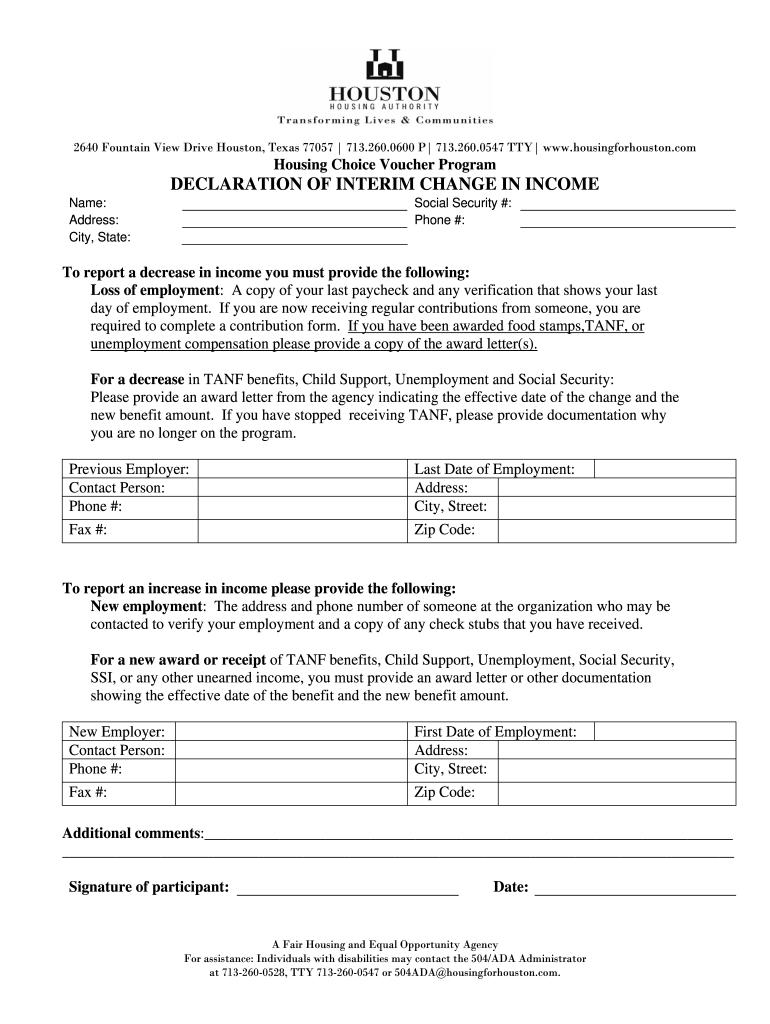
The Housing Choice Voucher Program, often referred to as Section 8, is perhaps the most well-known federal housing assistance program. Administered by local Public Housing Agencies (PHAs), this program provides vouchers that can be used to rent housing in the private market. Recipients typically pay no more than 30% of their adjusted income towards rent, with the PHA subsidizing the remainder.
- Eligibility: Eligibility for the Housing Choice Voucher Program is based on income, family size, and citizenship or eligible immigration status. Income limits vary by location and are set by the U.S. Department of Housing and Urban Development (HUD).
- Application Process: Applications are usually accepted through local PHAs. Waiting lists can be long, so it’s advisable to apply as soon as possible once you meet the eligibility requirements. Some PHAs have online application portals, while others require in-person or mail-in applications.
- Finding Housing: Once approved for a voucher, participants are responsible for finding suitable housing in the private market. Landlords must agree to rent to voucher holders, and the unit must meet HUD’s quality standards.
Public Housing
Public housing is a form of affordable housing developed and managed by PHAs. These are rental properties owned by a government agency. Residents pay rent based on a percentage of their income, similar to the voucher program.
- Availability: The availability of public housing units varies significantly by region. Some areas have extensive public housing developments, while others have limited options.
- Application: Applications for public housing are also handled by local PHAs. Waiting lists are common, and prospective tenants are typically placed on a list based on factors like income, family status, and urgency of need.
Other Federal Initiatives
Beyond the primary voucher and public housing programs, other federal initiatives may offer specialized housing support. These can include programs for homeless individuals, seniors, persons with disabilities, and veterans. Understanding the specific needs of your household will help you identify which of these specialized programs might be applicable.
State and Local Housing Initiatives
In addition to federal programs, Texas and its local municipalities often implement their own housing assistance programs or supplement federal efforts.
Texas Department of Housing and Community Affairs (TDHCA)
The Texas Department of Housing and Community Affairs (TDHCA) plays a crucial role in developing and preserving affordable housing across the state. TDHCA administers various programs, including those funded by federal grants and tax credits.
- Homeownership Assistance: TDHCA offers programs to assist first-time homebuyers with down payments and closing costs, making homeownership more accessible.
- Rental Assistance Programs: TDHCA also oversees programs that provide rental assistance and support for the development of affordable rental properties.
- State Housing Trust Fund: This fund supports housing initiatives that address critical needs, such as affordable housing for low-income families and individuals experiencing homelessness.
Local Housing Authorities and Non-Profits
Numerous local housing authorities and non-profit organizations across Texas provide direct housing assistance, counseling, and support services. These organizations often work closely with federal and state programs to deliver tailored solutions to their communities.
- Community Action Agencies: These agencies often offer a range of services, including housing assistance referrals, emergency rental assistance, and case management.
- Homeless Shelters and Transitional Housing Programs: For individuals and families experiencing homelessness, these programs provide immediate shelter and pathways to more stable housing solutions.
- Affordable Housing Developers: Many non-profit and for-profit developers focus on creating and managing affordable housing units. They may have their own application processes or work in conjunction with PHAs.
The Application Process: A Step-by-Step Guide
Applying for housing assistance requires organization, patience, and attention to detail. Following a structured approach can significantly streamline the process and increase your chances of success.
Step 1: Determine Your Eligibility

The first and most critical step is to ascertain which programs you are eligible for. This involves understanding income limits, household size requirements, and any specific demographic criteria (e.g., age, disability, veteran status).
- Gather Financial Information: You will need to collect documents related to your income, such as pay stubs, tax returns, social security statements, and any other proof of income.
- Identify Household Members: Compile a list of all individuals who will be residing in the household, along with their names, dates of birth, and relationship to the primary applicant.
- Review Program-Specific Criteria: Carefully read the eligibility guidelines for each program you are interested in. Websites of PHAs, TDHCA, and local housing organizations are excellent resources for this information.
Step 2: Locate and Contact Relevant Agencies
Once you have an idea of your eligibility, you need to identify the agencies that administer the programs.
- Public Housing Agencies (PHAs): Search for PHAs in the county or city where you wish to live. Most PHAs have websites with contact information and details on how to apply.
- Texas Department of Housing and Community Affairs (TDHCA): Visit the TDHCA website for information on state-administered programs and a directory of housing resources.
- Local Non-Profits and Community Organizations: Utilize online search engines or directories to find local organizations that provide housing assistance in your area.
Step 3: Complete and Submit Applications
Application forms can be lengthy and require accurate information. It is vital to complete them thoroughly and submit them by the stated deadlines.
- Online Portals: Many PHAs and housing organizations now offer online application systems, which can be the most efficient way to apply.
- Paper Applications: If paper applications are accepted, ensure you have the correct version and follow instructions for submission (mail, in-person drop-off).
- Required Documentation: Be prepared to submit supporting documents with your application, which may include proof of income, identification, birth certificates for all household members, and potentially letters of recommendation or eviction notices.
Step 4: Navigate Waiting Lists and Interviews
For many popular housing assistance programs, waiting lists are a reality. Patience is key.
- Waiting List Management: Understand how the waiting list works for the programs you’ve applied for. Some lists prioritize applicants based on need, while others are first-come, first-served.
- Interviews: You may be required to attend an interview with agency staff to discuss your application, verify information, and assess your needs. Be prepared to answer questions honestly and provide any requested documentation.
- Communication: Maintain open communication with the agencies you have applied to. Respond promptly to any requests for information and keep your contact details updated.
Step 5: Securing Housing and Ongoing Responsibilities
Once you are approved and have a voucher or are offered a unit, the final steps involve finding a suitable location and adhering to program rules.
- Finding a Suitable Property: If you have a voucher, you will need to find a landlord willing to accept it. Your PHA will provide guidelines on what constitutes an eligible property.
- Lease Agreements: Once a property is secured, a lease agreement will be signed. Ensure you understand all terms and conditions before signing.
- Program Compliance: Housing assistance programs have rules that recipients must follow to continue receiving support. These typically include reporting changes in income or household size, maintaining the property in good condition, and paying your portion of the rent on time. Failure to comply can result in the termination of assistance.
Tips for a Smooth Application Experience
Applying for housing assistance can be a complex process, but a few strategies can help make it more manageable.
Be Organized and Prepared
- Create a Housing Assistance Binder: Keep all your documents, application confirmations, contact information, and notes in one organized place. This will prevent lost paperwork and make it easy to retrieve information.
- Know Your Numbers: Have a clear understanding of your household income, expenses, and assets. This will help you accurately complete applications and discuss your financial situation.
Be Persistent and Proactive
- Follow Up Regularly: Don’t hesitate to follow up on your applications periodically. A polite inquiry can sometimes clarify your status or remind agencies of your application.
- Attend Information Sessions: Many agencies offer informational workshops or sessions for prospective applicants. These can be invaluable for understanding the programs and asking questions.
- Seek Assistance: If you are struggling with the application process, reach out for help. Many non-profit organizations offer free housing counseling services that can guide you through each step.
Understand the Nuances of Long-Term Accommodation
Housing assistance is a critical component of securing long-term accommodation for many Texans. While the immediate goal is securing a roof over one’s head, the broader implications extend to housing stability, community integration, and the ability to access essential services like education and employment. Programs aim to bridge the gap between income and housing costs, allowing individuals to invest in their futures rather than being solely consumed by basic shelter needs. Exploring resources beyond immediate assistance, such as financial literacy workshops or job training programs, can further enhance long-term housing security. The availability of affordable housing stock, whether through public housing developments, subsidized private rentals, or community land trusts, is also a significant factor in the overall accommodation landscape.
When considering long-term accommodation, it’s important to weigh factors beyond just affordability. The quality of the living environment, proximity to transportation and amenities, and the safety of the neighborhood all contribute to a stable and fulfilling living situation. Housing assistance programs, by making more desirable areas accessible, can significantly impact an individual’s quality of life and opportunities. Understanding the criteria for program continuation and the pathways to independence from subsidized housing can empower applicants to make informed decisions about their housing journey.

Conclusion
Securing housing assistance in Texas is a journey that requires careful planning, diligent effort, and a thorough understanding of the available resources. By familiarizing yourself with the various federal, state, and local programs, diligently preparing your application, and staying persistent throughout the process, you can significantly increase your chances of finding suitable and affordable accommodation. Remember that these programs are designed to support individuals and families in need, and seeking assistance is a proactive step towards a more stable and secure future.
LifeOutOfTheBox is a participant in the Amazon Services LLC Associates Program, an affiliate advertising program designed to provide a means for sites to earn advertising fees by advertising and linking to Amazon.com. Amazon, the Amazon logo, AmazonSupply, and the AmazonSupply logo are trademarks of Amazon.com, Inc. or its affiliates. As an Amazon Associate we earn affiliate commissions from qualifying purchases.