
Texas, a state renowned for its vast landscapes, rich history, and vibrant culture, draws millions of tourists annually. From the bustling metropolises of Houston and Dallas to the historic charm of San Antonio and the artistic allure of Austin, the Lone Star State offers a diverse range of experiences for every traveler. While exploring these iconic destinations, understanding the broader context of the state can enhance a visitor’s appreciation and planning. This article delves into a sensitive but relevant aspect of Texas life, examining the prevalence of gun violence incidents within the state. While not a direct tourist attraction or amenity, awareness of such issues can contribute to a traveler’s overall preparedness and informed perspective when visiting any locale.

Understanding Gun Violence Statistics in Texas
The topic of gun violence is complex and multifaceted, with statistics often varying depending on the source, methodology, and specific definitions used. For travelers, understanding these figures can provide a more nuanced picture of the state’s reality, allowing for more informed decisions and a deeper appreciation of the diverse communities within Texas. It is crucial to approach such data with a critical eye, recognizing that raw numbers do not always tell the full story but can serve as indicators of broader societal trends.
Sources and Definitions
When examining gun violence incidents in Texas, several key sources provide valuable data. Organizations like the Gun Violence Archive (GVA), a non-profit that tracks gun violence incidents across the United States, offer real-time, incident-level data. The GVA defines a gun violence incident as any event in which a firearm is discharged with the intent to injure or kill, or any incident where a firearm is brandished with the intent to threaten or intimidate. This includes homicides, suicides, accidental shootings, and mass shootings.
Another significant source of data comes from government agencies, such as the Centers for Disease Control and Prevention (CDC), which collects vital statistics on firearm-related deaths. However, the CDC’s data often reflects mortality rates and may not capture the full spectrum of non-fatal gun violence incidents as comprehensively as organizations like the GVA.
Trends and Patterns
Analyzing the data over time reveals certain trends and patterns in gun violence in Texas. It’s important to note that these trends can be influenced by a myriad of factors, including socioeconomic conditions, legislative changes, and community-based interventions. While definitive real-time numbers for any given day or month are difficult to ascertain definitively without real-time access to specific databases, yearly and aggregated data provides a substantial overview.
Historically, Texas has seen a significant number of firearm-related deaths and injuries. For instance, data from previous years has indicated that Texas often ranks among the states with the highest number of gun deaths, both in absolute numbers and per capita. These figures typically encompass a range of incidents, from individual acts of violence to larger-scale events.
The Gun Violence Archive, for example, has reported tens of thousands of gun violence incidents annually in Texas in recent years. These incidents can range from single-victim shootings to mass casualty events. It is important to distinguish between “gun violence incidents” and “mass shootings,” as the latter is a subset of the former, typically defined by a specific number of victims (often four or more, excluding the shooter). Texas has unfortunately experienced a number of high-profile mass shootings, which significantly impact public perception and the overall statistics.
Geographic Distribution and Urban vs. Rural Dynamics
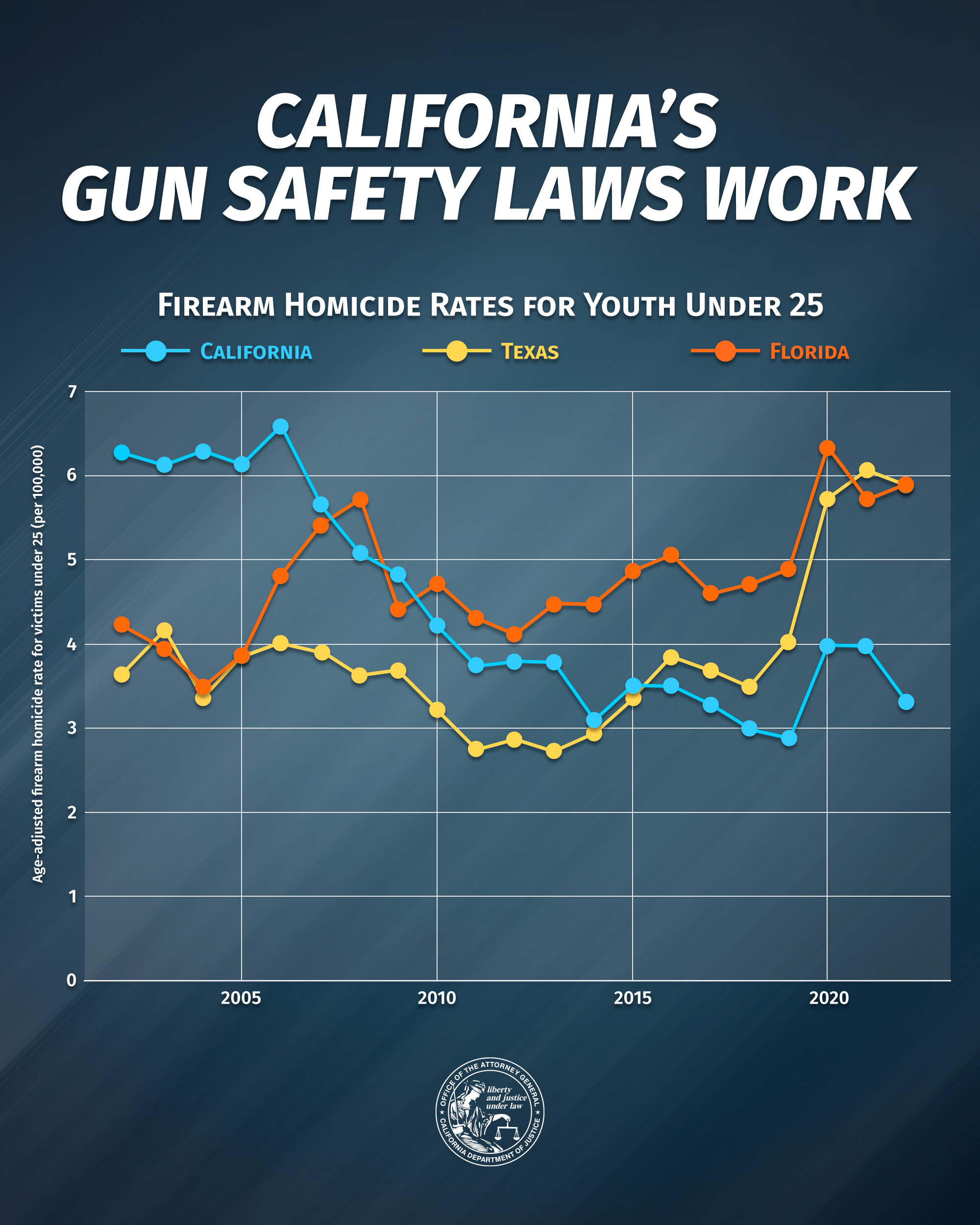
The distribution of gun violence incidents across Texas is not uniform. Larger metropolitan areas often report higher absolute numbers of incidents due to their larger populations. However, rural areas can also face unique challenges related to gun violence, which may be influenced by factors such as access to firearms, socioeconomic disparities, and different community dynamics.
Major Metropolitan Areas
Cities like Houston, Dallas, San Antonio, and Austin are centers of commerce, culture, and tourism. Consequently, they also tend to experience a higher volume of reported gun violence incidents. This is often correlated with population density, economic disparities, and the presence of various social factors that can contribute to crime. While these cities offer unparalleled cultural experiences and attractions, visitors should remain aware of their surroundings, as they would in any major urban center globally.
Rural Communities
In contrast, rural parts of Texas might see lower overall numbers of incidents, but the impact of each event can be profoundly felt within smaller communities. Factors such as the prevalence of hunting culture, different legal frameworks regarding firearm ownership, and the accessibility of mental health services can all play a role in the nature and frequency of gun violence in these areas. When traveling through rural Texas, visitors often encounter a more traditional way of life, but it is still prudent to be informed about local conditions.
Impact on Tourism and Traveler Safety
While the statistics of gun violence are a matter of public record and concern, their direct impact on the vast majority of tourist experiences in Texas is minimal. Millions of visitors safely explore the state’s attractions each year without incident. However, understanding the general context can contribute to a traveler’s overall sense of security and preparedness.
Maintaining Situational Awareness
The most effective strategy for any traveler, regardless of destination, is to maintain situational awareness. This includes being mindful of your surroundings, avoiding areas known for high crime rates (especially after dark), not displaying signs of wealth unnecessarily, and trusting your instincts. This advice applies universally to traveling in any large city or unfamiliar territory, not just in Texas.
Information for Prepared Travelers
For travelers who wish to be particularly informed, reputable sources like the U.S. Department of State provide travel advisories for United States citizens traveling abroad, though Texas is a domestic destination. However, local news outlets and official tourism websites for cities and regions within Texas can provide up-to-date information on local safety and any specific advisories. Many of Texas’s renowned attractions, such as the Alamo in San Antonio, the Space Center Houston, or the live music scene in Austin, are in well-trafficked and generally safe areas.

Conclusion: A Balanced Perspective for Travelers
Texas remains a premier travel destination, offering an immense array of experiences that appeal to a global audience. While acknowledging the existence of gun violence and understanding its statistical prevalence is part of gaining a comprehensive view of the state, it is crucial for travelers to maintain a balanced perspective. The overwhelming majority of visits to Texas are safe and enjoyable. By staying informed, practicing general safety precautions, and focusing on the incredible cultural, historical, and natural attractions the state has to offer, travelers can confidently explore and appreciate all that the Lone Star State has to reveal. The vibrant spirit of Texas, from its sprawling ranches to its dynamic cityscapes, continues to welcome visitors with open arms, promising unforgettable journeys and enriching experiences.
LifeOutOfTheBox is a participant in the Amazon Services LLC Associates Program, an affiliate advertising program designed to provide a means for sites to earn advertising fees by advertising and linking to Amazon.com. Amazon, the Amazon logo, AmazonSupply, and the AmazonSupply logo are trademarks of Amazon.com, Inc. or its affiliates. As an Amazon Associate we earn affiliate commissions from qualifying purchases.