
Navigating the intricacies of rental agreements in Florida can often feel like deciphering a complex code. For many, particularly those considering a long-term stay or a vacation rental that extends beyond a typical hotel booking, understanding the parties involved in a lease agreement is paramount. This isn’t just about who collects the rent; it’s about establishing clear rights, responsibilities, and protections for all involved. Whether you’re a prospective tenant looking for a winter escape in Miami or an owner considering renting out your condominium in Orlando, this guide will illuminate the key players in Florida lease agreements.

The Lessor: The Owner of the Property
At the heart of any lease agreement is the lessor, which is simply another term for the landlord or property owner. This individual or entity holds the legal title to the property and has the right to rent it out to others. In the context of Florida, understanding the lessor is crucial as they are the primary point of contact for all matters concerning the rental property.
Identifying the Lessor
The lessor can be an individual who owns a single-family home, a duplex, or a condominium unit. However, they can also be a corporation, a limited liability company (LLC), or a trust that owns multiple properties or a larger apartment complex. The lease agreement itself must clearly identify the lessor by their full legal name or the name of the legal entity. This is a fundamental requirement of Florida law to ensure clarity and accountability.
Rights and Responsibilities of the Lessor
The lessor’s rights are generally to receive rent payments on time, to have the property maintained in good condition, and to regain possession of the property at the end of the lease term (or for cause, as defined by law). Their responsibilities are more extensive and are designed to protect the tenant. These include:
- Providing a Habitable Property: Landlords in Florida are legally obligated to ensure the rental unit is safe and fit for human habitation. This includes maintaining essential services like plumbing, electricity, and heat, as well as ensuring the property is free from structural defects and pest infestations.
- Making Necessary Repairs: Beyond initial habitability, lessors are typically responsible for making repairs to maintain the property’s condition throughout the tenancy, as outlined in the lease. The specifics of repair responsibilities (e.g., who pays for minor wear and tear versus major system failures) are often detailed within the lease agreement.
- Respecting Tenant Privacy: While landlords have a right to access the property for inspections, repairs, or showings, they must provide reasonable notice to the tenant, typically 12 hours, unless it’s an emergency.
- Adhering to Fair Housing Laws: Lessors must comply with all federal and state fair housing laws, prohibiting discrimination based on race, color, religion, sex, familial status, national origin, or disability.
The Role of Property Management Companies
In many instances, especially with absentee owners or larger portfolios, the lessor delegates the day-to-day management of the property to a licensed Florida real estate brokerage acting as a property manager. In such cases, the lease agreement will often name both the actual lessor (owner) and the property management company. The property management company acts as the lessor’s agent, handling tasks like rent collection, tenant screening, maintenance requests, and enforcing lease terms. It is crucial for tenants to understand whom to contact for specific issues, and this information should be clearly stated in the lease. The property manager is bound by the same legal obligations as the lessor.
The Lessee: The Tenant Occupying the Property
The other primary party in a lease agreement is the lessee, commonly known as the tenant. This is the individual or individuals who will occupy the rental property in exchange for paying rent. The lessee’s understanding of their rights and obligations is just as critical as the lessor’s.
Identifying the Lessee
The lease agreement must clearly identify all individuals who will be residing in the property and who are legally responsible for the rent and lease terms. This typically includes all adults named on the lease. For a family renting a villa in Key West, all adults signing the lease are considered lessees.
Rights and Responsibilities of the Lessee
The lessee’s primary right is the peaceful enjoyment of the property, meaning they have the right to occupy the premises without undue disturbance from the landlord or others. Their responsibilities include:
- Paying Rent: The most fundamental responsibility is paying rent in full and on time, as stipulated in the lease. Late fees and potential eviction proceedings can result from non-payment.
- Maintaining the Property: Tenants are generally responsible for keeping the rental unit clean and in good condition. This includes avoiding damage beyond normal wear and tear.
- Adhering to Lease Terms: This can include rules about pets, smoking, noise levels, or alterations to the property. Violating these terms can lead to lease termination.
- Notifying the Lessor of Issues: Tenants have a responsibility to inform the landlord promptly of any conditions that require repair or that could cause damage, such as a leaking roof or a malfunctioning appliance.
- Vacating the Property: At the end of the lease term, the tenant is responsible for vacating the premises and returning it to the landlord in the condition it was received, minus normal wear and tear.
Third-Party Involvement in Lease Agreements
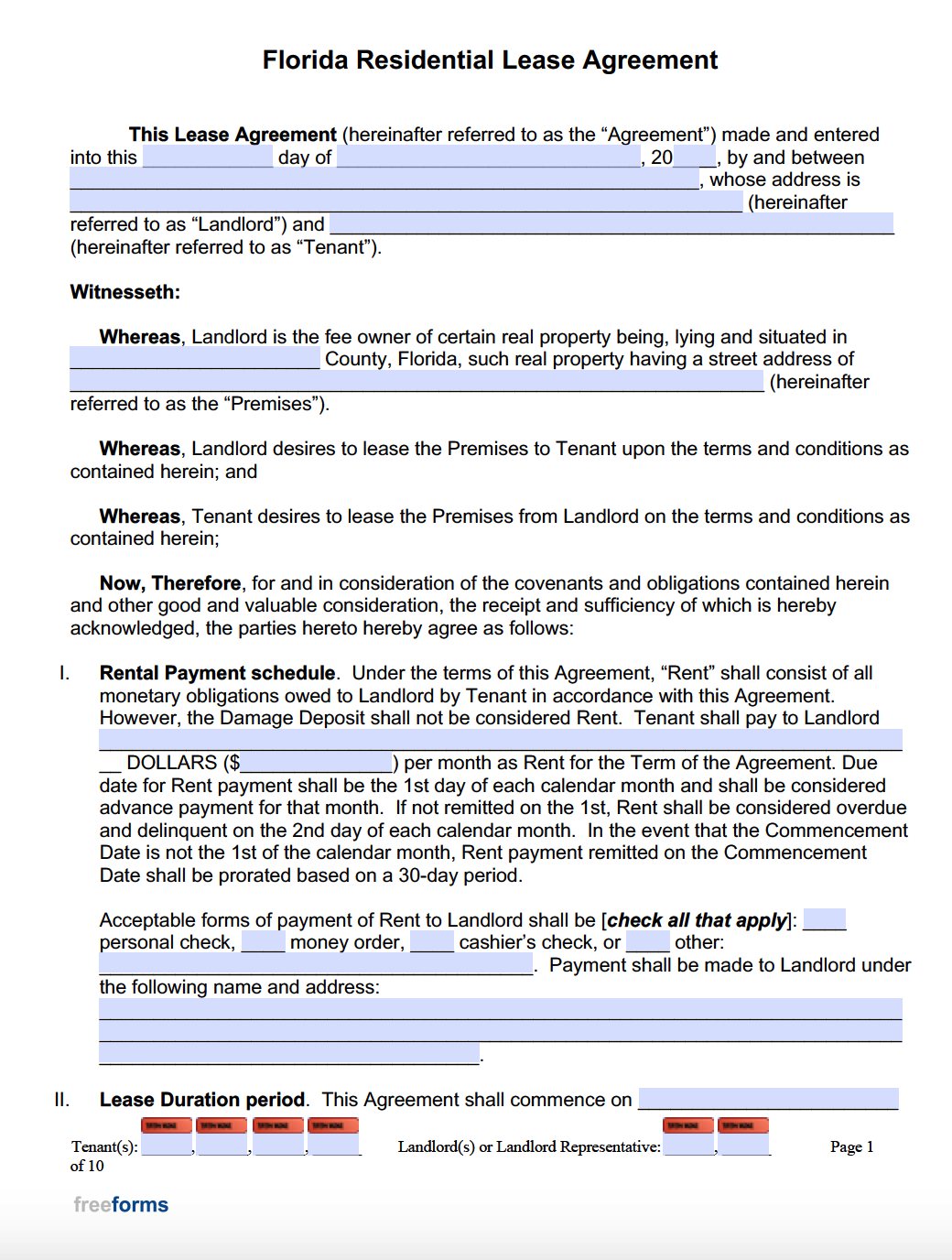
While the lessor and lessee are the core parties, other individuals or entities can be involved or have a vested interest in the lease agreement, particularly in a state like Florida with diverse rental markets.
Guarantors or Co-Signers
In some situations, especially if the primary lessee has a less-than-ideal credit history or insufficient income, a lessor may require a guarantor or co-signer. This is a third party who agrees to be financially responsible for the lease if the primary lessee fails to meet their obligations, particularly rent payments. The guarantor signs a separate agreement, or a clause within the main lease, that legally binds them to the rental contract. Their involvement ensures the lessor has an additional layer of financial security.
Property Management Companies (as Agents)
As previously mentioned, property management companies often act as agents for the lessor. When this occurs, the lease agreement will typically reflect this agency relationship. The property management company handles communications, rent collection, and maintenance requests on behalf of the owner. It is vital for tenants to understand that while they interact with the property manager, their legal contract is with the actual owner (the lessor). However, the property manager has the authority to act on behalf of the lessor, as granted by a separate management agreement.
Homeowners Associations (HOAs) and Condo Associations
In properties governed by a Homeowners Association (HOA) or a Condominium Association, lease agreements may include clauses that reference or are subject to the association’s rules and regulations. While the HOA or condo association is not directly a party to the lease agreement between the lessor and lessee, their covenants, conditions, and restrictions (CC&Rs) can significantly impact the tenancy. For example, an HOA might have rules about pet ownership, parking, or exterior modifications that the lessee must abide by. The lessor is responsible for ensuring their tenants are aware of and comply with these association rules, which are often incorporated by reference into the lease.
Government Agencies and Housing Authorities
In certain circumstances, government agencies or public housing authorities may be involved in lease agreements. This is often seen in subsidized housing programs. In these scenarios, the agency might provide rental assistance, and its terms and conditions would be part of the overall housing arrangement. The lease agreement would then reflect the responsibilities of the tenant, the owner, and the housing authority. For instance, when renting a unit through programs like Section 8 in Tampa, the housing authority plays a significant role in the financial aspects of the lease.
Ensuring Clarity in Your Lease Agreement
Understanding who is a party to your lease agreement in Florida is foundational to a positive rental experience. This clarity ensures that all parties know their rights and responsibilities, fostering a smoother landlord-tenant relationship.
The Importance of a Written Lease
While verbal lease agreements are legally binding in some limited circumstances in Florida, they are highly discouraged. A comprehensive written lease agreement is the definitive document that outlines the parties, the property, the lease term, rent amount, payment schedule, and all other terms and conditions. It should clearly state the full legal names and addresses of the lessor and lessee.
Reviewing and Understanding the Lease
Before signing any lease agreement, it is imperative to read it thoroughly and understand every clause. Pay close attention to:
- Identification of Parties: Ensure the lessor’s legal name and contact information are accurate and complete. If a property manager is involved, their role and contact information should also be clear.
- Rent and Fees: Understand the exact rent amount, due date, acceptable payment methods, and any late fees or penalties.
- Term of Lease: Differentiate between fixed-term leases and month-to-month tenancies.
- Repair and Maintenance Responsibilities: Clearly delineate who is responsible for which types of repairs.
- Rules and Regulations: Note any specific rules concerning pets, smoking, guests, or property use.
- Termination Clauses: Understand the conditions under which either party can terminate the lease.

Seeking Legal Counsel
For complex lease agreements, or if you have any doubts about the terms or parties involved, it is always advisable to seek legal counsel from a qualified Florida attorney specializing in landlord-tenant law. They can review the document, explain its implications, and ensure your rights are protected. This is particularly important for long-term rental agreements, such as those for vacation homes or apartments intended for extended stays, where the stakes are higher.
In conclusion, while the lease agreement may primarily appear to be a contract between a tenant and a property owner, the reality in Florida can involve a spectrum of parties and considerations. From individual owners and large corporations to property managers and even governing associations, each plays a role. A clear, written lease that accurately identifies all relevant parties and outlines their respective duties is the cornerstone of a secure and transparent rental arrangement.
LifeOutOfTheBox is a participant in the Amazon Services LLC Associates Program, an affiliate advertising program designed to provide a means for sites to earn advertising fees by advertising and linking to Amazon.com. Amazon, the Amazon logo, AmazonSupply, and the AmazonSupply logo are trademarks of Amazon.com, Inc. or its affiliates. As an Amazon Associate we earn affiliate commissions from qualifying purchases.