
Embarking on a journey from the vibrant East Coast metropolis of New York to the sun-kissed shores and diverse landscapes of California is more than just traversing miles; it’s an epic cross-country adventure. The exact distance between New York and California isn’t a single number, as both are vast entities. Instead, it depends heavily on your specific starting point within New York and your ultimate destination in California.
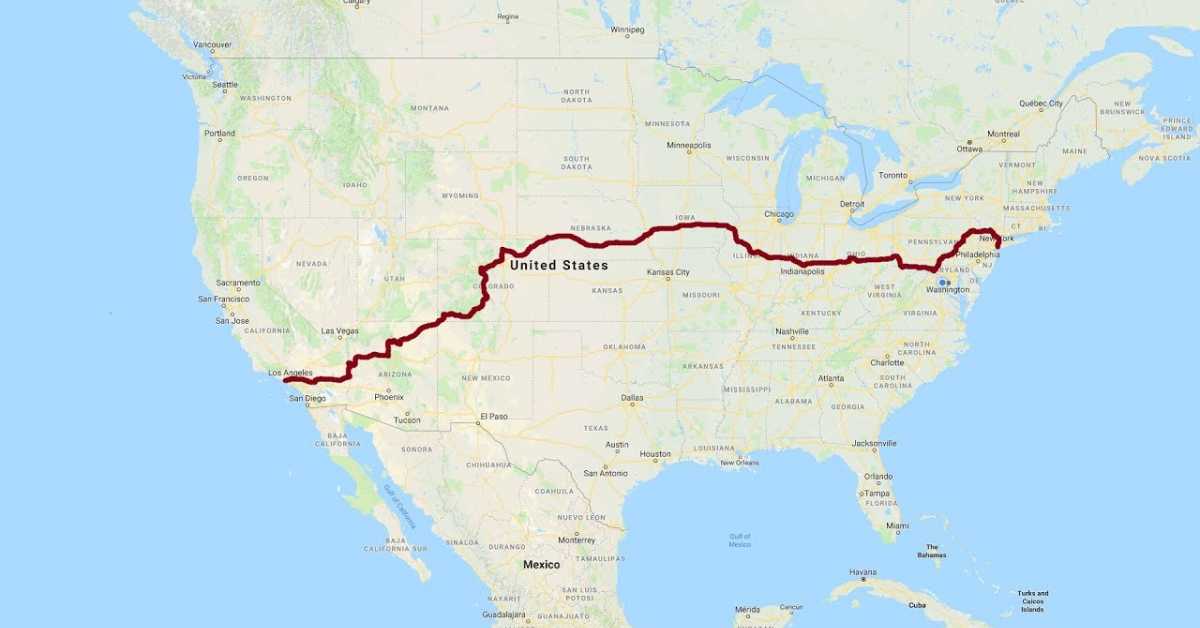
Generally speaking, the driving distance between major cities like New York City and Los Angeles typically ranges from 2,800 to 3,000 miles (approximately 4,500 to 4,800 kilometers), depending on the chosen route. If your destination is San Francisco, the distance would be roughly similar, perhaps a bit longer, ranging from 2,900 to 3,100 miles. This incredible expanse translates into a significant amount of travel time, making the journey an integral part of the experience itself.
For those considering a road trip, this distance typically requires 40 to 50 hours of pure driving time. However, it’s highly impractical and unsafe to complete this journey without ample rest and stops. Most travelers planning a cross-country drive allocate 5 to 7 days, allowing for 8-10 hours of driving per day, with overnight stays and opportunities for sightseeing. Flying, of course, drastically cuts down on travel time, with direct flights averaging 5 to 6 hours in the air, connecting flights taking longer.
Whether you dream of a leisurely scenic drive, a swift aerial transit, or a relaxing train ride, understanding the distances and implications for travel is the first step in planning your unforgettable transcontinental expedition.
Choosing Your Path: Modes of Travel Across the USA
The method you choose to traverse the vast American landscape from New York to California will profoundly shape your experience. Each mode of travel offers unique advantages, catering to different preferences for speed, comfort, scenery, and budget.
The Classic American Road Trip: Driving from Coast to Coast
Without a doubt, driving is the most popular and iconic way to make this journey, offering unparalleled freedom and flexibility. It transforms mere miles into memories, allowing you to discover the heartland of America at your own pace.
- Northern Routes (e.g., via I-80 or I-90): Starting from New York City, a northern route might take you through states like Pennsylvania, Ohio, Indiana, Illinois (passing through Chicago), Iowa, Nebraska, Wyoming, Utah, and Nevada before reaching California. This route often offers diverse landscapes, from rolling farmlands to vast plains and rugged mountains.
- Central Routes (e.g., via I-70): A central path could lead you through Pennsylvania, Ohio, Indiana, Missouri (St. Louis), Kansas, Colorado (Denver), Utah, and Nevada. This route provides breathtaking views of the Rocky Mountains and the vast expanse of the Great Plains.
- Southern Routes (e.g., via I-40 or Route 66): For those seeking warmer weather or historical charm, a southern route traverses states like Pennsylvania, West Virginia, Kentucky, Tennessee, Arkansas, Oklahoma, Texas, New Mexico, and Arizona before reaching California. This option is rich with desert landscapes, vibrant southwestern culture, and historical landmarks, particularly along the legendary Route 66 portions.
Consider factors like seasonal weather (snow in the north during winter, extreme heat in the south during summer), desired landmarks, and personal interests when selecting your driving path.
Taking to the Skies: The Fastest Way Across
For those prioritizing speed and efficiency, flying is the undisputed champion. Non-stop flights from major New York airports like JFK International Airport, LaGuardia Airport, or Newark Liberty International Airport to California hubs such as LAX, San Francisco International Airport (SFO), or San Diego International Airport take approximately 5 to 6 hours. While the actual flight time is short, remember to factor in airport security, boarding, and travel to and from the airports, which can add several hours to your total journey. This mode of travel is ideal for business travelers or those with limited time who simply need to get from point A to point B quickly.
A Scenic Alternative: Train Travel with Amtrak
For a more relaxed and panoramic experience, Amtrak offers cross-country train journeys. While significantly slower than flying and often comparable in duration to driving (without the actual effort), train travel provides comfort, space, and breathtaking views that are missed from the highway or airplane window.
Popular routes include:
- The Lake Shore Limited from New York to Chicago, connecting to the California Zephyr which traverses the majestic Rocky Mountains and Sierra Nevada on its way to Emeryville (near San Francisco). This journey typically takes around 3 days and 2 nights.
- Alternatively, from Chicago, one could take the Southwest Chief south through the desert landscapes of New Mexico and Arizona before arriving in Los Angeles.
Amtrak provides various accommodation options, from coach seats to private bedrooms, making it a unique and comfortable way to witness the changing tapestry of the American landscape.
Planning Your Transcontinental Expedition: More Than Just Miles
Successfully navigating the journey from New York to California requires thoughtful planning, touching upon various aspects of travel and lifestyle.
Budgeting for Your Adventure
A cross-country trip involves several significant expenses:
- Transportation: For drivers, fuel costs are paramount. Budget for thousands of dollars in gas, depending on your vehicle’s fuel efficiency and fluctuating gas prices. Vehicle maintenance checks before departure are crucial. For flyers, airfare varies widely based on booking time, season, and airline. Train tickets also vary by class and route.
- Accommodation: This is where the website’s focus on hotels, resorts, apartments, and villas becomes vital. During a road trip, you’ll need 4-6 nights of accommodation. Options range from budget-friendly motels and roadside inns to mid-range hotels or even luxury resorts in major cities. Researching and booking ahead, especially during peak seasons, can save money and stress.
- Food: Eating out for every meal can quickly add up. A mix of restaurant dining (to experience local cuisine) and packing snacks/picnics can help manage costs.
- Attractions & Activities: Entrance fees for national parks, museums, and other tourist attractions should be factored in. Consider purchasing a National Parks pass if you plan to visit several.
- Miscellaneous: Contingency funds for unexpected repairs, souvenirs, and tolls are always a good idea.
Accommodation Along the Way: Where to Rest Your Head
Finding comfortable and convenient accommodation is key to an enjoyable cross-country journey. The “Hotels” and “Accommodation” topics of this website are directly applicable here.
- Road Trip Stays: Plan your overnight stops strategically. Major cities along your route, like Chicago, Denver, St. Louis, or Las Vegas, offer a wide array of hotels from budget chains to upscale boutique hotels. For a more unique experience, consider charming bed and breakfasts in smaller towns or even campgrounds for nature lovers. Many travelers rely on platforms for booking and reviews to find suitable options.
- Destination Stays: Upon arrival in California, your accommodation choices are vast. From luxury resorts in Beverly Hills to charming villas in Napa Valley or trendy apartments in San Francisco, California caters to every taste and budget. If you’re planning a longer stay, consider extended-stay suites or furnished apartments.
Always check for amenities like parking, Wi-Fi, and breakfast, especially when traveling long distances. Loyalty programs with hotel chains can also yield significant benefits over multiple stays.
Embracing the Journey: Tourism and Landmarks Along the Way
The true joy of traveling from New York to California lies in the incredible diversity of landmarks, local culture, and attractions you can discover. This journey is a microcosm of America itself, offering a mosaic of experiences.
- East Coast Beginnings: Before you even leave the New York area, explore iconic New York City landmarks like the Statue of Liberty, Times Square, and Central Park. Heading west, consider a detour to the majestic Niagara Falls or the picturesque Finger Lakes region.
- Midwestern Charm: Across the Midwest, cities like Cleveland, Chicago (with its impressive architecture and deep-dish pizza), and St. Louis (home to the Gateway Arch) offer unique urban experiences. Further west, South Dakota beckons with Mount Rushmore National Memorial and Badlands National Park.
- Mountain and Desert Wonders: The western half of the journey is defined by dramatic natural beauty. The Rocky Mountains of Colorado and Utah are breathtaking, with national parks like Arches National Park, Zion National Park, and Bryce Canyon National Park offering stunning hikes and photography opportunities. The vastness of the Grand Canyon National Park in Arizona is an absolute must-see, while the glittering Las Vegas provides an entirely different kind of spectacle.
- California Dreams: Once you cross into California, a treasure trove of destinations awaits. From the iconic Golden Gate Bridge and Alcatraz Island in San Francisco to the glamorous streets of Hollywood and the beaches of Los Angeles, urban exploration is endless. Nature lovers will be drawn to the colossal trees of Sequoia National Park, the stunning valleys and waterfalls of Yosemite National Park, the surreal landscapes of Death Valley National Park and Joshua Tree National Park, and the dramatic coastline along Big Sur via the Pacific Coast Highway. Don’t forget the world-class theme parks like Disneyland Park in Anaheim.
Engaging with local culture means trying regional specialties – from New York-style pizza to Midwest BBQ, Southwest Tex-Mex, and California fusion cuisine.
Tailoring Your Journey: Lifestyle Choices for Your Transcontinental Expedition
Your personal travel lifestyle will dictate many choices, from your route to your accommodation and the experiences you seek.
Luxury Travel vs. Budget Travel
- Luxury Travel: For those seeking an indulgent escape, a cross-country journey can be curated with high-end experiences. This might involve flying first-class, staying in five-star hotels or resorts with lavish amenities in cities like Aspen or Santa Fe, dining at Michelin-starred restaurants, and booking private tours or exclusive experiences. Luxury travel often means more direct routes and less time spent in transit, focusing on curated destination experiences.
- Budget Travel: A trip from New York to California can also be achieved on a tighter budget. Opt for cheaper flights, utilize hostels, motels, or campgrounds, pack your own food and snacks, and focus on free attractions like national parks (with an annual pass) or scenic drives. Road trips, when done economically, can be very budget-friendly, allowing you to spread costs over several days and avoid premium pricing associated with flying.
Family Trips, Solo Adventures, and Business Stays
- Family Trips: Traveling with family, especially children, requires extra planning. Opt for kid-friendly stops, comfortable accommodation with suites or connecting rooms, and pack entertainment for long stretches. Destinations like national parks and theme parks (like Disneyland Park) are excellent choices. Safety and reliable transportation are paramount.
- Solo Adventures: A solo journey offers ultimate freedom. You can deviate from planned routes, linger longer at places of interest, and immerse yourself fully in the local culture. Accommodation choices might lean towards social hostels or quiet boutique hotels.
- Business Stays: If your travel is primarily for business, efficiency is key. Flying is usually the preferred method. Look for hotels with excellent business amenities, reliable Wi-Fi, and convenient locations near corporate centers. Combining a business trip with a few days of leisure can turn a functional journey into a rewarding experience.
From the bustling streets of New York City to the serene beauty of the California coast, the journey spans thousands of miles and countless possibilities. The question of “how many miles” quickly transforms into “how many memories” you can create, depending on how you choose to embrace this truly American adventure.
LifeOutOfTheBox is a participant in the Amazon Services LLC Associates Program, an affiliate advertising program designed to provide a means for sites to earn advertising fees by advertising and linking to Amazon.com. Amazon, the Amazon logo, AmazonSupply, and the AmazonSupply logo are trademarks of Amazon.com, Inc. or its affiliates. As an Amazon Associate we earn affiliate commissions from qualifying purchases.