
The landscape of American presidential elections is deeply intertwined with the system of electoral votes, a mechanism that dictates how each state contributes to the final tally. For a state as vast and influential as Texas, understanding its electoral vote count is crucial for comprehending its role in shaping national political outcomes. This article delves into the specifics of Texas’s electoral power, exploring the historical context, the formula that determines its allocation, and the implications for presidential campaigns.
The Electoral College: A Foundation for Presidential Elections
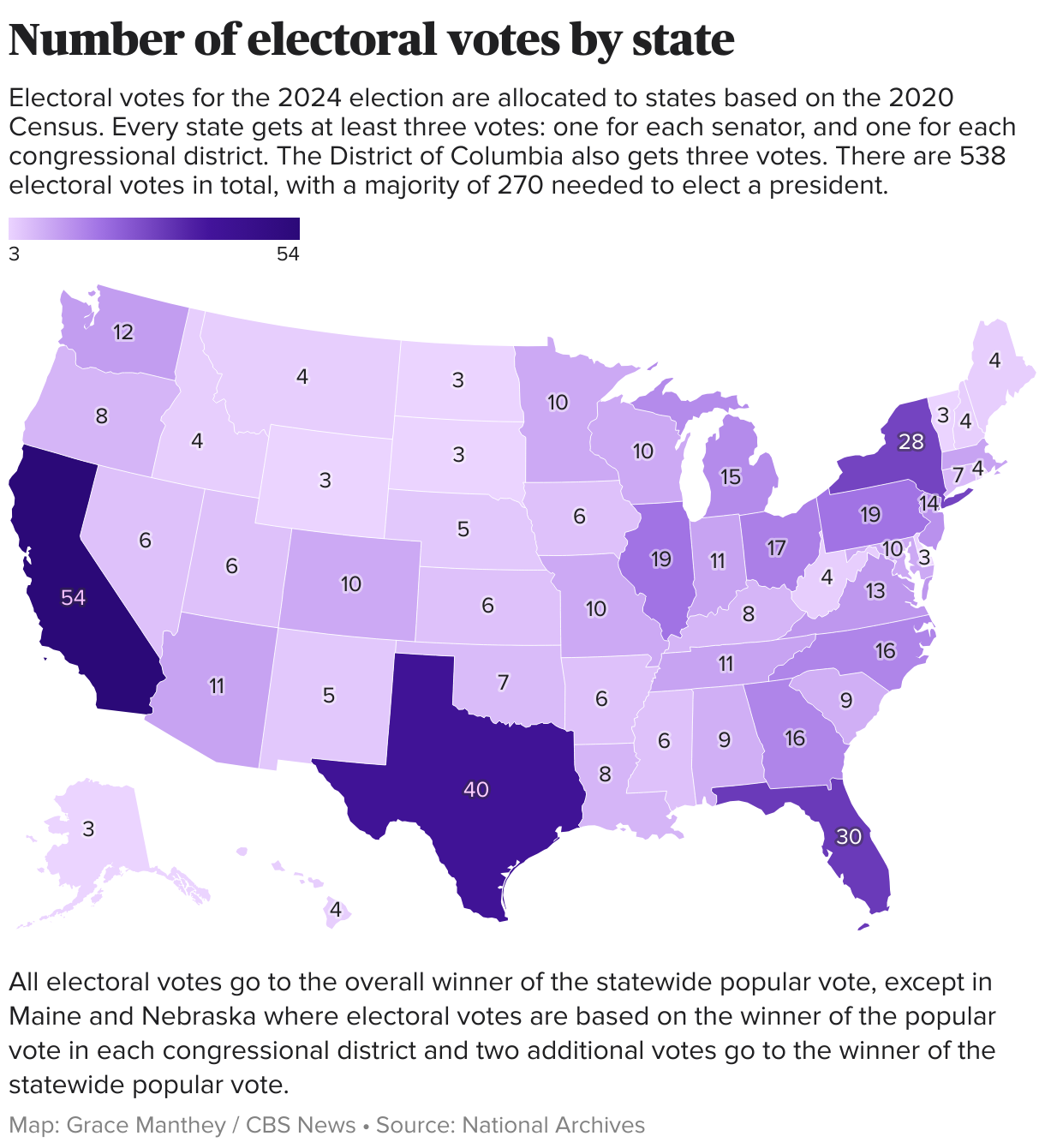
The Electoral College is a body of electors established by the United States Constitution, constituted only for the purpose of electing a president and vice president. It is not a physical place but a process. Each state is allocated a number of electors equal to the sum of its representation in Congress: its two senators plus its number of representatives in the House of Representatives. This system, established by the Founding Fathers, was designed to balance the power of more populous states with that of less populous ones, ensuring that candidates needed broad support across the nation, not just in densely populated areas.
Historical Roots and Evolution
The Electoral College was a compromise at the Constitutional Convention in 1787. Some delegates favored electing the president by popular vote, while others preferred election by Congress. The Electoral College emerged as a middle ground, designed to insulate the presidency from direct popular influence and provide a buffer against what some considered the unbridled will of the masses. Over time, the process has evolved, particularly with the rise of political parties and the popular election of electors, making the system more of a reflection of the popular vote within each state, albeit with a winner-take-all dynamic in most states.
The Formula: Senators + Representatives
The core of determining a state’s electoral vote count lies in its congressional representation. The United States Congress is bicameral, consisting of the Senate and the House of Representatives.
- Senate Representation: Every state, regardless of its population, has two senators. This ensures that smaller states have a voice that is not entirely overshadowed by larger ones.
- House of Representatives Representation: The number of representatives for each state in the House of Representatives is based on its population, as determined by the decennial U.S. Census. The total number of representatives is capped at 435, and these seats are reapportioned among the states after each census.
Therefore, the total number of electoral votes for a state is calculated as: 2 (Senators) + Number of Representatives (based on population).
Texas: A Growing Electoral Powerhouse
Texas, the second-largest state by both area and population, consistently holds a significant number of electoral votes. Its burgeoning population has led to an increase in its representation in the House of Representatives over the decades, consequently boosting its electoral college standing.
The Impact of the U.S. Census
The decennial U.S. Census is a pivotal event for determining congressional apportionment and, by extension, electoral votes. Following each census, the 435 seats in the House of Representatives are reallocated among the states. States that have experienced significant population growth may gain seats, while those with declining populations may lose seats. This reallocation directly affects the number of electoral votes each state commands in subsequent presidential elections.
For Texas, its consistent population growth has resulted in it gaining seats in the House of Representatives after several censuses. This trend has steadily increased its electoral vote count, making it a highly coveted state in presidential campaigns.
Current Electoral Vote Count for Texas
As of the most recent reapportionment following the 2020 U.S. Census, Texas has 38 electoral votes. This count is derived from its two senators and its 36 representatives in the House of Representatives. This places Texas as the second-highest state in terms of electoral votes, trailing only California.
Historical Trends in Texas’s Electoral Votes
Texas’s electoral vote count has not remained static. It has evolved in tandem with its population growth and congressional reapportionment.
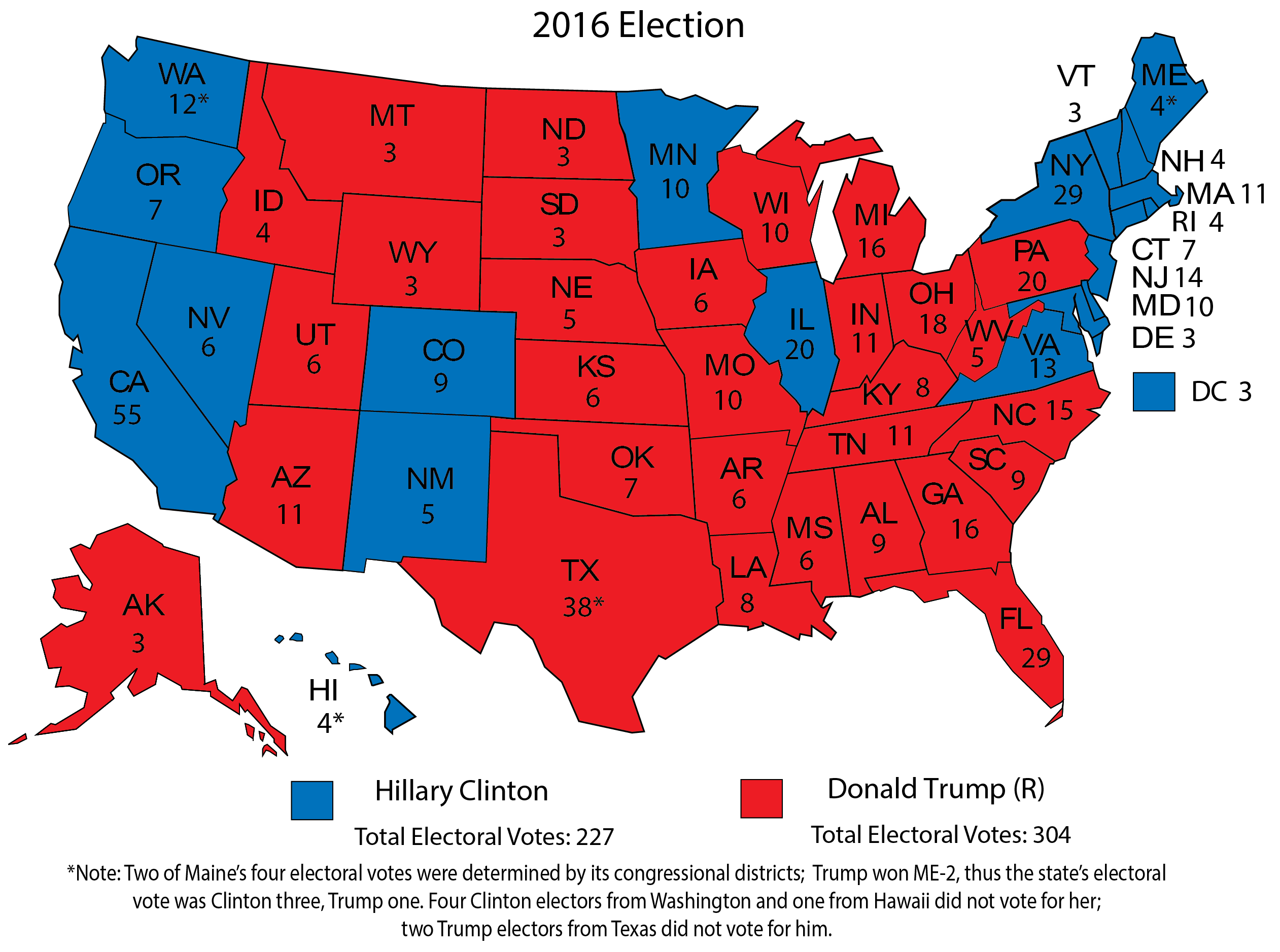
- Post-2000 Census: Texas gained two seats, bringing its total to 34 electoral votes.
- Post-2010 Census: Texas gained four seats, increasing its electoral vote count to 38.
- Post-2020 Census: While Texas continued to grow rapidly, it gained only one additional seat, maintaining its total of 38 electoral votes for the 2024 and 2028 elections. However, its significant population growth means it is positioned to gain more seats in future reapportionments.
This steady increase underscores Texas’s rising demographic and political significance on the national stage.
The Significance of Texas’s Electoral Votes in Presidential Campaigns
The sheer number of electoral votes held by Texas makes it a critical battleground in any presidential election. While Texas has historically voted Republican, the size of its population and the potential for shifts in its diverse demographics mean that both major parties invest significant resources and attention in the state.
The Winner-Take-All System
In almost all states, including Texas, the presidential candidate who wins the popular vote in the state receives all of that state’s electoral votes. This “winner-take-all” system means that even a narrow victory can deliver the entire bloc of electoral votes to one candidate. This magnifies the importance of winning individual states, as opposed to simply accumulating popular votes nationwide.
For Texas, this means that the party controlling the state’s electoral votes secures a substantial chunk of the 270 electoral votes needed to win the presidency. This concentrated power makes campaigns strategically important for both Republicans and Democrats.
Campaign Strategies and Resource Allocation
Given its 38 electoral votes, Texas is a prime target for presidential campaigns. Candidates and their strategists must carefully allocate resources, including time, money, and campaign staff, to maximize their chances of winning the state.
- Republican Strategy: The Republican party generally views Texas as a key state to win, aiming to solidify their base and secure its electoral votes. They often focus on mobilizing their core supporters and appealing to the state’s conservative values.
- Democratic Strategy: While historically challenging for Democrats, the growing diverse population in Texas, particularly in urban centers like Houston, Dallas, and Austin, has made it a target for Democratic efforts. Campaigns might focus on increasing voter turnout in these areas and appealing to suburban and minority voters.
The ongoing demographic shifts and the increasing competitiveness in certain urban and suburban areas of Texas mean that its electoral landscape is subject to change, making it a perpetually fascinating state to watch during election cycles.
The Future of Texas’s Electoral Influence
As Texas continues to grow and diversify, its influence in presidential elections is likely to remain substantial and may even increase. The state’s role in the Electoral College is a dynamic element shaped by population trends, congressional reapportionment, and the evolving political allegiances of its residents.
Demographic Shifts and Political Realignment
The changing demographics of Texas, with a growing Hispanic population and increasing urbanization, are a major factor in its political future. These shifts have the potential to alter the state’s voting patterns and make it more competitive for both parties. Urban centers like Houston, Dallas, and San Antonio are often seen as key to winning the state, with their diverse electorates and higher voter turnout potential.
Potential for Gaining More Electoral Votes
Based on population projections and the current trend of congressional reapportionment, Texas is poised to gain additional seats in the House of Representatives in future censuses. Each gained seat translates directly into an additional electoral vote. This would further elevate Texas’s standing as a powerhouse within the Electoral College, making it an even more critical state for presidential campaigns.

Debates Surrounding the Electoral College
The significant role of states like Texas in presidential elections also fuels ongoing debates about the fairness and effectiveness of the Electoral College itself. Critics argue that the system can lead to a situation where the winner of the popular vote does not win the presidency, and that it disproportionately weights the votes of citizens in smaller states. Proponents, however, maintain that it promotes national unity by requiring candidates to build broad coalitions across different states and regions, preventing a few large urban centers from deciding the election alone.
Regardless of the ongoing discussions, the current system dictates that Texas’s 38 electoral votes are a formidable force, shaping presidential election strategies and outcomes for years to come. Understanding its electoral significance is key to grasping the intricate dynamics of American presidential politics.
LifeOutOfTheBox is a participant in the Amazon Services LLC Associates Program, an affiliate advertising program designed to provide a means for sites to earn advertising fees by advertising and linking to Amazon.com. Amazon, the Amazon logo, AmazonSupply, and the AmazonSupply logo are trademarks of Amazon.com, Inc. or its affiliates. As an Amazon Associate we earn affiliate commissions from qualifying purchases.