
The Lone Star State offers a dynamic and burgeoning job market for pharmacists, with competitive salaries reflecting the demand for skilled healthcare professionals. Understanding the earning potential for pharmacists in Texas involves examining various influencing factors, from geographical location within the state to the specific practice setting and years of experience. This overview delves into the typical salary ranges, key determinants of pharmacist compensation, and potential career trajectories for those in this vital profession.
Average Pharmacist Salaries in Texas
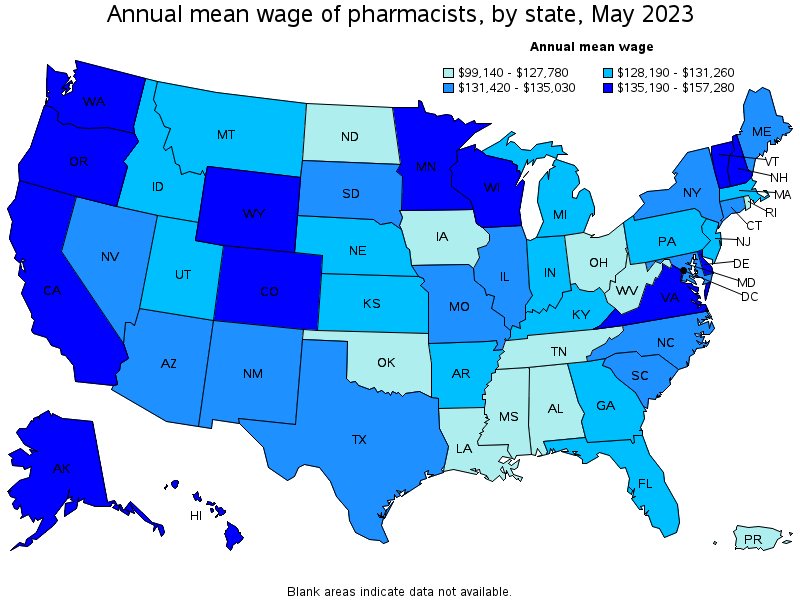
The average salary for pharmacists in Texas generally falls within a broad spectrum, with most earning between $110,000 and $130,000 annually. However, this is an average, and actual salaries can deviate significantly based on the factors discussed below. Entry-level pharmacists might find their initial earnings at the lower end of this range, while experienced professionals in high-demand areas or specialized roles can command considerably higher figures, sometimes exceeding $150,000 per year.
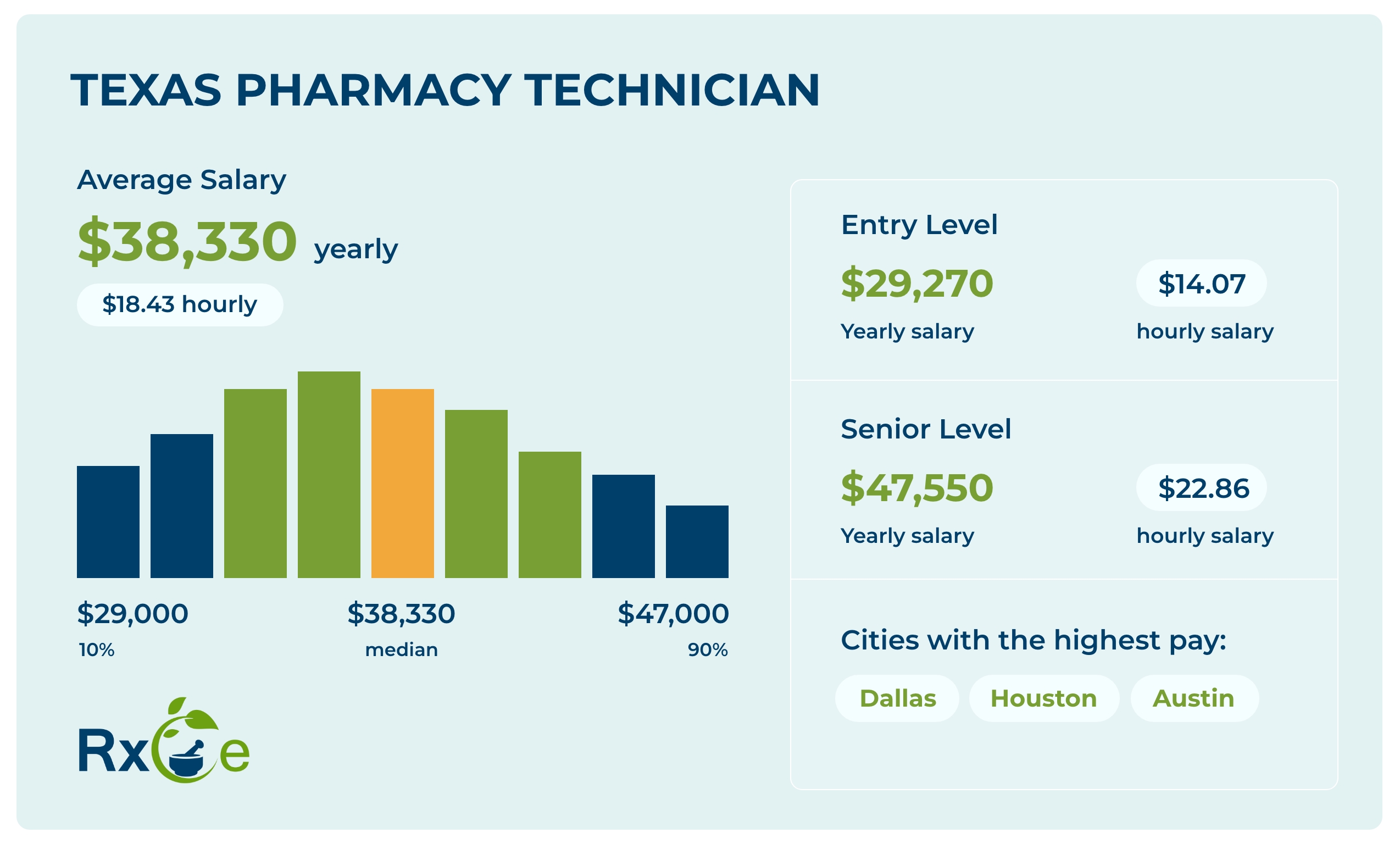
Several reputable sources provide salary data for pharmacists in Texas. For instance, Indeed reports an average base salary of approximately $125,000, with additional compensation such as bonuses and profit-sharing contributing to the overall earnings. Similarly, Glassdoor indicates an average base pay of around $120,000, with variations based on company and location. These figures underscore Texas as a state where pharmacists can expect a solid and often lucrative career.
Factors Influencing Pharmacist Compensation
The compensation package for a pharmacist in Texas is not a one-size-fits-all proposition. A multitude of variables contribute to the final salary figure, making it essential for aspiring and practicing pharmacists to understand these nuances.
Geographical Location
The cost of living and the concentration of job opportunities play a significant role in determining pharmacist salaries. Larger metropolitan areas like Houston, Dallas, San Antonio, and Austin often offer higher average salaries due to greater demand and a higher cost of living compared to smaller towns or rural areas. For example, a pharmacist practicing in the thriving medical center of Houston might earn more than a counterpart in a less populated region of West Texas.
Urban vs. Rural Markets
- Major Metropolitan Areas: Cities such as Houston, Dallas, and Austin tend to have a higher density of pharmacies, hospitals, and healthcare systems, leading to increased competition for talent and, consequently, higher salaries.
- Smaller Cities and Rural Areas: While salaries might be slightly lower on average in these regions, the cost of living is also typically reduced, potentially offering a comparable or even better quality of life. Furthermore, there can be less competition for pharmacist positions in rural areas.
Practice Setting
The environment in which a pharmacist practices is a crucial determinant of their earning potential. Different settings present unique challenges, responsibilities, and patient populations, which are reflected in their compensation.
- Retail Pharmacies: This is the most common practice setting, found in chain stores like CVS and Walgreens, as well as independent pharmacies. Retail pharmacists are on the front lines, dispensing medications, counseling patients, and managing inventory. Salaries in retail settings are generally competitive but may not reach the highest levels seen in specialized hospital roles.
- Hospitals: Hospital pharmacists often have more complex responsibilities, including pharmacokinetic dosing, medication therapy management, sterile compounding, and collaboration with physicians and nurses. Salaries in hospital settings, particularly in larger medical centers, tend to be higher than in retail.
- Clinical Settings: Pharmacists in specialized clinical roles, such as critical care, oncology, or infectious disease, often hold advanced degrees or certifications and possess unique expertise. These roles are highly compensated due to their specialized knowledge and direct impact on patient care.
- Outpatient Clinics and Ambulatory Care: These settings are growing in importance, with pharmacists playing a key role in managing chronic diseases and providing patient education. Salaries in these areas are often comparable to or slightly higher than retail, depending on the specific clinic and responsibilities.
- Long-Term Care Facilities: Pharmacists working in nursing homes and assisted living facilities manage medication regimens for elderly or chronically ill patients. Compensation in this sector can vary, but it is often competitive.
- Mail-Order and Specialty Pharmacies: These pharmacies handle large volumes of prescriptions, often for chronic conditions requiring specialized medications. They can offer competitive salaries, especially for pharmacists involved in medication management and patient support.
- Pharmacy Management: Pharmacists who move into management roles, overseeing pharmacy operations, staff, and budgets, typically earn a higher salary, reflecting their increased responsibilities.
Years of Experience and Education
As with most professions, a pharmacist’s salary in Texas tends to increase with their years of experience. Entry-level pharmacists will earn less than those who have dedicated a decade or more to the profession. Beyond a Doctor of Pharmacy (Pharm.D.) degree, which is now the standard entry-level education, further education and certifications can significantly boost earning potential.

- Doctor of Pharmacy (Pharm.D.): This is the foundational degree required for licensure.
- Residencies and Fellowships: Completing postgraduate training programs, such as a PGY1 (Postgraduate Year 1) residency, can lead to higher starting salaries and open doors to specialized roles. A PGY2 residency in a specific area like oncology or critical care can further enhance earning potential.
- Board Certifications: Achieving specialized board certifications (e.g., Board Certified Pharmacotherapy Specialist – BCPS, Board Certified Oncology Pharmacist – BCOP) demonstrates expertise and is often rewarded with higher salaries.
- Advanced Degrees: While not always required, a Master’s degree or Ph.D. in a related field can be beneficial for pharmacists pursuing research, academia, or specialized industry roles.
Additional Compensation and Benefits
Beyond the base salary, pharmacists in Texas often receive a comprehensive benefits package. This can include:
- Health, Dental, and Vision Insurance: Standard for most professional roles.
- Retirement Plans: Such as 401(k) or pension plans, often with employer matching contributions.
- Paid Time Off: Vacation days, sick leave, and holidays.
- Continuing Education Allowances: Support for maintaining licensure and professional development.
- Bonuses and Incentives: Performance-based bonuses, sign-on bonuses, and profit-sharing are common, especially in retail and some hospital settings.
- Stock Options: More prevalent in larger corporate pharmacy chains.
Salary Outlook and Career Growth
The demand for pharmacists in Texas is projected to remain steady, driven by an aging population, the increasing prevalence of chronic diseases, and advancements in pharmaceutical therapies. This consistent demand suggests a stable and promising salary outlook for the profession.
Emerging Roles and Specializations
As the healthcare landscape evolves, new opportunities are emerging for pharmacists. Pharmacists are increasingly taking on expanded roles in areas such as:
- Telepharmacy: Providing pharmacy services remotely, particularly to underserved areas.
- Medication Therapy Management (MTM): Working closely with patients to optimize drug therapy, improve adherence, and prevent adverse events.
- Point-of-Care Testing: Performing basic diagnostic tests in a pharmacy setting.
- Public Health Initiatives: Participating in vaccination clinics, health screenings, and disease prevention programs.
These specialized roles often command higher salaries due to the unique skills and responsibilities involved. Pharmacists who invest in continuing education and specialized training in these emerging areas can significantly enhance their career prospects and earning potential.
Career Progression Pathways
The career path for a pharmacist in Texas is not limited to staff dispensing. Opportunities for advancement include:
- Pharmacy Management: Moving into leadership roles, overseeing operations, and managing staff.
- Clinical Specialist: Focusing on a specific area of practice, such as infectious diseases, pediatrics, or cardiology.
- Academia: Teaching and conducting research at pharmacy schools.
- Industry Roles: Working for pharmaceutical companies in areas like medical affairs, regulatory affairs, or drug development.
- Consulting: Providing expertise to healthcare organizations or businesses.
- Entrepreneurship: Opening and managing an independent pharmacy.
Each of these pathways offers different salary potentials and career trajectories, allowing pharmacists to tailor their careers to their interests and ambitions.
Conclusion
Pharmacists in Texas are well-compensated for their critical role in the healthcare system. While average salaries provide a general benchmark, individual earnings are shaped by a complex interplay of location, practice setting, experience, and advanced qualifications. With a robust job market and continuous evolution of the profession, a career as a pharmacist in Texas offers both financial rewards and the satisfaction of contributing to patient well-being. By understanding the factors that influence compensation and actively pursuing opportunities for growth and specialization, pharmacists can build successful and fulfilling careers in the Lone Star State.
LifeOutOfTheBox is a participant in the Amazon Services LLC Associates Program, an affiliate advertising program designed to provide a means for sites to earn advertising fees by advertising and linking to Amazon.com. Amazon, the Amazon logo, AmazonSupply, and the AmazonSupply logo are trademarks of Amazon.com, Inc. or its affiliates. As an Amazon Associate we earn affiliate commissions from qualifying purchases.