
The tantalizing aroma of slow-smoked pork shoulder, often referred to as Boston Butt, is a quintessential experience for any discerning traveler venturing into the heartlands of American food tourism. Far from a quick meal, the process of transforming a tough cut of pork into tender, pull-apart perfection is an art form that demands patience, precision, and a deep understanding of fire and smoke. For tourists eager to delve into local culinary culture, understanding the commitment behind this dish enriches the entire gastronomic adventure. The primary question of “how long” isn’t merely a matter of hours; it’s a reflection of a culinary philosophy rooted in tradition and flavor development, typically ranging from 8 to 16 hours, depending on various factors. This extended cooking time is precisely what contributes to its legendary status in the world of BBQ, promising an unforgettable dining experience.
The Art of Low and Slow: A Culinary Journey
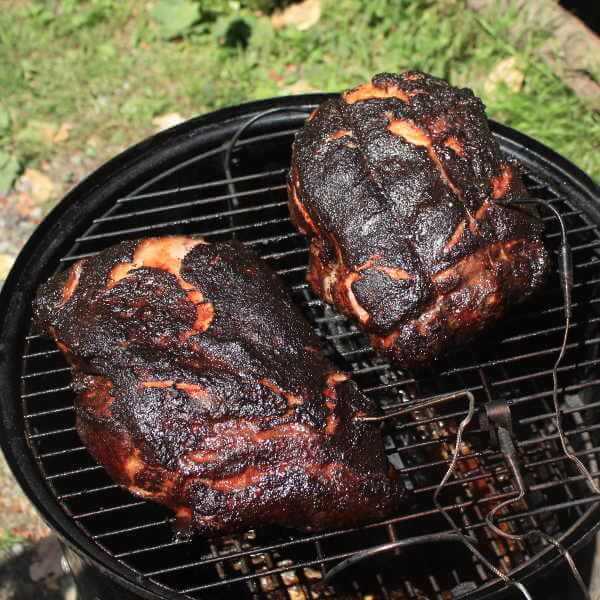
Smoking a Boston Butt is the epitome of “low and slow” cooking, a method revered by pitmasters and BBQ enthusiasts across the United States. This isn’t just about cooking meat; it’s about a ritual, a dedication to extracting maximum flavor and tenderness from a cut that might otherwise be overlooked. The shoulder cut, rich in intramuscular fat and connective tissue, requires prolonged exposure to heat at low temperatures to break down these components. As tourists explore regions famous for their BBQ, such as Kansas City, Memphis, or the various styles of Carolina BBQ, they encounter a culinary landscape shaped by this patient methodology.
The journey begins with seasoning the Boston Butt, often with a proprietary rub of spices that infuse the exterior with an aromatic crust, known as the “bark.” This is followed by hours in a smoker, where indirect heat and wood smoke (from hickory, apple, pecan, or oak) slowly work their magic. The long duration allows collagen in the meat to convert into gelatin, rendering the meat incredibly moist and succulent. It also gives the smoke ample time to penetrate deeply, imparting a complex, smoky flavor that simply cannot be rushed. For a tourist, tasting authentic pulled pork is to taste the history and passion embedded in generations of Southern cuisine and American culinary heritage.
Decoding the Timelines: Factors Influencing Your Smoke
While the average smoking time for a Boston Butt hovers around 8-16 hours, several critical factors dictate the precise duration. For those seeking to understand why their favorite local BBQ joint has meat on the smoker well before dawn, these variables provide insight:
Size and Weight of the Butt
This is perhaps the most significant factor. A standard Boston Butt typically weighs between 6 and 10 pounds. A smaller 6-pound butt might be ready in 8-10 hours, while a larger 10-pound cut could easily require 14-16 hours or even more. The general rule of thumb for many pitmasters is approximately 1.5 to 2 hours per pound at a consistent low temperature, though this can vary. Tourists should appreciate that larger cuts mean longer cooking times, often leading to a more profound smoke flavor due to extended exposure.
Smoker Temperature Consistency
The ideal temperature range for smoking Boston Butt is typically between 225°F (107°C) and 275°F (135°C). Maintaining a consistent temperature is crucial. Fluctuations can either speed up the cook (potentially drying out the meat) or slow it down considerably. Professional BBQ establishments often utilize sophisticated smokers to ensure unwavering thermal control, a testament to the scientific precision applied to this traditional art. A lower temperature will naturally extend the cooking time but often results in a more tender and juicy product with a deeper smoke ring.
The “Stall” Phenomenon
A unique aspect of smoking large cuts of meat is the “stall.” This occurs when the internal temperature of the meat plateaus, often around 150-170°F (65-77°C), sometimes for several hours. This phenomenon is due to evaporative cooling, where moisture evaporating from the surface of the meat cools it, preventing the temperature from rising. Many pitmasters embrace the stall, as it allows more time for smoke penetration and bark development. Some opt to “wrap” the butt in foil or butcher paper during this phase to push through the stall faster, retaining moisture, though some argue it can soften the bark. Understanding the stall helps a tourist appreciate why their eagerly awaited meal takes so long to prepare.
Desired Internal Temperature and Tenderness
The ultimate goal is an internal temperature of around 200-205°F (93-96°C) for optimal tenderness. However, temperature is secondary to feel. A truly finished Boston Butt should be “probe tender,” meaning a skewer or thermometer should slide into the meat with very little resistance, much like pushing it into warm butter. This tenderness is the hallmark of expertly smoked pulled pork and is the result of all that connective tissue breaking down. Rushing the process would compromise this desired texture, making the meat tough and less enjoyable.
Beyond the Pit: Experiencing Smoked Boston Butt as a Tourist
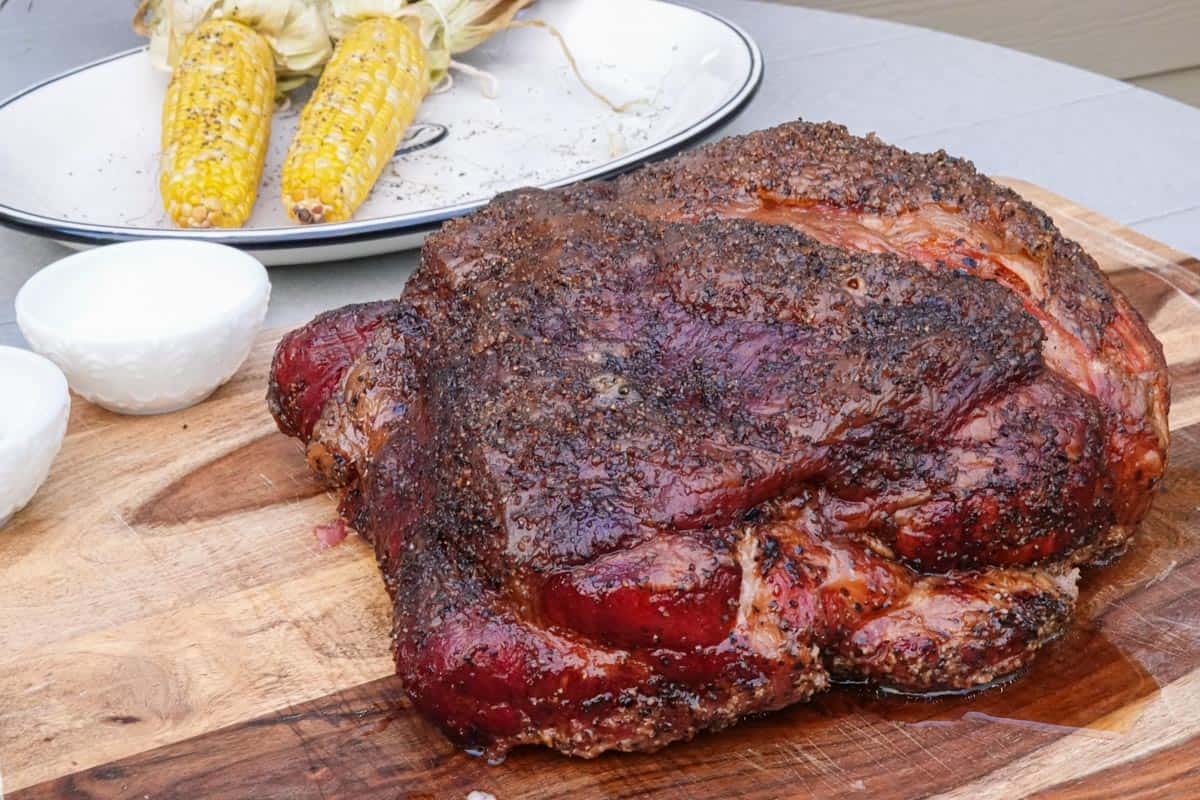
For the foodie traveler, tasting expertly smoked Boston Butt is an essential part of exploring the culinary landscape of the United States. It’s not just a meal; it’s an experience that connects you to regional traditions and the passionate pitmasters who dedicate their lives to perfecting this craft.
Seeking Out Authentic BBQ Joints
The best way to experience smoked Boston Butt is to visit authentic BBQ establishments. These are often unassuming places, sometimes with long lines, where the air is thick with the scent of wood smoke. Cities like Austin, Nashville, Charleston, and the aforementioned Kansas City and Memphis are renowned for their vibrant BBQ scenes. Look for places where the smokers are visible, and the commitment to the “low and slow” method is evident. Engaging with locals or reading up on regional BBQ trails can guide you to these hidden gems.
Participating in BBQ Festivals and Competitions
BBQ festivals and competitions are fantastic opportunities for tourists to immerse themselves in the culture of smoked meats. Events like the Memphis in May BBQ Festival or the American Royal in Kansas City offer a chance to taste various styles of pulled pork, interact with pitmasters, and witness the dedication involved firsthand. These gatherings are vibrant celebrations of culinary heritage, offering samples and insights into the meticulous preparation of dishes like the Boston Butt.
Learning from the Experts
For a deeper dive, some culinary schools and specialty shops in BBQ-centric areas offer workshops or classes on smoking meats. A tourist could spend a day learning the nuances of seasoning, fire management, and the art of the long smoke, gaining a profound appreciation for the time and skill required. This hands-on experience transforms the simple act of eating into a memorable educational journey, connecting you to the very core of food tourism.
Pairing Perfection: Enhancing Your Smoked Meat Experience
A properly smoked Boston Butt, typically served as pulled pork, is a meal in itself, but the overall experience is often enhanced by traditional pairings that complement its rich, smoky flavor. When traveling, seeking out these complementary elements completes the gastronomic picture.
Essential Sides
Common accompaniments vary by region but often include creamy coleslaw, tangy BBQ beans (often slow-cooked with bacon or more pulled pork), cornbread, macaroni and cheese, and potato salad. Each side plays a role in balancing the richness of the pork, whether through acidity, sweetness, or texture. In Carolina BBQ country, particularly around places like Lexington, vinegar-based coleslaw is a must, providing a sharp contrast to the fatty meat.
The Role of BBQ Sauce
The choice of BBQ sauce is highly regional and a critical part of the Boston Butt experience. Texas often favors a minimalist approach, letting the meat and smoke speak for themselves, perhaps with a thin, savory sauce. Kansas City is known for its thick, sweet, and tangy tomato-based sauces. The Carolinas are famous for their distinct vinegar-based sauces (Eastern Carolina) or mustard-based sauces (South Carolina). As a tourist, experimenting with these regional sauces is an adventure in itself, revealing the diverse palate of American BBQ.
Beverages to Complement
To wash down the rich, flavorful pork, local craft beers, sweet iced tea, or even a robust bourbon can be excellent choices. The effervescence of a crisp lager or the sweetness of a traditional tea cuts through the richness, refreshing the palate and preparing it for the next delicious bite.
In conclusion, the question of “how long does it take to smoke Boston Butt?” unveils a complex tapestry of culinary science, tradition, and regional identity. For the traveler, it’s not just about a cooking duration but about appreciating a slow, deliberate process that yields one of the most beloved and iconic dishes in American food tourism. The hours spent in the smoker are an investment in flavor, delivering a tender, smoky, and utterly unforgettable experience that is well worth the wait.
LifeOutOfTheBox is a participant in the Amazon Services LLC Associates Program, an affiliate advertising program designed to provide a means for sites to earn advertising fees by advertising and linking to Amazon.com. Amazon, the Amazon logo, AmazonSupply, and the AmazonSupply logo are trademarks of Amazon.com, Inc. or its affiliates. As an Amazon Associate we earn affiliate commissions from qualifying purchases.