
Understanding the Compensation Landscape for Surgical Technologists in Texas
The role of a surgical technologist, often referred to as a scrub tech, is indispensable in the operating room. These skilled professionals are integral to the success of surgical procedures, ensuring that the surgical team has the necessary instruments and equipment, and maintaining a sterile field. For those considering a career in this vital healthcare profession within the vast state of Texas, understanding the potential earning capacity is a crucial consideration. The salary of a surgical technologist in Texas is influenced by a multitude of factors, ranging from geographic location within the state to years of experience, educational attainment, and the specific type of healthcare facility they are employed by.

Navigating the intricacies of healthcare compensation can be complex. It’s not simply a matter of a fixed salary across the board. Instead, a dynamic interplay of market forces, facility needs, and individual qualifications shapes the final remuneration package. For aspiring surgical technologists in Texas, a comprehensive understanding of these elements will empower them to negotiate effectively and set realistic expectations for their career earnings. This article delves into the various components that contribute to a surgical technologist’s salary in Texas, providing insights into the average figures, the regional variations, and the key drivers that impact earning potential.
Factors Influencing Surgical Technologist Salaries in Texas
Several key determinants shape the salary of a surgical technologist in Texas. These factors, when considered together, paint a comprehensive picture of the earning potential for this in-demand healthcare role.
Geographic Location Within Texas
Texas is a large and diverse state, and the cost of living and demand for healthcare professionals can vary significantly from one metropolitan area to another. Major urban centers often boast higher average salaries due to a greater concentration of hospitals and a more competitive job market.
-
Major Metropolitan Areas: Cities like Houston, Dallas, San Antonio, and Austin typically offer higher compensation packages. These areas are home to large, specialized medical centers, teaching hospitals, and numerous private surgical facilities, all of which contribute to a robust demand for experienced surgical technologists. The competitive nature of these job markets often drives up salaries to attract and retain qualified personnel. For instance, a surgical technologist working in the bustling medical district of Houston might command a higher salary than their counterpart in a smaller, more rural town.
-
Mid-sized Cities and Rural Areas: While the demand may be less concentrated, mid-sized cities and rural areas in Texas can still offer competitive salaries, particularly for individuals with specialized skills or those willing to work in underserved communities. In some cases, healthcare facilities in these regions might offer signing bonuses or other incentives to attract qualified staff. However, the overall average salary tends to be lower compared to the state’s major metropolitan hubs. The cost of living in these areas is often more affordable, which can partially offset the lower salary figures.
Experience Level and Tenure
As with most professions, the amount of experience a surgical technologist possesses directly correlates with their earning potential. Entry-level positions will naturally command lower salaries than those held by seasoned professionals with a proven track record.
-
Entry-Level Surgical Technologists: For individuals who have recently completed an accredited surgical technology program and obtained certification, the starting salary will reflect their foundational knowledge and limited practical experience. These roles are crucial for gaining hands-on experience and building a professional reputation.
-
Mid-Career Surgical Technologists: With 3 to 7 years of experience, surgical technologists typically see a significant increase in their earning potential. They have developed proficiency in a wider range of procedures, become adept at anticipating the needs of surgeons, and may have taken on more responsibility within the surgical team.
-
Senior-Level and Specialized Surgical Technologists: Professionals with 7+ years of experience, particularly those who have specialized in high-demand areas such as cardiovascular surgery, neurosurgery, or orthopedic surgery, can command the highest salaries. These individuals often take on leadership roles, mentor junior staff, or work in highly specialized and critical care settings. Their deep knowledge and advanced skills make them invaluable assets to any surgical department.
Educational Attainment and Certifications
The educational background and professional certifications held by a surgical technologist play a vital role in determining their salary. While a high school diploma and completion of an accredited program are foundational, advanced education and specialized certifications can lead to higher earning potential.
-
Accredited Surgical Technology Programs: Completion of a formal program, often resulting in an associate’s degree or a certificate, is the standard entry requirement. The rigor and reputation of the program can sometimes influence initial salary offers.
-
Certified Surgical Technologist (CST): Earning the Certified Surgical Technologist (CST) credential from the National Board of Surgical Technology and Surgical Assisting (NBSTSA) is often a requirement for employment and significantly enhances a technologist’s marketability and earning potential. This certification demonstrates a commitment to professional standards and a validated level of competency.
-
Advanced Degrees and Specializations: While not always required, pursuing further education, such as a bachelor’s degree in a related healthcare field, can open doors to leadership or educator roles, which typically offer higher compensation. Additionally, specialized certifications in areas like laser safety or specific surgical specialties can further boost earning capacity.
Type of Healthcare Facility
The type of healthcare facility where a surgical technologist is employed can also impact their salary. Different types of institutions have varying financial structures, patient volumes, and specialization levels.
-
Hospitals (General and Specialty): Hospitals, especially large, acute-care facilities and specialized medical centers (e.g., those focused on cardiology or oncology), often offer the most competitive salaries. These institutions typically handle a high volume of complex surgeries and require a skilled and experienced surgical technologist team. Teaching hospitals affiliated with medical schools may also offer higher compensation due to their role in training future healthcare professionals.
-
Outpatient Surgery Centers: Ambulatory surgery centers, which focus on same-day surgical procedures, can also be significant employers of surgical technologists. Salaries in these facilities may vary depending on the specialization of the center and its operational volume.
-
Physician’s Offices and Clinics: Some larger physician practices or specialized clinics that offer in-office surgical procedures may employ surgical technologists. Compensation in these settings can sometimes be lower than in hospital environments, but this can be offset by a potentially more predictable schedule or a different work-life balance.
Average Surgical Technologist Salaries in Texas
Pinpointing an exact average salary for surgical technologists in Texas requires careful consideration of the data sources and the inherent variability in compensation. However, various reputable salary aggregators provide estimates that offer a valuable benchmark for aspiring and current professionals.
-
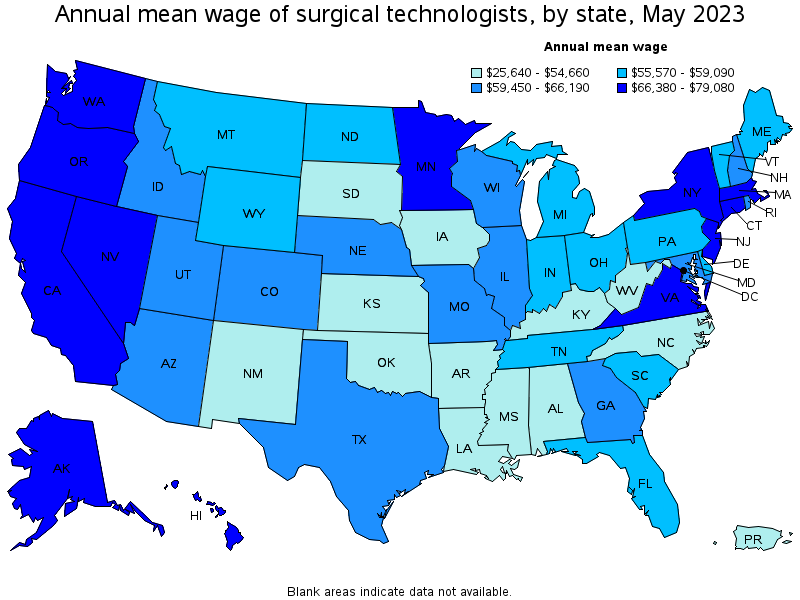
General Averages and Ranges: Based on data from employment websites and salary surveys, the average annual salary for a surgical technologist in Texas typically falls within a range. Entry-level positions might start in the mid-$40,000s, while experienced professionals in high-demand areas could earn upwards of $70,000 or even $80,000 annually. The median salary often hovers around the $55,000 to $65,000 mark, representing the midpoint of all reported salaries.
-
Hourly Wage Considerations: Many surgical technologist positions are compensated on an hourly basis. This can provide a clearer picture of day-to-day earnings. The average hourly wage in Texas often ranges from $25 to $35, with variations based on the factors previously discussed. For example, a technologist earning $30 per hour and working a standard 40-hour week would gross approximately $62,400 annually before taxes and other deductions.
- Impact of Overtime and On-Call Pay: Surgical technologists, like many healthcare professionals, may have opportunities for overtime pay, especially in hospital settings that require 24/7 coverage. Additionally, some positions may include on-call stipends or compensation for being available to work during emergencies or unscheduled procedures. These additional compensation components can significantly increase a technologist’s overall annual income.
Regional Salary Variations Across Texas
The economic landscape and demand for healthcare services differ across Texas, leading to notable salary variations between its major cities and surrounding regions. Understanding these regional nuances can be critical for job seekers.
Leading Metropolitan Hubs for Higher Salaries
As mentioned earlier, the major metropolitan areas of Texas generally offer the highest compensation for surgical technologists due to higher demand and a more competitive job market.
-
Houston Metropolitan Area: With its extensive medical center, including the renowned Texas Medical Center, Houston consistently reports some of the highest average salaries for surgical technologists in the state. The sheer volume and specialization of surgical procedures performed here drive demand and compensation.
-
Dallas-Fort Worth Metroplex: The Dallas-Fort Worth Metroplex, encompassing cities like Dallas and Fort Worth, also presents lucrative opportunities. Numerous large hospitals and specialized surgical facilities in this bustling region contribute to competitive salary offerings.
-
Austin and San Antonio: While perhaps slightly behind Houston and the DFW in average figures, Austin and San Antonio still offer strong earning potential for surgical technologists. The growing populations and expanding healthcare infrastructures in these cities are creating a consistent demand for skilled professionals.
Opportunities in Mid-sized Cities and Beyond
While metropolitan areas often lead in average salaries, opportunities for surgical technologists exist throughout Texas. Mid-sized cities and even some smaller towns can provide stable employment and competitive compensation, especially when considering the cost of living.
-
Regional Medical Centers: Cities like El Paso, Corpus Christi, and Amarillo have well-established regional medical centers that are significant employers of surgical technologists. Salaries here might be slightly lower than in the largest metros but can still be very attractive, particularly when factoring in a lower cost of living.
-
Rural Healthcare Needs: In more rural areas, the demand for healthcare professionals, including surgical technologists, can be high. While the average salary may be lower, these positions can offer valuable experience and a stable career path, sometimes with incentives to attract qualified candidates to underserved regions.
Maximizing Earning Potential as a Surgical Technologist in Texas
For surgical technologists aiming to maximize their earning potential in Texas, a proactive approach to career development, continuous learning, and strategic job searching is essential. Several avenues can lead to higher compensation and greater career satisfaction.
Pursuing Specialization and Advanced Certifications
The healthcare industry is constantly evolving, and specialization is a key driver of increased earning potential. By focusing on specific surgical areas, technologists can become highly sought-after experts.
-
High-Demand Surgical Specialties: Areas such as cardiovascular surgery, neurosurgery, orthopedic surgery, and robotic-assisted surgery often require specialized knowledge and skills. Technologists who gain expertise in these fields are typically compensated at a higher rate due to the complexity of the procedures and the critical nature of their role. Pursuing certifications in these specialties, where available, can further enhance credentials and earning power.
-
Additional Certifications: Beyond the CST, obtaining other relevant certifications can broaden a technologist’s skill set and appeal to a wider range of employers. Certifications in areas like surgical first assisting, laser safety, or phlebotomy can add value to a resume and potentially lead to higher pay or expanded responsibilities.
Gaining Experience and Seeking Leadership Roles
Experience is a direct predictor of salary, and leveraging that experience to move into leadership or supervisory positions can significantly boost income.
-
Mentorship and Training: Experienced surgical technologists can often find opportunities to mentor new graduates or junior staff. This not only contributes to the development of the next generation of healthcare professionals but can also be a stepping stone to supervisory roles.
-
Team Lead or Charge Technologist Positions: As a surgical technologist gains more experience, they may be eligible for positions such as team lead or charge technologist. These roles involve greater responsibility, including coordinating schedules, overseeing workflow, and ensuring adherence to protocols, which typically come with a salary increase.
-
Exploring Supervisory or Management Roles: For those with significant experience and leadership aptitude, pursuing supervisory or management roles within surgical services departments can lead to substantial salary increases. These positions often require a blend of clinical expertise and administrative skills.
Strategic Job Searching and Negotiation
Finding the right opportunity and effectively negotiating the compensation package are crucial steps in maximizing earnings.
-
Researching Facility-Specific Salaries: Before applying for a position, it is wise to research salary ranges for surgical technologists at specific hospitals or surgical centers in Texas. Websites like Glassdoor, Indeed, and the Bureau of Labor Statistics can provide valuable insights.
-
Highlighting Skills and Experience: During the job application and interview process, clearly articulating one’s skills, experience, and any specialized training or certifications is vital. Quantifying achievements whenever possible (e.g., “assisted in over 100 complex orthopedic procedures”) can be particularly effective.
-
Negotiating the Offer: Never hesitate to negotiate the initial salary offer. Understanding your market value based on your experience, qualifications, and the location of the job is key. Be prepared to discuss not only base salary but also benefits, such as health insurance, retirement plans, paid time off, and potential for continuing education support. A well-researched and confident negotiation can lead to a more favorable compensation package.
By focusing on continuous professional development, gaining specialized experience, and employing strategic job-seeking tactics, surgical technologists in Texas can significantly enhance their earning potential and build a rewarding and financially stable career.
LifeOutOfTheBox is a participant in the Amazon Services LLC Associates Program, an affiliate advertising program designed to provide a means for sites to earn advertising fees by advertising and linking to Amazon.com. Amazon, the Amazon logo, AmazonSupply, and the AmazonSupply logo are trademarks of Amazon.com, Inc. or its affiliates. As an Amazon Associate we earn affiliate commissions from qualifying purchases.